Whether an Older Chihuahua Can Still Be Trained
It’s a truly disheartening moment when you look at your beloved senior Chihuahua, perhaps struggling with a long-standing habit or developing a new challenging behavior, and think, "It's too late for them to learn." This common misconception, that an old dog can't learn new tricks, often leaves owners feeling stuck and their Chihuahuas missing out on continued enrichment. But I'm here to tell you that this simply isn't true. This comprehensive guide will walk you through why older Chihuahuas are absolutely capable of learning and how you can approach training and behavior modification with patience, understanding, and great success, no matter their age.
Dispelling the Myth: Why Older Dogs Can Absolutely Learn
The old adage "you can't teach an old dog new tricks" is one of the most persistent and damaging myths in the world of dog ownership. For Chihuahua owners, it can lead to unnecessary frustration and a resigned acceptance of behaviors that could, in fact, be improved or changed. The truth is, a dog's brain remains capable of learning throughout its life, much like our own. While their speed might change, their capacity does not disappear.
Canine Brains Are Always Learning
Think about it: dogs are constantly observing, reacting, and adapting to their environment. Every new sound, smell, or person they encounter is a learning experience, whether we're actively "training" them or not. Their brains are wired for association. If a certain action consistently leads to a positive outcome, they'll be more likely to repeat it. If it leads to a negative one, they'll try to avoid it. This fundamental learning mechanism doesn't magically shut off when they hit a certain age.
What often slows down with age isn't the ability to learn, but rather physical agility, sensory perception, or sometimes, a lifetime of ingrained habits that simply take more consistent effort to reshape. An older Chihuahua might not pick up a complex string of commands in a single session like a puppy, but they can still form new neural pathways. Their experiences have built a rich tapestry of understanding the world, which can actually be an advantage. They understand human cues, routines, and consequences far better than a blank slate puppy. The key is understanding how to approach that learning in a way that respects their senior status.
Why Owners Often Give Up Too Soon
The reason many owners believe the "old dogs can't learn" myth isn't because their senior Chihuahua is truly incapable, but because the methods used might not be suited for an older dog. Puppy training, with its high energy and rapid fire sessions, simply won't work for a dog that might have Chihuahua Arthritis in the Teenage Years or be prone to Chihuahua Hypoglycemia and the Puppy Emergency if overexerted. Owners might try a few times, see slow progress compared to a young dog, and conclude it's futile.
Another factor is a lack of patience or realistic expectations. We expect immediate results, but changing deeply ingrained habits takes time, repetition, and a consistent approach. A senior Chihuahua has had years to practice their behaviors, so undoing them will naturally take longer. Owners might also inadvertently reinforce unwanted behaviors without realizing it. For example, if your senior Chihuahua barks excessively at the window and you constantly go to shush them, even negative attention can be a form of reinforcement. Understanding the root cause of a behavior and then patiently implementing a new strategy is crucial. Don't throw in the towel after a week; think in terms of months, and celebrate every tiny step forward.
Unique Challenges When Training a Senior Chihuahua
While older Chihuahuas are certainly capable of learning, it's equally important to acknowledge that they come with their own set of unique considerations. These aren't roadblocks to training, but rather factors we need to understand and adapt our approach around. Ignoring these can lead to frustration for both you and your tiny companion.
Adapting to Physical Limitations
One of the biggest differences when training a senior Chihuahua compared to a puppy is their physical state. As Chihuahuas age, they can develop conditions that affect their mobility, senses, and overall comfort. For example, many Chihuahuas, particularly as they reach their senior years, can experience Chihuahua Arthritis in the Teenage Years. This means that physically demanding tricks or long walks might be painful or impossible. Jumping off furniture, something they might have done their whole lives, could now exacerbate joint pain or lead to injury.
Similarly, an older Chihuahua might experience a decline in vision or hearing. If your Chihuahua doesn't respond to verbal cues like they used to, it might not be defiance, but simply that they can't hear you as well. They might bump into things, or become more easily startled if they can't see objects or people approaching. This isn't a reason to stop training, but a signal to adjust. We might need to switch from purely verbal cues to more visual hand signals, or ensure training takes place in a well-lit, familiar environment. Their stamina might also be lower, meaning shorter, more frequent training sessions are far more effective than one long, arduous one.
Reshaping Deeply Ingrained Habits
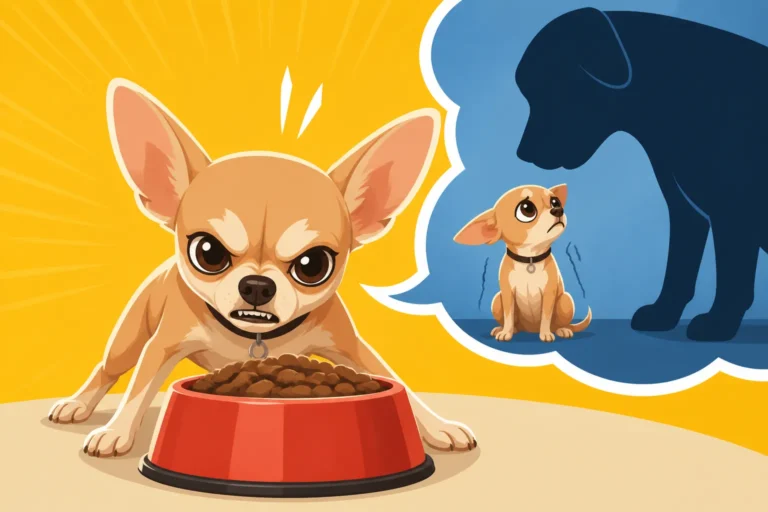
An older Chihuahua has had years, sometimes over a decade, to solidify their habits. Whether it's a potty training lapse, incessant barking at the postman, or resource guarding, these behaviors are deeply wired. This doesn't mean they can't be changed, but it does mean they require consistent, patient, and often creative retraining. Think about how hard it is for us to break a habit we've had for years; it's no different for our dogs.
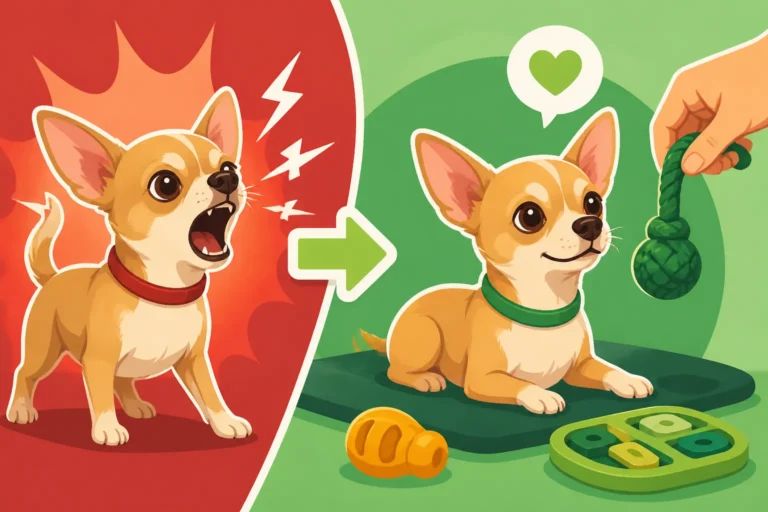
Take, for instance, a Chihuahua that has barked at every delivery person for ten years. That's ten years of "practice" and often, self-reinforcement (the delivery person leaves after the barking, so the dog thinks their barking made them go away). Changing this requires a strong commitment to Chihuahua Barking and What Sets a Six Pound Dog Off and working on positive associations instead of just trying to stop the barking. You might need to teach a new, incompatible behavior, like going to their bed calmly when the doorbell rings, and reward that heavily. This isn't about erasing their past, but building a stronger, more rewarding future behavior pattern. This is particularly true for things like House Training a Chihuahua With a Tiny Bladder, where years of habit combined with aging physiology can make it tricky.
Navigating Emotional and Cognitive Changes
Just like people, older Chihuahuas can experience cognitive changes as they age. This might manifest as confusion, altered sleep cycles, or even what’s sometimes called "doggy dementia" or Cognitive Decline in a Fifteen Year Old Chihuahua. They might also develop new anxieties or fears, or existing ones might worsen. A Chihuahua who was always confident might become more clingy or fearful of new situations.
When training an older dog, it's crucial to be mindful of these potential emotional shifts. Patience becomes paramount, and creating a calm, predictable training environment is key. If your Chihuahua is showing signs of increased anxiety or confusion, pushing them too hard will be counterproductive. Instead, focus on building confidence through positive reinforcement, keeping routines consistent, and perhaps even discussing cognitive support supplements or medications with your veterinarian. Addressing underlying anxiety, such as Chihuahua Separation Anxiety and Time Alone, can often unlock significant progress in other training areas.
Practical Steps for Successful Senior Chihuahua Training
Now that we understand the myths and challenges, let's dive into the practical, actionable steps you can take to successfully train your older Chihuahua. The emphasis here is on understanding, adaptation, and positive reinforcement, making learning a joyful experience for your furry friend.
Embrace Positive Reinforcement and High-Value Rewards
This is the golden rule for training any dog, but it's especially critical for older Chihuahuas. They've lived long lives, and they deserve gentle, positive experiences. Harsh corrections, scolding, or punishment will only create fear, stress, and resistance, potentially worsening any existing anxieties or physical discomfort. Instead, focus entirely on rewarding the behaviors you do want.
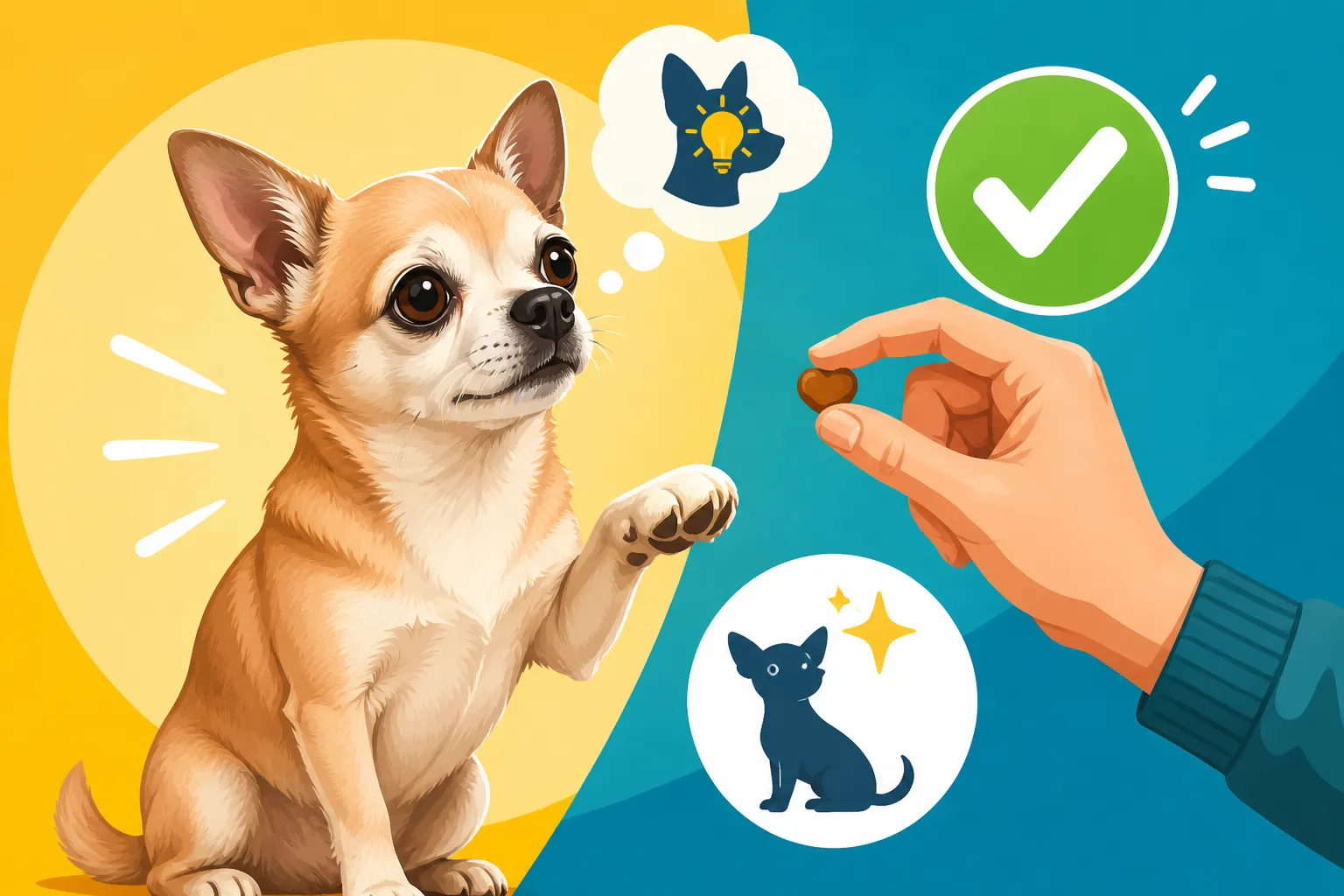
Use high-value treats that your Chihuahua absolutely loves – think tiny pieces of cooked chicken, cheese, or specialized soft training treats. Since their calorie budget is small, as discussed in Daily Calories for a Three to Seven Pound Chihuahua, make sure treats are truly small. You can find excellent options on Amazon, often labeled for small breeds. Pair the treat with enthusiastic verbal praise ("Yes! Good dog!") and gentle petting. This creates a strong positive association. For example, if you're working on reducing barking at the door, every time they don't bark, or offer a moment of quiet, immediately reward that calm behavior. The goal is to make the desired action more rewarding than the old habit.
Keep Training Sessions Short, Frequent, and Fun
An older Chihuahua simply doesn't have the same stamina or attention span as a rambunctious puppy. Long, drawn-out training sessions will quickly lead to fatigue, boredom, or frustration. Instead, aim for multiple short sessions throughout the day, perhaps 3-5 minutes each. This keeps their brain engaged without overtaxing their body or mind.
Think of these sessions as fun, engaging games rather than rigorous schooling. Maybe you work on "sit" and "stay" before mealtime, or practice a "come" command in the living room for a few minutes. Even teaching a simple trick, like "shake a paw" or "spin," can provide wonderful mental stimulation. The key is to end each session on a positive note, with success and a happy interaction. This leaves your Chihuahua looking forward to the next "game." These regular, positive interactions also serve to strengthen your bond.
Adapt the Environment for Their Comfort and Safety
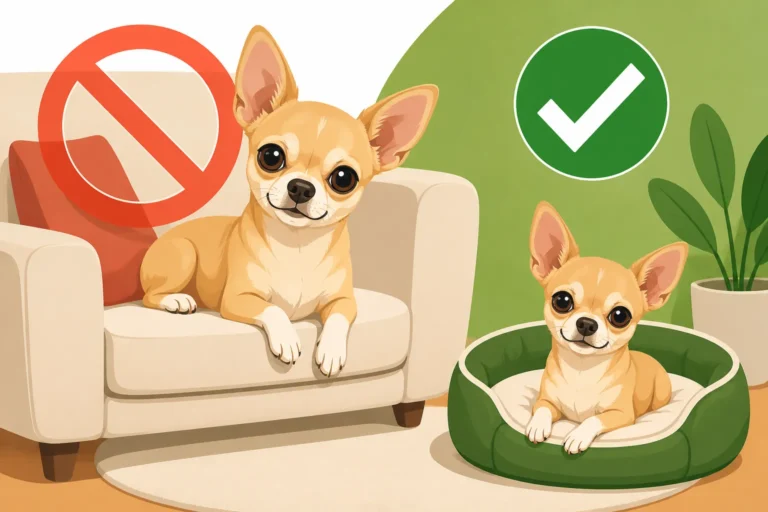
Considering your senior Chihuahua's physical state is paramount. If they have Chihuahua Patellar Luxation, the Chihuahua's Commonest Joint Problem or arthritis, jumping off the sofa or bed multiple times a day is not only painful but also risky. Invest in ramps or steps, which are readily available on Amazon, to provide safe access to their favorite elevated spots. This isn't just about comfort; it's about preventing further injury that could derail training or diminish their quality of life.
Create a comfortable, quiet training space free from distractions and slippery surfaces. Non-slip mats or rugs can help a dog with unsteady footing. If their hearing or vision is declining, ensure the training area is well-lit and that you get their attention gently before giving a cue. For example, a gentle tap on the floor or approaching from the front if they can't hear you. Modifying the environment to support their physical needs makes training far more accessible and enjoyable for them.
Focus on Life Skills and Quality of Life Enhancements
While teaching new tricks can be fun, the most impactful training for an older Chihuahua often revolves around practical life skills that improve their daily living and safety. This might include:
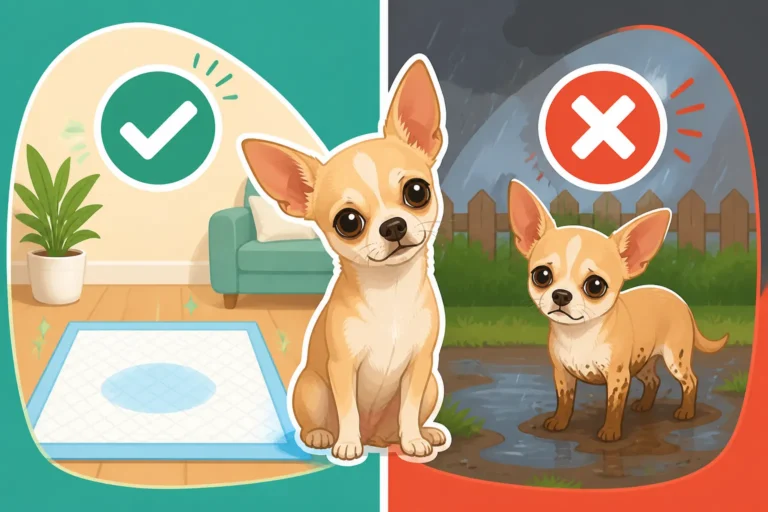
- Improved potty habits: Reinforcing going outside or using an indoor potty pad consistently.
- Loose leash walking: Ensuring comfortable, safe walks, especially if they have Collapsing Trachea and the Chihuahua Honking Cough, where collar pressure must be avoided. Harnesses that spare the windpipe are essential and can be found on Amazon.
- "Go to bed" or "place" command: Providing a safe, comfortable retreat when visitors are over or during loud events.
- "Leave it" or "drop it": Crucial for preventing them from eating something harmful found on the floor.
- Cooperative care: Teaching them to tolerate grooming, nail trims, or vet exams willingly, making these necessary tasks less stressful for everyone.
Think about the behaviors that cause the most stress or inconvenience in your household, and prioritize those. Every small improvement contributes significantly to their overall well-being and your peace of mind.
When to Consider Professional Help
Sometimes, despite your best efforts, certain behaviors can be stubborn, or you might feel overwhelmed by the process. This is absolutely normal, and it's a sign of a responsible owner to seek expert guidance. A professional dog trainer or a certified canine behaviorist, especially one experienced with small breeds and senior dogs, can be an invaluable resource.
They can assess your Chihuahua's specific challenges, take into account any health issues, and develop a customized training plan that fits your dog's unique needs and your lifestyle. They can also help identify if underlying medical conditions are contributing to behavior issues, prompting a vet visit if needed. Many online programs, such as BAXTER & Bella, offer comprehensive resources and even live support for owners looking to implement structured training programs from home, which can be particularly convenient for senior Chihuahuas who may not enjoy new or busy environments. Don't hesitate to reach out for help; it's an investment in your Chihuahua's happiness and your shared future.
Benefits of Continuing Training with Your Senior Chihuahua
Engaging in training with your older Chihuahua isn't just about fixing problems; it's about enriching their life in profound ways. The benefits extend far beyond teaching a new command, touching on their mental, emotional, and even physical health.
Enhanced Mental Stimulation
Just like humans, a dog's brain needs exercise to stay sharp. Regular training sessions, even short and simple ones, provide crucial mental stimulation that helps keep cognitive decline at bay. Learning new things, solving simple puzzles, or even just reviewing known commands helps maintain neural pathways and can slow the progression of age-related cognitive changes.
Imagine a Chihuahua who spends all day doing the same routine, day in and day out. Now imagine one who gets to "work" for a few minutes several times a day, figuring out what you want and earning a tasty reward. The latter is undoubtedly leading a more engaged and fulfilling life. This mental workout can also reduce boredom, which can sometimes be a root cause of unwanted behaviors like excessive barking or destructive chewing. Puzzle toys, readily available on Amazon, can also be a fantastic way to offer mental enrichment and slow down treat consumption.
Stronger Bond and Deeper Connection
Training is not just about commands; it's a conversation. When you engage in positive, reward-based training with your senior Chihuahua, you're communicating with them, building trust, and strengthening your relationship. They learn that interacting with you is a positive experience, leading to more confidence and a deeper bond.
There's nothing quite like the feeling of successfully teaching an old dog a new skill or helping them overcome a challenging behavior. The shared effort and the mutual understanding that develops during training create an unbreakable connection. Your Chihuahua learns to rely on you, and you learn to better understand their cues and needs. This connection is especially vital in their senior years, when they might need more reassurance and support.
Improved Quality of Life and Confidence
A Chihuahua who knows what's expected of them, who can communicate their needs, and who feels understood, is generally a happier and more confident dog. If you've addressed their house-training woes, they're likely feeling less stress about accidents. If you've helped them manage their fear of strangers, their daily walks become less terrifying.
Training provides structure and predictability, which is incredibly comforting for older dogs, especially those experiencing some cognitive changes or anxiety. Knowing they can earn a reward, or successfully navigate a situation, builds their self-esteem. This improved confidence can manifest in a more relaxed demeanor, greater willingness to engage, and an overall better quality of life. It’s about empowering your senior Chihuahua to navigate their world with grace and joy.
Addressing Specific Behavior Problems Effectively
While we've touched on this, it bears repeating: training your senior Chihuahua provides the most effective pathway to resolving specific behavior problems that might be impacting your household. Whether it's anxiety-related behaviors, reactivity, or regression in house training, a structured, patient training approach is the answer.
Instead of just managing the symptoms of a problem, training allows you to address the root cause and teach alternative, acceptable behaviors. For example, instead of just trying to quiet a barking Chihuahua, you can train them to "settle" on command. Instead of just picking up a Chihuahua who jumps on guests, you can train them to "greet politely" with all four paws on the floor. While it may take time and consistency, the results are deeply rewarding for everyone involved. Resources like BAXTER & Bella can guide you through specific problem-solving scenarios, giving you the tools to tackle these issues head-on with an informed approach.
| Training Aspect | Young Chihuahua Puppy Focus | Senior Chihuahua Focus |
|---|---|---|
| Patience & Time | High energy, quick absorption, shorter attention spans for complex tasks. | Slower pace, longer to reshape habits, gentle repetition. |
| Physical Demands | Building stamina, coordination, puppy play. | Adapting to arthritis, vision/hearing loss, gentle movement. |
| Sensory Cues | Primarily verbal, loud sounds, quick movements. | Prioritizing visual cues, gentle touch, clear, calm speech. |
| Motivation | Play, novelty, high excitement, basic food rewards. | High-value, consistent food rewards, comfort, praise, routine. |
| Environment | Exposure to new sights/sounds, controlled chaos. | Quiet, predictable, safe, non-slip surfaces, ramps. |
| Core Goals | Basic obedience, socialization, house training, bite inhibition. | Maintaining skills, addressing new anxieties, comfort, safety, mental engagement. |
| Problem Solving | Preventing problems from forming. | Reshaping years of learned habits, managing age-related changes. |
Disclaimer
This article is for general informational purposes only and does not constitute professional advice. Laws, prices and regulations vary by location and change over time. Consult a qualified professional for guidance on your specific situation.