A Chihuahua That Guards a Toy From Another Dog
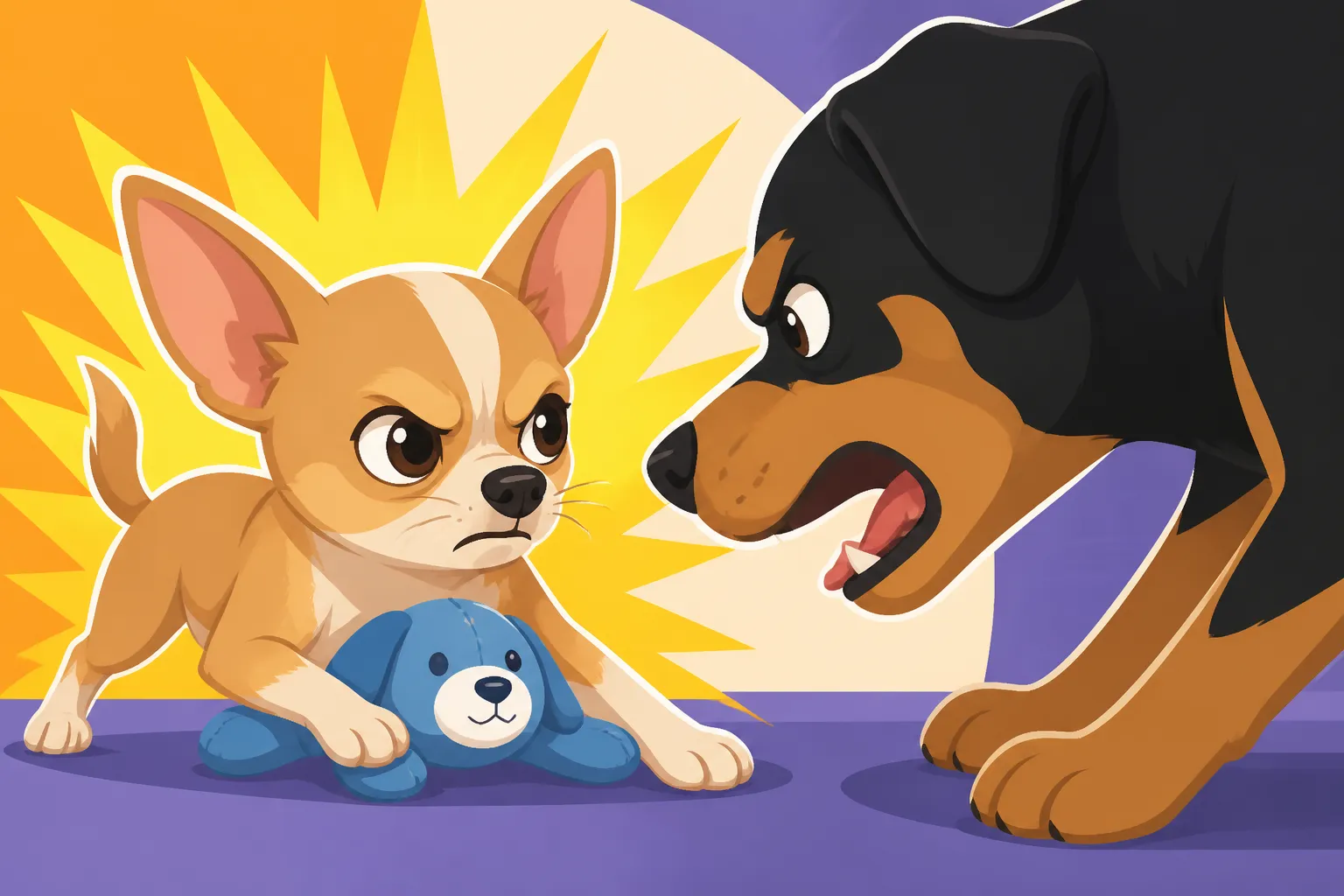
It can be incredibly disheartening, and frankly, a little alarming, when your sweet, cuddly Chihuahua suddenly turns into a snarling miniature dragon over a favorite toy, especially when another dog in the household is just trying to coexist. You might wonder if you've done something wrong or if your little companion is just inherently "mean." This guide will help you understand why your Chihuahua might guard a toy, how to spot the early warning signs, and practical steps you can take to manage and improve this challenging behavior, fostering a more peaceful multi-dog home.
Understanding Why Chihuahuas Guard Toys
Resource guarding is a deeply instinctual behavior in dogs, stemming from their ancestral need to protect valuable items like food, mates, or prime den sites. While your Chihuahua might be a pampered house pet, those ancient instincts are still very much alive, and they can manifest in surprising ways, like fiercely protecting a squeaky ball or a specific chew.
Instinctual Roots and Vulnerability
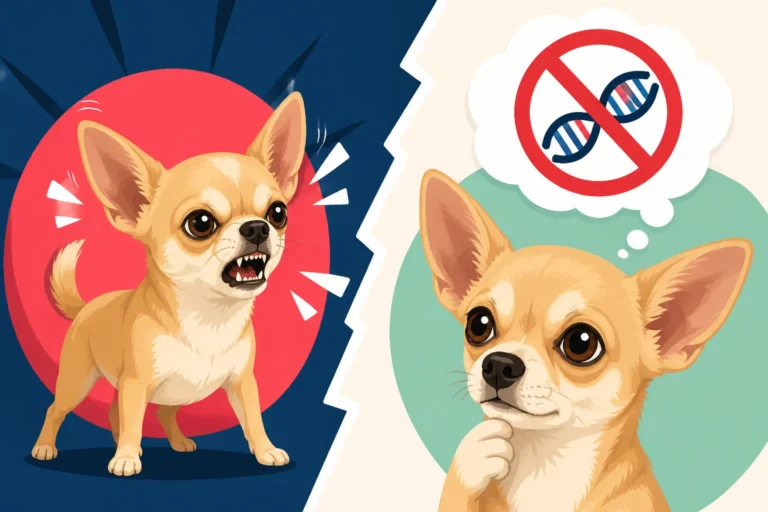
Even though our Chihuahuas are far removed from their wild ancestors, the urge to protect valuable resources is hardwired into their DNA. Imagine a wild canine that doesn't protect its food or a safe sleeping spot; it wouldn't survive long. For our little companions, "resources" can include anything they perceive as high-value: a favorite blanket, their food bowl, a specific spot on the sofa, and, yes, that beloved toy. This isn't about being dominant or spiteful; it's often rooted in a feeling of insecurity or a perceived threat to something important to them. It's their way of saying, "This is mine, and I need it to survive." When you see your Chihuahua stiffen over a toy, it's not necessarily a personal affront; it's a dog responding to an internal drive.
Consider the common misconception that resource guarding is always aggressive. Often, the initial signs are quite subtle. It might start with a slight freeze in their posture, a quick glance, or a shift in body weight to cover the item. These are the early, quiet warnings before any growl or snap erupts. If these subtle cues are ignored, the dog learns they need to escalate their warnings to be understood. This cycle can quickly become frustrating for owners and dangerous for other pets. Understanding this natural inclination helps us approach the behavior with empathy rather than anger.
The Impact of Size Disparity
Now, add the factor of a Chihuahua's diminutive size. When your tiny, five-pound dog is sharing a home with a playful Labrador or even another slightly larger Chihuahua, they can feel incredibly vulnerable. If they perceive competition for a desired toy, their small stature can amplify their need to protect it. They might feel they have to be extra loud or extra firm in their warnings because they can't physically assert themselves in the same way a larger dog might. This feeling of being outmatched can heighten their guarding response. It's like a small person in a crowded room, trying to protect their belongings – they might shout louder to be heard.
A Chihuahua that feels physically intimidated or consistently has items taken from them by larger, more boisterous housemates might develop a strong guarding habit as a coping mechanism. It's less about genuine aggression and more about self-preservation. This is why careful supervision and proactive management are absolutely critical in multi-dog households. Allowing other dogs to constantly "steal" toys from your Chihuahua, even if done playfully, can inadvertently reinforce their guarding behavior by teaching them that they always have to fight for what they want. They learn that the only way to keep their prized possession is to make a fuss.
Recognizing the Signs of Toy Guarding
Identifying resource guarding early can make a world of difference in managing it. Chihuahua owners often inadvertently miss the subtle signals because they assume their tiny dog's behavior couldn't possibly be a serious issue. However, just like any other breed, Chihuahuas use a full spectrum of body language to communicate their intentions.
Subtle Cues Before Escalation
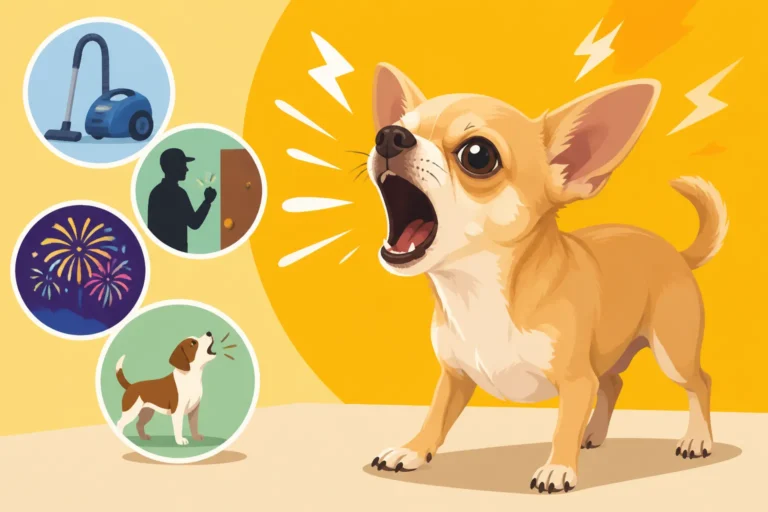
Before your Chihuahua resorts to growling or snapping, they'll often give off a series of quieter, less obvious signals. These are vital to recognize, as they are your dog's attempt to communicate their discomfort without escalating. Look for signs like "freezing" – becoming very still and rigid with their body over the toy. They might give a "hard stare" or "whale eye," where you see the whites of their eyes as they look sidelong at the approaching dog or person, without turning their head. Their ears might be pulled back slightly, and their tail, if it's usually wagging, might become stiff or still. A subtle head turn, covering the toy with their body, or even a soft growl that’s barely audible are all warnings.
Another common subtle cue is a quick gulp or lip lick, often indicating stress or discomfort. They might also shift their weight or posture to block the other dog's access to the toy. For example, if your Chihuahua is lying down with a bone, and another dog approaches, they might subtly stretch a paw over the bone or adjust their body to shield it. Owners often dismiss these actions as quirks, but they are clear communications. Understanding What a Chihuahua Growl Is Actually Telling You is crucial here; it's not always pure aggression but often a desperate plea for space. If you consistently miss these subtle signals, your Chihuahua learns that they have to make their warnings more explicit and more intense to be understood, eventually leading to more overt displays of guarding.
Overt Warnings and Aggression
When the subtle cues are ignored, your Chihuahua will escalate their warnings. This is where the behavior becomes much more noticeable and potentially dangerous. Overt warnings include clear, sustained growling – a vocalization that leaves no doubt about their displeasure. They might bare their teeth, flatten their ears tightly against their head, and their body might become very tense and low to the ground, ready to defend. A direct stare, accompanied by a stiff posture and a wrinkled brow, is another strong warning. These are clear indications that your Chihuahua is serious about protecting their resource.
The most extreme overt signs are snapping and biting. A snap is a quick, air bite designed to startle and warn, often without making direct contact. A bite, on the other hand, is contact aggression, meant to injure or truly deter. When a Chihuahua snaps or bites over a toy, it's a clear indication that their previous warnings were not heeded, and they felt they had no other choice. This is where intervention becomes critical, not just for the other dog's safety, but for your Chihuahua's own well-being. They are clearly distressed and need immediate management and training. If you've observed these signs, you need to revisit the situation, as it indicates a breakdown in communication and trust. Remember, Chihuahua Body Language Before a Snap can give you even more insight into these escalating behaviors.
Strategies to Manage Toy Guarding
Successfully managing toy guarding in a multi-dog household requires a blend of proactive prevention, smart environmental management, and consistent positive reinforcement training. It’s not about punishing your Chihuahua for an instinctual behavior, but rather teaching them that sharing, or at least tolerating proximity, can lead to even better outcomes.
Environmental Management and Separation
The absolute first step to managing toy guarding is to prevent incidents from happening in the first place. This means thoughtful environmental management. If you know certain toys trigger guarding, simply don't have them out when both dogs are together. It sounds simple, but it's incredibly effective. Designate "safe spaces" for each dog, where they can enjoy their high-value toys, chews, or meals without feeling threatened. This might involve using baby gates, crates, or separate rooms. For example, your Chihuahua might get to enjoy their favorite chew on their special bed in the living room while your other dog enjoys their chew in a different area or even a different room. You can find many affordable baby gates and playpens on Amazon that are perfect for creating these temporary safe zones, preventing direct confrontations.
When playtime involves toys, consider rotating them. Introduce only one or two toys at a time, and only toys that are less likely to trigger guarding. High-value toys should be reserved for supervised, separate sessions. If both dogs are playing, make sure there are more toys than dogs available, significantly reducing the perceived competition. Sometimes, it’s about having duplicates of popular toys. Furthermore, ensure that all dogs have access to their own water bowls, beds, and feeding areas, reducing any other potential resource guarding triggers. This foundation of proactive management is key to preventing stress and allowing you to begin training in a calmer environment.
"Trade Up" Training for Resource Guarding
Once you've established effective environmental management, you can start working on training your Chihuahua to feel more comfortable relinquishing a toy. The "trade up" method is incredibly powerful and builds trust. The basic idea is this: when your Chihuahua has a toy, approach them calmly and offer them something even better – a super high-value treat, like a piece of cooked chicken or cheese. As they drop the toy to take the treat, praise them gently, and then pick up the toy. After they've eaten the treat, you can give them back their original toy (or a different, equally appealing one if the original toy is a major trigger). This teaches them that giving up a toy doesn't mean it's gone forever; it actually leads to something fantastic.
Start this training when no other dogs are present, and in a calm, low-stress environment. Practice frequently with different toys and different locations. The key is to make the "trade" a positive experience every single time. Never snatch the toy away, as this will only reinforce their need to guard it. Over time, your Chihuahua will learn that your approach isn't a threat, but an opportunity for an even better reward. This method helps your dog develop a positive association with giving up resources voluntarily. Consistency is paramount, and using Treats Small Enough for Chihuahua Training will ensure you don't overfeed your tiny companion during these sessions. You can find excellent instructional videos and modules on positive reinforcement methods like "trade up" through online training platforms like BAXTER & Bella, which cater to owners looking for comprehensive guidance.
Supervised Play and Toy Rotation
When it comes to multi-dog play, especially if your Chihuahua has a history of guarding, supervision is non-negotiable. Every play session should be managed to prevent resource guarding incidents. This means closely observing their body language and being ready to intervene before an incident occurs. Introduce toys one at a time, and ensure there are always more toys than dogs. For example, if you have two dogs, have at least three or four toys out. This reduces the immediate competition for a single item. Focus on neutral, lower-value toys initially, gradually introducing higher-value items as your Chihuahua shows improvement.
Another effective strategy is toy rotation. Instead of leaving all toys out all the time, keep most of them stored away and rotate which ones are available each day. This keeps the toys novel and exciting, and prevents any single toy from becoming so "precious" that it's worth fighting over. When you do put toys away, do so calmly and systematically, perhaps initiating a "trade up" if your Chihuahua is reluctant to part with one. Always end play sessions on a positive note. If a guarding incident starts to brew, calmly separate the dogs or remove the offending toy before it escalates. This teaches your Chihuahua that you are in control of the resources and that aggressive displays are not necessary. Encouraging Chihuahua Play With Dogs Its Own Size can also help build confidence and reduce guarding behaviors born from feeling overwhelmed by larger playmates.
When to Seek Professional Help
While many cases of mild toy guarding can be managed with the strategies above, there are times when the behavior escalates beyond what an owner can safely handle. Knowing when to call in a professional is not a sign of failure, but rather responsible pet ownership.
Escalating Behavior and Safety Concerns
If your Chihuahua's toy guarding has escalated to frequent growling, snapping that makes contact, or actual bites, it's time to seek professional help. If you feel unsafe, or if the safety of your other pets or family members is at risk, you've moved beyond DIY training. When the behavior is so intense that you can't even approach your Chihuahua when they have a toy, or if incidents are happening multiple times a day despite your best efforts at management, a professional can provide the specialized guidance you need. Severe resource guarding can be incredibly stressful for everyone in the household, and trying to handle it alone without the right expertise can sometimes make the problem worse, especially if inadvertently reinforcing the behavior or making your Chihuahua feel more threatened.
Another red flag is if the guarding behavior generalizes to other resources (like their bed, your lap, or even specific spots in the house) or if it's accompanied by other concerning behaviors, such as increased anxiety, fear, or unprovoked aggression. If you're constantly walking on eggshells around your Chihuahua or if your other dogs are showing signs of stress or fear because of the guarding, these are clear indicators that expert intervention is needed. This isn't just about the toy anymore; it's about your Chihuahua's overall emotional state and their relationship with the household. In these situations, the guidance of a certified professional can be invaluable in creating a safer and happier home environment.
Finding a Qualified Professional
When looking for professional help, it’s crucial to find someone qualified in positive reinforcement and force-free methods. Avoid any trainer who suggests using punishment, dominance theory, or aversive tools to address resource guarding. These methods can damage your Chihuahua's trust in you, suppress the outward signs of guarding without addressing the underlying anxiety, and potentially make the aggression worse or redirect it towards you. Look for a Certified Professional Dog Trainer (CPDT-KA), a Certified Behavior Consultant Canine (CBCC-KA), or a Veterinary Behaviorist (DACVB). These individuals have specific education and experience in dealing with complex behavioral issues like resource guarding.
A good professional will conduct a thorough assessment of your Chihuahua's behavior, your household dynamics, and your training history. They will then develop a customized plan that focuses on positive reinforcement, counter-conditioning, and desensitization. They should teach you how to read your Chihuahua's subtle body language, implement effective management strategies, and practice safe, effective training techniques. They will likely recommend a combination of individual sessions and ongoing support. Don't be afraid to ask about their qualifications, experience, and training philosophy. Remember, Vetting a Trainer Before You Book a Chihuahua is a critical step to ensure you're getting the best, safest help for your tiny companion and your family.
Here's a quick look at the journey from subtle warning to professional intervention:
| Stage of Guarding | Chihuahua's Behavior | Recommended Owner Action | Potential Outcome Without Action |
|---|---|---|---|
| Subtle Warning | Freezing, hard stare, lip lick, slight body shift over toy, softest growl. | Increase supervision, implement "trade up" training, improve environmental management. | Escalation to overt warnings. |
| Overt Warning | Clear growl, bare teeth, stiff body, direct stare, air snap. | Immediately separate dogs/remove toy calmly, revisit environmental management, intensify "trade up" training. | Escalation to biting, increased stress for all. |
| Aggression | Biting (contact), frequent, intense snaps, injury to other dog/person. | Seek professional help from a certified positive reinforcement trainer or veterinary behaviorist. | Severe injury, potential rehoming, chronic stress, breakdown of trust. |
This article is for general informational purposes only and does not constitute professional advice. Laws, prices and regulations vary by location and change over time. Consult a qualified professional for guidance on your specific situation.