A Chihuahua That Snaps at the Groomer
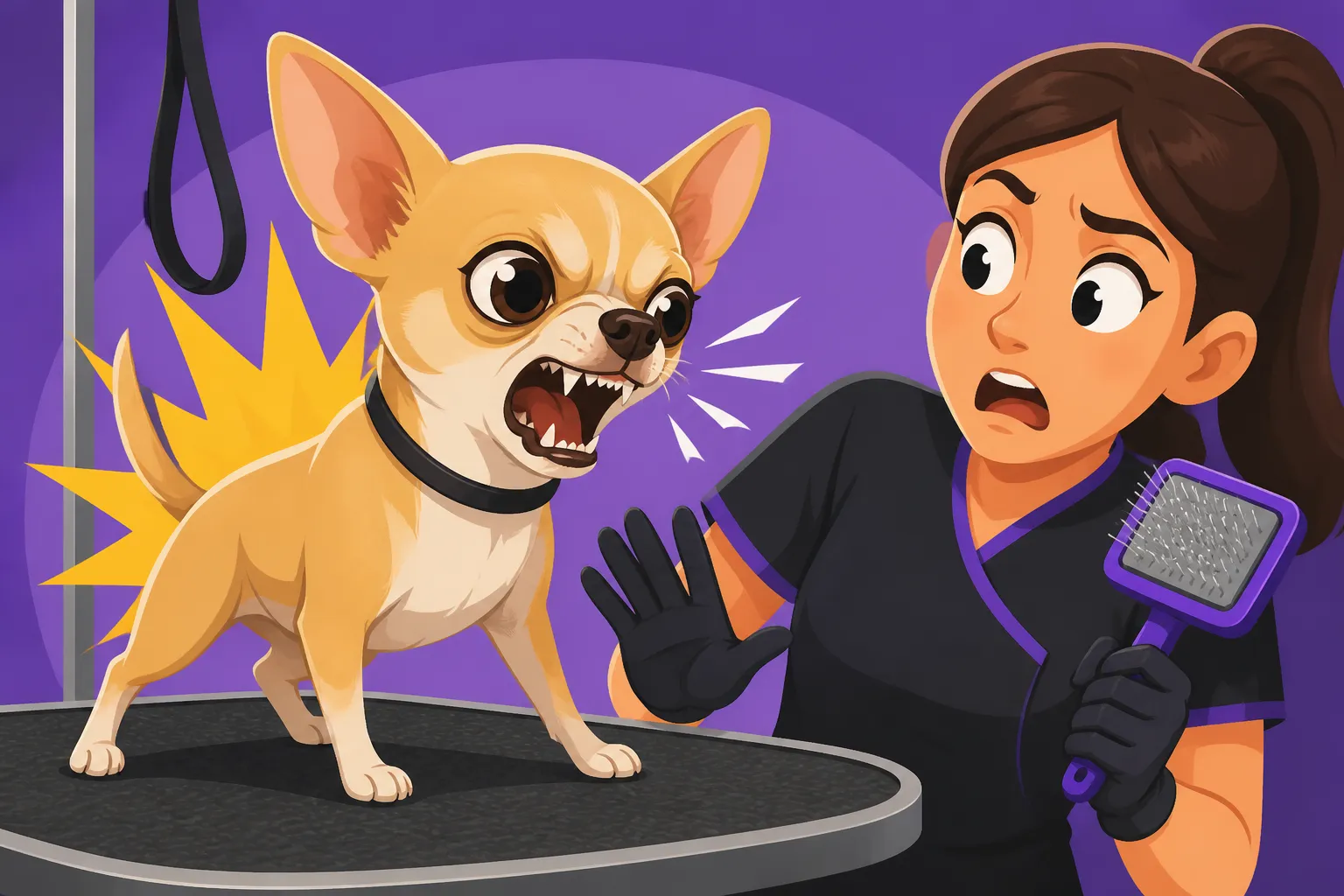
It’s a scenario many Chihuahua parents know all too well: you arrive at the grooming salon with your tiny companion, full of hope for a fresh, clean pup, only to be met with a phone call later detailing growling, snapping, or outright refusal to cooperate. It’s disheartening, frustrating, and often leaves you feeling like you’ve failed your little one. This guide is here to help you understand why your Chihuahua might be acting out at the groomer and, more importantly, what steps you can take to make grooming a more positive, less stressful experience for everyone involved.
Understanding Why Your Chihuahua Snaps at the Groomer
When a Chihuahua snaps or bites, it's rarely out of malice. Instead, it's almost always a form of communication, a desperate plea to stop something they find uncomfortable, scary, or painful. Their small size often means they've learned that aggression is the only way to get their point across when they feel threatened.
Fear as the Root Cause of Aggression
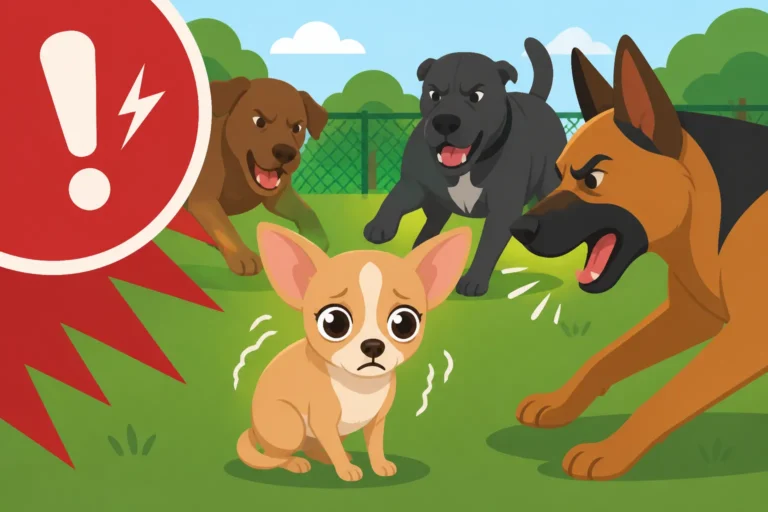
Imagine being tiny in a world full of giants, handled by unfamiliar hands, often in a noisy, strange environment. For many Chihuahuas, a trip to the groomer is exactly that: overwhelming and terrifying. They might be afraid of the loud dryers, the buzzing clippers, the unfamiliar smells of other dogs, or simply being restrained on a high table.
This fear can stem from a variety of sources. Perhaps they had a negative experience as a puppy that wasn't adequately addressed, leaving a lasting impression. Or maybe they simply haven't had enough positive exposure to different people, places, and handling experiences. A Chihuahua's natural instinct to protect itself, amplified by feeling vulnerable due to its size, can quickly turn into reactive behavior like snapping. It's not about being "mean"; it's about being profoundly scared and feeling the need to defend itself. Many of these behaviors tie directly back to Fear-Based Reactivity in a Chihuahua, where a small dog might feel overwhelmed and threatened by large, fast-moving objects or unfamiliar sounds.
Pain or Discomfort During Grooming
This is a huge one, and often overlooked. What looks like "bad behavior" can frequently be a dog trying to tell us they hurt. Chihuahuas, despite their robust lifespans, are prone to certain health issues that can make grooming incredibly uncomfortable, or even painful.
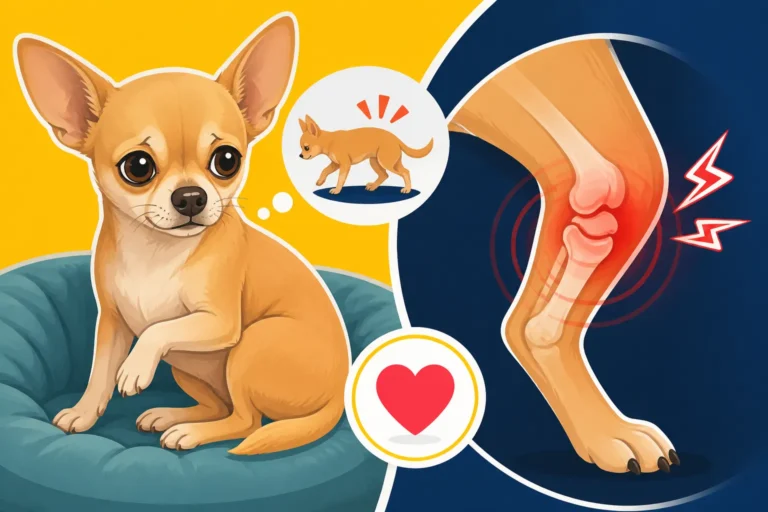
Consider a Chihuahua with severe dental disease. Chihuahua Dental Disease in a Crowded Small Jaw is incredibly common, and even light contact around their mouth or face can cause excruciating pain if their gums are inflamed or teeth are loose. Similarly, Patellar Luxation, the Chihuahua's Commonest Joint Problem, or "slipping kneecaps," can make standing for extended periods or being positioned in certain ways on a grooming table very painful. An undiagnosed ear infection can make ear cleaning agony. Even something as simple as matted fur can pull at the skin, causing sharp pain with every brush stroke. If your Chihuahua suddenly starts snapping at the groomer, especially if they haven't before, a vet visit to rule out any underlying pain or medical conditions should be your very first step. They're not being stubborn; they're communicating discomfort in the only way they know how.
Lack of Early Socialization and Positive Exposure
The socialization window for puppies is critical, usually closing around 12 to 16 weeks of age. During this time, positive exposure to new sights, sounds, people, and experiences helps build a dog's confidence and resilience. For a Chihuahua, this means gentle handling, positive experiences with brushes and nail clippers, and safe interactions with a variety of people. If a Chihuahua missed out on this crucial early exposure, or if their early experiences were negative, it can set them up for anxiety and fear later in life, especially in situations like grooming.
Owners, sometimes with the best intentions, can inadvertently contribute to this by overly coddling their small dogs, carrying them everywhere, or sheltering them from the world. While protecting them is important, it can also limit their exposure to novel situations, making them more fearful when those situations eventually arise. A Chihuahua who has rarely been handled by anyone other than their primary owner, or who has never had their paws touched regularly, is much more likely to react negatively to a groomer's hands. Think about it: if you've never had a stranger touch your feet, you might flinch too! This ties into The Chihuahua Socialization Window and Its Deadline, highlighting how important early, positive experiences are for shaping a well-adjusted adult dog.
Preparing Your Chihuahua for Grooming Success
Getting your Chihuahua comfortable with grooming isn't a one-time fix; it's a gradual process built on positive experiences, patience, and consistency. It starts at home and extends to how you choose and interact with your groomer.
Desensitization and Counter-Conditioning at Home
This is arguably the most crucial step. You need to gradually introduce your Chihuahua to grooming tools and handling in a positive, low-stress environment – your home. The goal is to change their emotional response from fear or anxiety to calm acceptance, or even enjoyment.
Start small. Pick one grooming tool, like a soft brush. Show it to your Chihuahua, let them sniff it. If they show any curiosity or calm, give them a tiny, high-value treat. Don't even touch them with it yet. Repeat this a few times a day for a few days. Once they seem comfortable with the presence of the brush, gently touch them with it for a split second, then immediately treat. Build up the duration and intensity slowly. Brush for one second, treat. Two seconds, treat. The same process applies to nail clippers, combs, and even simulating bath time by just getting their paws wet and then treating. Focus on short, positive sessions – no more than a few minutes at a time – and always end on a good note. If you're struggling with nail trims, specifically, check out A Chihuahua That Bites During Nail Trims for more focused advice. Remember, consistency is key; a few minutes every day is far more effective than an hour once a week.
Finding a Fear-Free or Chihuahua-Savvy Groomer
Not all groomers are created equal, especially when it comes to sensitive or fearful dogs. A "fear-free" certified groomer or one with extensive experience specifically with toy breeds like Chihuahuas can make a world of difference. These groomers understand canine body language, use gentle handling techniques, and prioritize the dog's emotional well-being over getting the job done quickly.
When searching for a groomer, don't be afraid to ask questions:
- Do they use force-free methods?
- What is their approach to fearful dogs?
- Can you do "happy visits" where your Chihuahua just comes in for treats and positive association without any actual grooming?
- What is their policy on breaks for the dog?
- Do they have separate areas for small dogs to reduce stress from larger, noisier breeds?
A good groomer will be transparent, patient, and willing to work with you and your Chihuahua. They understand that a little extra time and care upfront can lead to a much better experience down the line.
Here's a quick comparison of what to look for:
| Feature | Traditional Groomer (Potentially Problematic) | Fear-Free/Chihuahua-Savvy Groomer (Ideal) |
|---|---|---|
| Approach to Fear | Might prioritize speed, use force or restraint | Uses positive reinforcement, patience, gentle handling, empathy |
| Environment | Busy, loud, high-traffic, mixed dog sizes | Quiet, calm, potentially separate small dog area, focuses on minimizing stressors |
| Handling | Firm restraint, quick movements | Slow, deliberate, takes breaks, allows dog to opt-out when safe, builds trust |
| Communication | Might just report "bad behavior" | Provides detailed feedback, collaborates on a plan for next steps |
| First Visit | Full groom immediately | Encourages "happy visits" or short introduction sessions |
| Tool Introduction | Just gets to work | Introduces tools slowly, pairs with treats |
Vet Check-ups Before Grooming
As mentioned earlier, pain is a massive factor. Before attempting to push through grooming challenges, schedule a full veterinary check-up. Explain to your vet that your Chihuahua is snapping at the groomer and you want to rule out any underlying medical causes. This isn't just about serious conditions; even minor irritations can escalate a dog's fear.
Your vet will check for:
- Dental issues: Painful teeth or gums are a huge trigger. Chihuahua Dental Disease in a Crowded Small Jaw is highly prevalent and often goes unnoticed until severe.
- Ear infections: A hidden ear infection can make ear cleaning unbearable.
- Joint pain: Patellar luxation or early arthritis can make standing on a table or being manipulated painful. Chihuahua Arthritis in the Teenage Years can also cause discomfort, even if it's not full-blown limping.
- Skin conditions: Allergies or sensitive skin can make brushing or bathing uncomfortable. Chihuahua Skin Allergies and Hair Loss can leave their skin delicate and easily irritated.
- Anal gland issues: If these are full or impacted, pressure from sitting or being handled can be painful.
Getting a clean bill of health or addressing any pain issues first can dramatically improve your Chihuahua's tolerance for grooming. It's truly a foundational step.
Strategies for a Smoother Grooming Appointment
Once you've done the prep work at home and found a suitable groomer, there are still tactical strategies you can employ to make the actual appointment less stressful for your Chihuahua.
Communication is Key: Briefing Your Groomer
Never just drop off your Chihuahua and hope for the best. Have an honest, detailed conversation with your groomer beforehand. They can't address issues they don't know about.
Share everything you've observed:
- Specific triggers: What makes your Chihuahua anxious at home? (e.g., loud noises, certain types of touch, being lifted).
- Body language: Explain what their subtle cues look like before they snap (e.g., lip licks, turning away, whale eye, freezing). Knowing Reading a Chihuahua's Whale Eye or A Chihuahua That Freezes Before It Bites can give your groomer crucial seconds to de-escalate.
- Likes and dislikes: Do they love chin scratches but hate their tail being touched?
- Successful techniques: What have you found works at home to calm them down? (e.g., a specific phrase, a favorite treat, a gentle massage spot).
- Medical history: Any diagnosed conditions, even minor ones.
A written note or a quick call before the appointment ensures all information is conveyed clearly. This proactive communication empowers the groomer to adapt their approach and minimize stress for your pup.
Utilizing Calming Aids and Tools
For Chihuahuas with significant anxiety, a multi-pronged approach often works best. This can include calming aids, but always discuss these with your vet first to ensure they are safe and appropriate for your individual dog.
- Calming Supplements: Products containing L-theanine, L-tryptophan, or herbal extracts (like chamomile) are available. Some vets might recommend pheromone sprays or diffusers (like Adaptil) that mimic the calming pheromones a mother dog produces. Newer options like vet-prescribed CBD oils are also gaining traction, but again, always consult your veterinarian before giving any supplements, especially for a small dog like a Chihuahua. You can often find a variety of these calming aids on platforms like Amazon.
- ThunderShirts/Calming Wraps: These provide gentle, constant pressure, similar to swaddling a baby, which can have a calming effect on some dogs.
- Muzzle Training: This isn't about punishment; it's about safety and responsible management. Positively conditioning your Chihuahua to wear a muzzle means they can be safely groomed without the risk of biting, allowing the groomer to work more calmly. Start by introducing the muzzle slowly with treats, letting them sniff it, then rewarding them for putting their nose in it. Build up the duration gradually, always making it a positive experience. Check out Muzzle Training a Small Chihuahua for a deeper dive into this important safety tool. The goal is for the muzzle to be a neutral or even positive experience, not a source of further stress.
Short, Frequent Sessions vs. Long, Infrequent Ones
If your Chihuahua finds grooming overwhelmingly stressful, asking for shorter, more frequent appointments can be incredibly helpful. Instead of enduring a two-hour full groom once every three months, breaking it down into 30-minute "mini-grooms" every few weeks can be much more manageable.
For example:
- Week 1: Nails, a quick brush, and a happy visit.
- Week 2: Bath and blow-dry only.
- Week 3: Sanitary trim and paw pad shave.
This strategy prevents your Chihuahua from reaching their stress threshold and allows them to build positive associations over time. Each short, positive experience chips away at their fear, reinforcing that the groomer isn't a scary place. Some groomers even offer "happy visits" where your dog just comes in, gets treats, and leaves, purely to build positive memories of the salon environment without any actual grooming taking place.
What to Do If Snapping Persists or Escalates
Sometimes, despite your best efforts, the fear or reactivity during grooming doesn't improve. This is not a reflection of your failure, but a sign that your Chihuahua needs more specialized help.
Consulting a Professional Dog Trainer or Behaviorist
If home desensitization and working with a groomer haven't yielded sufficient results, it's time to bring in a professional. Look for a certified professional dog trainer (CPDT-KA) or, for more severe cases, a certified dog behavior consultant (CDBC). These professionals specialize in understanding and modifying complex behaviors.
They can:
- Assess the situation: Observe your Chihuahua's body language and triggers.
- Develop a tailored plan: Create a step-by-step program to address the underlying fear and teach coping mechanisms.
- Coach you: Guide you on proper handling techniques, Chihuahua Handling and Consent, and how to build your Chihuahua's confidence.
- Work with your groomer: They can sometimes coordinate with the groomer to implement consistent strategies.
It's vital to choose a professional who uses positive reinforcement and force-free methods. Punitive or aversive training methods will only escalate a fearful Chihuahua's anxiety and could make the snapping worse. For those looking for comprehensive, positive-reinforcement based training resources, online programs like those offered by BAXTER & Bella can provide excellent foundational work that can improve a Chihuahua's overall comfort with handling and new situations, which indirectly helps with grooming challenges. When vetting trainers, ensure they are qualified and align with ethical, fear-free practices, as discussed in Vetting a Trainer Before You Book a Chihuahua.
Veterinary Behaviorist Intervention
For severe, entrenched fear or aggression, a veterinary behaviorist (DACVB) might be the most appropriate next step. These are veterinarians who have specialized in animal behavior and can prescribe medication to help manage anxiety alongside a behavior modification plan.
Think of it this way: if a human has severe anxiety, therapy might be necessary, but sometimes medication is also needed to help them engage with that therapy. It's the same for dogs. Anti-anxiety medication can lower your Chihuahua's overall stress levels, making them more receptive to learning and less reactive in triggering situations. A veterinary behaviorist can conduct a thorough medical and behavioral assessment, diagnose conditions like generalized anxiety, and then create a comprehensive treatment plan that often combines medication with behavior modification exercises. This isn't a quick fix, but it can be a life-changer for Chihuahuas suffering from profound fear.
Home Grooming When Professional Grooming Isn't Possible
For some Chihuahuas, particularly those with extreme fear or complex health issues, professional grooming may simply be too stressful, even with intervention. In these cases, learning to do basic grooming at home might be the kindest option.
This requires patience, the right tools, and an understanding of what your Chihuahua can tolerate.
- Brushing: Regular brushing can help remove loose fur and prevent mats. For long-haired Chihuahuas, this is especially important.
- Nail Trims: Learn to trim nails safely, perhaps just taking tiny tips off frequently, or using a Dremel tool if your Chihuahua tolerates it better. Again, reference A Chihuahua That Bites During Nail Trims.
- Bathing: Gentle, quick baths in a warm environment, followed by immediate towel drying to prevent chilling.
- Sanitary Trims: Carefully trim hair around the sanitary areas and paw pads with blunt-tipped scissors or small clippers.
Always prioritize safety and comfort over perfection. If your Chihuahua is showing significant stress, stop and try again later. Home grooming empowers you to control the environment and pace, potentially making grooming a much more manageable part of your routine. Just remember, even with home grooming, a clean bill of health from your vet is paramount.
Disclaimer
This article is for general informational purposes only and does not constitute professional advice. Laws, prices and regulations vary by location and change over time. Consult a qualified professional for guidance on your specific situation.