The Chihuahua Socialization Window in Weeks
It’s a common misconception, especially with our tiny Chihuahuas, that because they're so small, they don’t need the same rigorous socialization as a big dog. Many owners, out of a loving desire to protect their pint-sized companions, inadvertently shield them from the very experiences that build confidence and resilience. This often leads to fearful, anxious, or even reactive Chihuahuas who bark at everything and everyone, turning daily walks into a stress-filled ordeal. This guide will walk you through the critical socialization window, what it means for your Chihuahua, and how to set them up for a lifetime of confidence and calm.
Understanding the Chihuahua Socialization Window
The term "socialization window" isn't some fancy, abstract concept; it's a very real and incredibly important developmental phase in a puppy's life. Think of it as a brief, intense period when your Chihuahua's brain is like a sponge, soaking up every new sight, sound, smell, and interaction, forming lasting impressions about the world around them. For Chihuahuas, just like other dogs, this window is precious and fleeting.
When the Window Opens and Closes
The critical socialization window typically begins around 3 weeks of age and slams shut somewhere between 12 and 16 weeks. Yes, that's it – a mere few months to introduce your Chihuahua puppy to the vast, complex world in a positive and confidence-building way. During these crucial weeks, puppies are naturally more open to new experiences and less prone to fear. Every positive encounter during this time helps build a strong foundation for a well-adjusted adult dog. The Chihuahua Puppy Curriculum Month by Month delves deeper into what to expect as your pup grows.
Before 3 weeks, puppies are mostly focused on their mother and littermates, learning basic dog etiquette. After 16 weeks, while socialization can still happen, it becomes much harder. Their natural caution increases, and fear responses are more easily established. It’s not impossible to socialize an older Chihuahua, but it's often more about counter-conditioning and desensitization, which takes significantly more time and effort than proactive exposure during the critical window. You'll find that The Chihuahua Socialization Window in Weeks is a more in-depth exploration of this topic.
Why It's Crucial for a Chihuahua
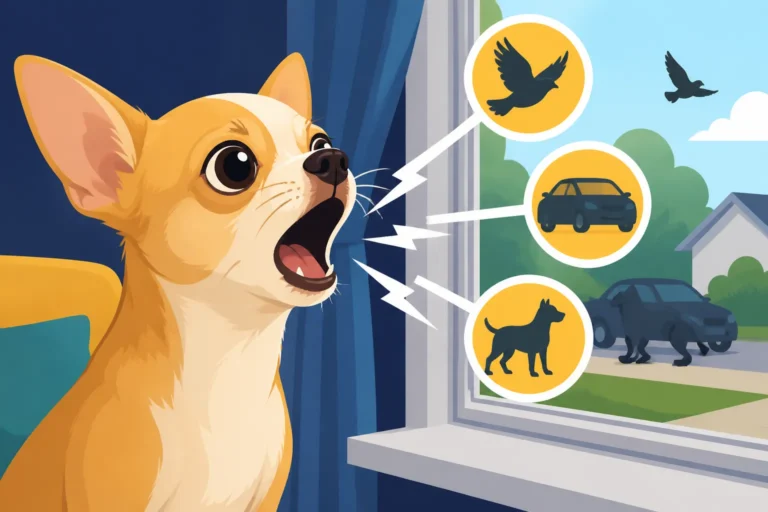
For a Chihuahua, a breed often misunderstood and sometimes over-protected due to their small stature, successful socialization is paramount. Without it, they can easily develop what’s often mistakenly called "small dog syndrome," which isn't a genetic trait but rather a collection of learned behaviors stemming from a lack of proper exposure and training. They might become intensely fearful of strangers, other dogs, loud noises, or new environments. This fear can manifest as excessive barking, trembling, nipping, or even aggression, making everyday life challenging for both you and your tiny companion.
Imagine a Chihuahua who has only ever known the inside of one home. When suddenly faced with the bustling world outside—cars, children, other dogs, strange smells—it can be absolutely terrifying. This terror can easily solidify into ingrained fear behaviors. On the flip side, a well-socialized Chihuahua is a joy. They're confident, curious, and able to navigate different situations with grace, trusting their human to keep them safe while exploring new things. Fear-Based Reactivity in a Chihuahua often stems from this lack of early, positive exposure.
Navigating Socialization with a Tiny Puppy
So, you understand the importance, but how do you actually do it? Socializing a Chihuahua puppy requires a delicate balance of careful exposure and ensuring their safety and comfort. It's not about overwhelming them; it's about positive, controlled introductions.
Controlled and Positive Exposure
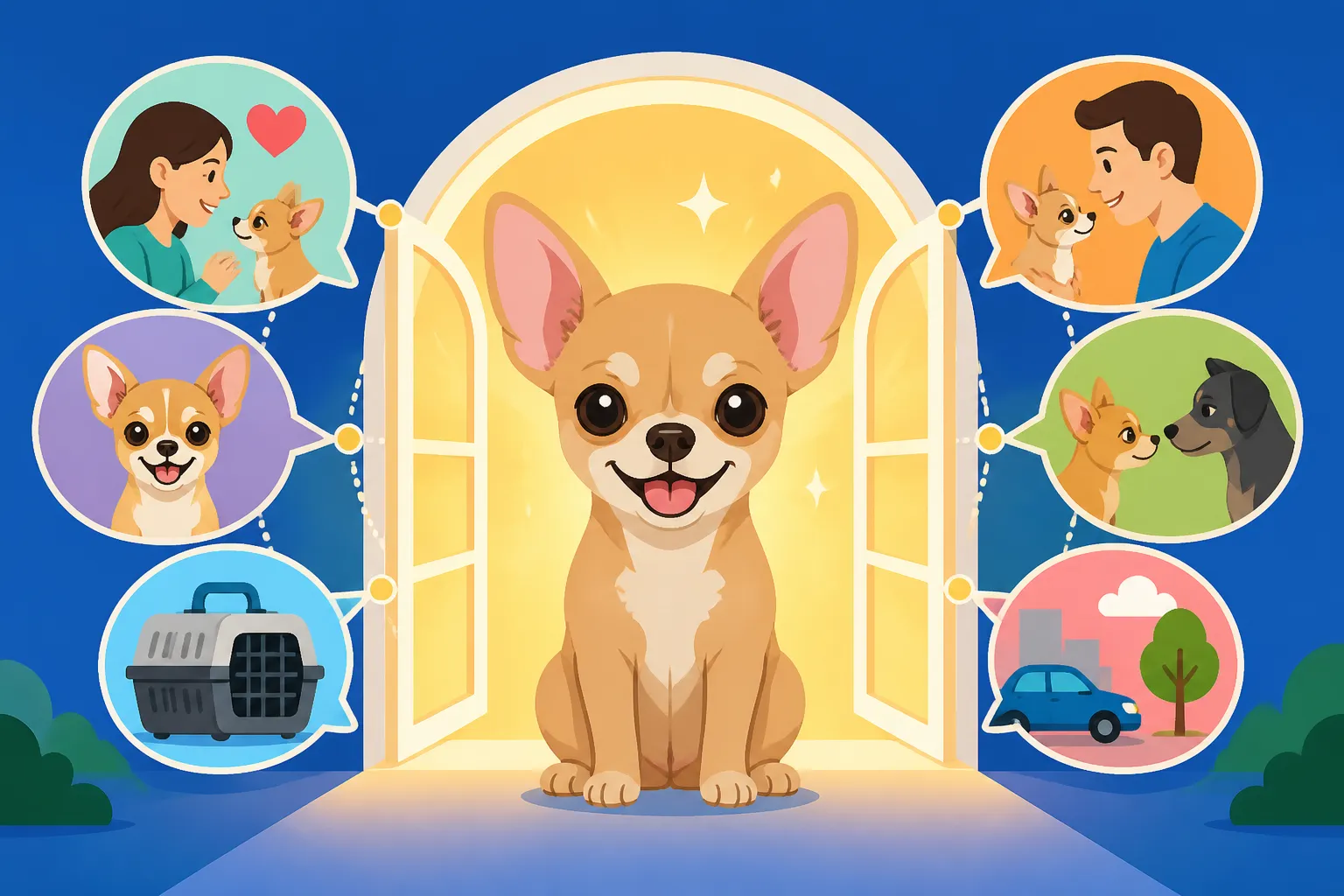
The key words here are "controlled" and "positive." You want to introduce your puppy to a wide variety of people, sights, sounds, and textures, but always in a way that creates a positive association. This means short, sweet, and rewarding experiences.
- People: Introduce your puppy to people of all ages, sizes, and appearances – men with hats, women with scarves, children (under strict supervision, teaching them how to gently interact), people using wheelchairs or canes. Always ensure these interactions are calm and gentle. A small treat or a soft word from the person can make all the difference. Introducing a Chihuahua to Bigger Dogs Safely also applies to people; it's all about positive, safe encounters.
- Other Dogs: This is critical but needs to be handled with extreme care. Opt for calm, well-vaccinated adult dogs you know and trust, preferably of a similar size or very gentle larger dogs. Avoid dog parks or uncontrolled environments where your tiny pup could be easily intimidated or injured. Puppy classes that specifically group Chihuahuas with other toy breeds can be excellent, providing a safe space for them to learn appropriate play. If you're nervous about group settings, online courses like those from BAXTER & Bella can guide you through structured, safe socialization experiences in your own home or backyard, letting you control every aspect of the introduction.
- Sounds and Sights: Expose your puppy to everyday sounds like vacuum cleaners, doorbells, children playing, traffic, and sirens. You can do this by playing sound desensitization tracks online (a quick search on Amazon will bring up many options) or simply by having these things happen naturally in a non-threatening way. Take them for short car rides, carry them in a secure Chihuahua Carriers and Travel Bags through busy areas (keeping them safe from germ exposure until fully vaccinated), and let them observe from a distance.
- Surfaces and Textures: Let your puppy walk on grass, pavement, carpet, tile, wood floors, and even crinkly tarps. Introduce them to umbrellas, plastic bags, and different types of fabric. The more varied the experiences, the more adaptable they'll become.
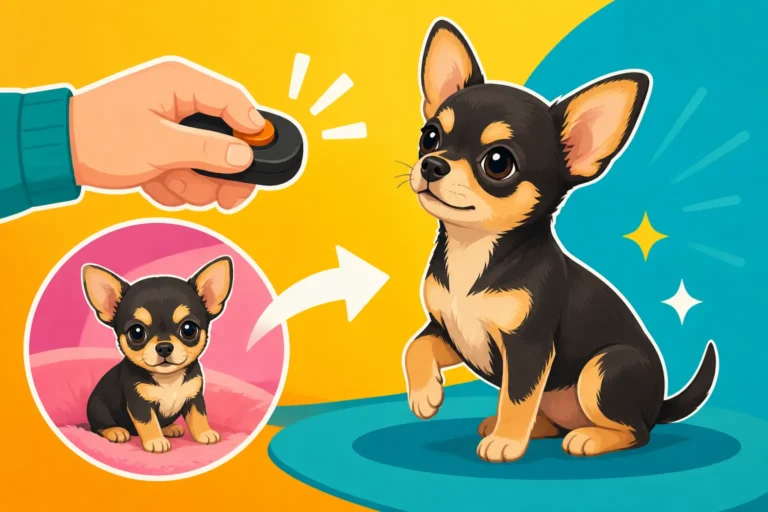
Remember to always have high-value treats on hand. If your puppy shows any sign of fear or discomfort, don't force the interaction. Instead, move them away, give them a treat, and try again later with less intensity or from a greater distance. The goal is positive association, not overwhelming them.
Safety First for Your Tiny Companion
Given their small size, safety is a primary concern during socialization. A Chihuahua can be easily stepped on, injured by a larger, boisterous dog, or overwhelmed in a crowded environment.
- Vaccination Status: Until your puppy has completed their full vaccination series, typically around 16 weeks, they are vulnerable to serious diseases like parvovirus. This means avoiding public places like dog parks, pet stores, or areas where many unvaccinated dogs might frequent. Stick to private, controlled environments with known, healthy, vaccinated dogs. Your vet can provide specific guidance on safe outing times. Chihuahua Vaccination and Anesthesia at Toy Size is a good resource for understanding their unique needs.
- Secure Harnesses and Carriers: A well-fitting harness is essential for walks, protecting their delicate trachea from collar pressure. Harnesses That Spare a Chihuahua Windpipe are specifically designed for this. When introducing your pup to busier environments, a secure, comfortable carrier is invaluable. It allows them to observe the world from a safe vantage point without being trodden on or feeling vulnerable on the ground. You can find a wide range of suitable, travel-friendly carriers on sites like Amazon.
- Supervision is Non-Negotiable: Never leave your Chihuahua puppy unsupervised with other animals or young children, even for a moment. Accidents can happen quickly. Teach children how to gently interact with a small dog, emphasizing calm hands and respecting the dog's space. Chihuahuas Around Toddlers and Rough Hands emphasizes the importance of supervision and education.
- Short and Sweet Sessions: Chihuahuas have short attention spans and can get tired easily. Keep socialization sessions brief – 5 to 10 minutes at a time – and end on a positive note before your puppy gets overwhelmed or exhausted.
Addressing Missed Windows and Ongoing Socialization
What if you rescued an older Chihuahua, or your puppy missed out on crucial early experiences? Don't despair! While the critical window closes, socialization is a lifelong process, and you can absolutely help your dog become more confident and less fearful.
Rescuing an Under-Socialized Adult
Many adult Chihuahuas end up in shelters precisely because of behavioral issues stemming from a lack of early socialization. Why So Many Chihuahuas Sit in Shelters highlights this unfortunate reality. If you've adopted an adult Chihuahua who is fearful or reactive, your approach will shift from proactive exposure to careful desensitization and counter-conditioning.
- Go Slow: The biggest mistake is to rush things. Start with what your dog can handle. If they're scared of strangers, begin by having people stand at a distance where your dog notices them but isn't reacting, then reward with high-value treats. Gradually decrease the distance over many sessions.
- Positive Associations: Every new experience, no matter how small, should be paired with something incredibly positive. Think delicious treats, favorite toys, or gentle praise. The goal is to change their emotional response from "scary!" to "this means good things!"
- Professional Help: For significant fear or aggression, working with a certified professional dog trainer or veterinary behaviorist is highly recommended. They can create a tailored plan and guide you through the process safely and effectively. Online training platforms, such as BAXTER & Bella, offer resources and personalized coaching that can be particularly useful for tackling specific fears in a controlled home environment.
- Patience and Empathy: This process takes time, patience, and a deep understanding of your dog's needs. Remember, their reactions often come from a place of fear, not malice. Validate their feelings while gently guiding them toward more positive responses.
Socialization is a Lifelong Journey
Even a perfectly socialized puppy needs ongoing exposure to maintain their confidence. Life changes, and dogs can regress if they don't continue to have positive experiences.
- Regular Outings: Continue taking your Chihuahua on short, positive outings to different places. A walk around a new block, a visit to a quiet pet-friendly store (where they can ride in a stroller or carrier if needed), or a friend's house are all great opportunities.
- Maintain Skills: Keep up with basic obedience training, reinforcing good behavior and confidence. The Commands Every Chihuahua Should Know are fundamental. These skills become invaluable tools for managing situations when out and about.
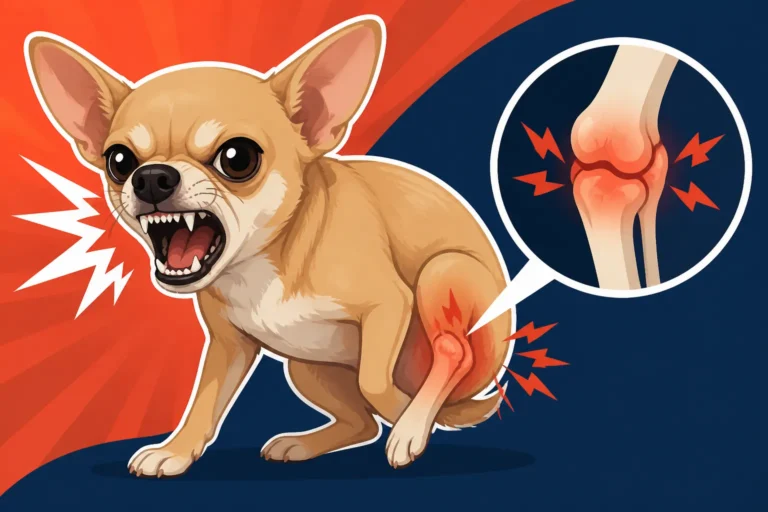
- Monitor for Changes: Pay attention to any shifts in your Chihuahua's behavior. A sudden increase in fear or reactivity could be a sign of pain or an underlying medical issue, especially in a breed prone to conditions like Patellar Luxation, the Chihuahua's Commonest Joint Problem or Chihuahua Dental Disease in a Crowded Small Jaw. A vet check-up is always a good idea if you notice an abrupt change.
- Enrichment: Provide plenty of mental and physical enrichment at home. Puzzle toys, training games, and interactive play keep their minds sharp and help them cope with stress. A confident, happy dog is usually a well-socialized one.
No matter how old your Chihuahua is, it’s never too late to work on building their confidence and helping them feel more at ease in the world. It’s a journey, not a destination, and every small step forward is a victory.
| Age Range (Weeks) | Key Focus | Examples of Activities | Important Considerations |
|---|---|---|---|
| 3-8 | Initial Sensory Exposure & Litter Learning | Gentle handling by family, exposure to household sounds, various safe surfaces, supervised interaction with dam/litter | Focus on positive, very brief, controlled experiences. Avoid overwhelming. |
| 8-12 | Core Socialization & Fear Period | Introduce trusted, vaccinated dogs/people, car rides, vet visits, puppy classes (toy-breed specific), new sounds/sights | Crucial period for forming lasting impressions. Avoid negative experiences. Prioritize positive reinforcement. |
| 12-16 | Expanding Experiences & Reinforcement | More varied environments (safe public places after full vaccines), continue meeting diverse people/dogs, handling practice | Solidify positive associations. Build confidence with gentle challenges. Continue structured training. |
| 16+ | Ongoing Socialization | Regular outings, continued exposure to new stimuli, maintenance of positive experiences, advanced training | Lifelong process. Reinforce positive experiences. Address any new fears with desensitization. |
Disclaimer
This article is for general informational purposes only and does not constitute professional advice. Laws, prices and regulations vary by location and change over time. Consult a qualified professional for guidance on your specific situation.