Chihuahua Barking in an Apartment Building
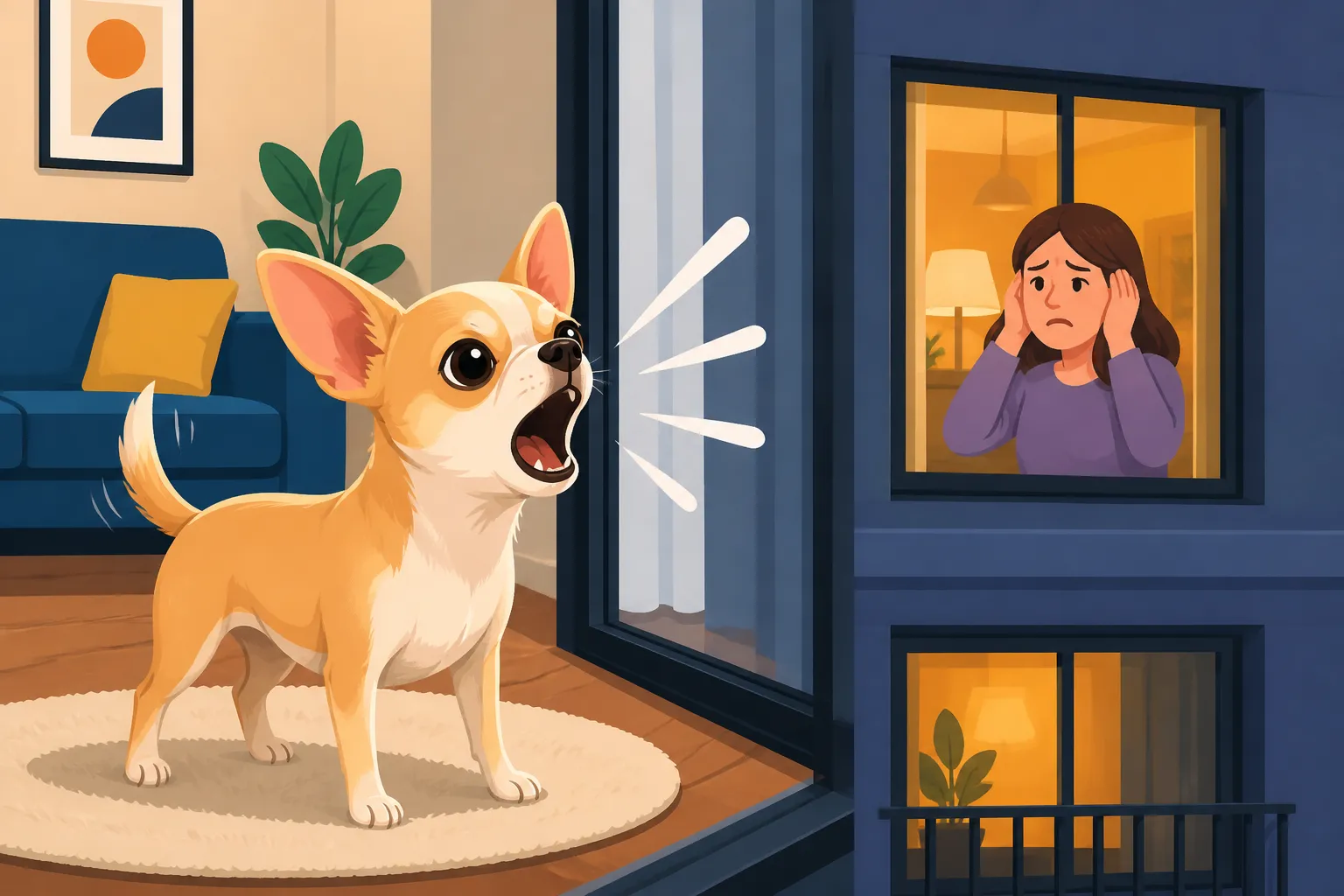
Living in an apartment with a Chihuahua can be a dream for many – a tiny companion perfectly suited to small spaces. However, that dream can quickly turn into a nightmare when your little dog decides to become the neighborhood's official alarm system, barking at every creak, conversation, and delivery person through shared walls. This guide is designed to help you understand why your Chihuahua might be barking excessively in an apartment setting and, more importantly, equip you with practical, empathetic strategies to quiet the chorus and restore peace to your home and your neighbors' ears.
Why Chihuahuas Bark So Much in Apartments
Chihuahuas are often thought of as yappy little dogs, and while that's an unfair stereotype that doesn't apply to every Chihuahua, they do have a strong inclination to use their voice. It's not out of spite or naughtiness; it's deeply rooted in their nature and amplified by the unique environment of apartment living.
The Chihuahua's Alert Nature
Our tiny companions were originally bred to be vigilant little watchdogs. They're keenly aware of their surroundings, often more so than larger, more placid breeds. This means they are naturally predisposed to alert you to anything they perceive as new, unusual, or a potential threat. Think of it this way: their small size means they can't rely on intimidation, so their voice becomes their primary defense and communication tool. When you hear a bark, your Chihuahua isn't just making noise; they're communicating. They're saying, "Hey! Something's happening! Are you seeing this?!" or "Stranger danger!" This inherent alertness is why they make such great companions, always tuned into your presence and surroundings, but in an apartment, it can quickly become overwhelming. The constant barrage of new stimuli – from the neighbor's footsteps to the garbage truck down the street – can keep their alert system in overdrive. The Chihuahua Alertness the Standard Calls Terrier-Like perfectly captures this spirit.
Amplified Sounds in Apartment Living
One of the biggest challenges of apartment life for a Chihuahua owner is the sheer volume of ambient noise and the way it travels. What might be a faint rustle in a detached house becomes a clear, distinct sound through thin apartment walls or shared hallways. Every door opening, every conversation, every elevator ding, and every dog walking past your unit can sound like an invasion to your sensitive Chihuahua. Their keen hearing, combined with the lack of physical barriers that a house might offer, means they are constantly processing input. Imagine living in a world where every single sound around you feels like it's happening right inside your personal bubble. It's easy to see how a Chihuahua, doing its natural job of being a watchdog, can become overwhelmed and resort to constant barking to address these perceived intrusions.
Feeling Vulnerable in a Big World
Let's be honest: a Chihuahua is a tiny creature in a world full of big feet, big sounds, and big everything. Their small stature can contribute to a sense of vulnerability, especially if they haven't been properly socialized or if they've had negative experiences. In an apartment building, they might feel exposed, without a vast territory to retreat into or multiple rooms to hide from unfamiliar noises. This feeling of vulnerability can manifest as defensive barking. They might bark not just to alert you, but out of genuine fear or anxiety. It's their way of trying to make themselves seem bigger and more formidable, hoping to scare away whatever unknown entity is making that noise on the other side of the door or wall. This isn't "small dog syndrome" in the sense of being spoiled; it's a primal instinct to protect themselves and their perceived territory when they feel outmatched. Small Dog Syndrome and Why It Is Not Genetic delves deeper into these misconceptions.
Identifying the Triggers for Apartment Barking
Before you can tackle the barking, you absolutely have to become a detective. What exactly is setting your Chihuahua off? It's rarely "everything" and usually boils down to specific, identifiable triggers. Pinpointing these helps you create targeted solutions instead of just generally hoping they'll be quieter.
Sounds Through Walls and Doors
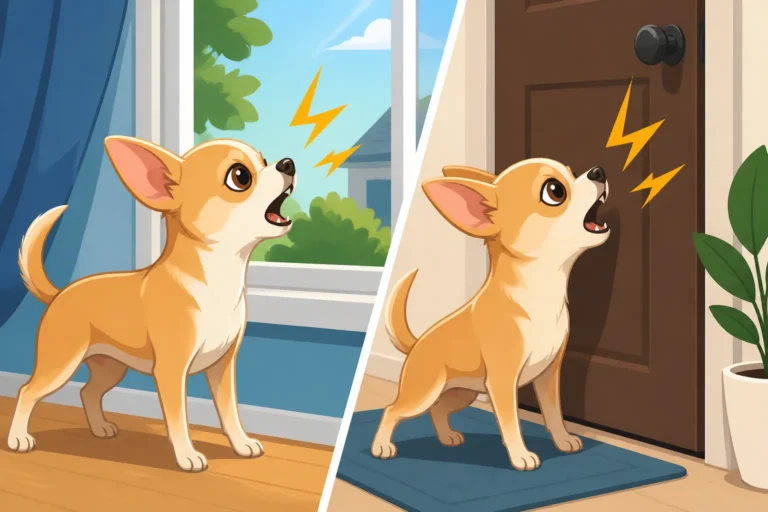
This is arguably the most common culprit in apartment barking. Chihuahuas are highly sensitive to auditory cues. It could be the neighbor's dog barking, the clatter of someone walking past your door, the distinct chime of the elevator, or even conversations happening in the hallway or the unit next door. Pay close attention to when the barking starts. Does it happen precisely when a neighbor leaves for work each morning? Is it triggered by the postal service walking down the hall, or a delivery driver ringing a different doorbell on the floor? Sometimes, it's not even a loud noise; a subtle shuffle or a faint voice can be enough to set off your Chihuahua's alert system. Keep a mental log, or even a literal notepad, to track these instances. You might find a pattern you never noticed before.
Visual Triggers from Windows
Chihuahuas love to survey their kingdom, and a window often provides the perfect vantage point. Unfortunately, in an apartment, this "kingdom" often includes a busy street, other tenants, delivery trucks, squirrels, or even just shadows moving across the glass. If your Chihuahua spends a lot of time perched on a sofa or windowsill, they're likely reacting to the visual parade outside. This visual stimulation can be just as potent as auditory triggers, constantly telling them "there's something out there!" which necessitates a bark. They might see a person walking a dog across the street, or a child playing in the courtyard, and decide it's their duty to announce it. Why a Chihuahua Barks at Everything Outside might offer further insights into this.
Routine-Based Barking
Sometimes, the barking isn't about a sudden noise or sight, but a predictable event. This can be the dreaded "leaving the house" bark, a manifestation of Chihuahua Separation Anxiety and Time Alone, where they bark as soon as they realize you're getting ready to go. It could also be barking that anticipates a specific daily event, like the garbage truck on Tuesday mornings or the sound of your partner's car pulling into the parking lot. These routine-based barks often stem from either anxiety (when you leave) or over-excitement and anticipation (when something exciting like a walk or your return is imminent). Understanding these patterns helps you intervene before the barking starts, by changing the routine or redirecting their focus.
Practical Strategies for Quieting Apartment Barking
Once you know what triggers your Chihuahua, you can start implementing specific strategies. This isn't about silencing them entirely – a little alert bark is fine – but about managing excessive, nuisance barking that disrupts your life and your neighbors'.
Environmental Management
Sometimes, the simplest solutions involve changing the environment. If visual triggers are a problem, consider Window Film and Blocking a Chihuahua's View. You can find decorative or frosted films on Amazon that allow light in but obscure the view. For sounds, consider white noise machines or quiet music to mask hallway noises. A fan can also provide a consistent hum. Strategically placing your Chihuahua's crate or bed away from the front door or noisy walls can also help create a quieter, more secure den for them. If your Chihuahua barks at every sound in the hallway, moving their main resting spot to a more interior room, or even simply turning their crate away from the door, can make a significant difference.
Training and Redirection
This is where consistency is key. Teach a "quiet" command by rewarding silence. When your Chihuahua barks, let them get one or two barks out (to acknowledge their alert), then say "Quiet!" and present a high-value treat. As soon as they stop barking to sniff the treat, reward them. Repeat this many, many times. Gradually, they'll associate "quiet" with a reward. You can also use redirection: when a trigger appears, immediately engage your Chihuahua with a favorite toy or a puzzle feeder. This shifts their focus from the trigger to something engaging and rewarding. For comprehensive online training resources, especially for puppies, BAXTER & Bella offers programs that can help instill good habits early on, covering everything from basic obedience to more advanced commands that help manage reactivity. Giving a Chihuahua an Alternative to Barking is a fantastic strategy here; instead of barking, teach them to go to their bed or bring you a toy.
| Trigger Type | Example Scenario | Strategy | Tools/Resources |
|---|---|---|---|
| Auditory | Neighbors walking past door, elevator sounds | Masking sounds, desensitization | White noise machine, fan, music, door sweeps, soundproofing panels (from Amazon), treats for "quiet" command |
| Visual | People/dogs outside window, shadows | Block view, manage access | Window film, opaque curtains/blinds, baby gates to block window access, change of furniture arrangement |
| Anticipatory | Owner leaving, mail delivery time | Change routine, counter-condition | Puzzle toys, long-lasting chews given before trigger, staggered departure cues, BAXTER & Bella training for separation anxiety |
| Fear/Anxiety-Based | Loud noises, new people in hallway | Build confidence, create safe space, desensitize | Crate training, calming supplements (vet recommended), positive reinforcement with treats, professional trainer guidance |
Exercise and Mental Stimulation
A tired Chihuahua is a quieter Chihuahua. While they are small, they still need mental and physical exercise. A quick scamper in the yard or a short walk around the block might not be enough. Engage them with indoor games like fetch, hide-and-seek with treats, or interactive puzzle toys. These activities provide mental stimulation, which can be just as tiring as physical exertion. A Chihuahua that has had its mind and body exercised is less likely to be on high alert for every little noise. Daily walks, even short ones, are crucial for allowing them to sniff and explore, fulfilling their natural instincts. If weather is an issue, remember that there are many toys available on Amazon that can keep a Chihuahua entertained indoors, from snuffle mats to treat-dispensing balls.
When to Seek Professional Help
Sometimes, despite your best efforts, the barking persists or worsens. It’s important to know when it’s time to call in the cavalry and ensure there aren't underlying issues.
Recognizing Problematic Barking
How do you know if it's "normal" Chihuahua alertness versus problematic barking? Problematic barking is typically:
- Excessive: It lasts for extended periods, despite your attempts to redirect or quiet them.
- Incessant: It happens constantly throughout the day, not just at specific triggers.
- Uncontrollable: Your Chihuahua simply cannot be deterred, even with their favorite treats or toys.
- Accompanied by other signs: Pacing, panting, destructive behavior, house-soiling, or self-harm (like licking paws raw) can indicate anxiety.
- Causing distress: For you, your neighbors, or even the dog itself.
If you're constantly walking on eggshells, dreading apartment living, or receiving complaints, it's time to acknowledge that the problem might be bigger than you can handle alone.
Consulting a Professional Trainer or Behaviorist
If you've tried all the environmental and basic training techniques and still aren't seeing significant improvement, a professional dog trainer or a certified veterinary behaviorist can be invaluable. They can assess your specific situation, observe your Chihuahua's behavior, and help you identify subtle triggers or underlying anxieties you might have missed. They can also provide a tailored training plan, often involving desensitization and counter-conditioning techniques to help your Chihuahua form positive associations with previously scary or exciting triggers. Finding a Trainer Who Takes a Chihuahua Seriously is a critical step; look for someone who understands toy breed dynamics and uses positive reinforcement methods. Many trainers offer virtual consultations, which can be particularly convenient for apartment dwellers.
Medical Causes for Barking
It's always a good idea to rule out any medical reasons for a sudden increase or change in barking behavior. Pain, discomfort, or certain medical conditions can cause a dog to vocalize more. For example, a Chihuahua might bark due to pain from Chihuahua Arthritis in the Teenage Years or discomfort from Collapsing Trachea and the Chihuahua Honking Cough. Heart conditions, such as Chihuahua Heart Disease as the Breed Ages, can also lead to coughing that sounds like a bark or increased anxiety. A trip to your veterinarian can help identify or rule out any physical issues. They might suggest blood tests, X-rays, or other diagnostics to ensure your Chihuahua isn't barking because they're genuinely unwell or in pain. Addressing any underlying health issues can often resolve or significantly reduce barking.
Disclaimer
This article is for general informational purposes only and does not constitute professional advice. Laws, prices and regulations vary by location and change over time. Consult a qualified professional for guidance on your specific situation.