Chihuahua Behavior Shifts That Mean a Knee Hurts
It’s heartbreaking to watch your tiny companion struggle, and when you notice shifts in their usual happy-go-lucky demeanor, it often feels like a punch to the gut. Many Chihuahua owners eventually face the frustrating and often confusing challenge of subtle behavioral changes that signal an underlying physical issue, particularly pain in their little knees. This guide is here to walk you through those often-missed cues, help you understand what might be going on, and empower you to advocate for your Chihuahua's comfort and well-being.
Understanding Patellar Luxation in Chihuahuas
When your Chihuahua suddenly starts acting "off," it's easy to jump to conclusions about behavior. But often, especially with toy breeds, physical discomfort is the root cause. One of the most prevalent orthopedic issues that can drastically alter a Chihuahua's behavior is patellar luxation, more commonly known as a "slipping kneecap." It’s not just an occasional limp; it can be a constant source of low-grade pain that changes their entire world.
What Patellar Luxation Actually Is
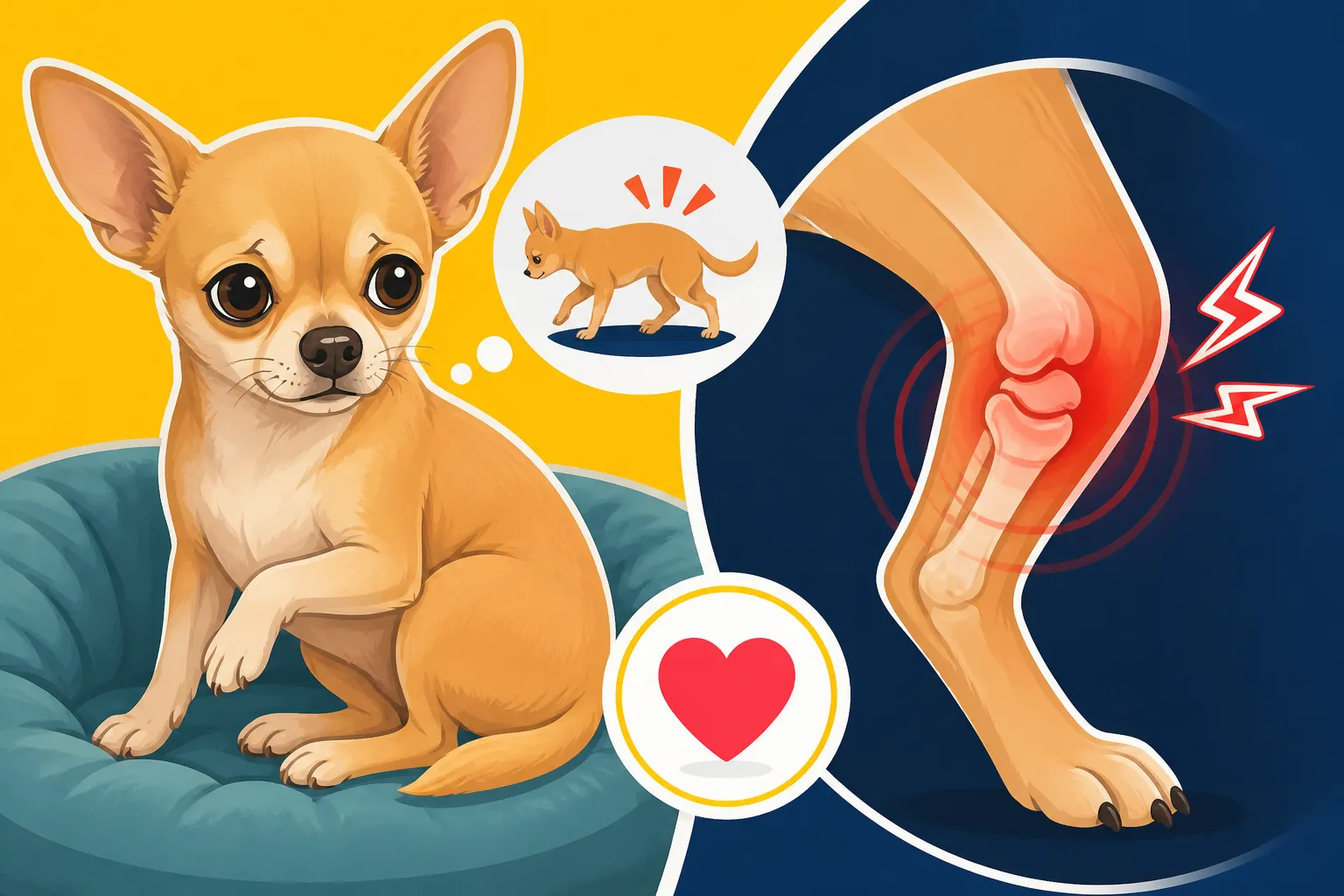
Imagine your own kneecap. It's supposed to sit neatly in a groove at the end of your thigh bone (femur), gliding smoothly up and down as you bend and straighten your leg. Now imagine if that kneecap decided to pop out of its groove every now and then, or even stay out all the time. That’s essentially what happens with patellar luxation in a Chihuahua. Their kneecap (patella) dislocates or slips out of its normal position, usually to the inside (medial luxation), but sometimes to the outside (lateral luxation). This condition is largely genetic, meaning it’s something they’re often born with, even if the symptoms don't show up until later in life, sometimes after a minor injury or just with age and wear and tear.
The impact of this slipping can range from momentary discomfort to chronic, debilitating pain. When the kneecap slips, it can rub against other bones, stretch ligaments, and cause inflammation. Over time, this constant friction and instability can lead to significant cartilage damage, bone spurs, and ultimately, severe arthritis. For a dog that weighs only a few pounds, this structural issue in such a critical joint can profoundly affect their ability to move, play, and even just stand comfortably. Many owners initially miss the signs because Chihuahuas are masters at hiding pain, often trying to appear brave or simply learning to compensate in ways that aren't immediately obvious.
The Different Grades of a Slipping Kneecap
Patellar luxation isn't a one-size-fits-all problem; it's categorized into four grades, each describing the severity of the kneecap's dislocation. These grades are crucial because they directly correlate with the kind of discomfort your Chihuahua might be experiencing and the behavioral changes you’ll observe. A veterinarian typically diagnoses these grades through a physical examination, feeling how easily the kneecap can be moved in and out of its groove.
A Grade I luxation is the mildest form. Here, the kneecap can be manually slipped out of its groove, but it pops right back into place on its own. Your Chihuahua might occasionally skip a step or hold up a leg for a moment, but often, they show very few consistent signs of pain, and you might only notice it when they're particularly excited or after strenuous play. This is often where owners first observe The Skipping Gait That Signals a Chihuahua Knee. As the condition progresses to Grade II, the kneecap slips out more readily and might not always return to its normal position on its own; your dog might shake their leg or extend it to try and pop it back in. This is where subtle behavioral changes become more noticeable.
Grade III means the kneecap is out of its groove most of the time but can still be manually put back into place by a vet, though it will slip out again almost immediately. At this stage, your Chihuahua will likely experience chronic pain and a consistent limp, and their behavior will definitely start to shift due to ongoing discomfort. Finally, Grade IV is the most severe, where the kneecap is permanently dislocated and cannot be manually put back into place. Dogs with Grade IV luxation often have severely deformed legs, struggle to bear weight, and experience constant, significant pain. Understanding these grades helps you understand the severity of the underlying issue when you're observing your dog's behavior. For more detail, you can read about The Four Grades of a Slipping Chihuahua Kneecap.
Here’s a quick overview of how the grades often manifest in terms of typical observations:
| Grade of Luxation | Description of Kneecap | Common Behavioral/Physical Signs |
|---|---|---|
| Grade I | Slips out, pops back easily (manual) | Occasional skip, momentary limp, subtle discomfort after activity. |
| Grade II | Slips out readily, may stay out (manual or spontaneous) | Frequent skipping, holds leg up more often, shakes leg to "reset," reluctance for some movements. |
| Grade III | Out most of the time, can be manually reduced (but slips back) | Consistent limp, chronic pain, altered gait, noticeable reluctance to jump/run. |
| Grade IV | Permanently dislocated, cannot be reduced (manual) | Severe lameness, deformed leg, significant pain, difficulty walking, altered posture. |
Subtle Behavioral Cues of Knee Pain
Chihuahuas are notoriously stoic, and sometimes their pain expresses itself in ways that might not immediately scream "injury." Instead of a dramatic yelp or obvious limp, you might see small, nuanced changes in their daily habits and demeanor. Learning to spot these subtle cues is key to catching patellar luxation early and getting your little one the help they need.
Changes in Movement and Gait
One of the first places to look for signs of knee pain is in how your Chihuahua moves. It’s not always a full-blown limp that’s easy to spot. Instead, you might notice a subtle "skipping" step, where they pick up one hind leg for a few steps, then put it down and walk normally again. This is often their way of "resetting" the kneecap if it’s briefly popped out. It might happen more when they’re excited or first getting up from a nap. They might also shift their weight unevenly, favoring one side, or hold their tail a bit differently to compensate for discomfort. You might see them stand with their hind legs slightly tucked under them, trying to alleviate pressure on the affected joint.
Beyond the skipping, look for a general hesitancy. Does your Chihuahua used to rocket off the couch but now pauses, maybe even whines a little, before launching? Do they avoid stairs they once navigated with ease? Perhaps they're not jumping onto your lap as readily, preferring to wait until you pick them up or find a lower spot. They might also shorten their strides or walk with a stiffer back leg. These aren't just signs of aging; they can be very clear indicators of discomfort. If you're seeing a consistent pattern, even if it's just a slight adjustment, it's worth noting.
Reluctance Towards Previous Activities
A Chihuahua in pain will often start to avoid activities they once loved. This isn't them being "lazy" or "stubborn"; it's a protective mechanism. If your little firecracker used to chase balls for hours but now gives them a half-hearted sniff and then wanders off, that's a red flag. Perhaps they adored their daily walks but now drag their feet, try to turn back early, or constantly stop to rest. They might even refuse to go outside for potty breaks if it involves navigating uneven terrain or cold pavement that aggravates their joints.
Consider their play style. Did they love rough-housing with another dog, but now they back away or snap when approached too boisterously? This isn't a sudden personality change but a manifestation of their fear that play will cause pain. They might still play, but it will be a modified version – less jumping, less running, more gentle tugging or sedate sniffing games. They might retreat to their bed more often, or choose a quiet corner instead of being in the middle of family activity. This retreat from engaging activities is a significant behavioral shift that signals they are not feeling their best physically. If you're concerned about preserving their joint health, you'll find helpful advice in Keeping a Chihuahua Off Furniture to Protect Knees and Ramps and Steps for a Chihuahua Sofa.
Altered Interaction with Family and Pets
Pain can make even the sweetest Chihuahua grumpy. If your usually affectionate dog suddenly snaps when you try to pick them up or recoils from a gentle pet along their back or hindquarters, it's a strong indicator of pain. They're not being mean; they're trying to communicate that touch in that area hurts. They might become less tolerant of children or other pets, especially if those interactions involve sudden movements or accidental bumps. A painful dog might seek solitude more often, preferring to curl up alone rather than cuddle on the couch, not because they don't love you, but because the pressure or jostling is uncomfortable.
Conversely, some Chihuahuas might become more clingy, seeking constant reassurance and comfort from their favorite human. They might follow you around more closely, lie right at your feet, or even try to climb into your arms more frequently, almost as if asking for help. They might exhibit "whale eye" – showing the whites of their eyes – if you approach them in a way that suggests you might touch their sore spot. These shifts in social behavior are often heartbreaking for owners because they feel personal, but it's crucial to remember that they are often a direct result of physical discomfort rather than a change in their affection for you. Observing these changes gives you important clues about their internal state.
More Overt Signs of Discomfort and Pain
While Chihuahuas are masters of subtle communication, persistent or worsening knee pain will eventually lead to more obvious signs that are harder to ignore. These are often the behaviors that finally prompt owners to seek veterinary help, as they clearly indicate significant discomfort.
Vocalizations and Physical Reactions to Touch
When the pain becomes too much to bear, your Chihuahua might start vocalizing their distress. This could manifest as a sudden yelp or cry if they move a certain way, or if you accidentally touch their leg or hip area. Sometimes, it's a low growl or a whimper when they're trying to settle down, or a sigh of discomfort as they shift positions. They might even cry out when they're picked up, especially if their hindquarters are supported incorrectly. This isn't just a fleeting reaction; it's a clear signal that something hurts significantly.
Beyond vocalizations, watch for physical flinching or tensing when you approach or attempt to touch them. A Chihuahua in pain might pull their leg away quickly, or even try to nip if they anticipate pain. They might tremble more than usual, even when not cold or scared, which can be a sign of constant muscle tension from compensating for pain. Their muscles around the knee and hip might feel tight or warm to the touch due to inflammation. If you notice them suddenly crying out after a small jump or a misstep, it’s a critical sign that their knee is really bothering them, especially if they then hold that leg up for an extended period. A Chihuahua That Cries Out and Then Walks On is a classic sign of this.
Licking, Chewing, and Guarding the Leg
Dogs instinctively try to soothe themselves when they’re in pain, and one common way Chihuahuas do this is by licking or chewing at the painful area. If you notice your dog excessively licking, grooming, or even chewing at one of their hind legs, particularly around the knee or hip, it’s a strong indicator of localized pain or irritation. This can sometimes lead to "lick granulomas" – raw, inflamed patches of skin – from constant attention. The licking isn't just a bad habit; it's a persistent effort to alleviate their discomfort.
In addition to licking, a painful Chihuahua might start to "guard" their leg. This means they might keep it tucked under them, avoid extending it, or react defensively if you try to examine it. They might even shift their body away from you if you move too close to the affected side, signaling that they don't want that area touched. You might see them hold the leg up, completely refusing to put weight on it for several minutes or even longer, especially after activity. This guarding behavior is a clear communication that the limb is sensitive and hurting, and they are trying their best to protect it.
Appetite and Potty Training Changes
Chronic pain can absolutely affect a Chihuahua's appetite. If your dog, who usually cleans their bowl in seconds, suddenly becomes a picky eater or leaves food behind, pain could be a factor. The discomfort might make them feel nauseous, or simply decrease their overall desire to eat. They might also find it uncomfortable to stand over a food bowl for extended periods, preferring to lie down while nibbling. This loss of appetite is a serious concern for a small breed like a Chihuahua, as they need a consistent intake of calories to maintain their energy and health.
Potty training regressions are another common, but often misunderstood, sign of physical pain. A Chihuahua who was perfectly house-trained might start having accidents inside the house. This isn't necessarily a behavioral problem; it could be that the act of going outside, climbing a step, or even squatting to urinate or defecate is causing them significant pain. They might try to hold it in, leading to accidents, or simply find it too painful to get into the proper position outdoors. They might also avoid going to their usual potty spot if it requires navigating uneven ground or a long walk. If your impeccably trained Chihuahua suddenly starts having accidents, especially if accompanied by other signs of discomfort, don't just assume it's behavioral – investigate for physical pain.
Why Chihuahuas Hide Pain and What to Watch For
It's truly a puzzle why our beloved Chihuahuas are so good at stoicism, especially when they're hurting. This tendency to hide pain is not unique to Chihuahuas but is deeply ingrained in canine psychology. Understanding why they do it can help you become a more perceptive owner, picking up on those subtle cues before the pain becomes overwhelming.
The Instinct to Mask Weakness
In the wild, showing weakness or pain makes an animal vulnerable to predators. While our Chihuahuas live pampered lives in our homes, far removed from the natural dangers of their ancestors, this deep-seated instinct to appear strong and healthy still persists. A dog that is limping or vocalizing pain might historically have been targeted by predators or ostracized by their pack. This is why many dogs, especially those with a strong prey drive or those in multi-pet households, will try to mask their discomfort for as long as possible. For Chihuahuas, with their small stature, this instinct can be even stronger; they've often had to contend with a world built for much larger creatures, where appearing vulnerable could mean being overlooked or stepped on.
This instinct means that by the time a Chihuahua is overtly limping, crying out, or showing obvious signs of distress, they are often in significant pain. They've likely been dealing with the discomfort for quite a while, quietly trying to compensate and manage it on their own. This makes it incredibly important for us as owners to be vigilant, to know our dogs' normal behaviors inside and out, and to pay close attention to the small deviations. Don't wait for a dramatic collapse; look for the slight shift in weight, the missed jump, the quiet withdrawal, or the less enthusiastic greeting. These are their silent calls for help.
The Danger of Misinterpreting "Stubbornness"
One of the biggest pitfalls for Chihuahua owners when their dog is in pain is misinterpreting their behavior as "stubbornness," "laziness," or even "bad behavior." When your Chihuahua suddenly refuses to go for a walk, or won't jump on the sofa, it's easy to think they're being difficult or trying to assert dominance. However, for a small dog, often perceived as fragile or overly pampered, these behaviors are almost always rooted in fear, anxiety, or physical pain. A dog that is "stubborn" about walking might actually have a painful knee that makes going further impossible. A dog that "refuses" to jump on the bed might simply find the impact too jarring on their joints.
Dismissing these changes as mere behavioral quirks delays diagnosis and prolongs your Chihuahua's suffering. If your dog has always been active and engaged, and suddenly becomes withdrawn, irritable, or resistant to certain activities, it's highly unlikely they've just decided to be difficult. Instead, approach the situation with empathy and assume there's an underlying cause. Think about it from their perspective: if every step brings a twinge of pain, or every touch is uncomfortable, their world shrinks, and their willingness to engage diminishes. What looks like stubbornness is often a desperate attempt to protect themselves from further pain. This is why Small Dog Syndrome and Why It Is Not Genetic highlights the importance of not excusing undesirable behaviors, but rather understanding their root cause, which is frequently pain or fear.
Taking Action: When to Consult Your Vet
Once you've started noticing these subtle (or not-so-subtle) changes in your Chihuahua's behavior, the next, and most crucial, step is to consult your veterinarian. Don't try to self-diagnose or wait it out. Early intervention can make a world of difference in managing patellar luxation and improving your dog's quality of life.
Preparing for a Veterinary Examination
When you call your vet, be ready to describe exactly what you've been observing. Keep a log or make notes about the specific behaviors, when they started, how often they occur, and what seems to trigger them. For example: "Fido started skipping his left hind leg two weeks ago, mostly in the mornings after he gets off the bed. He also sometimes cries out if I pick him up from under his tummy." Mention if he's licking his leg, if his appetite has changed, or if he's become less tolerant of other pets. The more detail you can provide, the better equipped your vet will be to conduct a thorough examination.
During the appointment, your vet will perform a physical orthopedic exam, feeling your Chihuahua's knees, hips, and spine for any signs of instability, pain, or grinding. They will likely manipulate the kneecap to check for luxation and assess the severity. X-rays are also common to evaluate the bone structure, look for signs of arthritis, and confirm the diagnosis. Don't be afraid to ask questions. Understand the grade of luxation, the potential long-term implications, and all available treatment options, from conservative management (pain medication, supplements, physical therapy) to surgical repair. Discussing Patellar Luxation, the Chihuahua's Commonest Joint Problem with your vet is a good starting point.
Supporting Your Chihuahua at Home
While you wait for your vet appointment or implement their recommended treatment plan, there are several things you can do at home to support your Chihuahua and ease their discomfort. First and foremost, modify their environment to minimize jumping and strenuous activity. Provide ramps or steps for beds and sofas, easily found on platforms like Amazon, so they don't have to jump down. Ensure their food and water bowls are at a comfortable height. Limit walks to shorter, gentler strolls, and avoid rough play with other dogs for a while.
Maintain a comfortable, warm living space, as cold can exacerbate joint pain. Consider an orthopedic bed that provides good support. If your vet suggests pain medication or joint supplements, administer them diligently. Remember, consistency is key. For mental stimulation without physical strain, engage your Chihuahua with puzzle toys or gentle training sessions. Positive reinforcement training, perhaps with guidance from resources like BAXTER & Bella, can help teach them new ways to move safely (e.g., using ramps) and reinforce calm behavior, making their recovery smoother. Always prioritize their comfort and follow your vet’s advice closely.
Long-Term Management and Prevention
Living with a Chihuahua who has patellar luxation means thinking about long-term care. While the condition often requires veterinary intervention, your daily routine and home environment play a massive role in managing pain, preventing progression, and maintaining a good quality of life for your furry friend.
Environmental Modifications for Joint Health
Creating a joint-friendly home environment is paramount for a Chihuahua with patellar luxation. This goes beyond just adding ramps; it’s about a holistic approach to their daily surroundings. Place non-slip rugs on slick floors (hardwood, tile) to prevent slips and falls that can exacerbate knee issues. Imagine trying to walk on ice when your knee is already unstable – that’s what slick floors feel like to a dog with a luxating patella. These rugs provide traction and confidence. Ensure their sleeping areas are warm, soft, and supportive. Orthopedic beds, available from many retailers on Amazon, can offer pressure relief for joints and improve overall comfort.
Think about how your Chihuahua navigates the house. If they love to be on the couch or bed with you, invest in pet steps or ramps. Not only does this reduce the impact of jumping, but it also minimizes the twisting motion that often accompanies jumping down, which can be particularly damaging to an unstable knee. Keep stairs blocked off if your dog has a habit of running up and down them. For outdoor adventures, consider a dog stroller for longer walks, allowing them to still enjoy the fresh air and sights without putting excessive strain on their knees. Every little modification you make helps protect those fragile joints from further wear and tear.
The Role of Weight Management and Nutrition
Perhaps one of the most impactful things you can do for a Chihuahua with knee issues is to keep them at an ideal, lean body weight. Even an extra pound or two on a tiny Chihuahua frame puts immense stress on their joints, especially the knees and hips. Imagine carrying a backpack filled with bricks all day – that’s what excess weight feels like to their small bodies. Work with your vet to determine your Chihuahua's ideal weight and create a feeding plan to achieve and maintain it. This might involve carefully measuring their food, opting for lower-calorie treats, and ensuring they get appropriate, low-impact exercise. You can learn more about this in Chihuahua Obesity on a Six Pound Frame.
Beyond weight, discuss with your vet whether joint supplements might be beneficial. Many Chihuahuas with patellar luxation, especially those with higher grades or early signs of arthritis, can benefit from supplements containing ingredients like glucosamine, chondroitin, and omega-3 fatty acids. These can help support cartilage health, reduce inflammation, and improve joint lubrication. While supplements are not a cure, they can play a supportive role in managing discomfort and slowing the progression of arthritis. Always choose reputable brands and discuss appropriate dosing with your vet, as what works for a large dog certainly won't be right for a tiny Chihuahua. Joint Supplements for a Chihuahua With Bad Knees goes into further detail.
Disclaimer
This article is for general informational purposes only and does not constitute professional advice. Laws, prices and regulations vary by location and change over time. Consult a qualified professional for guidance on your specific situation.