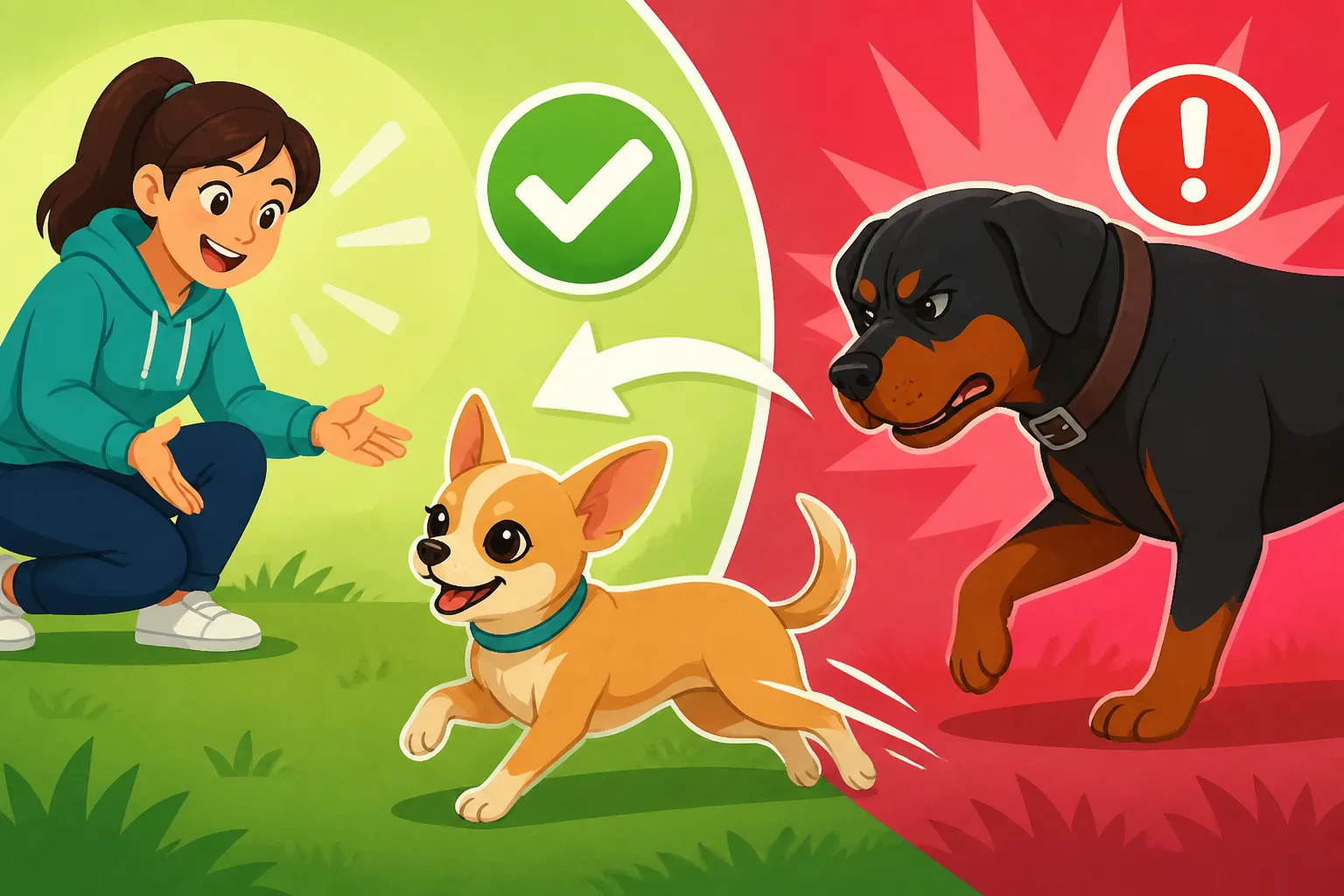
Chihuahua Recall When a Bigger Dog Approaches
The moment you see a larger dog bounding towards your tiny Chihuahua, your heart can leap into your throat. That terrifying split second where your little dog might bolt or freeze, and you're desperate to get them to safety, is a nightmare many small dog owners live with. This comprehensive guide is here to equip you with the strategies, training techniques, and confidence to ensure your Chihuahua responds reliably to recall, especially when potentially intimidating situations arise with bigger dogs.
Why a Rock-Solid Recall Is Non-Negotiable for Chihuahuas
For many dog owners, recall is a convenience – a way to call their dog back from sniffing an interesting bush. For Chihuahua owners, it’s often the difference between a safe encounter and a terrifying incident, or worse. Given their diminutive size and sometimes fragile build, Chihuahuas face unique vulnerabilities that make an immediate, reliable recall an absolute necessity.
The Inherent Dangers for a Small Dog
It's a tough truth, but a Chihuahua is not just a small dog; they are a delicate dog. An accidental bump, a playful pounce, or even a well-meaning nudge from a much larger dog can have serious consequences. We're talking about potential broken bones, internal injuries, or severe fright that can lead to lasting behavioral issues. Imagine a Labrador, even a friendly one, trying to initiate play with a four-pound Chihuahua. The size disparity alone creates a dangerous dynamic, regardless of intent. Owners of larger breeds often don't realize the potential impact their dog's enthusiastic greeting could have, which means you need to be your Chihuahua's first and best line of defense. This isn't about being alarmist; it's about being realistic about the physical vulnerability of a dog that can literally fit into a handbag.
The Psychological Impact of a Bad Encounter
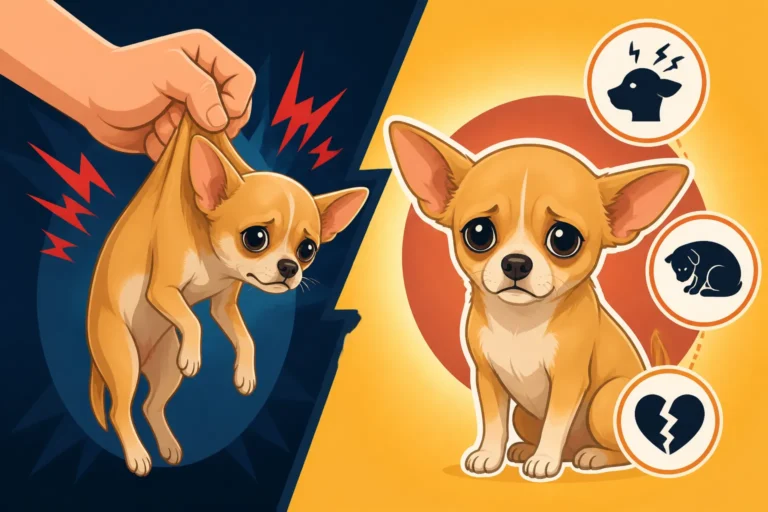
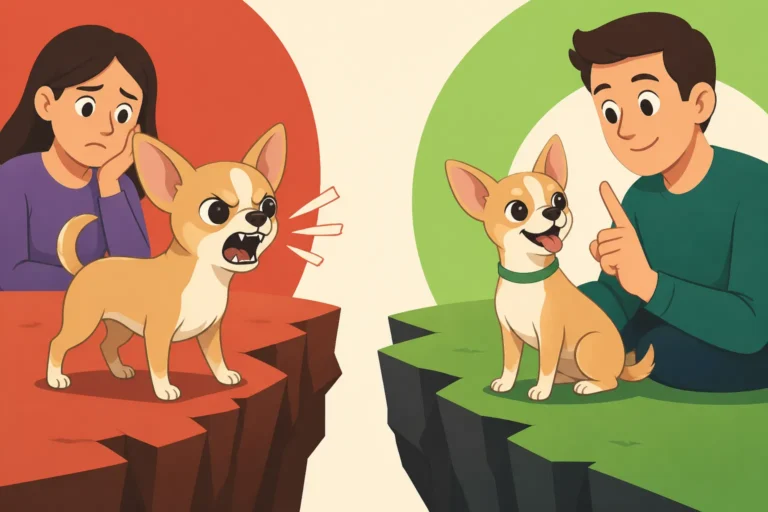
Beyond the physical risks, a negative encounter with a larger dog can leave deep psychological scars on your Chihuahua. A single frightening experience can breed intense fear and reactivity, leading to behaviors like barking, lunging, or freezing whenever another large dog appears. This can turn enjoyable walks into stress-filled gauntlets for both you and your dog. Your Chihuahua might start to associate all big dogs with that one scary moment, making future socialization difficult and potentially leading to a lifetime of anxiety around larger canine companions. Think about it from their perspective: a huge, loud creature suddenly in their personal space, making them feel utterly helpless. That's a trauma that can be hard to undo, making prevention through solid recall paramount. Many owners find their Chihuahuas develop Fear-Based Reactivity in a Chihuahua after just one bad experience.
Building the Foundation: Basic Recall Training for Your Chihuahua
Before you can expect your Chihuahua to come screaming back to you when a German Shepherd appears, you need to establish a strong, positive foundation for recall in low-distraction environments. This is where the real work begins, and it's built on consistency and making "come" the best thing ever.
Making "Come" the Most Exciting Word
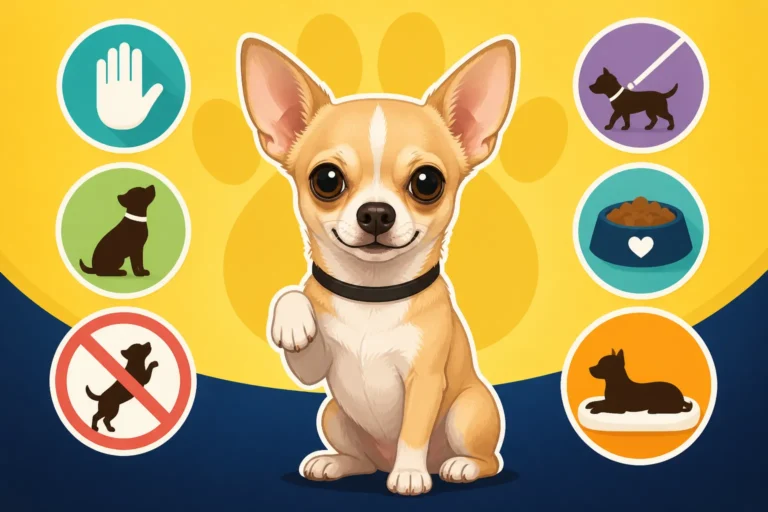
Your recall cue—whether it’s "come," "here," or a specific whistle—needs to become synonymous with immediate, incredible rewards. This isn't just about a pat on the head; it’s about a jackpot. Think high-value treats: tiny pieces of cooked chicken, cheese, or even liverwurst. Something your Chihuahua would never get otherwise. Start this training in a quiet, enclosed space, like your living room or a fenced yard, with zero distractions. Call your Chihuahua's name, then your recall cue, and when they take even a step toward you, celebrate enthusiastically and reward them instantly and generously. Repeat this dozens of times a day, in short, fun sessions. The goal is to build an automatic, positive response. They should think, "Oh, my human said that word! Something amazing is about to happen!" You can find small, high-value training treats on platforms like Amazon that are perfectly sized for a Chihuahua's tiny mouth.
Gradual Introduction of Distractions
Once your Chihuahua is reliably coming to you in your living room, it's time to slowly dial up the distractions. This is a critical step that many owners rush, leading to unreliable recall. Start with mild distractions, like a squeaky toy in the corner, or having another family member walk slowly in the background. If your Chihuahua still comes, great! Increase the challenge slightly. Perhaps move to a quiet park during an off-peak hour, but keep them on a long line. A long training line, often 15 to 30 feet, is invaluable here. It allows your Chihuahua to explore a bit, but you still have control to gently guide them in if they get too distracted, without letting them "fail" the recall. The line ensures their safety while they learn. When you call, give a gentle tug on the line if needed, and as soon as they respond, even before they reach you, lavish praise and treats. Never punish them for not coming; that only teaches them to avoid you when called.
The Role of a Long Line in Recall Training
A long line is truly your best friend during this phase of training. It provides a crucial safety net, especially when you start working in areas with more stimuli, like a park. Imagine your Chihuahua sniffing an interesting patch of grass, completely engrossed. If you call "come" and they ignore you, you can simply and gently reel them in with the long line. As they get closer, start praising and preparing that high-value reward. This ensures they always complete the "come" action, even if they initially hesitated. It prevents them from learning that they can ignore you. Over time, they associate the cue with getting to you and getting a reward, rather than associating ignoring the cue with getting away with it. You're building a habit of compliance without resorting to frustration or punishment. This also helps you understand Chihuahua Recall When a Bigger Dog Approaches by giving you a way to practice safely.
Advanced Recall Strategies for High-Stakes Situations
Now, let's talk about those heart-stopping moments when a bigger dog is on the horizon. This isn't just about a standard "come"; it's about an emergency recall, a cue that means "drop everything and get to me NOW."
The Emergency Recall Cue
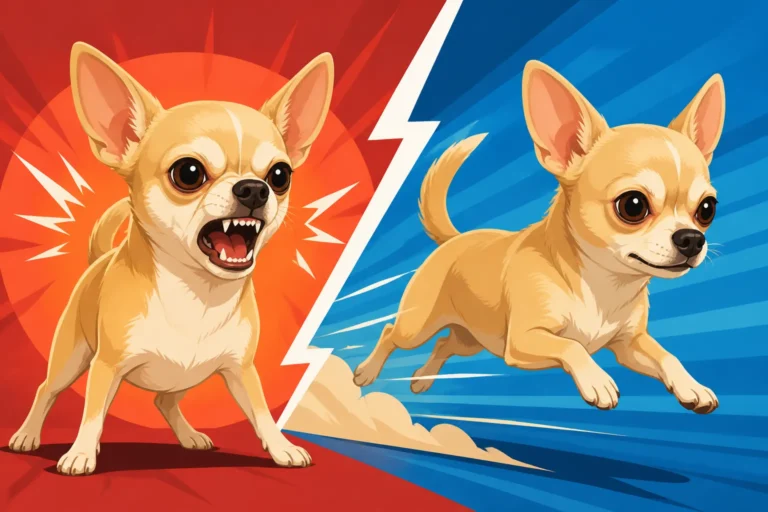
Your emergency recall needs to be different from your everyday "come." Choose a unique word or sound, something you only use for these critical situations. It could be a specific whistle, a distinct phrase like "danger come," or a rapid series of claps. This cue must be charged with the highest possible reward value. Practice it, but sparingly, and always with the absolute best treats imaginable. The idea is that this cue is so powerful, so intensely positive, that it overrides every other instinct or distraction. When you use it, your Chihuahua should instinctively turn on a dime and sprint to you, anticipating a huge jackpot.
Consider this scenario: you're at the dog park (with your Chihuahua on a leash, of course, because dog parks are generally risky for toy breeds) and a large, boisterous dog breaks away from its owner and heads your way. This is not the time for a polite "Fifi, come here, please." This is the time for your emergency recall. The unique nature of the cue, coupled with its highly reinforced history, should trigger an immediate response.
| Recall Type | Cue Examples | Reward Level | Environment | Purpose |
|---|---|---|---|---|
| Casual Recall | "Come," "Here," "Let's go" | Moderate (praise, kibble) | Low distraction | General responsiveness, moving from point A to B |
| Standard Recall | "Come" | High (favorite treat, play) | Medium distraction | Reliable return in most daily situations |
| Emergency Recall | Unique whistle, "DANGER COME!" | Jackpot (chicken, cheese) | High distraction | Immediate return from imminent danger |
Proactive Observation and Evasive Maneuvers
The best recall, especially with a tiny dog, is the one you don't have to use in an emergency. Being proactive is paramount. When you're out with your Chihuahua, cultivate a habit of scanning your environment constantly. Look for potential hazards before they become imminent. This includes spotting off-leash dogs, children running erratically, or even bicycles or scooters that could startle your little one.
If you spot a larger dog approaching, even one on a leash, consider it a potential threat until proven otherwise. Immediately put your Chihuahua on a short leash if they aren't already. Create distance if possible – turn and walk in another direction, step behind a tree or car, or cross the street. Your job is to manage the environment to protect your Chihuahua. Don't be shy about advocating for your dog; a polite "Excuse me, we need some space" to the approaching owner is perfectly acceptable. For example, if you see a dog that looks like a Border Collie or a young Golden Retriever heading your way, even if they seem friendly, their sheer size and potential play style can be overwhelming for a Chihuahua. Simply moving off the path or picking up your dog for a moment can prevent a situation from escalating.
"Touch" or "Hand Target" as a Safety Net
Beyond a verbal recall, teaching a "touch" or "hand target" cue can be an incredibly effective safety net. This involves teaching your Chihuahua to touch their nose to your outstretched hand. It's fantastic for quickly redirecting attention and getting them close to you without a full "come" command.
To teach it, hold out your open palm a few inches from your Chihuahua's nose. As soon as they touch it with their nose, say "yes!" or click a clicker, then immediately reward them with a treat. Repeat, repeat, repeat. Once they understand, you can add the verbal cue, "Touch!" or "Target!" With practice, your Chihuahua will learn that touching your hand means a reward. In a high-distraction situation, if a bigger dog is coming, you can drop your hand low, say "Touch!", and as they reach for your hand, you can gently scoop them up. It's a quick, clear action that bypasses the complexities of a full recall, and gets them right into your safe zone. Chihuahua Handling and Consent is a good read if you want to ensure your dog feels safe and respected during these interactions.
Managing the Approach: When a Bigger Dog Gets Too Close
Despite your best efforts at proactive management and stellar recall training, there will be times when a larger dog approaches unexpectedly fast, or an owner simply isn't paying attention. These moments require quick thinking and decisive action to protect your Chihuahua.
The Immediate Action Plan: Scoop or Halt
When you see a larger dog, especially an off-leash one, closing the distance rapidly, your first instinct might be to panic. Don't. Take a deep breath and quickly assess.
- Scoop Them Up: For many Chihuahua owners, the fastest and safest response is to simply scoop their dog up into their arms. This physically removes your Chihuahua from the ground-level threat and places them in your protective embrace. If you anticipate needing to do this frequently, practice picking your Chihuahua up gently and calmly. Ensure they are comfortable being held and don't try to squirm away, as this could make them fall. A good, secure harness is important here as well. Make sure you have a comfortable, well-fitting harness that allows you to confidently hold your Chihuahua. You can find many suitable options on Amazon, which offers a wide array of choices for toy breeds.
- Halt and Block: If picking them up isn't an option (perhaps they are too heavy for quick lift, or you have mobility issues), you need to position yourself between your Chihuahua and the approaching dog. Use your body as a physical barrier. Stand tall, spread your arms slightly, and if comfortable, use a firm "NO!" or "GO HOME!" in a deep voice to deter the approaching dog. Sometimes, a confident posture alone is enough to send a clear signal. This can be intimidating, but your Chihuahua's safety is paramount.
Remember, the goal isn't to start a fight; it's to prevent one, or to simply get your Chihuahua out of harm's way. Your confident actions convey to your Chihuahua that you are in control and will protect them, which can help reduce their own anxiety in these situations.
Communicating with the Other Owner
This can be the trickiest part, as emotions can run high. When another dog approaches, especially if it's off-leash, a calm but firm approach is best.
- Be Direct: A simple "Please call your dog!" or "My dog is not friendly (even if they are, it's a safety white lie for quick de-escalation)" can work.
- Explain (Briefly): If you have a moment, you can quickly explain, "My dog is very small, and I'm worried about him getting hurt." Most responsible dog owners will understand and try to help, but some may be oblivious or even defensive.
- Don't Engage in Arguments: Your priority is your Chihuahua. If the other owner is rude or unhelpful, don't get into a verbal spat. Focus on removing your dog from the situation.
- Leave the Scene: Once your Chihuahua is safe, calmly walk away. There's no need to linger and prolong a stressful encounter.
It's frustrating when other dog owners are not mindful of their dog's behavior or leash laws. Validating this frustration is important. You're doing your best to keep your tiny companion safe in a world not always designed for them.
What to Do if Contact Occurs
In the unfortunate event that a larger dog does make contact with your Chihuahua, remaining calm (as hard as it is) is crucial.
- Separate Safely: If there's an actual altercation, separate the dogs quickly and safely. Never put your hands directly into a dog fight; try to grab hind legs or use a loud noise to break them apart. However, with a Chihuahua, your primary goal is to scoop them up immediately.
- Assess Injuries: Once separated, immediately check your Chihuahua for any signs of injury. Look for limping, yelping, blood, or any unusual behavior. Even if they seem fine, a vet visit is highly recommended after any physical impact or severe fright, especially if the larger dog was much bigger. Small dogs can have internal injuries that aren't immediately obvious. Conditions like Chihuahua Hypoglycemia and the Puppy Emergency can be triggered by stress and shock in tiny dogs, so quick medical attention is vital.
- Exchange Information: If the other dog's owner is present, calmly exchange contact information. You'll need this for potential vet bills or if there are any lingering issues.
- Report if Necessary: Depending on the severity and local regulations, you might need to report the incident to animal control. This helps protect other small dogs in the community.
- Comfort and Reassure: Once any immediate physical threats are addressed, focus on comforting your Chihuahua. Speak to them in a soft, reassuring voice. Create a safe, quiet space for them to decompress. Monitor them closely for the next few hours and days for any behavioral changes or delayed signs of injury.
Preventing Future Encounters and Bolstering Confidence
While recall is a critical tool, the best strategy for a Chihuahua involves a combination of proactive management, continued training, and building your dog's confidence.
Continued Socialization and Positive Experiences
It might seem counterintuitive after discussing dangers, but appropriate socialization is still important. Your Chihuahua needs to learn that not all big dogs are a threat. This means carefully orchestrated, positive encounters with calm, gentle, and ideally known large dogs.
- Controlled Introductions: Arrange playdates with friends' or family members' larger dogs that you know are well-behaved and gentle with small dogs. Start on leash, in a neutral territory, and ensure the larger dog understands to be calm. Reward your Chihuahua for calm interactions.
- "Meet and Greet" from a Distance: Even walking past a calm, leashed larger dog from a safe distance can be a positive exposure. Reward your Chihuahua for simply observing calmly, without barking or showing fear.
- Group Puppy Classes (with caution): Some puppy classes offer "small dog only" sessions or ensure careful management of mixed-size groups. Look for classes that prioritize safety and positive reinforcement. Resources like BAXTER & Bella offer online puppy training programs that can help you understand crucial socialization windows and how to introduce new experiences in a controlled manner, which can be invaluable for cautious Chihuahua owners. Understanding The Chihuahua Socialization Window and Its Deadline is crucial for ensuring a well-adjusted adult dog.
The Importance of a Secure Harness
A well-fitting harness is absolutely critical for a Chihuahua. Collars can put dangerous pressure on their delicate tracheas, leading to conditions like Collapsing Trachea and the Chihuahua Honking Cough. More importantly, in a panic situation, a Chihuahua can easily slip out of a collar. A properly fitted harness, one that doesn't restrict shoulder movement or chafe, offers security and distributes pressure safely. This is especially vital when you might need to quickly lift your dog or gently guide them away from danger. Look for harnesses with multiple adjustment points to ensure a snug fit around both the neck and chest, preventing escape artists from wiggling out. Many excellent options are available from brands like Puppia or Gooby, often found on Amazon.
Teaching Your Chihuahua to Focus on You
Beyond recall, teaching your Chihuahua to focus on you even with distractions is invaluable. This is about building a strong "engagement" with you, making you more interesting than the environment.
- Name Recognition: Practice calling your Chihuahua's name and immediately rewarding them when they look at you. Make their name mean "look at me, something good is coming."
- "Watch Me" Command: Teach a specific "watch me" or "look" command. Hold a treat by your eye, say the command, and reward when they make eye contact. Gradually increase the duration of eye contact and introduce minor distractions.
- Pattern Games: Play fun games where you randomly reward your Chihuahua for checking in with you. Every few steps on a walk, reward them for glancing your way. This builds a habit of voluntarily offering attention.
A Chihuahua that habitually checks in with its owner is much easier to redirect and recall than one whose attention is constantly scattered. This strong bond and focus become your ultimate tool in managing interactions with larger dogs. It’s also important to recognize that sometimes behavioral issues, like a reluctance to engage, can stem from underlying discomfort or pain. If your Chihuahua suddenly changes behavior or becomes more fearful, it's worth considering whether A Chihuahua Snapping Because Its Knee Hurts or another physical ailment might be playing a role.
Environmental Management at Home and On Walks
Prevention starts with creating a safe, controlled environment.
- Home Security: Ensure your yard is secure. Chihuahuas can squeeze through surprisingly small gaps. Double-check gates and fences.
- Leash Laws and Public Spaces: Always abide by leash laws. Even if your Chihuahua has perfect recall, other dogs might not, and it’s safer for everyone. When choosing walking routes, opt for less crowded areas, or walk during off-peak hours if possible.
- Dog Parks: While some Chihuahuas can cautiously enjoy designated small dog areas, many find dog parks overwhelmingly stressful and dangerous due to the unpredictable nature of other dogs. It's often safer to avoid them entirely or use them with extreme caution, always with your Chihuahua on a leash or held, ready for an immediate exit. Remember, Why Dog Parks Are Dangerous for a Chihuahua is a sentiment shared by many small dog experts.
- Carriers and Strollers: For longer outings or in very busy public places, a carrier or stroller can be a safe haven for your Chihuahua. They can still experience the world from a secure vantage point, without the stress of being trod upon or startled.
By combining diligent recall training, proactive environmental management, and a focus on building a positive relationship, you can significantly increase your Chihuahua's safety and confidence when encountering bigger dogs. Your tiny companion depends on you to be their advocate and protector, and with these strategies, you'll be well-prepared for whatever comes your way.
Disclaimer
This article is for general informational purposes only and does not constitute professional advice. Laws, prices and regulations vary by location and change over time. Consult a qualified professional for guidance on your specific situation.