Vet Visit Frequency for a Chihuahua Past Twelve
It’s a bittersweet reality that as our beloved Chihuahuas get older, their needs change, and sometimes it feels like they go from spry little mischief-makers to fragile senior citizens almost overnight. You might be wondering, with a pang of worry, how often you really need to haul your tiny friend to the vet once they pass that significant age of twelve. This guide will walk you through the essential vet visit frequency for your senior Chihuahua, helping you understand why these appointments become so crucial and how to make the most of every single one.
The Shifting Needs of a Senior Chihuahua
When your Chihuahua crosses the threshold into its senior years, typically around age eight or nine, and certainly once they're past twelve, their body starts working a little differently. What might have been a minor sniffle in their youth can become a more serious concern, and underlying conditions often begin to surface. It’s a natural part of aging, but it means we, as their caregivers, need to step up our game in terms of vigilance and proactive care.
Recognizing the Subtle Signs of Aging
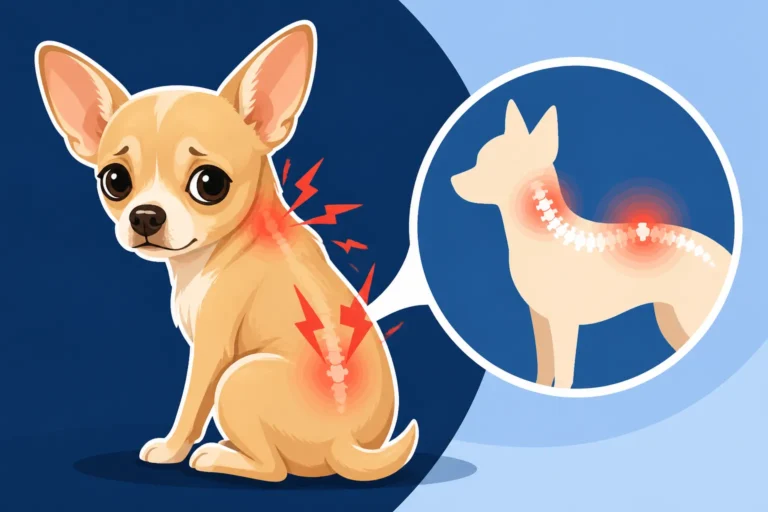
One of the biggest challenges with Chihuahuas, given their stoic nature and small size, is that they can be incredibly good at hiding discomfort or illness. You might notice subtle changes long before they become obvious signs of a problem. Perhaps they’re not jumping onto the sofa quite as easily, or their once-enthusiastic tail wags are a little less energetic. They might sleep more, or become a bit more particular about their food. These aren't necessarily signs of a dire emergency, but they are signals that their body is aging and warrants closer attention. Things like a slight limp that comes and goes could be an early indicator of arthritis, which is common in older Chihuahuas and might require Chihuahua Arthritis in the Teenage Years. Similarly, changes in thirst or urination could point to kidney issues, which we'll discuss later.
It’s easy to dismiss these changes as "just old age," but doing so can mean missing early opportunities to manage a condition and improve their quality of life. For instance, a senior Chihuahua might start showing signs of Cognitive Decline in a Fifteen Year Old Chihuahua, like staring blankly, getting lost in familiar rooms, or changes in sleep patterns. While not curable, these symptoms can often be managed with diet, supplements, and environmental adjustments, but only if they’re identified. Paying close attention to these small shifts in behavior and mobility is the first, most crucial step in caring for your aging companion.
Why Regular Check-ups Become Critical
For most of their adult lives, an annual vet visit might have sufficed for your Chihuahua. But as they enter their senior years, the pace of physiological change accelerates. Think of it like a car with higher mileage – you wouldn’t wait as long between inspections, would you? The same applies to our senior Chihuahuas. Conditions like Chihuahua Heart Disease as the Breed Ages can progress quickly, and early detection can mean the difference between effective management and a crisis situation.
Regular check-ups, ideally every six months, allow your veterinarian to establish a baseline of health and catch these age-related issues in their earliest, most treatable stages. This isn't about being overly cautious; it's about being proactive. Many chronic conditions, such as kidney disease, liver disease, diabetes, and certain cancers, often present with subtle signs that a trained veterinary eye might catch long before you do. These visits also provide an opportunity to discuss preventative measures, nutritional adjustments, and pain management strategies before your Chihuahua starts experiencing significant discomfort. It’s about building a strong partnership with your vet, ensuring your little one gets the comprehensive Senior Chihuahua Care Past the Age of Twelve they deserve.
Recommended Vet Visit Frequency for Senior Chihuahuas
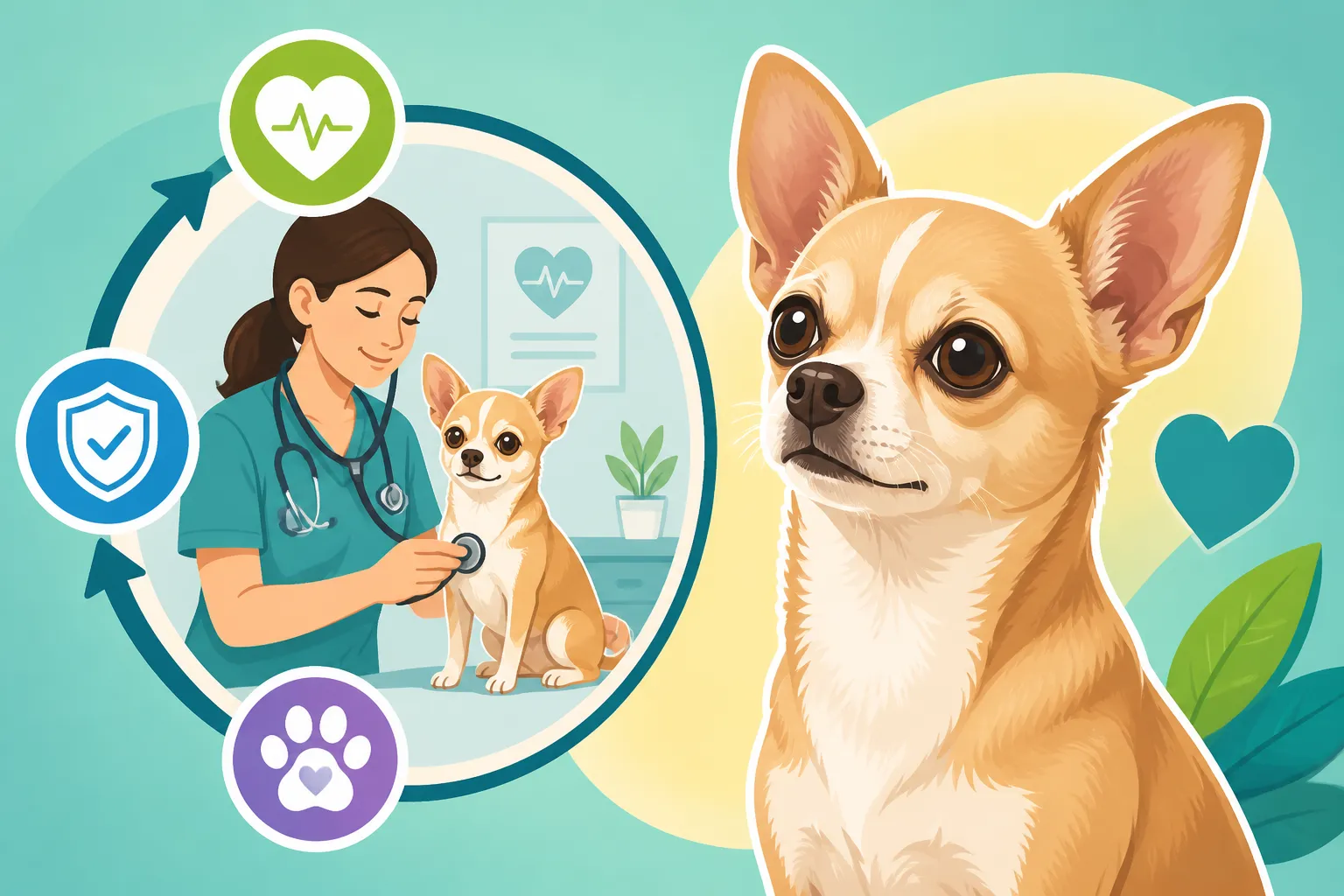
So, what's the magic number? While every Chihuahua is an individual, and your vet might recommend a slightly different schedule based on their specific health, the general consensus for Chihuahuas past the age of twelve is to move from annual to biannual check-ups. That means two full veterinary examinations per year, approximately every six months.
Annual vs. Biannual Exams: What Changes?
The shift from annual to biannual exams is a critical one for senior Chihuahuas. At their annual exam, your vet typically performs a thorough physical assessment, checks their weight, listens to their heart and lungs, and palpates their abdomen. They might also update vaccinations, if necessary. For a senior Chihuahua, a lot can change in twelve months. A heart murmur, for instance, could develop or worsen significantly in that time, turning from a minor concern into something that requires immediate medication to prevent Mitral Valve Disease in an Older Chihuahua.
By scheduling biannual visits, you effectively cut the time between check-ups in half, giving your vet a much better chance to detect subtle changes. This allows for earlier intervention, whether it's adjusting medication for existing conditions like arthritis, spotting the early signs of kidney issues, or addressing dental problems before they become severe. Chihuahua Dental Disease in a Crowded Small Jaw is notoriously common and can quickly lead to pain, infection, and even impact systemic health, making twice-yearly oral checks incredibly valuable. These more frequent visits become a crucial component of their overall healthcare strategy, allowing for more dynamic and responsive care as their needs evolve.
Beyond the Physical Exam: Essential Diagnostics
While a thorough physical exam is the cornerstone of any vet visit, for senior Chihuahuas, it's often just the beginning. Routine diagnostic tests become increasingly important for monitoring internal organ function and detecting diseases that aren't yet visible on the outside.
Here’s a look at some of the key diagnostics typically recommended for senior Chihuahuas:
| Diagnostic Test | Purpose | Frequency (Senior Chihuahuas) | What it Helps Detect |
|---|---|---|---|
| Comprehensive Bloodwork | Assesses organ function (kidneys, liver), blood cell counts, and screens for metabolic diseases. | Every 6-12 months | Kidney Disease in a Long-Lived Chihuahua, liver disease, diabetes, infection, anemia. |
| Urinalysis | Checks kidney function, screens for urinary tract infections, and helps detect diabetes. | Every 6-12 months | UTIs, kidney disease, bladder stones, diabetes. |
| Thyroid Panel | Evaluates thyroid hormone levels, especially important for energy levels and metabolism. | Every 12 months | Hypothyroidism (though less common in Chihuahuas). |
| Blood Pressure | Screens for hypertension, which can impact kidneys, heart, and eyes. | Every 6-12 months | Hypertension, often secondary to kidney or heart disease. |
| Glaucoma Screening | Checks eye pressure to detect glaucoma, a painful condition. | Every 12 months | Glaucoma, a leading cause of blindness. |
Your vet might recommend more frequent Bloodwork on a Chihuahua Past Fourteen, depending on their individual health status or any pre-existing conditions. For instance, a Chihuahua on long-term medication for heart disease might need more regular blood tests to ensure the medication isn't negatively impacting kidney or liver function. These tests provide invaluable insights into what's happening internally, allowing your vet to fine-tune their care plan, adjust medications, or even start new treatments before problems become severe. It's a truly proactive approach to maintaining their health and comfort.
Maximizing the Value of Each Senior Vet Visit
Bringing your senior Chihuahua to the vet can sometimes feel overwhelming, especially if they're not thrilled about car rides or clinic smells. But with a bit of preparation and clear communication, you can ensure each visit is as productive and stress-free as possible for both of you.
Preparing for Your Appointment
Preparation starts long before you walk through the clinic door. A few days before your appointment, take some time to observe your Chihuahua closely. Jot down any changes you've noticed – no matter how small or insignificant they seem. Has their appetite changed? Are they drinking more or less? Any new lumps or bumps? Is their energy level different? Are they coughing more, especially at night? Even subtle shifts can be important clues for your vet.
It's also a good idea to bring a fresh stool sample and, if possible, a urine sample. These can often be analyzed on the spot, saving you a separate trip. If your Chihuahua is on any medications or supplements, bring the bottles or a detailed list, including dosages and frequency. This helps ensure your vet has a complete picture of their health regimen. If you're considering pet insurance for your long-lived companion, knowing what your current vet bills look like can help you choose the right plan, and companies like Healthy Paws offer coverage that might ease the financial burden of these essential, more frequent visits. Having all this information ready allows your vet to spend more time examining your Chihuahua and less time gathering basic data.
Discussing Quality of Life and End-of-Life Planning
This is a tough but incredibly important conversation to have with your vet as your Chihuahua ages. Thinking about your Chihuahua's Quality of Life in a Chihuahua's Final Year means assessing their comfort, happiness, and ability to engage in activities they once enjoyed. During your senior vet visits, don't shy away from asking your vet candid questions about pain management. Are they truly comfortable? Are there additional medications or therapies, such as laser therapy for arthritis, that could improve their daily comfort? Consider their mobility; if they're struggling, talk about Mobility Help for a Fifteen Year Old Chihuahua, like ramps or orthopedic beds.
It's also wise to discuss End-of-Life Planning for a Chihuahua at Seventeen. This isn't about rushing anything, but rather about being prepared and understanding all your options. Your vet can explain what to expect as their condition progresses, discuss palliative care options, and help you understand when "it's time." Having these conversations proactively, rather than in a moment of crisis, can provide immense peace of mind and help you make loving, informed decisions when the time comes. Many pet insurance providers, including Healthy Paws, even offer coverage for unexpected veterinary costs, which can reduce stress during difficult times, allowing you to focus on your pet's well-being. This dialogue is a vital part of honoring your Chihuahua's long life and ensuring their final chapter is as comfortable and dignified as possible.
Disclaimer
This article is intended for informational purposes only and does not constitute medical advice. Always consult with a qualified veterinarian for any health concerns or before making any decisions about your Chihuahua's care. Individual needs may vary.