Chihuahua Heart Medication and Daily Dosing
It's incredibly stressful when your tiny Chihuahua, your beloved companion, is diagnosed with a heart condition. Suddenly, you're faced with a new vocabulary of medical terms, complex diagnoses like mitral valve disease, and the daunting task of understanding how to administer daily medications to such a small dog. This guide is here to walk you through the ins and outs of Chihuahua heart medication and daily dosing, helping you navigate this challenging journey with confidence and empathy for your little one.
Understanding Your Chihuahua's Heart Condition and Medications
Getting a heart disease diagnosis for your Chihuahua can feel overwhelming. It's a lot to process, especially when you're thinking about the long-term health and well-being of your small dog. But understanding the condition and the medications prescribed is the first crucial step in managing it effectively.
The Reality of Chihuahua Heart Disease Diagnoses
Chihuahuas, despite their long lifespans, are indeed prone to certain heart conditions, much like many other small and toy breeds. The most common culprit, especially as they get older, is something called Mitral Valve Disease (MVD), sometimes referred to as myxomatous mitral valve degeneration. This condition happens when the mitral valve, one of the tiny valves in the heart that ensures blood flows in the right direction, starts to thicken and doesn't close properly. When it doesn't close tightly, a small amount of blood leaks backward into the atrium, making the heart work harder. Over time, this extra effort can lead to an enlargement of the heart and eventually, congestive heart failure.
The progression of MVD can be slow, sometimes over many years, which is why regular vet check-ups are so important. Early diagnosis, often caught during a routine stethoscope exam where your vet hears a heart murmur, is truly key. If a murmur is detected, your vet will likely recommend further diagnostics, such as an echocardiogram (an ultrasound of the heart) to visualize the valves and chambers, and chest X-rays to check for heart enlargement or fluid in the lungs. These tests help your veterinarian stage the disease and determine the best course of action. It's a lot to take in, but remember, catching it early often means you have more options for managing it. For a deeper dive into the most common heart issue, you might want to read more about Mitral Valve Disease in an Older Chihuahua.
The Mainstays of Chihuahua Cardiac Care
Once a diagnosis of heart disease is confirmed and staged, your veterinarian will likely prescribe a cocktail of medications designed to manage the symptoms, slow the progression, and improve your Chihuahua's quality of life. It’s important to understand that these medications aren't a cure for the underlying heart problem, but rather powerful tools to support the heart and alleviate discomfort.
One of the most common medications is a diuretic, like Furosemide (often known by the brand name Lasix). If your Chihuahua’s heart isn't pumping efficiently, fluid can build up in the lungs, leading to a cough or difficulty breathing. Furosemide helps the body get rid of this excess fluid, essentially acting like a plumbing assistant to clear congestion.
Another cornerstone of cardiac care for Chihuahuas is an ACE inhibitor, such as Enalapril or Benazepril. These medications work by relaxing blood vessels and reducing the workload on the heart. Think of it like making it easier for the heart to pump blood throughout the body without having to push against too much resistance. This helps prevent the heart from having to try and remodel itself in harmful ways.
Then there's Pimobendan, often referred to by its brand name Vetmedin. This medication is a real game-changer for many dogs with heart disease. It does two very important things: it helps the heart muscle contract more forcefully, improving its pumping action, and it also helps to dilate blood vessels, further reducing the heart's workload. Pimobendan is generally started in later stages of the disease, once the heart has already begun to enlarge, and has been shown to significantly extend the quality and length of life for affected dogs.
Sometimes, other medications might be added to the regimen, such as Spironolactone (another type of diuretic that also helps protect the heart muscle) or Digoxin (which helps regulate heart rate and strength of contraction). The specific combination and dosage will be tailored precisely to your Chihuahua's individual condition, weight, and response to treatment. It's a carefully balanced act, and your vet is the expert choreographer in this process.
Navigating Daily Dosing and Administration for a Tiny Dog
Giving medication to a large dog can be challenging enough, but when your patient weighs only a few pounds, the task takes on a whole new level of precision and patience. It's a common struggle for Chihuahua owners, but with the right approach, it becomes a manageable part of your daily routine.
Precision is Paramount for Tiny Doses
The biggest hurdle with Chihuahua heart medication is often the sheer tininess of the doses. A medication meant for a 60-pound Labrador might need to be administered in a dose that's just a fraction of a pill for a six-pound Chihuahua. This isn't just about avoiding an overdose; it's about ensuring your dog gets the exact amount needed to be effective without causing unnecessary side effects. Even a slight variation can make a big difference in such a small system. Your veterinarian will calculate the precise dosage based on your Chihuahua's weight, the severity of their condition, and how they respond to the initial treatment. This is why you should never try to adjust doses on your own or share medication with another pet.
Medications might come in various forms. Some pills can be easily split or cut into smaller pieces, but you need a good pill cutter to ensure even halves or quarters. Others might be too small or have a coating that shouldn't be broken, in which case a compounding pharmacy becomes an invaluable resource. These specialized pharmacies can prepare medications in liquid form or even tiny, custom-dosed capsules tailored specifically for your Chihuahua, often in appealing flavors like chicken or beef. This can make accurate dosing and administration much simpler and less stressful for both of you. Always clarify with your vet if a pill can be split or crushed, or if a liquid form is available. When discussing your Chihuahua's heart health, understanding their specific Chihuahua Heart Murmurs and What Grade Matters can also help clarify the need for such precise medication.
| Medication Type | Primary Purpose | Common Forms | Dosing Challenge for Chihuahuas |
|---|---|---|---|
| Diuretics | Reduce fluid buildup, especially in lungs | Tablets, Liquid | Precise small liquid doses or accurate pill splitting |
| ACE Inhibitors | Relax blood vessels, reduce heart's workload | Tablets, Liquid | Often requiring very small tablet fractions or compounding |
| Pimobendan | Improve heart contraction, dilate vessels | Chewable Tablets, Capsules | Chewables can sometimes be broken, but precise weight-based dosing is critical |
| Spironolactone | Diuretic, heart protection | Tablets, Liquid | Similar to ACE inhibitors, often needs custom dosing |
Tips for Administering Medication to a Fussy Chihuahua
Let's be honest: some Chihuahuas are not big fans of taking pills. Their intelligence and often opinionated nature can make them adept at spitting out even the most cleverly hidden tablets. But don't despair! There are many tricks to make the process smoother.
One of the most popular methods is using "pill pockets." Brands like Greenies Pill Pockets are specifically designed to encase a pill in a tasty, moldable treat. Just make sure the treat size is appropriate for your Chihuahua and that they eat the whole thing, pill and all, not just the delicious outer layer! Other owners find success by wrapping a tiny piece of cheese, a sliver of deli meat, or even a dollop of peanut butter (xylitol-free, please!) around the pill. The key is to use something high-value and irresistible, and make it a positive experience. Follow up with another treat or praise immediately after they've swallowed the medication.
For liquid medications, an oral syringe is your best friend. Your vet or the compounding pharmacy will likely provide one. The trick is to slowly squirt the liquid into the side of your Chihuahua's mouth, between their cheek and gums, allowing them time to swallow. Avoid squirting it straight down their throat, which can cause them to choke or aspirate the liquid. Again, positive reinforcement and making it part of a calm routine are essential.
Whatever method you choose, consistency and patience are paramount. Try to give the medication at roughly the same time each day, turning it into a predictable and non-threatening part of their routine. Some Chihuahuas might even start looking forward to it if it's associated with a favorite treat. And a crucial word of caution: never crush pills without explicit veterinary approval. Some medications are extended-release or have coatings that protect them from stomach acid, and crushing them can alter their effectiveness or lead to adverse reactions. If you're struggling, don't hesitate to reach out to your vet. They can offer more personalized advice or suggest alternative formulations.
Monitoring, Side Effects, and Long-Term Management
Managing heart disease in your Chihuahua is a marathon, not a sprint. It requires ongoing vigilance, close communication with your vet, and a keen eye for subtle changes in your dog's health.
Recognizing Signs of Trouble and Side Effects
While heart medications are essential, they can sometimes come with side effects. It's a delicate balance, and your vet will always aim for the best outcome with the fewest negative impacts. Common side effects of heart medications can include increased thirst and urination, especially with diuretics, which are doing their job of flushing excess fluid. You might also notice some lethargy or a slight decrease in appetite initially. Gastrointestinal upset, like mild diarrhea or vomiting, can also occur. If any of these side effects seem severe or persistent, or if you're concerned, always contact your veterinarian.
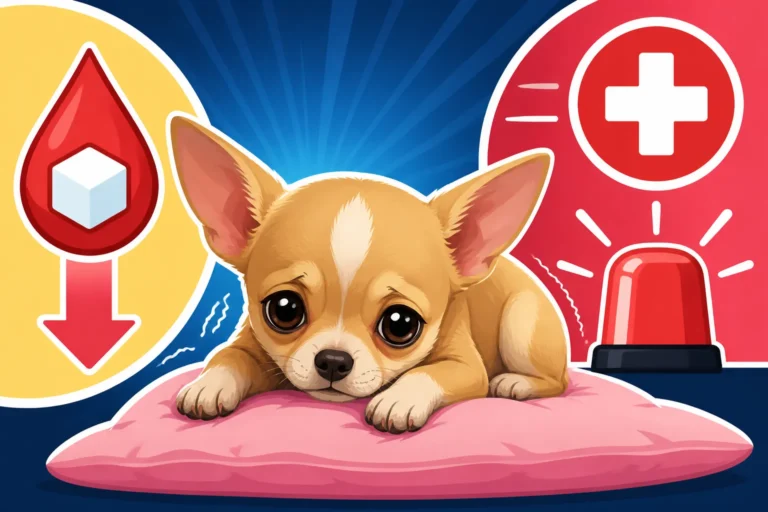
However, there are certain signs that warrant immediate veterinary attention. These are often indications that the heart disease is progressing or that the medication dosage needs adjustment. Watch out for a persistent or worsening cough, particularly if it sounds wet or is more frequent at night or after excitement. This can be a sign of fluid accumulating in the lungs again. Another critical symptom is any difficulty breathing, characterized by rapid, shallow breaths, or labored breathing where your Chihuahua's chest and abdomen move excessively. Weakness, disorientation, or even collapsing are emergency situations. These symptoms indicate a serious problem and require urgent care. It can sometimes be tricky to tell the difference between a minor cough and one signaling heart trouble, so it's good to understand the difference between Coughing at Night in a Chihuahua With Heart Disease and Telling a Heart Cough From a Trachea Cough.
The Importance of Regular Vet Check-ups and Bloodwork
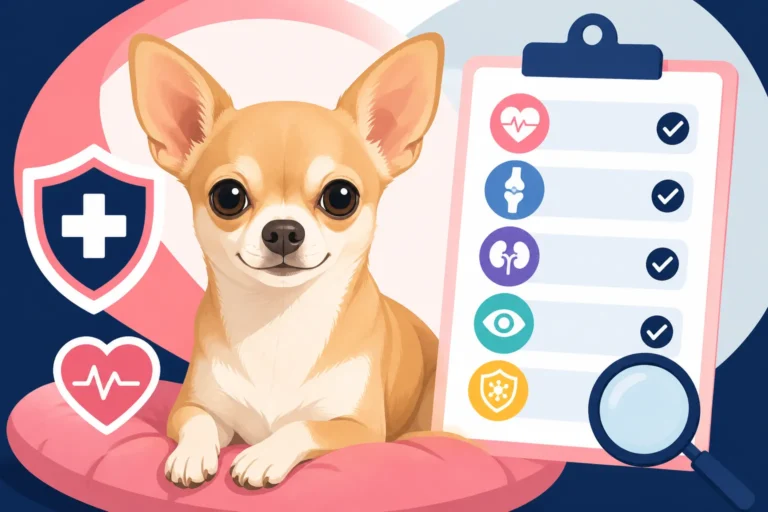
Long-term management of heart disease absolutely depends on regular veterinary check-ups and monitoring. These aren't just routine visits; they are critical opportunities for your vet to assess how your Chihuahua is responding to medication, catch any signs of progression, and make necessary adjustments to their treatment plan. Initially, you might have more frequent visits, perhaps every few weeks, to dial in the medication dosages. Once stable, your vet might recommend check-ups every three to six months.
During these visits, your vet will perform a thorough physical exam, listen to your Chihuahua's heart and lungs, and discuss any changes you've observed at home. Blood tests are also a vital part of monitoring. For example, diuretics and ACE inhibitors can impact kidney function and electrolyte balance, so your vet will likely want to check blood urea nitrogen (BUN), creatinine, and potassium levels regularly. These tests ensure the medications are not causing harm to other organs and that your Chihuahua's internal chemistry remains balanced. Sometimes, specific blood tests can also measure the concentration of certain heart hormones, helping to gauge the severity of the heart disease. The dosage of medications might need to be adjusted over time as the disease progresses or as your Chihuahua's body changes. It’s an evolving situation, and your vet needs to be kept in the loop. These ongoing visits and diagnostics, while crucial, can certainly add up in terms of cost. This is where a good pet insurance plan can be a lifesaver. Many owners find that a policy from a provider like Healthy Paws can significantly help cover the expenses of managing chronic conditions like heart disease, making it less of a financial burden to provide the best possible care. Understanding your Vet Visit Frequency for a Chihuahua Past Twelve can give you an idea of the commitment, and knowing about Chihuahua Heart Workup Costs helps in budgeting. Healthy Paws, for instance, typically covers accidents and illnesses, which would include the diagnostics and medications for heart disease once your policy is active.
Lifestyle Adjustments to Support Heart Health
Medication is a cornerstone of managing heart disease, but it's not the only piece of the puzzle. Thoughtful lifestyle adjustments can significantly complement medical treatment, helping to improve your Chihuahua's comfort and overall quality of life.
Diet and Exercise Considerations
When your Chihuahua has heart disease, their diet becomes even more critical. One of the most important considerations is a low-sodium diet. Just like in humans, excess sodium can lead to fluid retention, which puts extra strain on an already compromised heart. Your veterinarian may recommend a prescription cardiac diet, such as those from Hill's Prescription Diet or Royal Canin Veterinary Diet, which are formulated with controlled sodium levels and often include other heart-healthy ingredients like L-carnitine and taurine. If your Chihuahua is a picky eater or you prefer to feed a homemade diet, discuss this thoroughly with your vet or a veterinary nutritionist to ensure it is balanced and low in sodium, while still meeting all their nutritional needs.
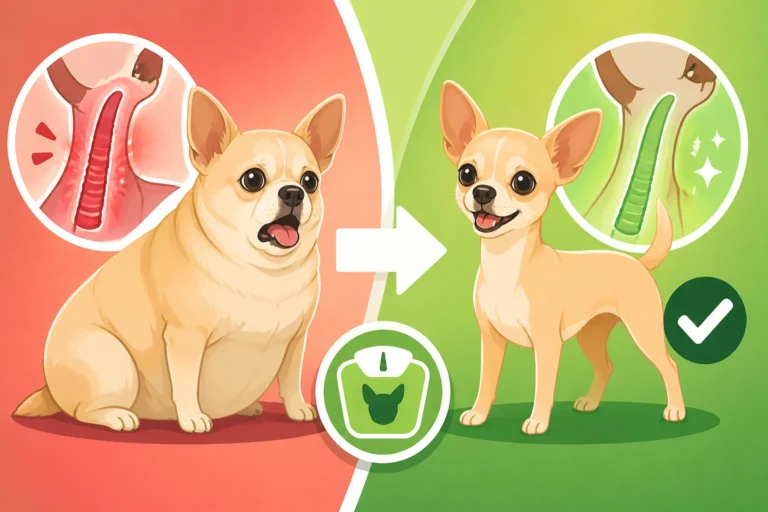
Portion control and maintaining a healthy weight are also paramount. Extra weight means the heart has to work harder to pump blood to a larger body mass, exacerbating the disease. Even an extra half-pound on a Chihuahua can be a significant burden. Work with your vet to determine your Chihuahua's ideal weight and how many calories they need daily. Monitoring their body condition score is more important than just the number on the scale. For more information on managing weight, refer to Chihuahua Obesity on a Six Pound Frame.
Regarding exercise, the goal is gentle activity, not strenuous exertion. Short, frequent walks at a relaxed pace are usually best. Avoid anything that causes your Chihuahua to pant heavily, struggle for breath, or get excessively excited. Leash walks in a harness (to avoid pressure on the neck and trachea) are generally safer than off-leash play where they might chase something quickly. Indoor games that involve less running, like puzzle toys or gentle fetch in a small space, can also provide mental stimulation without overdoing it physically. The key is to keep them active enough to maintain muscle tone and happiness, but never push them past their comfort level. A comprehensive guide on Feeding a Chihuahua With Heart Disease can offer more specific dietary advice.
Stress Reduction and Environmental Modifications
Stress can have a physiological impact on a dog's heart, potentially increasing heart rate and blood pressure, which is something you definitely want to minimize in a Chihuahua with heart disease. Creating a calm, predictable, and low-stress environment is incredibly beneficial. This might mean maintaining a consistent daily routine, providing a quiet, comfortable space where your Chihuahua can retreat, and minimizing loud noises or sudden changes in their surroundings. If you have a busy household, ensuring your Chihuahua has a safe haven away from the hustle and bustle can be invaluable.
Temperature regulation is another important environmental factor. Chihuahuas are generally sensitive to cold due to their small size and minimal body fat, but extreme heat can also be dangerous, especially for a dog with a compromised heart. Ensure your home is kept at a comfortable, consistent temperature. In colder months, provide warm beds and perhaps a sweater or coat for walks. In warmer months, ensure they have access to cool areas and fresh water, and avoid walks during the hottest parts of the day.
Being observant of your Chihuahua's behavior is key. If they seem anxious, withdrawn, or more restless than usual, try to identify the cause and address it. Sometimes, a relaxing routine, gentle massage, or even calming pheromone diffusers (like Adaptil) can help. Remember, your Chihuahua relies on you to be their advocate and create an environment that supports their health and well-being. Thinking ahead about these factors is part of holistic Senior Chihuahua Care Past the Age of Twelve.
Disclaimer
This article is intended for informational purposes only and does not constitute veterinary advice. Always consult with a qualified veterinarian for any health concerns or before making any decisions about your Chihuahua's medical care or treatment plan.