Mobility Help for a Fifteen Year Old Chihuahua
It’s truly heartbreaking to watch our beloved Chihuahuas, once zipping around with boundless energy, start to slow down as they reach their golden years. A fifteen-year-old Chihuahua is a real testament to the breed's longevity, but with that comes the inevitable aches, stiffness, and reduced mobility that can make even simple tasks a struggle. This guide is here to walk you through compassionate, practical ways to help your senior Chihuahua navigate their world with greater comfort and dignity, ensuring their twilight years are as joyful and pain-free as possible.
Understanding the Aging Chihuahua's Mobility Challenges
As our tiny companions age, their bodies go through a lot of changes, and mobility issues are often among the most noticeable. It's not just about "getting old"; specific conditions contribute to their reduced ability to move freely, and recognizing these is the first step toward effective help.
The Impact of Arthritis and Joint Degeneration
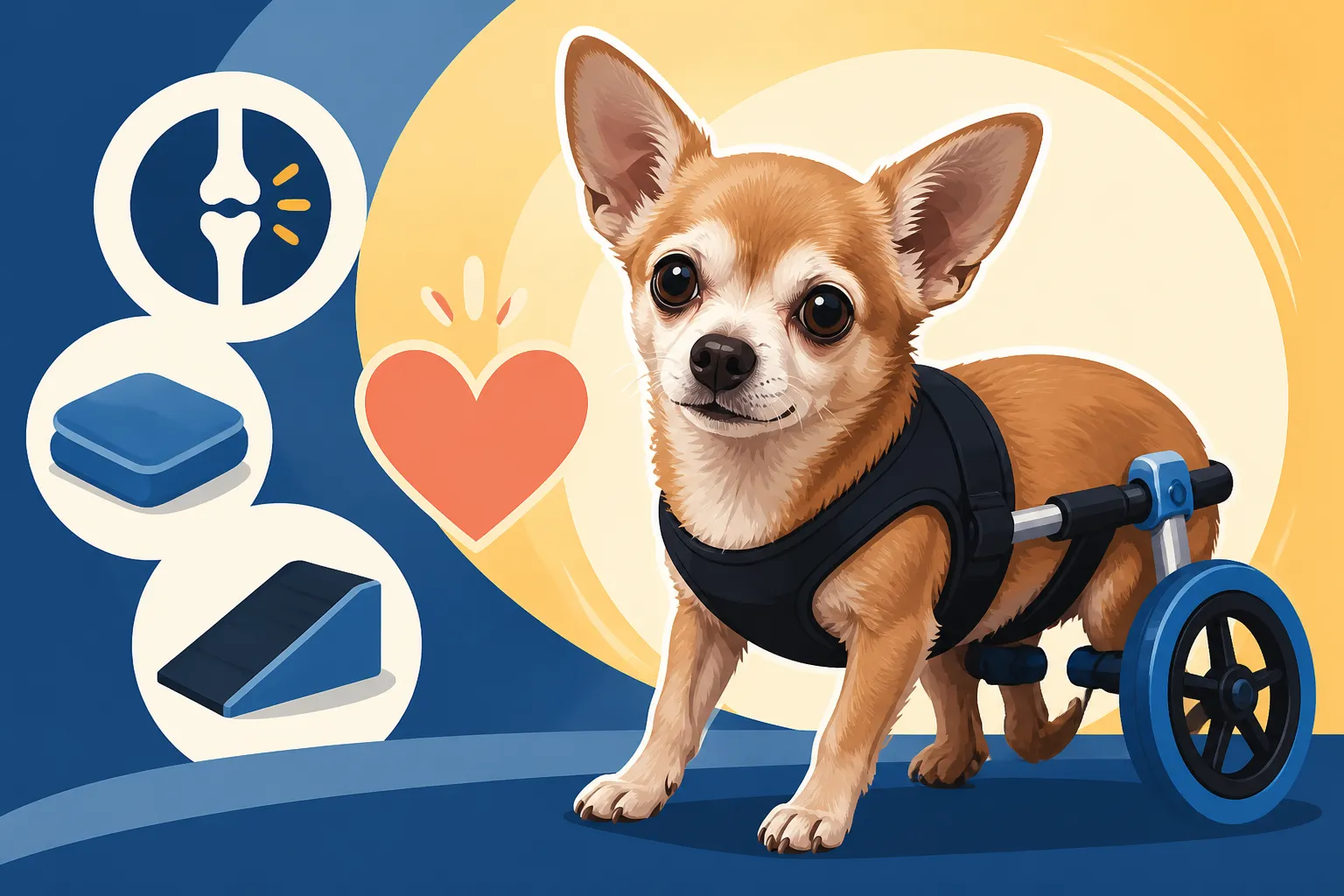
One of the most common culprits behind a senior Chihuahua's stiff gait and reluctance to jump is arthritis, also known as osteoarthritis or degenerative joint disease. Over years of use, the cartilage cushioning their joints wears down, leading to bone-on-bone friction, inflammation, and pain. Imagine trying to move with sandpaper in your knees – that's often what it feels like for them. Given their small size, even a minor degree of arthritis can significantly impair a Chihuahua’s quality of life. We often see it manifest in their hips, elbows, and most notably, their knees, especially if they’ve had a history of patellar luxation. This slipping kneecap condition, common in Chihuahuas, can accelerate the development of arthritis in their later years. A dog that used to hop onto the sofa might now struggle or refuse, preferring to stay on the floor. You might notice them walking more slowly, taking shorter steps, or even favoring a limb after a nap.
It's not just the big joints, either. Their tiny spine can also develop spondylosis, where bony spurs form between vertebrae, causing stiffness and sometimes nerve pain. This can make them reluctant to turn their head, arch their back, or even lift a leg to potty. Understanding that these changes are often painful, not just "lazy," is crucial for empathetic care.
Muscle Loss and Weakness
Sarcopenia, or age-related muscle loss, is another significant factor affecting a senior Chihuahua's mobility. Even if they’re eating well, older dogs naturally lose muscle mass, especially in their hindquarters. This loss of muscle means less support for their joints and a general decrease in strength, making them more prone to stumbling or losing balance. Think about how difficult it becomes for humans to do a deep squat as they age; for a tiny Chihuahua with less muscle, simply standing up from a lying position can become a monumental effort.
This muscle weakness can be compounded by inactivity due to pain. If moving hurts, they move less, which in turn leads to more muscle atrophy, creating a vicious cycle. You might observe a subtle swaying when they stand, difficulty climbing stairs they once bounded up, or a general shakiness in their legs, particularly after lying down for a while. Regular, gentle exercise, even just short, slow walks, can help maintain muscle tone, but it must be managed carefully to avoid exacerbating pain.
Neurological Changes Affecting Coordination
Beyond joint and muscle issues, some senior Chihuahuas can experience neurological changes that impact their coordination and balance. Degenerative myelopathy, though less common in Chihuahuas than some larger breeds, can still occur, leading to progressive weakness and incoordination, especially in the hind limbs. Other neurological issues, such as those related to a stroke or even the subtle effects of Cognitive Decline in a Fifteen Year Old Chihuahua, can manifest as disorientation, stumbling, or changes in gait.
Sometimes, their paw placement might become less precise, leading to "knuckling over" where they drag the top of their paw instead of planting it flat. This is particularly noticeable on uneven surfaces or when turning corners. These subtle changes can be incredibly frustrating for an otherwise alert and engaged Chihuahua, and frightening for their owners. It’s important to distinguish these from purely orthopedic pain, as the treatment approaches can differ significantly. If you notice any sudden or severe changes in coordination, it’s always best to consult your vet immediately.
Creating a Senior-Friendly Home Environment
Once you understand the underlying reasons for your Chihuahua's mobility struggles, the next vital step is to adapt their living space. Small changes can make a world of difference, turning a once challenging environment into a safe and accessible haven for your aging companion.
Non-Slip Surfaces and Traction Aids
One of the biggest hazards for a Chihuahua with compromised mobility is a slippery floor. Hardwood, tile, or laminate surfaces, which are often found in modern homes, can be like ice rinks for a dog with weak legs or arthritic joints. The constant slipping and struggling to gain purchase can cause fear, anxiety, and even further injury. It forces them to brace themselves, putting undue strain on already painful areas.
To combat this, strategically place non-slip rugs or runners in areas where your Chihuahua frequently walks, especially leading to their food and water bowls, their favorite napping spots, and entryways. Look for rugs with rubber backing that won't slide around. For extreme cases, or if rugs aren't feasible everywhere, consider applying paw grips or anti-slip socks specifically designed for dogs. Brands like PawZ Rubber Dog Boots (though technically boots, they offer fantastic grip) or Dr. Buzby’s ToeGrips can provide much-needed traction. Ensuring your senior Chihuahua has short, trimmed nails is also crucial, as overgrown nails can reduce paw pad contact and make slipping worse. A little extra grip can prevent falls, reduce strain, and significantly boost their confidence.
Ramps and Steps for Accessibility
Jumping on and off furniture is a significant cause of wear and tear on a Chihuahua’s joints throughout their life, and it becomes downright dangerous as they age. Even a small jump can put immense pressure on their spine and knees, exacerbating arthritis or causing new injuries. This is where ramps and steps become indispensable.
Invest in sturdy, low-incline ramps or pet steps for all their favorite spots – the sofa, your bed, and even car access if they still enjoy rides. There are many options available, from soft foam steps for smaller jumps to carpeted ramps for easier traction. The key is to introduce them gently and make them appealing. Place treats on the ramp, praise them for using it, and make it a positive experience. Avoid picking them up and placing them on furniture, as this removes their agency and doesn't teach them how to safely ascend or descend. Remember, consistency is key; teach them that the ramp is the only way up and down. You can find excellent advice on Ramps and Steps for a Chihuahua Sofa to help you make the right choice and implement them effectively.
Comfortable and Supportive Bedding
Just like humans, senior Chihuahuas need proper support while they rest. Hard floors or thin beds offer little cushioning for aching joints and can make stiffness worse. An orthopedic dog bed is not a luxury; it's a necessity for a fifteen-year-old Chihuahua.
Look for beds made with high-density memory foam that conforms to their body, providing even support and relieving pressure points. A bolstered bed, with raised sides, can also provide a sense of security and a comfortable place for them to rest their head, which can be particularly soothing for dogs experiencing Chihuahua Arthritis in the Teenage Years. Place these beds in quiet, warm areas of the house, away from drafts. Elevated beds can also be beneficial, keeping them off cold floors and making it easier for them to get in and out. Ensure the bed is sized appropriately – they should be able to stretch out comfortably without hanging off. A good night's sleep on a supportive bed can dramatically improve their comfort and reduce stiffness when they wake up.
Veterinary Support and Medical Treatments
While home modifications are crucial, partnering with your veterinarian is essential for managing your senior Chihuahua's mobility. They can accurately diagnose specific conditions and recommend tailored medical interventions.
Pain Management and Anti-Inflammatory Medications
The cornerstone of treating age-related mobility issues is often pain management. Your vet can prescribe Non-Steroidal Anti-Inflammatory Drugs (NSAIDs), such as carprofen (Rimadyl), meloxicam (Metacam), or firocoxib (Previcox). These medications work by reducing inflammation and pain, significantly improving your Chihuahua's comfort and willingness to move. It’s important to never give human pain medications like ibuprofen or acetaminophen, as these are toxic to dogs, especially small breeds.
Your vet will likely recommend blood work before starting NSAIDs, and periodically thereafter, to ensure your Chihuahua's kidneys and liver can process the medication safely. This is a standard procedure, especially for a Bloodwork on a Chihuahua Past Fourteen, as organ function can decline with age. If NSAIDs aren't sufficient or cause side effects, other pain medications like gabapentin (for nerve pain) or amantadine can be added to the regimen. The goal is to find the right balance that keeps your Chihuahua comfortable without adverse effects, helping them continue to enjoy their daily life, even if it’s a bit slower than it used to be.
Physical Therapy and Rehabilitation
Just like in humans, physical therapy can work wonders for an aging dog. It focuses on strengthening muscles, improving range of motion, and reducing pain through non-invasive techniques. A certified canine rehabilitation therapist can develop a customized plan for your Chihuahua. This might include gentle exercises, therapeutic massage, passive range of motion (PROM) exercises, and even modalities like cold laser therapy or hydrotherapy.
Hydrotherapy, often involving an underwater treadmill, is particularly beneficial because the buoyancy of the water reduces stress on their joints while allowing them to build muscle and improve gait. Imagine your tiny Chihuahua walking comfortably in water, feeling less pain and regaining strength. Cold laser therapy is another excellent option; it uses specific wavelengths of light to reduce inflammation and promote healing at a cellular level, providing localized pain relief. While these treatments might seem intensive for a small dog, they can be game-changers for improving comfort and mobility. Many pet insurance providers, like Healthy Paws, recognize the value of these therapies and may offer coverage for them, which can be a huge relief given the potential costs.
Acupuncture and Other Complementary Therapies
For owners seeking additional or alternative avenues for pain relief, acupuncture has gained significant traction in veterinary medicine. Performed by a certified veterinary acupuncturist, this ancient practice involves inserting very fine needles into specific points on the body to stimulate nerve function, release endorphins, and reduce pain and inflammation. Many Chihuahuas tolerate it surprisingly well, often becoming very relaxed during sessions.
Other complementary therapies, such as chiropractic adjustments (by a vet certified in animal chiropractic) or even herbal remedies, might also be considered. However, it is absolutely critical that any complementary therapy is performed by a qualified veterinary professional who understands canine anatomy and physiology, especially for a delicate senior Chihuahua. Always discuss these options with your primary veterinarian to ensure they are safe and appropriate for your dog, and to integrate them effectively into their overall care plan. These therapies are often used in conjunction with conventional medicine, offering a holistic approach to keeping your Senior Chihuahua Care Past the Age of Twelve as comfortable as possible.
Nutritional Strategies and Supplements for Joint Health
Diet and appropriate supplements play a pivotal role in supporting your senior Chihuahua's joint health and overall mobility. Every calorie and nutrient counts, especially for a tiny dog with a sensitive system.
Weight Management for Joint Relief
This might sound obvious, but maintaining a healthy weight is arguably one of the most impactful things you can do for a senior Chihuahua with mobility issues. Even one extra pound on a small frame like a Chihuahua’s is equivalent to many pounds on a larger dog and puts tremendous strain on their already compromised joints. Imagine carrying an extra backpack all day, every day – it would wear you out and make your joints ache. This is precisely why What One Extra Pound Does to a Chihuahua is so significant.
Your vet can help you determine your Chihuahua's ideal weight and create a caloric plan if they need to shed a few ounces. This usually involves reducing calorie intake slightly and ensuring they get consistent, gentle exercise. Don't fall into the trap of overfeeding treats; these tiny calories add up fast. Opt for low-calorie options or break even small treats into minuscule pieces. Even a slight reduction in weight can lead to a noticeable improvement in their mobility, energy levels, and overall comfort, taking significant pressure off their hips, knees, and spine.
Joint-Supporting Supplements
Many owners turn to joint supplements to support their aging Chihuahuas, and for good reason. The most common and well-researched supplements include glucosamine, chondroitin, and Omega-3 fatty acids.
- Glucosamine and Chondroitin: These are natural components of healthy cartilage. While supplements don't regrow cartilage, they can help slow its breakdown, promote its repair, and reduce inflammation. They work best when given consistently over time.
- Omega-3 Fatty Acids: Found in fish oil, these are powerful natural anti-inflammatories. They can help reduce joint pain and stiffness, improve coat health, and even support cognitive function. The dosage is critical for small dogs, so always use a veterinary-specific product and follow your vet’s recommendations.
Other supplements like MSM (Methylsulfonylmethane) and green-lipped mussel extract are also gaining popularity for their anti-inflammatory properties. When choosing a supplement, always look for reputable brands with third-party testing to ensure purity and potency. Discussing Joint Supplements for a Chihuahua With Bad Knees with your vet is crucial to select the right product and dosage for your specific dog. Some dog food brands now offer senior formulas fortified with these ingredients, which can be a convenient way to integrate them into their daily diet.
Here's a quick overview of common joint supplements:
| Supplement | Primary Benefit | Common Forms | Considerations for Chihuahuas |
|---|---|---|---|
| Glucosamine HCl | Supports cartilage repair, reduces inflammation | Chewable tablets, powders, liquids | Choose liquid or small chewables for easy dosing; check for quality and veterinary formulation. |
| Chondroitin Sulfate | Enhances cartilage elasticity, inhibits enzymes | Chewable tablets, powders, liquids | Often combined with glucosamine; ensure appropriate concentration for small breeds. |
| Omega-3 Fatty Acids | Powerful anti-inflammatory, joint lubrication | Fish oil soft gels, liquid oils (EPA/DHA) | Use veterinary-grade fish oil; store properly to prevent rancidity; dose carefully for tiny dogs. |
| MSM (Methylsulfonylmethane) | Anti-inflammatory, pain relief | Powders, chewable tablets | Can be added to a glucosamine/chondroitin regimen; ensure palatability for picky eaters. |
| Green-Lipped Mussel | Comprehensive joint support, anti-inflammatory | Powders, treats | Look for freeze-dried options; ensure the product is free from harmful additives. |
Balanced and Age-Appropriate Diet
Finally, ensure your fifteen-year-old Chihuahua is on a high-quality, age-appropriate diet. Senior dog foods are often formulated with fewer calories (to prevent weight gain in less active dogs) and higher levels of joint-supporting nutrients. They also tend to be more palatable and easier to digest, which can be beneficial for older dogs. Some might have special textures to accommodate dogs with Chihuahua Dental Disease in a Crowded Small Jaw or missing teeth.
Consider feeding smaller, more frequent meals if your Chihuahua has a sensitive stomach or is prone to hypoglycemia, which can still be a concern even in older Chihuahuas, particularly if they are underweight or stressed. Hydration is also incredibly important for joint health and overall well-being. Make sure fresh water is always accessible, perhaps even offering a second bowl in their favorite napping area if mobility makes it hard to get to their usual spot. A balanced diet provides the foundation for all other mobility efforts, fueling their body to stay as active and comfortable as possible for years to come.
Ultimately, helping a fifteen-year-old Chihuahua with mobility issues is a marathon, not a sprint. It requires patience, observation, and a close partnership with your veterinarian. By proactively addressing their pain, adapting their environment, and providing excellent nutritional support, you can make a profound difference in their comfort and extend their happy, active years.
Disclaimer
This article is for informational purposes only and is not a substitute for professional veterinary advice. Always consult with your veterinarian regarding any health concerns or before making any changes to your Chihuahua's diet, exercise routine, or medical treatment plan.