Vaccine Reactions in a Toy Sized Chihuahua
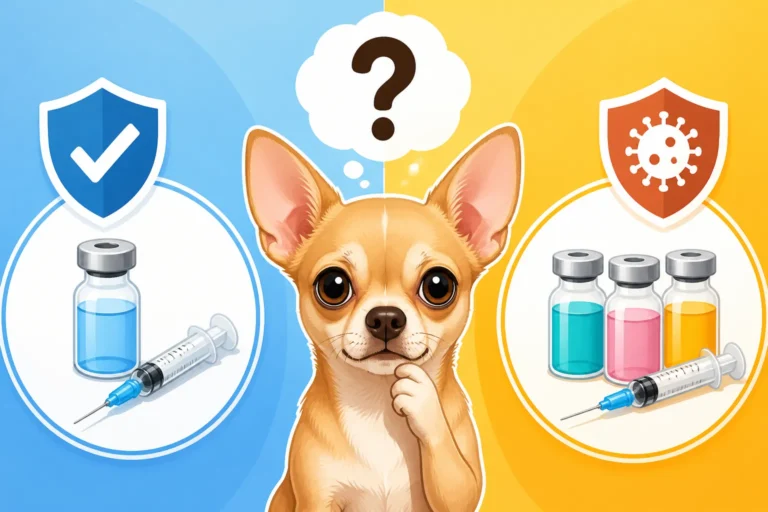
It's completely understandable to feel a pang of anxiety when it's time for your tiny Chihuahua to get their vaccinations. You look at their delicate frame, their little trembling body, and you can't help but wonder if those standard doses are really safe for such a small dog. This concern is incredibly valid, as toy breeds can sometimes react differently to medical treatments than their larger counterparts. This comprehensive guide will walk you through everything you need to know about vaccine reactions in toy-sized Chihuahuas, from understanding the risks to preparing for their shots and knowing exactly what to do if a reaction occurs, ensuring you can protect your little companion safely and confidently.
Understanding Vaccine Reactions in Small Dogs
When it comes to vaccinations, the size of your Chihuahua absolutely plays a role in how they might experience a reaction, though it's important to differentiate between a common, mild side effect and a true, more severe adverse event. Many owners worry that because Chihuahuas are so small, the standard vaccine dose might be "too much" for them. However, vaccine doses are formulated based on the immune response needed, not body weight, which can be a bit counter-intuitive for us as pet parents.
Why Size Matters for Vaccine Protocols
While the actual amount of vaccine antigen isn't scaled down for a tiny Chihuahua versus a Great Dane, their smaller body mass and faster metabolism can sometimes influence the manifestation of a reaction. For instance, a mild fever or a bit of lethargy might be barely noticeable in a large dog, but in a three-pound Chihuahua, it can make them seem profoundly unwell. This isn't because the vaccine is inherently more dangerous for them, but because their reserves are smaller, and any systemic upset can present more dramatically. Their immune system is still designed to handle the vaccine components, but their physical response to inflammation or discomfort can be more pronounced. This often leads to worried owners rushing to the vet, which is always the right call if you're concerned, but it highlights why vigilance is key with toy breeds.
Think about it this way: a small bruise on your arm is one thing, but a small bruise on a delicate piece of jewelry is much more obvious and potentially impactful to its structure. Similarly, a minor inflammatory response in a large dog might pass unnoticed, whereas in a Chihuahua, it might mean they curl up in their bed, refuse to eat for a few hours, or tremble more than usual, leading to concerns about conditions like Chihuahua Hypoglycemia and the Puppy Emergency. It's not the vaccine itself that's "too big," but rather the physiological response in a compact system.
Common Local and Systemic Reactions
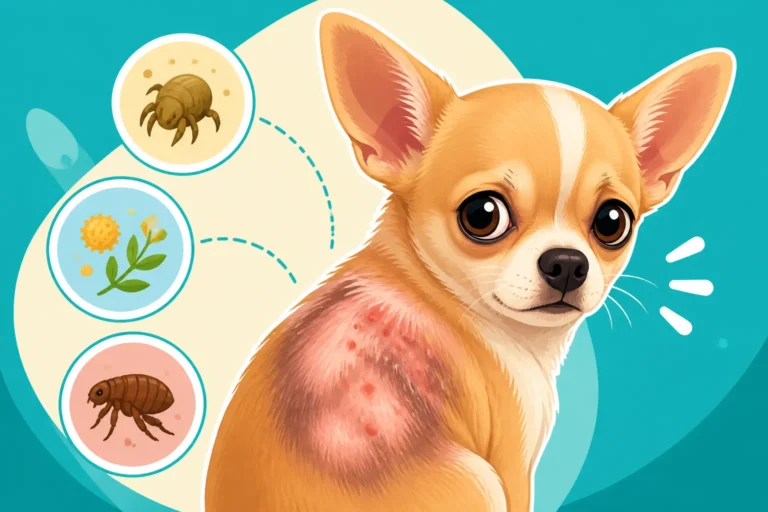
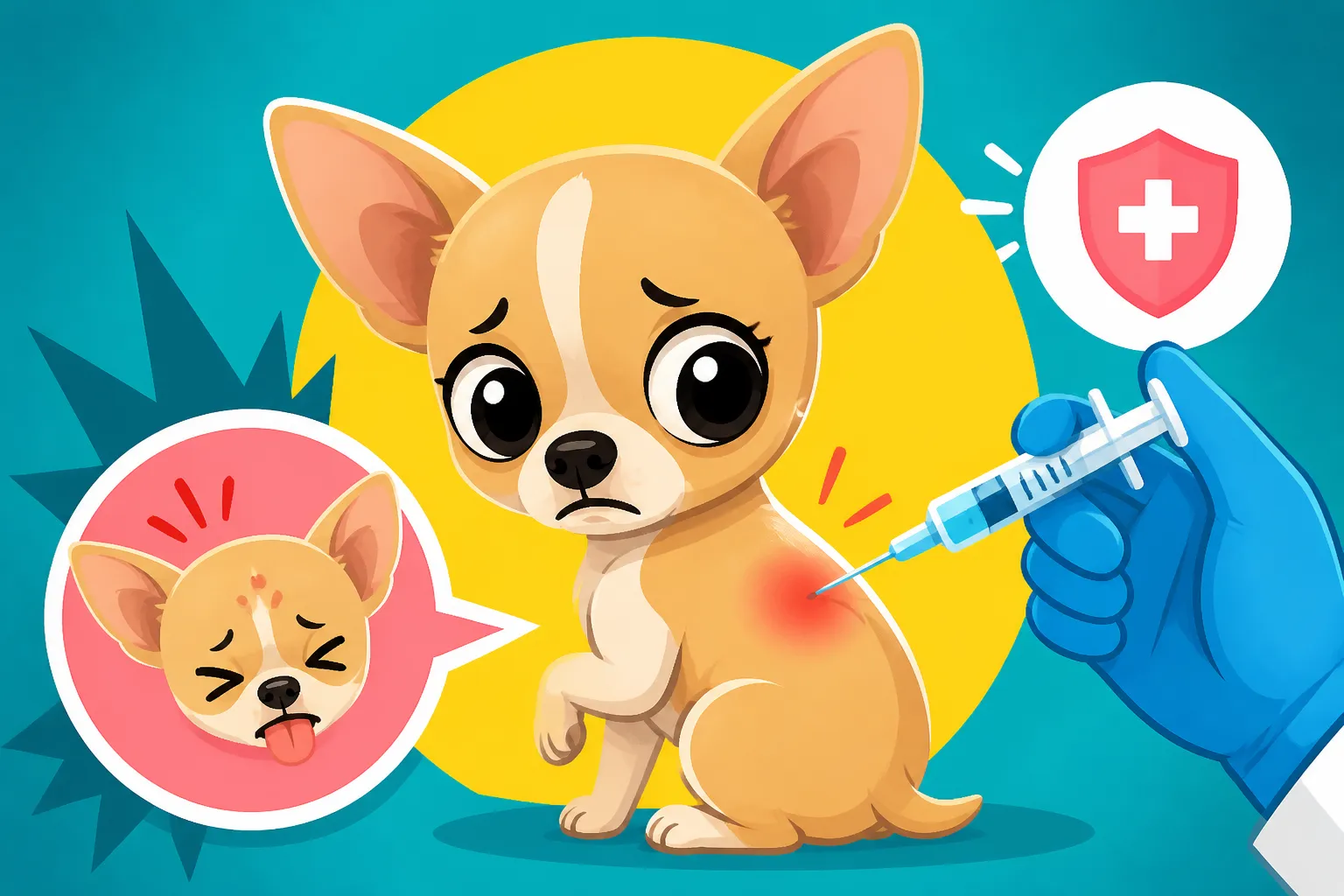
Most vaccine reactions, regardless of dog size, are mild and self-limiting. You might notice a bit of soreness or swelling at the injection site. This is often just a small lump under the skin, which can feel hard or tender to the touch. Your Chihuahua might pull away if you try to pet them there, or they might lick at the area. This local reaction is simply their immune system getting to work, creating an inflammatory response to the vaccine. These lumps usually disappear within a few days, though some can persist as small, firm nodules for a few weeks. It's important to monitor them to ensure they aren't getting larger or becoming excessively painful.
Beyond the injection site, systemic reactions are also common. These are typically mild and transient, mirroring how humans might feel after a flu shot. Your Chihuahua might seem a little quieter than usual, perhaps a bit sleepy or subdued. They might have a slight fever, which can sometimes manifest as shivering or being less active. Some Chihuahuas might experience a temporary loss of appetite or a mild, isolated episode of vomiting or diarrhea. These symptoms usually resolve within 24 to 48 hours. It's a completely normal response as their body builds immunity, but it can be unsettling to see your energetic little companion feeling under the weather. This is where pet insurance, like plans offered by Healthy Paws, can be incredibly reassuring, covering the unexpected vet visits that might arise from these perfectly normal, albeit concerning, symptoms.
Anaphylaxis and Severe Reactions
While rare, severe reactions, particularly anaphylaxis, are what truly concern every pet parent. Anaphylaxis is an immediate, life-threatening allergic reaction that requires emergency veterinary intervention. The signs can be sudden and dramatic, often occurring within minutes to a few hours after vaccination. Look for generalized swelling, especially of the face, muzzle, or around the eyes. Your Chihuahua's ears might look puffy, or their lips might swell. They might develop hives, which appear as raised, itchy bumps all over their body, though these can be harder to spot under a thick coat. Vomiting and diarrhea can be more severe and persistent than with mild systemic reactions.
More dangerously, an anaphylactic reaction can cause difficulty breathing, characterized by wheezing, labored breathing, or even collapse. Their gums might become pale or bluish, indicating a lack of oxygen. They may appear weak, disoriented, or even lose consciousness. This is a true emergency, and you need to get your Chihuahua to the vet immediately. Having access to your vet's emergency line or knowing the nearest 24-hour emergency clinic is vital. Even if you have to pay a significant emergency bill, it’s about saving your dog’s life. Many pet parents find peace of mind by enrolling in pet insurance plans, such as those from Healthy Paws, which can significantly alleviate the financial burden of such critical, unexpected veterinary care, including diagnostics and treatment for anaphylaxis.
Preparing Your Chihuahua for Vaccination
Preparation is key to minimizing stress and potential reactions for your Chihuahua. A thoughtful approach can make a world of difference, not just for their physical well-being but also for their emotional comfort. You want to make the vet visit as calm as possible, especially since Chihuahua Fear Reactivity, the Breed's Real Problem, can sometimes escalate around new experiences and people.
Pre-Vaccine Health Check-ups
Before any vaccination, your Chihuahua should receive a thorough health check-up from your veterinarian. This is crucial to ensure they are in optimal health, as vaccines are most effective and safest when administered to healthy animals. Your vet will listen to their heart and lungs, check their temperature, palpate their abdomen, and examine their eyes, ears, and teeth. They’ll discuss your Chihuahua's lifestyle, potential exposure risks, and any previous vaccine history. If your Chihuahua is showing any signs of illness—even something as subtle as a runny nose, coughing, or lethargy—the vaccination should be postponed. Their immune system needs to be ready to mount a strong, healthy response to the vaccine, not already fighting off another illness.
For puppies, this check-up also helps confirm they are not dealing with issues like internal parasites, which can suppress their immune system. For senior Chihuahuas, a pre-vaccine check might include blood work to assess organ function, especially if they have underlying conditions like Chihuahua Heart Disease as the Breed Ages. A healthy dog is better equipped to handle the vaccine, and your vet's assessment is the best way to ensure this. Don't be afraid to ask questions or express any concerns you have about your Chihuahua's health before they get their shots; your vet is there to help.
Spacing Out Vaccinations for Toy Breeds
One of the most effective strategies for toy breeds is to discuss a spaced-out vaccination schedule with your vet. Instead of giving multiple vaccines in one visit, which can sometimes overwhelm a smaller dog's system, your vet might recommend administering one or two vaccines at a time, with two to three weeks between appointments. For example, your Chihuahua might get their Distemper/Parvovirus vaccine at one visit, and then their Rabies vaccine at a separate visit a few weeks later. This approach allows their immune system to respond to fewer antigens at once and can significantly reduce the likelihood and severity of systemic reactions.
While it means more trips to the vet, many owners find this a small price to pay for their Chihuahua's comfort and safety. It’s also an excellent opportunity to practice positive reinforcement during vet visits, making each trip a little less stressful. Discuss this option with your vet, especially if your Chihuahua has a history of sensitivity to vaccines or if you are simply anxious about giving multiple shots at once. It’s a common and well-accepted practice for toy breeds, reflecting a growing understanding in veterinary medicine about tailoring protocols to individual needs.
Medications and Support Before the Shot
In some cases, especially if your Chihuahua has had a previous mild reaction, your vet might suggest pre-treating them with certain medications. This could include an antihistamine, like diphenhydramine (Benadryl), given orally about 30 minutes to an hour before the vaccination. Antihistamines can help reduce allergic-type reactions such as swelling or hives. However, it's absolutely crucial that you never administer any medication to your Chihuahua without explicit instructions and dosing information from your veterinarian. The wrong dose can be dangerous for such a small dog.
Beyond medication, providing comfort and support is invaluable. Make sure your Chihuahua is calm and well-rested before the appointment. Bring their favorite blanket or a special toy to the vet’s office. Offer a high-value treat immediately after the shot to create a positive association. Many vets have small, palatable treats on hand, or you can bring your own Treats Small Enough for Chihuahua Training. Keep them warm and comfortable on the ride home, especially if it’s cold outside, as stress and cold can sometimes trigger issues like Why Cold and Stress Drop Chihuahua Blood Sugar. A little extra pampering can go a long way in easing their recovery.
Recognizing and Responding to a Reaction
Even with the best preparation, reactions can happen. The key is to be observant and know when to act. Many Chihuahuas, especially puppies, can be prone to Low Body Temperature in a Chihuahua Puppy or Trembling and Weakness in a Chihuahua Puppy if they're feeling unwell, so recognizing the subtle signs is essential.
What to Watch for After Vaccination
The first 24 to 48 hours after vaccination are the most critical for observing your Chihuahua. You should monitor them closely for any changes in behavior or physical symptoms. Keep an eye on the injection site for any unusual swelling, redness, or pain beyond a slight tenderness. Check their body for any hives or bumps, particularly on their belly or inner thighs where the fur is thinner. Observe their breathing; look for any changes in effort, such as rapid, shallow breaths or obvious panting when they aren't exercising.
Pay attention to their overall demeanor. Are they more lethargic than usual? Are they interested in their food and water? Are they engaging in play, or do they seem withdrawn? While mild changes are often normal, a significant shift in their usual routine warrants closer inspection. If your Chihuahua usually greets you with boundless energy but is now hiding under a blanket and refusing to eat, that’s a red flag. Trust your gut instinct; you know your Chihuahua best, and if something feels "off," it probably is.
Here's a quick reference table for common vaccine reactions:
| Reaction Type | Symptoms | Onset Time | Severity | When to Act |
|---|---|---|---|---|
| Local Pain/Swelling | Small lump, tenderness at injection site, mild limping | Hours to 1-2 days | Mild | Monitor, apply warm compress if advised by vet |
| Lethargy/Fever | Sleepiness, reduced appetite, shivering, mild vomiting/diarrhea | 6-24 hours | Mild-Moderate | Provide quiet rest, ensure hydration. Call vet if worsening. |
| Facial Swelling/Hives | Puffy face/muzzle/eyes, raised itchy bumps | Minutes to 4 hours | Moderate-Severe | Seek immediate vet attention |
| Anaphylaxis | Severe swelling, difficulty breathing, collapse, pale gums, severe vomiting/diarrhea | Minutes to 1 hour | Critical | Emergency vet immediately |
Immediate Steps for Mild Reactions
If you notice mild symptoms like slight lethargy, a temporary loss of appetite, or a small, non-painful lump at the injection site, the best first step is to provide a quiet, comfortable environment for your Chihuahua. Keep them warm with blankets, offer small amounts of bland food if they're willing to eat, and ensure they have access to fresh water. Gentle monitoring is usually all that’s needed. Avoid strenuous exercise or too much excitement. These mild reactions typically resolve on their own within 24 to 48 hours.
If you’re concerned, even if the reaction seems mild, don't hesitate to call your veterinarian. They can provide specific advice tailored to your Chihuahua and tell you whether an office visit is necessary. It’s always better to err on the side of caution with a tiny breed. Your vet might suggest observing for a few more hours, or they might recommend bringing them in if symptoms persist or worsen. Remember, what seems like a minor issue in a larger dog can be more impactful for a Chihuahua, so your vet will appreciate your diligence. Many pet insurance providers, including Healthy Paws, recognize that even minor issues can incur vet visit fees, making coverage beneficial.
When to Seek Emergency Veterinary Care
Knowing when to rush to the emergency vet is paramount. If your Chihuahua exhibits any signs of a severe allergic reaction or anaphylaxis, do not wait. This includes:
- Rapid or severe facial swelling, especially around the eyes, muzzle, or ears.
- Hives that spread quickly and seem intensely itchy.
- Difficulty breathing (wheezing, gasping, labored chest movements).
- Collapse or severe weakness.
- Pale or blue-tinged gums.
- Persistent, severe vomiting or diarrhea.
These symptoms indicate a critical emergency. Call your vet or the nearest emergency animal hospital while you are on your way. Alert them to your arrival so they can be prepared to provide immediate care. Time is of the essence in these situations. Swift action can save your Chihuahua's life, and knowing the location of an emergency vet beforehand can save precious minutes. Having a plan for The Emergency Bills That Reach Chihuahua Owners can also ease the stress during such moments, where the focus should solely be on your pet's health.
Long-Term Considerations for Chihuahua Vaccinations
Thinking long-term about your Chihuahua's health, particularly regarding vaccinations, is a responsible approach. It involves a partnership with your vet to create a protocol that balances protection with minimal risk, especially as your Chihuahua ages. This is part of providing comprehensive Senior Chihuahua Care Past the Age of Twelve.
Titers and Reduced Vaccine Schedules
For adult Chihuahuas, especially those who have completed their initial puppy series and subsequent booster shots, discussing vaccine titers with your vet can be a valuable option. A titer test measures the level of antibodies in your dog's blood for specific diseases (like Distemper, Parvovirus, and Adenovirus). If the titer levels are sufficiently high, it indicates that your Chihuahua still has adequate protection and may not need a booster vaccination that year. This can be particularly appealing for owners of Chihuahuas who have previously experienced vaccine reactions, even mild ones, as it reduces the frequency of vaccination while ensuring they remain protected.
While Rabies vaccination is legally mandated at specific intervals in most regions, making titer testing less applicable for that particular vaccine, for core vaccines like Distemper/Parvovirus, titers offer a personalized approach. It's a way to truly evaluate Whether a Chihuahua Needs Fewer Vaccines. This approach not only minimizes potential vaccine reactions but also aligns with the evolving understanding in veterinary medicine of providing individualized care. However, titer tests do come with a cost, so it’s something to factor into your overall pet care budget.
Discussing Risk vs. Benefit with Your Vet
Ultimately, the decision regarding your Chihuahua's vaccination schedule should always be a collaborative discussion between you and your veterinarian, weighing the risks against the benefits. Vaccines are one of the most effective tools we have to prevent serious, often fatal, infectious diseases. The vast majority of Chihuahuas tolerate them very well, and the protection they offer far outweighs the small risk of a reaction. However, understanding your individual Chihuahua's health history, lifestyle (e.g., whether they attend Puppy Classes That Group Chihuahuas With Toys or are mostly homebound), and any previous sensitivities is crucial.
Your vet can help you navigate questions about non-core vaccines (like Leptospirosis or Bordetella), recommending them only if your Chihuahua's risk of exposure justifies it. For example, a Chihuahua who frequently visits dog parks or daycares might benefit from the Leptospirosis vaccine, whereas one who rarely leaves the house might not. This thoughtful, tailored approach ensures your tiny companion receives the protection they need without unnecessary exposure. Remember, open communication with your vet is your best ally in ensuring your Chihuahua lives a long, healthy, and happy life, free from preventable diseases.
Disclaimer
The information provided in this article is for general informational purposes only and does not constitute veterinary advice. Always consult with a qualified veterinarian for any health concerns or before making any decisions related to your Chihuahua's health or treatment.