Telling a Heart Cough From a Trachea Cough
It’s a sound that can make any Chihuahua owner’s heart skip a beat: that sudden, alarming cough from your tiny companion. You race over, your mind cycling through a million possibilities – did they swallow something? Are they choking? Or is it something much more sinister, like a serious heart condition or a collapsing windpipe? This guide is here to walk you through the distinct differences between a cough stemming from heart disease and one caused by tracheal collapse, offering clarity in those terrifying moments.
Understanding the Chihuahua Coughing Conundrum
Chihuahuas, for all their adorable charm and spirited personalities, are unfortunately predisposed to a few health issues that can manifest as a cough. Their tiny stature and delicate systems mean that problems common in dogs can become particularly pronounced or urgent in a Chihuahua. When your little dog starts coughing, it’s not just a minor annoyance; it’s a symptom that demands careful attention and a clear understanding to ensure you get them the right help, fast. The sheer panic that can set in when you hear that distinctive honk or wheeze is completely understandable, because for these tiny dogs, even seemingly small issues can escalate quickly.
Why Chihuahuas Are Prone to Respiratory and Cardiac Issues
One of the reasons Chihuahuas often face these specific health challenges lies in their unique anatomy. Many Chihuahuas, especially those with the "apple head" skull, have a shorter snout, which can contribute to respiratory quirks. More significantly, their trachea (windpipe) is relatively narrow, making it susceptible to the wear and tear that can lead to collapsing trachea. Imagine a tiny straw that, over time, starts to lose its rigidity – that's often what happens.
On the cardiac side, like many small breeds, Chihuahuas are prone to heart conditions, with mitral valve disease being particularly common as they age. This is where the valve between the two left chambers of the heart starts to thicken and leak, making the heart work harder and sometimes leading to fluid buildup in the lungs. It’s a silent condition until it’s not, and often, a cough is one of the first outward signs that something is amiss. Owners often feel a pang of guilt wondering if they missed earlier subtle signs, but these conditions can indeed creep up slowly. For more on this, you might find our article on Mitral Valve Disease in an Older Chihuahua insightful.
The Urgency of Distinguishing Cough Types
Knowing the difference between a heart cough and a trachea cough isn't just academic; it’s critical for your Chihuahua's well-being. Both conditions can be serious, but their treatments, prognoses, and immediate management differ significantly. Misidentifying the cause can lead to delays in appropriate care, which could have severe consequences for a dog as small and fragile as a Chihuahua. For instance, giving cough suppressants for a tracheal issue when the actual problem is fluid in the lungs due to heart failure could worsen the situation dramatically.
Beyond the medical implications, there’s the emotional toll on you, the owner. That feeling of helplessness as your tiny friend struggles to breathe is unbearable. Having a clearer idea of what might be happening empowers you to give your vet more targeted information, potentially speeding up diagnosis and easing your anxiety. It helps you advocate effectively for your pet.
Decoding the Tracheal Collapse Cough
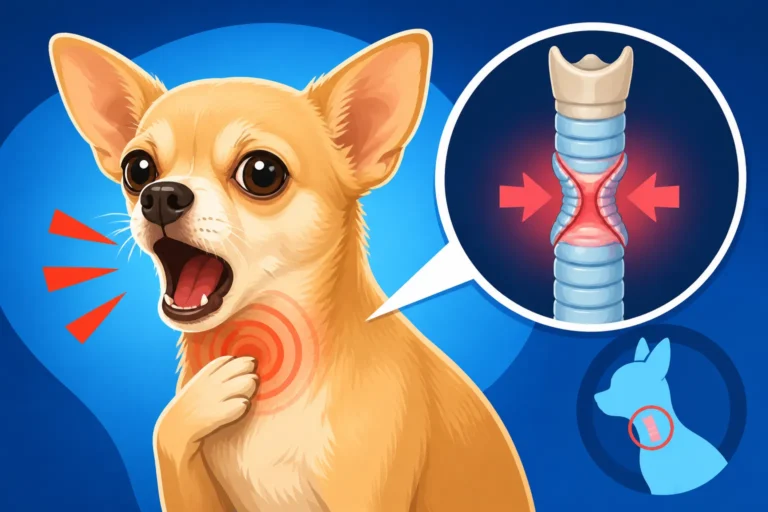
When a Chihuahua has a collapsing trachea, it means the rings of cartilage that hold their windpipe open weaken and flatten, making it harder for air to pass through. This is an incredibly common issue in Chihuahuas and other toy breeds, and it's often the first thing owners suspect when they hear that characteristic cough. The sound itself is often the biggest clue, but understanding its triggers and accompanying symptoms is key.
The Sound and Triggers of a Tracheal Cough
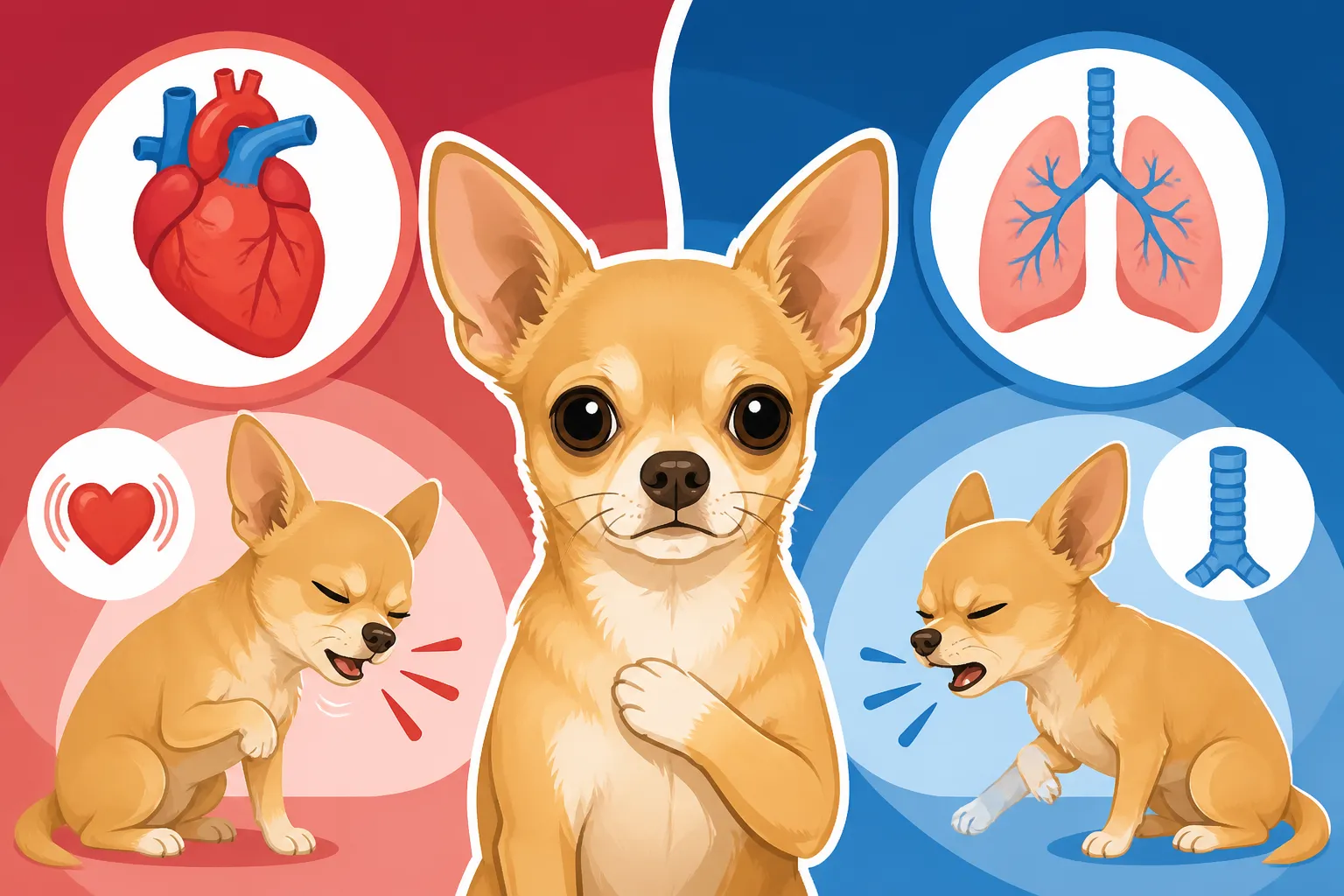
The hallmark of a collapsing trachea is a distinct, dry, harsh, honking cough. Think of a goose honking or a seal barking – that’s often how owners describe it. It's not a wet, productive cough, but rather a hacking sound as the dog tries to clear its airway, often unsuccessfully. You’ll hear it most often during times of excitement, when they pull on their leash (even if it's a harness, sometimes), after drinking water quickly, or when they're simply over-exerted. Even a slight change in air quality, like someone spraying perfume or being exposed to cigarette smoke, can set off a fit. If your Chihuahua gets super excited to see you after a long day and then starts honk-honk-honking, that’s a pretty strong indicator of a potential tracheal issue. Our article on Collapsing Trachea and the Chihuahua Honking Cough delves deeper into this particular sound.
Other Symptoms Accompanying Tracheal Collapse
Beyond the honking, you might notice other signs if your Chihuahua is dealing with tracheal collapse. They might seem to struggle more during exercise, becoming winded quickly. Some dogs will extend their neck out and open their mouth wide in an effort to get more air. In severe cases, especially during a coughing fit, their gums might even turn a bluish tint, indicating a lack of oxygen – this is an emergency situation.
You might also observe that certain activities consistently trigger the cough. Perhaps a sudden jump off the couch or even barking intensely at the mailman leads to a coughing spell. Owners often report that putting a collar on their Chihuahua, even briefly, seems to make things worse, which is why a harness is almost always recommended for these little dogs. You can learn more about this in Why a Harness Matters for a Chihuahua Windpipe.
Diagnostic Steps for a Collapsing Trachea
Diagnosing tracheal collapse usually involves a visit to your veterinarian who will start by listening to your Chihuahua's chest and sometimes gently palpating their trachea, which can often induce a cough. They might recommend chest X-rays, often taken during both inhalation and exhalation, to visualize the trachea and see if it's narrowing. Sometimes, more advanced diagnostics like fluoroscopy (a moving X-ray) or bronchoscopy (inserting a tiny camera into the airway) are used to get a clearer picture of the severity of the collapse. Your vet will be looking to grade the collapse, from Grade I (mild) to Grade IV (severe), which impacts the treatment plan. You can read more about this in Chihuahua Tracheal Collapse Grades on an X-Ray. Often, a good vet will rule out other conditions like heart disease simultaneously, as the symptoms can sometimes overlap.
Recognizing the Heart-Related Cough
A cough related to heart disease is often a sign of congestive heart failure (CHF), particularly mitral valve disease, which is unfortunately common in older Chihuahuas. When the heart isn't pumping efficiently, fluid can back up into the lungs, causing congestion, and that congestion manifests as a cough. This type of cough often signifies a more advanced stage of heart disease, making prompt diagnosis and treatment crucial.
The Characteristics of a Cardiac Cough
Unlike the dry, honking cough of tracheal collapse, a cardiac cough is typically softer, wetter, and often described as a "moist" or "gurgling" cough. It sounds like there's fluid in the lungs, which is precisely what's happening. This cough tends to worsen when your Chihuahua is lying down, especially at night or early in the morning, because gravity allows fluid to settle more easily in the lungs. You might find your dog restless at night, struggling to find a comfortable position. If your little one starts coughing intensely while curled up in their bed at 2 AM, that’s a red flag for a potential heart issue. Our article Coughing at Night in a Chihuahua With Heart Disease offers more context here.
Associated Signs of Heart Disease in Chihuahuas
A cardiac cough is rarely the only symptom of heart disease. You might notice your Chihuahua seems less energetic, tires easily during walks, or is generally more lethargic. They might have a reduced appetite, or perhaps you've observed subtle weight loss despite their usual food intake. Another significant sign is increased respiratory rate, even at rest. If you count their breaths per minute while they're sleeping peacefully and it's consistently above 30, that's cause for concern.
Fainting or collapsing episodes, especially after excitement or exertion, are also serious indicators. You might also notice a distended abdomen if fluid is backing up elsewhere in the body. These signs, combined with a wet cough, paint a clearer picture of potential heart failure. For detailed information on the health of aging Chihuahuas, consider reading about Senior Chihuahua Care Past the Age of Twelve.
How Vets Diagnose Chihuahua Heart Conditions
When your vet suspects heart disease, they'll perform a thorough physical exam, listening carefully to your Chihuahua's heart for any murmurs. A heart murmur is an abnormal sound caused by turbulent blood flow, and its presence and grade can provide valuable clues. They might then recommend an echocardiogram, which is an ultrasound of the heart, allowing them to visualize the heart's structure and function in real-time. This is the gold standard for diagnosing heart disease. Chest X-rays are also vital, as they can reveal fluid in the lungs (pulmonary edema) and show if the heart is enlarged. Blood tests might also be performed to check overall organ function, especially before starting any cardiac medications. Understanding Chihuahua Heart Murmurs and What Grade Matters can help you interpret your vet's findings. This comprehensive diagnostic work-up is crucial, and knowing that expenses can add up, some owners rely on pet insurance like Healthy Paws to help manage these significant costs.
Key Differences and When to Act
Differentiating between these two common coughs in Chihuahuas can be tricky, but understanding the nuances in their sound, timing, and accompanying symptoms is paramount. This knowledge empowers you to act swiftly and provide your vet with the most accurate information.
Distinguishing Features: Sound, Time, and Progression
Let's break down the primary differences into an easy-to-understand comparison:
| Feature | Tracheal Collapse Cough | Heart-Related Cough |
|---|---|---|
| Sound | Dry, harsh, honking (like a goose or seal), hacking | Softer, wetter, gurgling, sometimes a soft choke |
| Triggers | Excitement, pulling on leash, drinking, exercise, stress, inhaling irritants | Lying down (especially at night), rest, exertion |
| Timing | Often sporadic, triggered by specific events | Worse at night/early morning, or when resting/sleeping |
| Associated Symptoms | Wheezing, difficulty breathing, extended neck, bluish gums (severe) | Lethargy, reduced exercise tolerance, increased breathing rate at rest, restless sleep, fluid retention, fainting |
| Progression | Can be intermittent, worsen with age/weight | Tends to progress, symptoms gradually worsen over time |
Think about your Chihuahua's behavior. Does he launch into a honking fit every time the doorbell rings? That’s leaning towards a tracheal issue. Does she seem uncomfortable lying down at night, making a soft, wet cough? That's more indicative of a cardiac problem. It’s not always black and white, but these distinctions are a strong starting point for discussion with your vet.
Why Early Veterinary Intervention Matters
For both conditions, early diagnosis and intervention can dramatically improve your Chihuahua's quality of life and potentially extend their lifespan. If it's tracheal collapse, your vet might recommend medications to reduce inflammation and suppress the cough, as well as lifestyle changes like switching to a harness and managing their weight. For some severe cases, surgery might be an option. Knowing your options for Chihuahua Cough Medication and Long-Term Care is vital.
For heart disease, early detection means starting cardiac medications that can manage fluid buildup, support heart function, and slow the progression of the disease. These medications can make a world of difference, giving your Chihuahua more comfortable, active years. Don't delay a vet visit, even if you’re unsure of the cause. A quick call to your vet, explaining the cough and associated symptoms, can guide you on the urgency. Pet insurance providers like Healthy Paws can be a real lifesaver when faced with unexpected diagnostic tests or long-term medication regimens.
Managing Chronic Coughs and Improving Quality of Life
Living with a Chihuahua who has a chronic cough, whether from tracheal collapse or heart disease, requires ongoing management and a commitment to their comfort.
For tracheal collapse, weight management is crucial, as even a pound of extra weight puts more strain on the trachea. Maintaining a healthy weight, which you can read more about in Weight Loss as Chihuahua Trachea Treatment, can significantly alleviate symptoms. Avoiding irritants like smoke, dust, and strong perfumes in your home is also important. Using a humidifier can sometimes help with dry coughs. Make sure your Chihuahua wears a harness and not a collar to avoid pressure on their windpipe.
For heart disease, consistent medication administration is non-negotiable. Regular vet check-ups, often every few months, are essential to monitor the progression of the disease and adjust medications as needed. Limiting strenuous exercise and ensuring a calm, low-stress environment can also help. Dietary changes, such as a low-sodium diet, might be recommended to help manage fluid retention. As your Chihuahua ages and these conditions become more prevalent, the cost of specialized food and frequent vet visits can add up, making a strong case for pet insurance like Healthy Paws to ease the financial burden. Understanding Chihuahua Heart Medication and Daily Dosing will become part of your daily routine.
Ultimately, your attentiveness as an owner is your Chihuahua’s greatest asset. Trust your instincts, note down all the details of the cough, and always consult your veterinarian. They are your best partner in ensuring your tiny companion lives the longest, happiest life possible.
Disclaimer
The information provided in this article is for educational purposes only and should not be considered a substitute for professional veterinary advice. Always consult with a qualified veterinarian for any health concerns or before making any decisions related to your Chihuahua's medical care.