Chihuahua Hypoglycemia in the First Twelve Weeks
Bringing home a new Chihuahua puppy is incredibly exciting, full of tiny barks and playful nips, but it also comes with a unique set of worries, especially around their delicate health in those first few months. One of the most frightening emergencies any new Chihuahua parent might face is hypoglycemia, or dangerously low blood sugar, which can strike quickly and severely in these tiny babies. This guide is here to walk you through exactly what hypoglycemia means for your very young Chihuahua, how to spot the subtle warning signs, what you absolutely must do in an emergency, and, most importantly, how to prevent it from happening in the first place, especially during those crucial first twelve weeks.
Understanding Hypoglycemia in Young Chihuahua Puppies
Hypoglycemia is a condition where your puppy’s blood glucose (sugar) levels drop to an abnormally low point. For a grown dog, this might be a concern, but for a tiny Chihuahua puppy, it can be life-threatening if not addressed immediately. It's not just a little "sugar crash" like we might experience; it can quickly escalate into seizures, coma, and even death. The delicate balance of their tiny bodies makes them exceptionally vulnerable, and understanding why this happens is the first step in being prepared.
Why Small Puppies Are So Vulnerable
Chihuahua puppies, especially those under three pounds or in their first few months of life, are simply not equipped to regulate their blood sugar as effectively as larger, more mature dogs. Think of it like this: a human infant needs to eat much more frequently than an adult because their metabolism is roaring and they have very little "reserve" to fall back on. The same principle applies to these miniature canines.
Firstly, their small body mass means they have very little stored fat, which is what the body typically converts into glucose when food sources are scarce. A larger dog can rely on these fat reserves for a while, but a tiny Chihuahua puppy just doesn't have that buffer. Secondly, their liver, which is responsible for producing and releasing glucose into the bloodstream, isn't fully mature or efficient in those early weeks. It's still developing its ability to convert stored glycogen into usable sugar. This is a critical point that many new owners might not realize. Lastly, their high metabolism burns through calories and glucose at an astonishing rate. What might be a sufficient meal for a larger breed puppy could be barely a snack that's burned off in an hour or two for a spirited Chihuahua pup. They are constantly expending energy, whether through playing, exploring, or simply shivering to maintain their body temperature. This constant energy expenditure, combined with their limited reserves and immature organs, sets them up for a rapid decline in blood sugar if feeding schedules are missed or stress occurs. You can learn more about Why a Chihuahua Runs Out of Blood Sugar So Fast.
The Critical First Twelve Weeks
The period from birth up to around twelve weeks of age is a particularly high-risk window for hypoglycemia in Chihuahua puppies. During these initial weeks, a puppy is undergoing rapid growth and development, which demands a constant and plentiful supply of energy. Their tiny stomachs can only hold so much food at one time, meaning they need to eat frequently to keep their blood sugar stable. A breeder will usually send you home with a specific feeding schedule because of this, often advising multiple small meals a day.
As they transition from their mother's milk to solid food, their digestive system is also adjusting, and any disruption can affect their ability to absorb nutrients. Stress from weaning, a new environment (like moving to your home), or even a slight chill can cause their energy reserves to deplete even faster. This is why when you bring home a new puppy, particularly one as small as a Chihuahua, your veterinarian will likely stress the importance of regular feeding and monitoring during these early stages. Even a few hours without food can be enough to trigger a hypoglycemic episode in a vulnerable puppy. This is especially true for the smaller ones, sometimes mistakenly called "teacup" Chihuahuas, whose tiny size exacerbates all these risks. For some insight into cost, you might be interested in Chihuahua Puppy Prices From $800 to $3,500.
Recognizing the Early Signs of a Sugar Crash
Spotting hypoglycemia early is absolutely vital. Chihuahuas are masters of hiding discomfort, so you need to be extra vigilant and know what to look for, even the most subtle changes. Don't wait for dramatic symptoms; by then, the situation could be critical.
Subtle Behavioral Changes
The earliest signs of hypoglycemia can be incredibly subtle, often dismissed as a puppy just being tired or "grumpy." You might notice your energetic little companion starting to become unusually quiet or less playful than usual. Perhaps they don't greet you with their usual enthusiasm or they're not interested in their favorite toy.
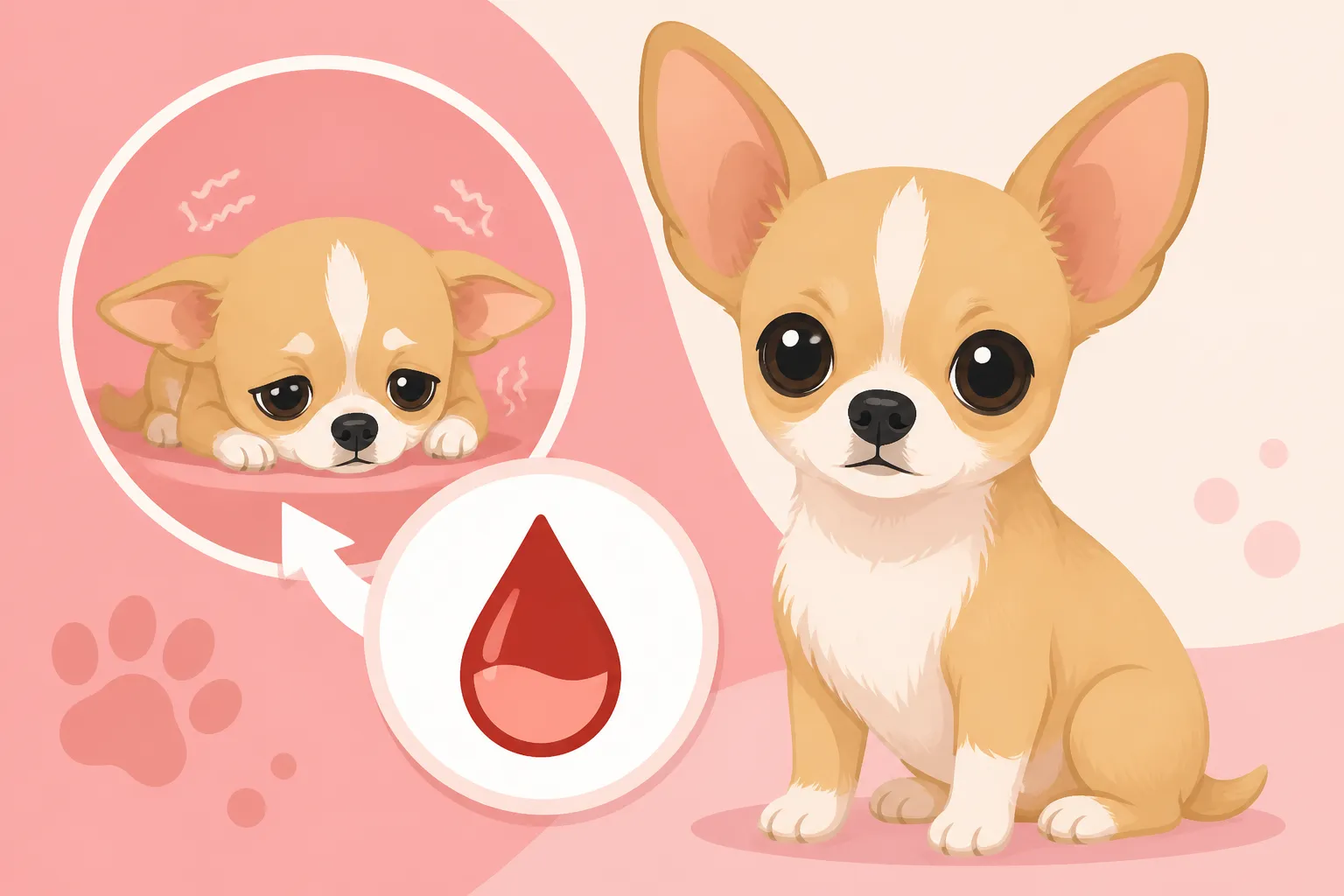
Look for a general lethargy or weakness. They might seem a bit wobbly on their feet, or their movements might be slower and less coordinated. Sometimes, their eyes can appear glazed over, or they might stare blankly. They may also start to shiver or tremble, which can be easily confused with being cold, but it's a critical sign that their body is struggling to regulate itself. While Chihuahuas are known for shivering, this trembling is often more persistent, even when they're warm. They might also appear disoriented, bumping into furniture or struggling to find their way around familiar spaces. If they usually rush to their food bowl and suddenly show little interest, that's another red flag. Any deviation from their normal, happy puppy behavior, especially if it involves reduced energy or coordination, should make you immediately consider low blood sugar as a possibility. It’s better to overreact and check their sugar than to wait and regret it. This ties into understanding Chihuahua Hypoglycemia Signs in a Young Puppy.
Progression to More Severe Symptoms
If those early, subtle signs are missed or ignored, the puppy's blood sugar will continue to drop, and the symptoms will become much more severe and alarming. This is where the situation becomes a true emergency, and time is of the essence.
As hypoglycemia progresses, you might see profound weakness where the puppy can no longer stand or even lift its head. They might lie on their side, unresponsive to your calls or touch. Muscle twitching or full-blown seizures are common in advanced stages, as the brain, deprived of glucose, begins to malfunction. Their gums may appear pale, almost white, indicating poor circulation, and their breathing might become shallow or labored. They might even enter a comatose state, lying completely still and unresponsive. At this point, the puppy is in grave danger, and every second counts. It's terrifying to witness, but knowing these signs means you can react swiftly. Never let it get to this stage if you can help it. If you suspect any of these severe symptoms, immediate action is required, both at home and in seeking veterinary care.
Immediate Steps to Take During a Hypoglycemic Episode
When you see those alarming signs, panic is a natural reaction, but it’s crucial to remain calm and act quickly. Having a plan and the right supplies on hand can literally save your puppy’s life.
Administering Emergency Sugar at Home
The absolute first thing you need to do is get sugar into your puppy's system immediately. This isn't about feeding them a meal; it's about a rapid glucose boost. Here's a step-by-step approach:
- Gather Your Supplies: You should always have a tube of glucose gel (like Nutri-Cal, Rebound, or even a simple human glucose gel from a pharmacy) or a bottle of Karo syrup (light corn syrup) readily available. Some owners even keep a small jar of honey. If you don't have these, granulated sugar mixed with a tiny bit of water will work in a pinch. This is part of Keeping Glucose Gel for a Chihuahua at Home.
- Apply to Gums: Do not try to get the puppy to swallow liquid sugar or food if they are weak or seizing, as they could choke. Instead, gently lift their lip and rub a small amount (about a pea-sized dab for a tiny puppy) of the glucose gel, syrup, or honey onto their gums and under their tongue. The sugar will absorb directly into their bloodstream through the mucous membranes.
- Massage Gums: After applying the sugar, gently massage their gums to help with absorption.
- Keep Warm: While glucose is crucial, maintaining their body temperature is also critical. A hypoglycemic puppy can quickly become hypothermic, exacerbating the problem. Wrap them gently in a warm blanket or hold them close to your body. Make sure they are away from drafts or cold surfaces. More on this can be found in Low Body Temperature in a Chihuahua Puppy.
- Monitor Response: Within a few minutes, you should ideally see some improvement. They might start to perk up slightly, become more responsive, or try to lift their head.
- Repeat if Necessary: If there's no improvement after 5-10 minutes, you can apply another small dose of sugar to their gums.
- Offer Food (if responsive): Once they are more alert and stable, and only if they are fully conscious and able to swallow, offer a tiny amount of highly palatable, high-calorie food. This could be a spoonful of wet puppy food, a little cooked chicken, or even a tiny bit of plain yogurt. The goal is to get sustained calories into them, not just a sugar spike.
Remember, this emergency sugar application is a temporary measure to stabilize them and buy you time to get to the vet. It is not a cure.
When to Seek Veterinary Care
Even if your puppy seems to bounce back after receiving emergency sugar, a trip to the veterinarian is always necessary. Hypoglycemia is often a symptom of an underlying issue, or the puppy may have suffered internal damage (such as brain swelling from prolonged sugar deprivation) that isn't immediately apparent.
You should head to the vet immediately if:
- Your puppy does not respond to the emergency sugar within 10-15 minutes.
- Your puppy has had a seizure.
- The symptoms recur shortly after you've administered sugar.
- You are unsure about the cause of the episode, or if there might be other health issues at play.
- Your puppy is very young (under 8-10 weeks) or extremely tiny, as their risk is higher and their reserves are even lower.
When you call your vet, tell them immediately that you suspect hypoglycemia in a young Chihuahua puppy and that you are on your way. This allows them to prepare for your arrival and ensure they can see your puppy without delay. Your vet will likely perform a blood glucose test, check for other underlying health issues, and may administer intravenous fluids with dextrose to stabilize them more thoroughly. They will also help you develop a long-term plan to prevent future episodes. Pet insurance providers like Healthy Paws often cover emergency visits for conditions like this, so it's wise to be prepared and understand your policy.
Preventing Hypoglycemia in Your Chihuahua Puppy
Prevention is by far the best approach when it comes to hypoglycemia. A little diligence and foresight can save you a lot of heartache and your puppy a serious health crisis. It's all about consistency, management, and proactive care.
Consistent Feeding Schedules and Diet
This is the cornerstone of preventing hypoglycemia in young Chihuahuas. Their tiny bodies need a constant supply of energy, and erratic feeding is a recipe for disaster.
- Frequent Small Meals: For puppies under 12 weeks, and especially those under 8 weeks, aim for 4-6 small meals spread throughout the day. Some very tiny puppies might even benefit from an additional small meal right before bedtime and early in the morning. Your breeder should provide The Feeding Schedule a Chihuahua Breeder Sends Home, but generally, puppies should be fed every 3-4 hours. You can read more about How Often a Chihuahua Puppy Must Eat.
- High-Quality Puppy Food: Feed a premium puppy food specifically formulated for small breeds. These foods are calorie-dense and have the right balance of nutrients for rapid growth. Look for brands that use real meat as the first ingredient.
- Measure Portions Accurately: Don't just eyeball it. Use a kitchen scale to measure their food precisely, or a measuring spoon for tiny amounts of wet food. Even a small caloric deficit can have a big impact on a Chihuahua puppy.
- Avoid Skipping Meals: Life happens, but try your best to stick to the schedule. If you know you'll be out for an extended period, arrange for a trusted friend or pet sitter to feed your puppy.
- Monitor Appetite: Pay close attention to how much your puppy eats at each meal. If they suddenly stop eating or eat significantly less, this is a major warning sign. Don't assume they'll eat later; investigate why they're refusing food.
- Safe Treats: If using treats for training, ensure they are tiny and factor them into their daily calorie intake. Avoid treats with artificial sweeteners, especially xylitol, which is toxic to dogs and can cause a sudden, severe drop in blood sugar.
Managing Stress and Temperature
Beyond food, environmental factors play a huge role in a Chihuahua puppy's blood sugar regulation. Stress and cold can burn through their limited glucose reserves incredibly fast.
- Keep Them Warm: Chihuahuas have very little body fat and can get cold easily, which forces their body to burn more glucose to stay warm. Maintain a comfortable room temperature, especially in the first few weeks after bringing them home. Provide soft, warm bedding where they can burrow, and consider a small sweater or a heated pet bed on a low setting, if appropriate and safe. Drafts are your enemy. This links to Why Cold and Stress Drop Chihuahua Blood Sugar.
- Minimize Stress: A new environment, excessive handling by strangers, loud noises, or being left alone for too long can all be significant stressors for a tiny puppy. Create a calm, predictable routine. Provide a safe, quiet space (like a crate or playpen) where they can retreat and feel secure. When introducing them to new people or pets, do so gradually and supervise closely. For tips on settling in, see Settling a Two Pound Chihuahua Puppy Into the House.
- Proper Rest: Puppies need a lot of sleep! Ensure your Chihuahua puppy gets plenty of uninterrupted rest. Overtiredness can also be a form of stress that taxes their system.
- Avoid Over-Exercise: While playtime is important, short bursts are better than prolonged, strenuous activity. A young puppy doesn't have the stamina for long walks or intense play sessions.
- Regular Vet Check-ups: Routine vet visits are crucial for monitoring overall health and catching potential issues early. Your vet can advise on proper feeding, weight management, and answer any concerns you have about your puppy’s development. Early health monitoring can prevent a host of issues, and having pet insurance like Healthy Paws can give you peace of mind for unexpected visits.
Proactive Health Monitoring
Being observant and proactive about your puppy's general health is paramount.
- Daily Weight Checks: For very young or particularly tiny puppies, a daily weight check using a kitchen scale can be incredibly informative. Any sudden drop in weight is a serious warning sign.
- Observe Energy Levels: Get to know your puppy's normal energy levels. Are they usually bouncing off the walls at a certain time of day? If that changes, pay attention.
- Check Gums Regularly: A healthy puppy's gums should be pink and moist. Pale or tacky gums can indicate a problem, including low blood sugar.
- Keep a Health Journal: A simple notebook to jot down feeding times, amount eaten, any episodes of lethargy, or other concerns can be invaluable for you and your vet.
- Emergency Kit: Always have your emergency sugar (glucose gel/Karo syrup/honey) easily accessible in a puppy first-aid kit, both at home and when traveling.
- Understand Underlying Conditions: Sometimes, hypoglycemia isn't just about feeding. Other conditions like severe infections, intestinal parasites, or congenital liver shunts can cause low blood sugar. Regular deworming and veterinary care, possibly covered by your Healthy Paws policy, are essential to rule out these possibilities. Make sure your puppy is up-to-date on its vaccinations and deworming treatments, as illness can significantly weaken a puppy. Check out Chihuahua Vaccination and Anesthesia at Toy Size for more details on toy-sized specific concerns.
By being diligent with feeding, creating a stress-free and warm environment, and closely monitoring your tiny Chihuahua puppy, you can drastically reduce the risk of those terrifying hypoglycemic episodes.
| Symptom Category | Early Signs (Act Fast!) | Severe Signs (Emergency!) | Immediate Action |
|---|---|---|---|
| Behavior | Lethargy, unusually quiet, less playful, uncoordinated steps | Unresponsive, seizing, comatose, collapses, muscle twitching | Apply emergency sugar to gums, keep warm |
| Physical | Shivering/trembling (more than usual), glazed eyes, disoriented | Pale gums, shallow breathing, extreme weakness, inability to stand | Call vet immediately after applying sugar and stabilizing |
| Appetite | Refusing food, lack of interest in meals | Complete refusal to eat, no interest in water | Offer small, high-calorie food if responsive, otherwise vet |
| Response | Slow to respond to commands or name | No response to touch or voice | Continue to monitor, prepare for vet visit |
Disclaimer
The information provided in this guide is for informational purposes only and is not intended to be a substitute for professional veterinary advice, diagnosis, or treatment. Always seek the advice of your veterinarian or other qualified animal health provider with any questions you may have regarding a medical condition or the health and welfare of your pet. Never disregard professional veterinary advice or delay in seeking it because of something you have read in this article. In an emergency, always contact your veterinarian immediately.