Collapsing Trachea in a Chihuahua and Its Triggers
Few things are more alarming for a Chihuahua owner than that sudden, violent honking cough that sounds like your tiny companion is choking on air. It’s a terrifying moment that leaves you feeling helpless, wondering what on earth is happening inside their little body. This guide is here to unravel the mystery of tracheal collapse in Chihuahuas, exploring its causes, symptoms, and the various ways we can support our beloved pups through this challenging condition.
Understanding Collapsing Trachea in Chihuahuas
When your sweet Chihuahua suddenly starts sounding like a goose, it's often a sign of a very real and common problem called tracheal collapse. It’s not just a funny noise; it's a structural issue that can make breathing a real struggle for these tiny dogs. Understanding what’s happening on a physiological level is the first step toward managing it effectively.
What is Tracheal Collapse?
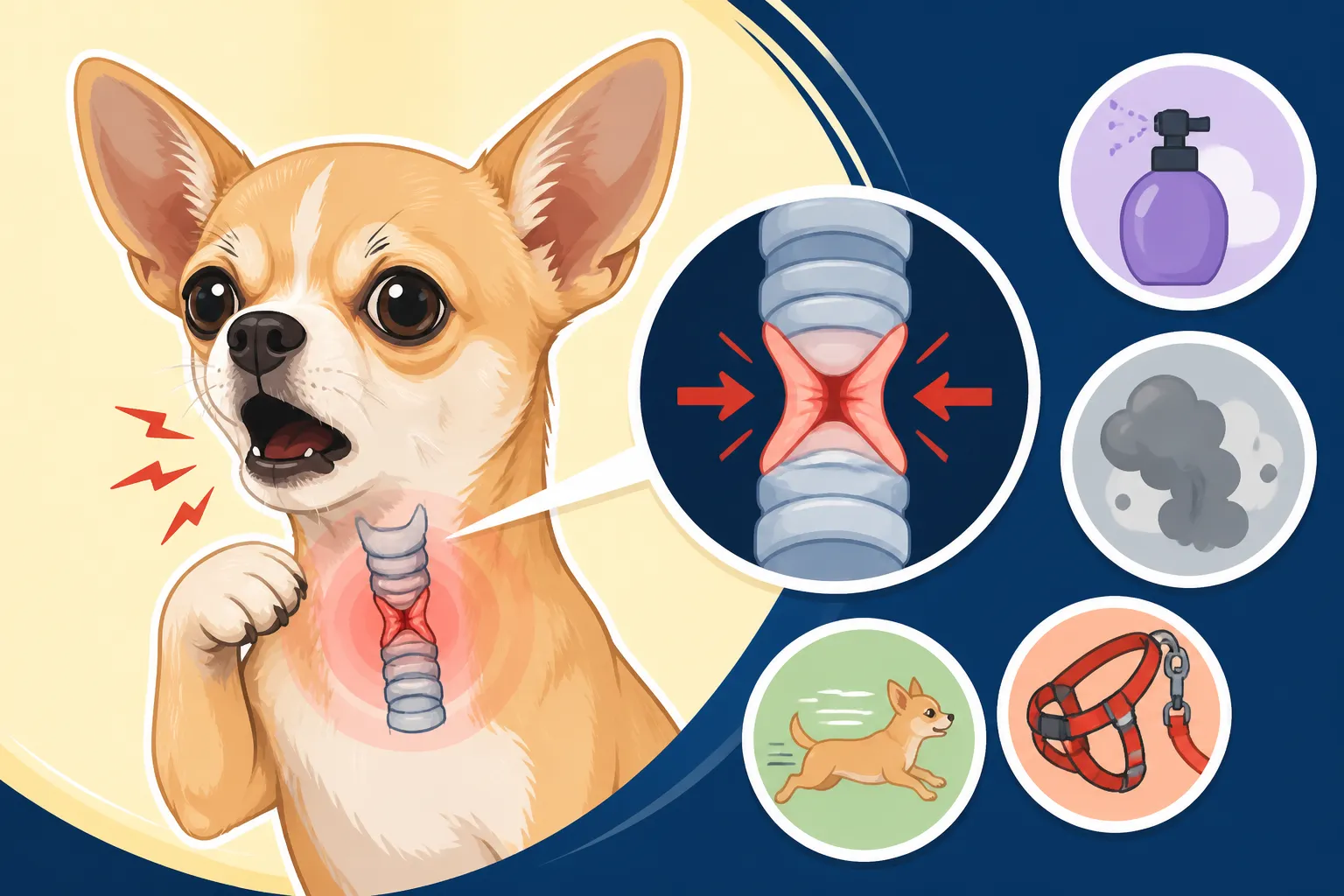
Imagine the windpipe, or trachea, as a firm, flexible tube lined with C-shaped rings of cartilage that keep it open, allowing air to flow freely to and from the lungs. Now, picture those cartilage rings weakening and softening over time, losing their rigid structure. In tracheal collapse, these C-shaped rings flatten, causing the windpipe to narrow or even collapse completely, especially when your dog inhales forcefully. This partial or complete obstruction dramatically restricts airflow, leading to those distinctive coughing fits and breathing difficulties. It can happen anywhere along the trachea, from the throat down to the chest, and the severity can vary widely.
For a Chihuahua, whose trachea is already quite delicate and narrow due to their small size, this weakening can have a more pronounced impact. It often feels like their throat is constricting, leading to panic and further effort to breathe, which can then exacerbate the collapse. The repetitive stress of even normal breathing over years can gradually weaken these structures, leading to the condition becoming more prevalent as they age.
Why Chihuahuas Are Predisposed
Chihuahuas are, unfortunately, one of the breeds genetically predisposed to developing tracheal collapse, much like other toy breeds such as Pomeranians, Yorkshire Terriers, and Shih Tzus. This isn't just bad luck; it's often due to inherited weaknesses in the cartilage that forms their tracheal rings. Think of it as a blueprint flaw: some Chihuahuas are simply born with softer, less rigid cartilage in their windpipes, making them more susceptible to collapse under pressure or stress. Their small stature means their airways are already quite narrow, so even a slight collapse can cause significant obstruction.
Beyond genetics, their tiny build also plays a role. They are prone to excitement, and that sudden burst of energy, barking, or pulling on a collar can put immense strain on an already fragile trachea. It’s a condition that often develops progressively, meaning a puppy might show no signs, but by middle age, the symptoms become impossible to ignore. This predisposition is why it’s so crucial for Chihuahua owners to be aware of the condition and take preventive measures from day one.
The Different Grades of Collapse
Tracheal collapse isn't a one-size-fits-all condition; veterinarians often classify it into grades, from I to IV, based on the severity of the tracheal narrowing. This grading system helps determine the best course of action and gives you an idea of what to expect in terms of prognosis and treatment. A lower grade means less collapse and typically milder symptoms, while a higher grade indicates more significant collapse and more severe respiratory issues.
| Grade | Description of Collapse | Symptoms | Treatment Approach |
|---|---|---|---|
| I | Tracheal lumen reduced by up to 25% | Occasional, mild cough, often only with excitement | Lifestyle modifications, watchful waiting |
| II | Tracheal lumen reduced by 25-50% | More frequent honking cough, mild exercise intolerance | Medical management, lifestyle adjustments |
| III | Tracheal lumen reduced by 50-75% | Chronic cough, noticeable breathing difficulty, wheezing | Aggressive medical management, consideration of surgery |
| IV | Tracheal lumen reduced by 75-100% (almost complete closure) | Severe respiratory distress, cyanosis (blue gums), collapse | Emergency intervention, strong surgical consideration |
In a Grade I collapse, your Chihuahua might only exhibit a slight, infrequent cough, perhaps when they get overly excited or pull hard on their leash. This is often easily managed with simple lifestyle changes. However, as the condition progresses to Grade II or III, the coughing becomes more persistent and severe, accompanied by visible breathing difficulties. By Grade IV, the trachea is almost completely flattened, leading to profound distress and requiring urgent veterinary intervention. Understanding these grades, and where your Chihuahua falls, is essential for informed decision-making about their care. If you suspect your Chihuahua is showing any signs, an early diagnosis can make a significant difference. You can learn more about how a vet assesses the condition by looking into Chihuahua Tracheal Collapse Grades on an X-Ray.
Recognizing the Signs and Symptoms
Spotting tracheal collapse early can make a world of difference in your Chihuahua’s comfort and quality of life. The symptoms can sometimes be subtle at first, easily mistaken for other minor issues, but as the condition progresses, they become much more pronounced and distressing. Keeping a keen eye on your dog's breathing and coughing patterns is crucial.
The Classic Honking Cough
The most hallmark symptom of tracheal collapse in Chihuahuas is that unmistakable, dry, persistent cough that sounds remarkably like a goose honking. It’s not a deep, chesty cough, but rather a shallow, sharp, and often gagging sound that can last for several minutes. This cough tends to be particularly noticeable when your Chihuahua is excited, pulling on their leash, drinking water, eating quickly, or even just after waking up from a nap. The act of coughing itself can sometimes irritate the trachea further, leading to a frustrating cycle where the cough triggers more coughing.
Imagine your Chihuahua, normally a bundle of joyous energy, suddenly stopping mid-play, stretching their neck out, and letting out a series of these loud, startling honks. It's a sound that imprints itself on your memory once you hear it. You might notice your dog seems a little winded or even distressed after a coughing fit. This distinctive sound is often the first and most obvious clue that something is amiss with their windpipe. Owners frequently report that The Honking Cough of Chihuahua Tracheal Collapse is what finally prompts them to seek veterinary advice.
Other Indicators of Respiratory Distress
Beyond the classic cough, several other signs can point to tracheal collapse, especially as the condition worsens. You might observe a general increase in breathing effort, even when your Chihuahua is at rest. This could manifest as rapid, shallow breaths or visible abdominal effort with each inhale. Some Chihuahuas might exhibit a wheezing sound, similar to asthma, as air struggles to pass through the narrowed trachea. Exercise intolerance is also a significant indicator; a dog that once loved brisk walks might now tire quickly, fall behind, or start coughing severely after minimal exertion.
In more severe cases, particularly during an acute collapse or an exacerbation, your Chihuahua might show signs of profound distress. This could include a bluish tint to their gums or tongue (cyanosis), which indicates a dangerous lack of oxygen. They might also appear lethargic, weak, or even collapse entirely due to insufficient airflow. Drooling excessively or repeatedly attempting to swallow are also signs that they are struggling to clear their airway or are in discomfort. These are all serious symptoms that warrant immediate veterinary attention, as they can quickly become life-threatening.
Distinguishing from Other Coughs
It's easy to jump to conclusions when your Chihuahua starts coughing, but it's important to remember that not all coughs are created equal. Several other conditions can cause coughing or similar symptoms, and distinguishing them is key to getting the correct diagnosis and treatment. For example, some Chihuahuas might experience a 'reverse sneeze,' which can sound quite alarming but is generally harmless. A reverse sneeze is typically a sudden, loud, snorting inhalation, almost like they’re trying to suck something up their nose. It's usually short-lived and resolves on its own, unlike the persistent, honking cough of a collapsing trachea.
Another common culprit for coughing in older Chihuahuas is heart disease, specifically mitral valve disease, which is prevalent in small breeds. A "heart cough" is often a soft, moist cough that can be worse at night or when lying down, caused by fluid buildup in the lungs. While both conditions can cause coughing, the sound and accompanying symptoms are typically different. Sometimes, both conditions can occur simultaneously, complicating diagnosis. Kennel cough, a contagious respiratory infection, also causes a distinct dry, hacking cough, but it's usually acute and responsive to antibiotics. Your vet will perform a thorough examination, including listening to your dog's heart and lungs, and possibly X-rays, to differentiate between these conditions. Getting a proper diagnosis for your pet’s cough is crucial; if you’re concerned about heart-related issues, you can learn more about Telling a Heart Cough From a Trachea Cough.
Common Triggers and Exacerbating Factors
Living with a Chihuahua prone to tracheal collapse means becoming acutely aware of the everyday factors that can trigger or worsen their symptoms. Sometimes, these triggers are environmental, while others relate directly to how we interact with our tiny companions. Understanding these factors empowers us to create a safer, more comfortable environment for our dogs.
Collar Pressure and Harness Importance
Perhaps one of the most critical and often overlooked triggers for tracheal collapse in Chihuahuas is direct pressure on their delicate neck. A traditional neck collar, especially if your Chihuahua pulls on the leash or is prone to sudden movements, can exert immense force on the windpipe, causing it to collapse. Even a gentle tug can be enough to irritate an already compromised trachea, leading to a coughing fit. It’s like repeatedly pinching a soft hose – eventually, it loses its shape.
This is why switching to a harness is not just a suggestion, but a vital part of managing and preventing tracheal collapse in Chihuahuas. A well-fitting harness distributes pressure across the chest and shoulders, completely bypassing the neck and trachea. This simple change can significantly reduce the frequency and severity of coughing episodes. When choosing a harness, look for one that fits snugly but comfortably, without rubbing, and ensures the pressure points are indeed on the chest, not the throat area. Opt for Y-shaped harnesses or those with front clips, as they tend to be most effective. It's an easy and impactful modification that can bring immense relief to your dog. If you’re still using a collar, it's really worth exploring Why Collar Pressure Damages a Chihuahua Trachea and investing in Harnesses That Spare a Chihuahua Windpipe.
Excitement, Stress, and Environmental Irritants
Beyond physical pressure, a Chihuahua’s emotional state and their surrounding environment play a huge role in triggering tracheal collapse symptoms. Intense excitement, such as greeting you after a long day, seeing a favorite toy, or barking at the mail carrier, often leads to rapid, forceful breathing and vocalization, putting strain on the trachea. This is why many owners report that Why a Chihuahua Coughs More When Excited is a common observation. Similarly, stress or anxiety can cause increased respiration and tension, making collapse more likely.
Environmental factors are equally potent triggers. Exposure to smoke, whether from cigarettes, fireplaces, or even cooking, can severely irritate the airways and provoke coughing. Dust, pollen, and other airborne allergens can also be problematic. Changes in temperature and humidity can be harsh on sensitive tracheas; very cold, dry air or excessively hot, humid conditions can make breathing more difficult and trigger collapse. Using humidifiers in dry environments or keeping your Chihuahua cool in summer can help. Even strong chemical odors from cleaning products or air fresheners can act as irritants. Creating a calm, clean, and temperature-controlled living space is paramount for a Chihuahua with a collapsing trachea.
Obesity and Dental Disease as Contributors
While not direct triggers in the same way as collar pressure or excitement, obesity and poor dental health are significant exacerbating factors for tracheal collapse. Carrying excess weight puts additional strain on the entire respiratory system. The extra fat around the neck and chest can physically compress the trachea, making it harder for air to pass through and increasing the likelihood of collapse. A heavier body also means more effort is required for every breath, further stressing an already compromised windpipe. Even a single extra pound on a small Chihuahua can make a substantial difference in their respiratory comfort.
Furthermore, chronic dental disease, which is incredibly common in Chihuahuas due to their crowded mouths and propensity for tartar buildup, can also contribute to respiratory issues. The bacteria from severe gum disease can travel into the respiratory tract, leading to chronic inflammation and infection in the airways, which in turn can worsen the irritation of a collapsing trachea. The pain and inflammation associated with severe dental problems can also cause a dog to breathe differently or become more stressed, indirectly affecting their tracheal health. Addressing both weight management and proactive dental care are crucial steps in comprehensive management of tracheal collapse. Learn more about the specific challenges of Chihuahua Dental Disease in a Crowded Small Jaw and the impact of Chihuahua Obesity on a Six Pound Frame.
Diagnosis and Initial Management
Once you suspect your Chihuahua might be suffering from tracheal collapse, getting a definitive diagnosis from your veterinarian is the next critical step. This isn't a condition you want to guess about, as accurate diagnosis informs the most effective treatment plan.
How Vets Diagnose Tracheal Collapse
When you bring your coughing Chihuahua to the vet, the diagnostic process usually begins with a thorough physical examination. Your vet will listen carefully to your dog’s heart and lungs, and often gently palpate (feel) their trachea. Sometimes, light pressure on the windpipe will immediately elicit that characteristic honking cough, providing a strong clue. However, a definitive diagnosis typically requires imaging.
The most common initial diagnostic tool is X-rays of the chest and neck. These can show areas of tracheal narrowing, though the dynamic nature of collapse means it's not always visible on a static X-ray. For a more conclusive diagnosis, especially in subtle cases, a procedure called fluoroscopy might be recommended. This is a real-time X-ray video that allows the vet to observe the trachea as your dog breathes, coughs, and moves, making it much easier to catch the moment of collapse. In some instances, particularly for surgical planning, a bronchoscopy (inserting a tiny camera into the trachea) might be performed, but this is less common for initial diagnosis due to its invasive nature and the need for general anesthesia. Your vet might also recommend blood tests to rule out other underlying conditions or to assess your Chihuahua's overall health before treatment.
Immediate Steps for an Acute Episode
Witnessing your Chihuahua in the throes of a severe coughing fit or struggling to breathe due to an acute tracheal collapse episode can be terrifying. Knowing what to do in that moment can make a real difference. The absolute priority is to help them calm down and get oxygen. Panic, both yours and theirs, will only make the situation worse.
Gently pick up your Chihuahua and hold them close, offering soft, reassuring words. Try to avoid putting any pressure on their neck. Move them to a cool, quiet, and well-ventilated area away from any noise or excitement. If they are severely struggling, an emergency vet visit is critical. At the clinic, they might administer oxygen therapy to stabilize your dog, along with fast-acting medications like cough suppressants or mild sedatives to break the coughing cycle and reduce anxiety. Sometimes, a short course of steroids might be given to reduce inflammation in the airway. Having an emergency plan, including the location and contact number of your nearest 24-hour veterinary emergency clinic, is essential for any Chihuahua owner, especially if your dog has a known collapsing trachea.
Lifestyle Adjustments to Minimize Triggers
Once diagnosed, managing tracheal collapse often begins with significant lifestyle adjustments aimed at minimizing triggers and supporting respiratory health. The most immediate and impactful change, as mentioned, is transitioning from a collar to a well-fitting harness for all walks and any time you need to handle your dog on a leash. This alone can dramatically reduce coughing episodes.
Beyond the harness, weight management is paramount. If your Chihuahua is overweight, even by a small amount, working with your vet to achieve a healthy body condition will greatly alleviate pressure on their trachea and improve their breathing capacity. This might involve a specialized diet and controlled exercise routines. Controlling their environment is also key: avoid exposing them to cigarette smoke, strong perfumes, cleaning chemicals, or excessive dust. Consider using a humidifier in dry climates, especially during winter, to keep their airways moist. Limiting strenuous exercise, especially in extreme temperatures, and managing excitement levels can also help. For example, instead of letting them bark uncontrollably at the window, try to redirect their attention with a puzzle toy or a quiet cuddle. These proactive steps, though seemingly small, collectively contribute to a much better quality of life for your Chihuahua.
Long-Term Treatment Approaches
Managing tracheal collapse is usually a long-term commitment, often involving a combination of medical and lifestyle interventions. While there's no single cure for the underlying cartilage weakness, a thoughtful, multi-faceted approach can significantly improve your Chihuahua’s comfort and respiratory function.
Medical Management and Medications
For many Chihuahuas, particularly those with Grade I or II collapse, medical management is the cornerstone of treatment. Your vet will likely prescribe a combination of medications aimed at reducing inflammation, suppressing coughs, and improving airflow. Cough suppressants, such as hydrocodone or butorphanol, are frequently used to break the cycle of coughing, which can itself irritate the trachea and perpetuate the collapse. These can offer significant relief, especially during acute flare-ups.
Anti-inflammatory medications, often corticosteroids like prednisone, may be prescribed, usually for short durations or at low doses, to reduce swelling in the airway. Bronchodilators can sometimes be used to help open up the lower airways, though their direct impact on the trachea itself is limited. Anxiety medications might also be beneficial for Chihuahuas who become highly stressed or anxious during coughing episodes, as calming them down can reduce the severity and frequency of the fits. It's crucial to administer all medications exactly as prescribed and to never stop them suddenly without veterinary guidance. Regular follow-up appointments will be necessary to adjust dosages and monitor your Chihuahua's response. You can explore Cough Suppressants Used for a Chihuahua for more detailed information.
The Role of Surgery
While medical management is effective for many, some Chihuahuas with more severe or unresponsive tracheal collapse (typically Grade III or IV) may be candidates for surgical intervention. Surgery is generally considered a last resort due to the risks involved, especially with toy breeds, and it requires a referral to a veterinary specialist. The most common surgical procedure involves placing a tracheal stent – a small, mesh tube inserted into the collapsed portion of the trachea to hold it open. This is done minimally invasively and can provide immediate relief by physically supporting the airway.
Another option, though less common now with the advent of stents, is an extraluminal ring placement, where plastic rings are surgically placed around the outside of the trachea to reinforce it. Both procedures have potential complications, including stent migration, granulation tissue formation, or continued coughing, so careful selection of candidates and skilled surgical teams are essential. The decision for surgery is a significant one, weighing the potential benefits against the risks and the dog's overall health and prognosis. Your vet will discuss these options thoroughly if your Chihuahua's condition warrants it. Getting more information about Stent Surgery for a Chihuahua Trachea can help you understand the procedure better.
Complementary Therapies and Ongoing Care
Beyond conventional medicine, a holistic approach that includes complementary therapies and consistent ongoing care can greatly support a Chihuahua with tracheal collapse. Maintaining optimal hydration is important; ensuring constant access to fresh water and considering adding a little low-sodium broth to their food can help keep airway secretions thin. For Chihuahuas who tend to get very stressed, certain calming supplements or pheromone diffusers might provide an extra layer of support. Acupuncture, for some dogs, has shown anecdotal success in managing chronic cough and discomfort, though scientific evidence is limited for tracheal collapse specifically.
Ongoing care is about vigilance and consistency. This includes maintaining a healthy weight through a carefully portioned diet – remember, even Weight Loss as Chihuahua Trachea Treatment can drastically improve breathing. Regular, gentle exercise is important, but always supervised and adjusted to your Chihuahua's capacity, stopping immediately if coughing starts. Regular veterinary check-ups are non-negotiable, especially for monitoring the condition, adjusting medications, and catching any potential complications early. Being proactive and attuned to your Chihuahua's needs will be their best advocate. Remember that even with chronic conditions, pet insurance providers like Healthy Paws can sometimes offer coverage for certain treatments, so it's always worth exploring your policy options or considering one if you don't already have it. Healthy Paws, for example, often has plans that help with specialist consultations and ongoing medication costs.
It's a marathon, not a sprint, when it comes to managing tracheal collapse. By combining medical treatments, smart lifestyle choices, and attentive care, we can help our brave little Chihuahuas breathe easier and live their best, happiest lives. The financial burden of long-term care can be daunting, but comprehensive pet insurance from providers like Healthy Paws can often alleviate some of these worries, allowing you to focus on your pet's well-being without undue stress about the cost.
Disclaimer
This article is intended for informational purposes only and is not a substitute for professional veterinary advice. Always consult with a qualified veterinarian regarding any health concerns or before making any decisions about your Chihuahua's medical care.