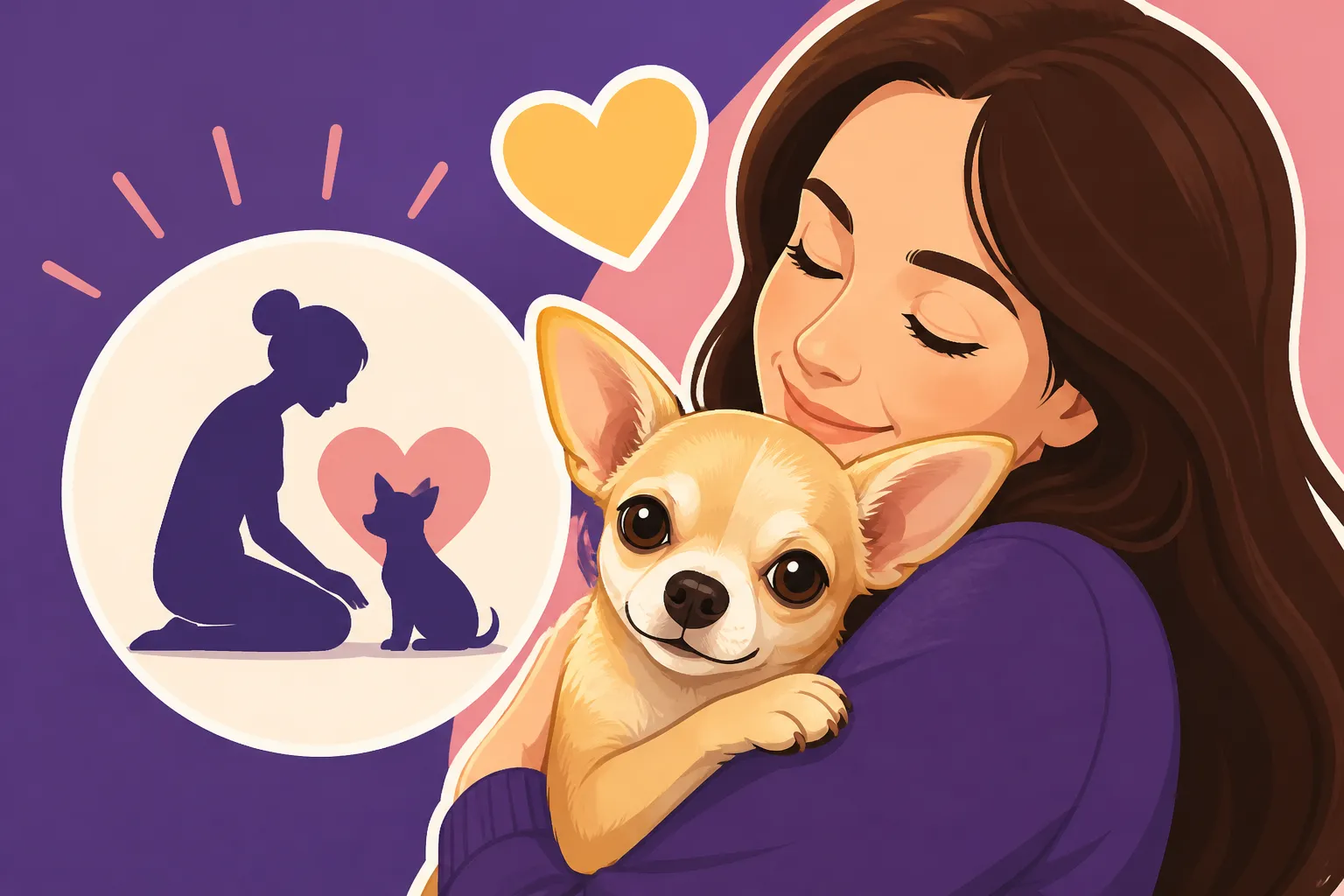
Why a Chihuahua Bonds Hard to One Person
It's a familiar scenario for many Chihuahua parents: you walk into a room, and your tiny companion immediately abandons everyone else to scramble into your lap. Or perhaps your little one growls at anyone who dares to approach your side of the couch, despite living in a multi-person household. It's often said that Chihuahuas are "one-person dogs," and if you've ever felt like your tiny shadow has chosen you, and only you, as their universe, you're certainly not alone. This intense, sometimes exclusive, bond can be heartwarming, but it can also present unique challenges for both your Chihuahua and your family. This comprehensive guide will delve into why Chihuahuas often develop such strong, singular attachments, how this impacts their behavior, and what you can do to foster a more balanced and confident little companion.
The Chihuahua's Deep-Seated Need for Security
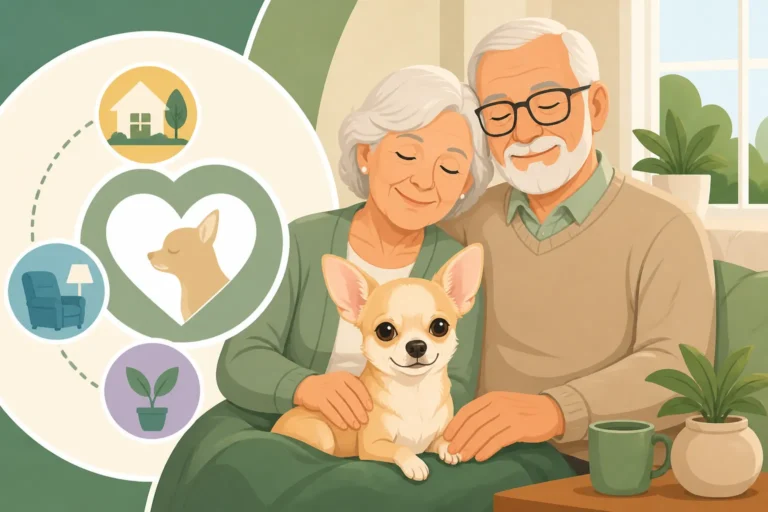
When you consider a Chihuahua's diminutive size, it's easy to understand why they might seek out an extra layer of security. The world is a big, often overwhelming place when you only weigh a few pounds. This inherent vulnerability plays a huge role in their bonding tendencies, making them incredibly reliant on a trusted figure for protection and comfort.
The Instinct to Cling in a Small Package
Imagine navigating a world where every large dog, every unfamiliar footstep, and even a dropped pot in the kitchen feels like a potential giant threat. For a Chihuahua, this isn't far from their daily reality. Their tiny stature means they are physically vulnerable to so many everyday occurrences that wouldn't even register for a larger breed. Because of this, their survival instincts kick in strongly, often leading them to attach themselves fiercely to one person who consistently provides a sense of safety and predictability. This chosen individual becomes their safe harbor, their protector, and their most reliable source of comfort. It's not just about affection; it's about feeling secure in a world that could easily overwhelm them. They're constantly assessing their environment for threats, and having a dedicated guardian simplifies that process immensely.
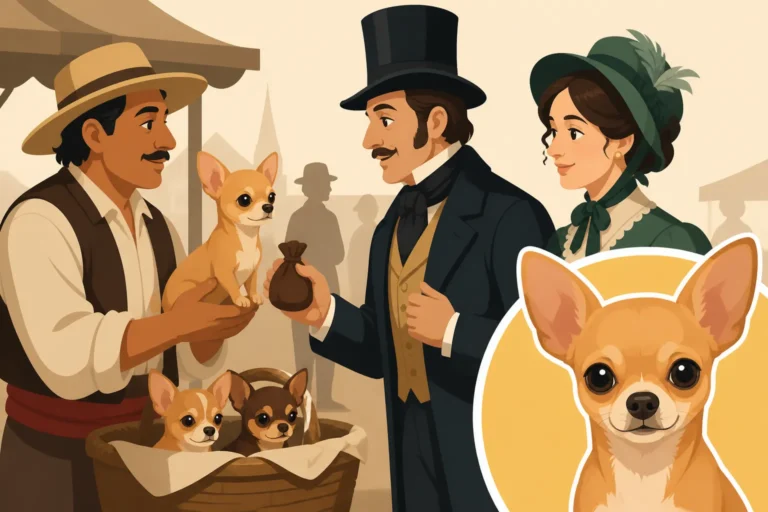
This deep-seated need for security also has historical roots. The ancestors of today's Chihuahuas were often kept as companions, revered and cherished, but always close to their human counterparts. They weren't bred for hunting or herding in wide-open spaces; they were bred to be intimate companions, often carried or kept in special places of honor. This close proximity over generations has likely hardwired a preference for tight, singular bonds. When a Chihuahua snuggles deep under the blankets with you, or insists on being held when strangers are around, it’s often an expression of this primal need for closeness and protection. It's a testament to how profoundly they rely on us to be their shield against a world not designed for their tiny frames.
Over-Attachment vs. Healthy Bonding
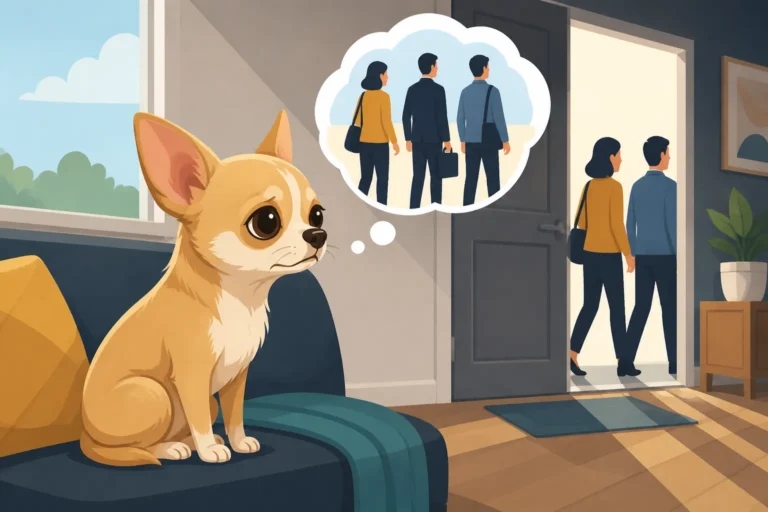
There's a fine line between a beautiful, strong bond and an unhealthy over-attachment that can lead to anxiety and behavioral issues. A healthy bond means your Chihuahua loves and trusts you deeply, but can still function independently, interact politely with other family members, and cope when you're not immediately present. Over-attachment, on the other hand, often manifests as extreme distress when you leave, aggression towards others who approach you, or an inability to relax unless they are physically touching you. This isn't good for your Chihuahua, and it's certainly not sustainable for you.
Owners, often unintentionally, can encourage this over-attachment. When our tiny dogs cling to us, it's natural to want to comfort them, to pick them up, or to shield them from anything that makes them nervous. However, constantly carrying your Chihuahua or allowing them to dictate who can and cannot approach you can inadvertently teach them that they need you for every single interaction and that the world outside your embrace is truly terrifying. This can lead to increased anxiety, making them more fearful and less confident over time. Think about how often you scoop up your Chihuahua versus letting them navigate a situation on their own terms. While their small size makes it tempting to carry them, it's important to remember that Chihuahua Handling and Why Carrying Backfires can actually hinder their development of confidence. We need to empower them to be brave, even when it means setting boundaries with our own protective instincts.
Personality and Temperament Factors
Beyond their small size, the unique personality and temperament of the Chihuahua breed itself contribute significantly to their tendency to bond so intensely with one person. They are not simply tiny, fragile creatures; they possess a feisty spirit that, when combined with their vulnerability, can create a very specific social dynamic.
The "Big Dog" Mentality in a Small Body
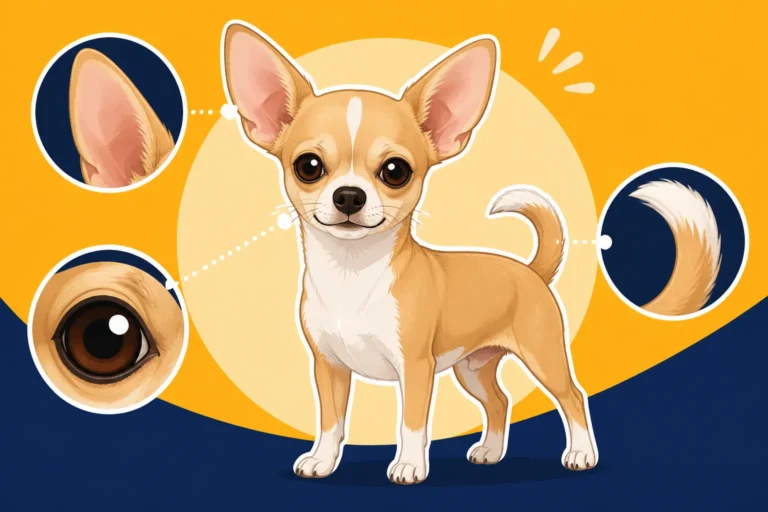
One of the most enduring characteristics of a Chihuahua is their "big dog" mentality. Despite their size, they often possess the confidence, assertiveness, and sometimes even the bravado of a much larger breed. They might strut around like they own the place, challenging much bigger dogs (often to their detriment), and generally carrying themselves with an air of self-importance. This isn't an act; it's genuinely part of their inherent temperament. The Terrier-Like Chihuahua Spirit the Standard Wants means they are alert, curious, and often bold. However, this big personality is housed in a tiny body, creating a fascinating dynamic.
When a dog with such a strong personality recognizes its physical limitations, it often seeks out a powerful ally. This makes their chosen person not just a source of comfort, but also an extension of their own perceived strength. You become their bodyguard, their voice, and their muscle in a world where they are often outmatched. This combination of a feisty spirit and physical vulnerability can intensify the bond, as they view you as their ultimate protector and enabler of their "big dog" persona. They aren't just looking for cuddles; they're looking for an executive assistant to their royal highness, who also happens to be a fantastic security detail. This perceived partnership can be incredibly strong, leading to deep loyalty.
Selective Trust and Stranger Danger
Chihuahuas are often renowned for being wary of strangers, and sometimes even other animals. This isn't necessarily a flaw; it's often a manifestation of their sensitive nature and their protective instincts. In an unfamiliar situation, a Chihuahua might initially react with suspicion or fear, rather than immediate openness. This wariness, which can escalate into barking or retreating, reinforces their need for a trusted individual. When the world feels unpredictable and full of potential threats, having one steadfast anchor becomes paramount.
For a Chihuahua, their chosen person is the one who has proven to be consistently safe, predictable, and responsive to their needs. This person becomes the filter through which they view the rest of the world. If you, their trusted human, are calm and confident in a new situation, your Chihuahua is more likely to follow suit (eventually). But if they perceive hesitation or feel vulnerable, their natural caution kicks in, often leading to behaviors like barking at new visitors or retreating to your side. This is why Chihuahua Fear Reactivity, the Breed's Real Problem is so common, and why many owners report A Chihuahua That Trembles Around Strangers. They are seeking reassurance and protection from the one they trust most. Because their physical ability to defend themselves is so limited, their first line of defense is often vocalization and seeking immediate refuge with their primary person.
Owner Behavior and Reinforcement
While a Chihuahua's inherent nature certainly predisposes them to strong bonding, our own actions as owners often play a significant, sometimes unintentional, role in shaping how singular that bond becomes. We often treat our tiny dogs differently than we would a larger breed, and these differences can inadvertently reinforce a "one-person dog" dynamic.
Unintentional Training of "One-Person" Loyalty
Let's be honest, it's hard to resist a tiny, shivering Chihuahua asking to be picked up, or looking to you with those big, soulful eyes. Many owners, with the best of intentions, tend to coddle Chihuahuas more than larger dogs. We might scoop them up when a boisterous child approaches, carry them past a barking dog, or shield them from a loud noise. Each time we do this, we're sending a subtle message: "I am your ultimate protector, and you need me to navigate the scary parts of the world." While this comes from a place of love, it can inadvertently teach your Chihuahua that they cannot cope without you, fostering an exclusive reliance.
Consider how we might talk to a Chihuahua versus a Labrador. We might use baby talk, or constantly soothe them, which can reinforce anxious behaviors. We often make excuses for certain behaviors, too. For instance, a Chihuahua growling at guests from your lap might be dismissed as "just being protective," when in a larger dog, it would be corrected immediately. The Behaviors Owners Excuse in a Chihuahua often inadvertently solidify this "one-person" mentality, as the dog learns that aggression or fear directed at others is tolerated, or even rewarded, as long as it's in the service of maintaining their bond with you. The consistency of these responses from the primary caregiver further solidifies that individual as the sole source of safety and security, making the bond incredibly difficult for others to penetrate.
Building a Broader Circle of Trust
If you want your Chihuahua to be a well-adjusted member of the entire family, it's crucial to actively work on building a broader circle of trust. This means ensuring that all family members are involved in their care, training, and positive interactions. Simple things like having different family members feed them (perhaps with food bought from Chewy!), take them for walks, or engage in play can make a huge difference. The goal is to show your Chihuahua that safety, fun, and resources come from multiple sources, not just one.
Positive reinforcement is key here. When another family member interacts with your Chihuahua, ensure it's a positive experience. This could mean they're the ones offering a favorite treat, initiating a game of fetch, or providing gentle praise. Avoid forcing interactions. Instead, encourage your Chihuahua to choose to engage with others. For example, have a family member sit calmly on the floor and offer a high-value treat, letting the Chihuahua approach on their own terms. Regularly exposing your Chihuahua to various family members in calm, controlled, and positive ways is crucial for Socializing a Chihuahua Without Overwhelming It. It's about teaching them that other people are not just safe, but also fun and rewarding. This systematic approach helps them expand their comfort zone and realize that their world extends beyond a single human. This is also important when it comes to safely Introducing a Chihuahua to Bigger Dogs Safely in the household.
Implications for Training and Daily Life
The intensely singular bond some Chihuahuas form can have significant implications for their training, behavior, and overall quality of life, especially in multi-person households. Understanding these potential challenges is the first step toward addressing them and helping your Chihuahua become a more confident and well-adjusted companion.
Challenges with Multi-Person Households
In a household where a Chihuahua has bonded almost exclusively with one person, a host of challenges can arise. You might find your Chihuahua growling or snapping at other family members who try to approach their chosen human, or even jump on the furniture next to them. This is a classic example of Chihuahua Resource Guarding and Snapping, where the "resource" being guarded isn't just food or toys, but you. They see other people as threats to their primary relationship and will use vocalizations or even nips to assert their claim. This can be incredibly upsetting for family members who feel rejected or even targeted by the tiny dog.
House training can also become a nightmare if your Chihuahua only feels comfortable relieving themselves when their chosen person is present or taking them out. They might resist going potty for another family member or have accidents indoors when you're not around, not out of spite, but often due to anxiety or a lack of trust with the alternative caregiver. This singular bond can also create an imbalance in household dynamics, where one person feels overly burdened by the dog's exclusive needs, and others feel like outsiders. This intense focus on one person can lead to significant behavioral problems, ranging from excessive barking at anyone else who enters the room to a full-blown case of A Chihuahua That Guards a Lap, making it impossible for family members to comfortably share space or affection.
Encouraging Independence and Confidence
To foster a more independent and confident Chihuahua, and to prevent the negative aspects of over-attachment, it's vital to implement consistent strategies that encourage them to thrive even when you're not the center of their universe. This means teaching them that being alone or interacting with other people is not a punishment, but a normal and even positive part of life. Crate training, for instance, is not just for potty training; it's an excellent tool for teaching a Chihuahua to feel safe and secure in their own designated space, fostering a sense of independence. A comfortable crate, perhaps with a soft bed from Chewy and a favorite chew toy, can be their den where they learn to relax without your constant presence. Chihuahua Crate Training should be introduced positively, making the crate a happy place.
Additionally, working on Chihuahua Separation Anxiety and Time Alone is crucial. Start with short periods of separation, gradually increasing the time, always ensuring they have safe, enriching activities (like puzzle toys or chews) while you're gone. All family members must be consistent with rules and training, so your Chihuahua understands that expectations are the same, no matter who is giving the command. This helps them generalize their learning and trust to a wider group of people. Instead of being carried everywhere, encourage them to walk on a leash, exploring their environment with increasing confidence. Treat your Chihuahua just like you would a larger dog when it comes to training boundaries and expectations, remembering that Training a Chihuahua Exactly Like a Big Dog is key to a well-rounded companion. Empowering them with confidence, rather than enabling dependency, leads to a much happier and healthier Chihuahua in the long run.
| Characteristic | One-Person Bond (Intense/Exclusive) | Family Bond (Healthy/Inclusive) |
|---|---|---|
| Trust & Affection | Primarily directed at one individual; wary or aloof with others. | Distributed among multiple family members; generally welcoming. |
| Reactions to Strangers | Often fearful, anxious, or reactive; hides or barks intensely. | Curious or reserved, but generally accepting; less prone to panic. |
| Separation Anxiety | High risk; extreme distress when chosen person is absent. | Lower risk; can cope with chosen person's absence with minor stress. |
| Resource Guarding | Prone to guarding the "chosen" person, space, or items from others. | Less likely to guard; comfortable sharing resources and attention. |
| Ease of Care | Challenging for others to feed, walk, or provide comfort. | Multiple family members can easily provide care. |
| Behavioral Issues | Higher incidence of fear-based aggression, anxiety, house-training issues. | Generally more confident, adaptable, and less prone to specific anxieties. |
| Training Response | Often only responds reliably to the chosen person's commands. | Responds to commands from multiple family members. |
| Overall Well-being | Can lead to chronic stress for the dog and tension in the household. | Fosters a more balanced, confident, and resilient dog. |
Disclaimer
This article is for general informational purposes only and does not constitute professional advice. Laws, prices and regulations vary by location and change over time. Consult a qualified professional for guidance on your specific situation.