The Terrier-Like Chihuahua Spirit the Standard Wants
Many Chihuahua owners struggle with the misconception that their tiny companions are inherently nervous, yappy, or fragile, often leading to behaviors that are mistakenly accepted as "just how Chihuahuas are." This guide will delve into what the breed standard truly asks for in a Chihuahua's temperament, revealing the intelligent, bold, and surprisingly robust spirit that owners can cultivate through understanding and consistent training.
What "Terrier-Like" Really Means for a Chihuahua
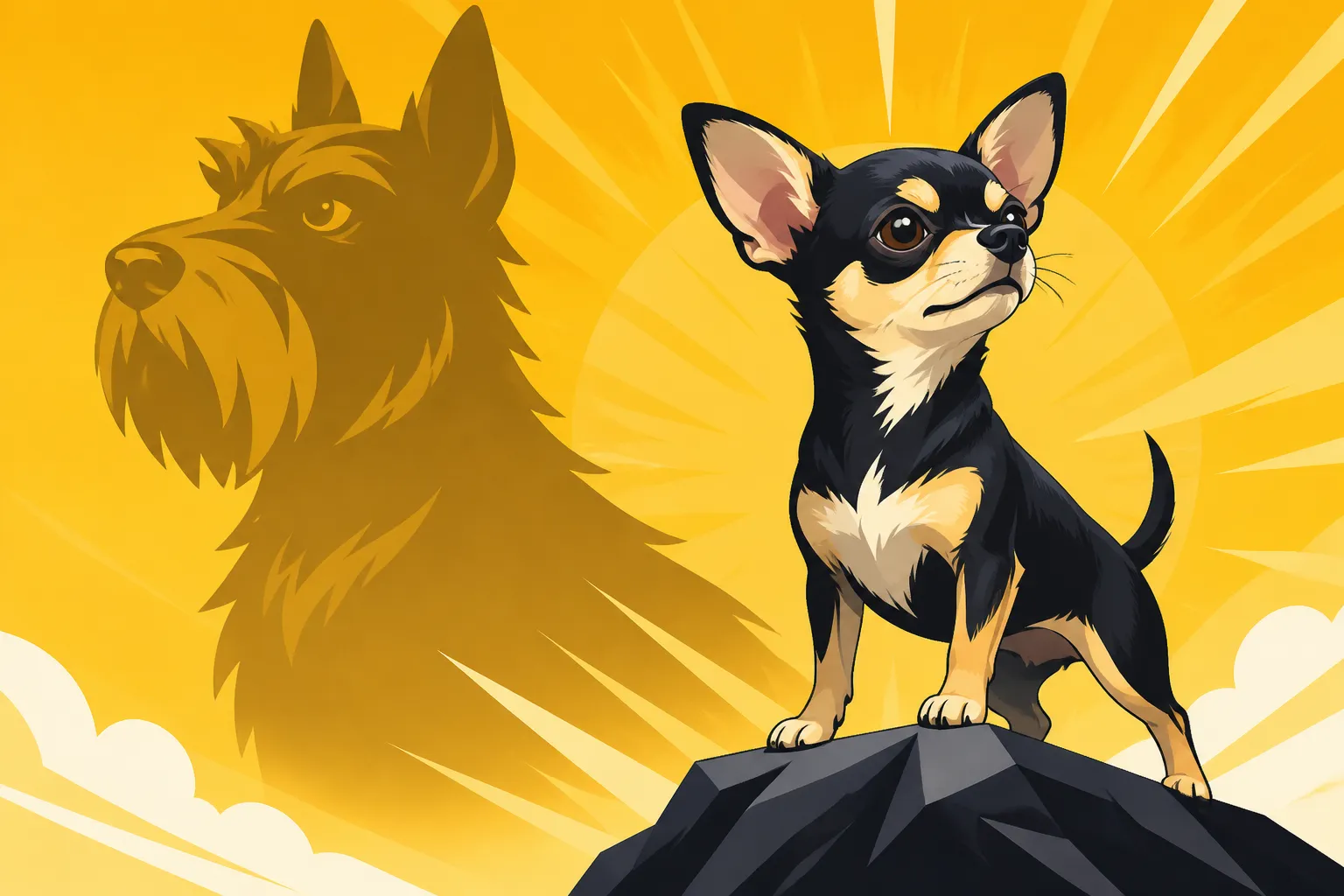
When you read the Chihuahua breed standard, particularly in the section describing temperament, you'll often encounter phrases like "terrier-like" or "game and spirited." This isn't just fluffy language; it's a crucial insight into the ideal personality of this remarkable little dog. It challenges the stereotype of the trembling lap dog and instead paints a picture of a confident, active, and surprisingly bold companion. Understanding this "terrier-like" nature is the first step toward appreciating and fostering the true spirit of your Chihuahua.
Intelligence and Drive in a Tiny Package
Terriers are renowned for their sharp minds, quick wits, and an almost endless well of energy and determination. When the standard applies this to Chihuahuas, it's telling us these little dogs are not meant to be vacant-eyed accessories. They possess a keen intelligence, an innate curiosity, and a drive to engage with their world. They are often quick learners, eager to participate, and responsive to consistent, positive training. If your Chihuahua seems aloof or unresponsive, it might be that their intelligent mind isn't being challenged or engaged in a way that truly captivates them. They thrive on mental stimulation just as much as a larger breed, often enjoying puzzle toys or learning new tricks.
Fearless Yet Not Reckless
A true terrier spirit implies a certain fearlessness, a willingness to face challenges head-on. For a Chihuahua, this doesn't mean they should be reckless or aggressive, but rather confident in new situations and comfortable asserting themselves appropriately. It means they shouldn't cower or constantly tremble in novel environments or around unfamiliar people and dogs. Instead, an ideal Chihuahua will approach new experiences with a cautious but curious attitude, assessing the situation before deciding how to act. This isn't about being confrontational, but about having the inner fortitude to navigate the world without undue anxiety, a trait that makes them much more enjoyable companions.
The Standard's Ideal: Bold and Self-Important
The phrase "self-important" might sound negative, but in the context of a breed standard, it speaks to a dog that carries itself with dignity and confidence, aware of its own presence despite its small size. This isn't arrogance, but a robust self-assurance. A Chihuahua embodying this trait is not easily intimidated. They stand their ground, not aggressively, but with a quiet certainty. This is the opposite of the anxious, yappy dog that might be pushed around or constantly seeks to hide. It's a dog that knows its place in the world and expects to be treated with respect, which is a lovely quality in any companion. This bold spirit makes them excellent watchdogs, ever-alert to their surroundings, a topic explored further in The Chihuahua Alertness the Standard Calls Terrier-Like.
Dispelling the "Small Dog Syndrome" Myth
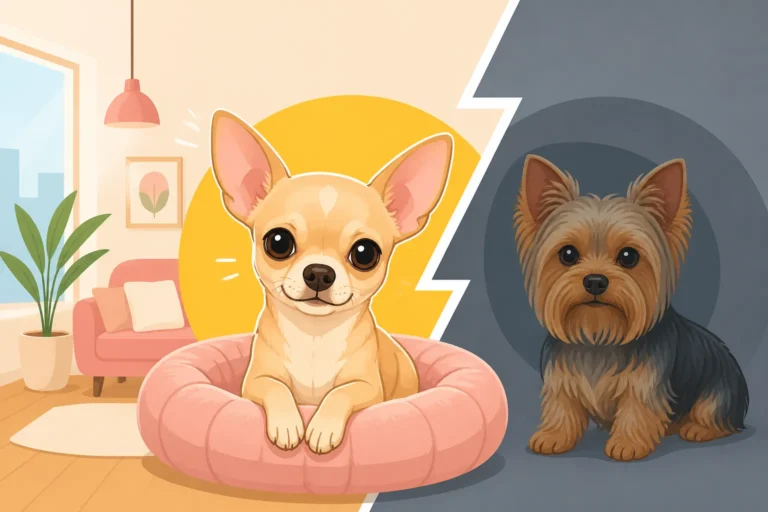
One of the biggest frustrations for Chihuahua owners is the persistent myth of "small dog syndrome." This isn't a genetic condition or an inherent personality flaw; it's a human-created phenomenon. It describes a collection of undesirable behaviors—like excessive barking, aggression towards strangers or other dogs, and refusal to walk on a leash—that are often excused in small dogs but would never be tolerated in a larger breed. The breed standard directly contradicts this notion by asking for a bold, spirited, and well-adjusted dog, making it clear that a "syndrome" is not what breeders strive for or what owners should accept.
Learned Behaviors vs. Inherent Traits
It's crucial to understand that many behaviors attributed to "small dog syndrome" are entirely learned. When a Chihuahua growls at a visitor and an owner picks them up, soothing them, the dog learns that growling gets them attention and possibly removed from a perceived threat. When a tiny dog pulls on a leash and is simply carried, it learns that walking on a leash isn't necessary. These are not inherent traits of the breed. Rather, they are responses conditioned by inconsistent training, over-coddling, and a general lack of appropriate expectations. Your Chihuahua is just as capable of learning good manners and obedience as a German Shepherd; they simply need to be taught. Many owners find effective, small-sized training treats and helpful guides on Chewy to support these learning efforts.
The Consequences of Excusing Bad Behavior
Excusing undesirable behaviors because "they're just a small dog" has profound consequences for both the Chihuahua and its owner. For the dog, it leads to a state of constant anxiety and uncertainty. A dog that feels it must constantly fend for itself, whether through barking, nipping, or lunging, is a stressed dog. They don't have the security of a clear leader or predictable boundaries. For owners, it can lead to social isolation, as friends and family might be wary of visiting, and walks become a stressful ordeal. It also undermines the potential for a fulfilling relationship with a truly confident and well-behaved companion. What might seem like protecting your dog by carrying it everywhere can actually create a dog that's constantly fearful of the ground and the world beyond your arms, a concept detailed in Chihuahua Handling and Why Carrying Backfires.
Why Small Dog Rules Should Match Big Dog Rules
To foster the "terrier-like" spirit, it's essential to apply the same rules and expectations to your Chihuahua as you would to a larger dog. This means consistent house training, teaching basic obedience commands like "sit," "stay," and "come," and insisting on polite leash manners. It means not allowing them to jump on guests, beg for food, or bark incessantly without intervention. If you wouldn't allow a Labrador to jump on your couch with muddy paws, why allow your Chihuahua to bark aggressively at every passerby? Treating your Chihuahua like a capable, intelligent dog capable of learning provides them with the structure and confidence they need to thrive. Why Small Dog Rules Should Match Big Dog Rules offers more insights into this approach.
The Chihuahua's Alertness and Watchfulness
The breed standard's emphasis on a "terrier-like" spirit also highlights the Chihuahua's natural alertness and watchfulness. These little dogs were historically valued partly for their ability to alert their owners to intruders or unusual activity, a trait that translates into a keen awareness of their surroundings. This isn't necessarily about being "yappy," but about being highly observant and possessing a distinct sense of their territory.
A Keen Sense of Their Surroundings
Chihuahuas are incredibly perceptive. They pick up on subtle changes in their environment, from a distant siren to a new shadow on the wall. This hyper-awareness means they're often the first to notice when someone approaches your home, when a squirrel scampers past the window, or even when your neighbor’s cat is sneaking through the yard. This isn't a flaw; it's a valuable trait for a companion animal. Their senses are finely tuned, and they process a lot of information, which can make them seem busy or intense even when they're simply observing.
Vocal Tendencies: Alert Barking
Given their alertness, Chihuahuas are often quick to bark. This isn't always a sign of aggression or fear; often, it's their way of communicating that they've noticed something. This "alert barking" is a natural extension of their watchdog tendencies. The trick for owners is to differentiate between genuine alert barking – a few barks to signal something new – and excessive, uncontrolled barking driven by anxiety or lack of boundaries. The latter can be frustrating for both dog and owner, and managing it requires teaching your Chihuahua a "quiet" command and providing alternative behaviors. For more on this, consider reading Chihuahua Barking and What Sets a Six Pound Dog Off.
The Instinct to Guard Their Space
The "terrier-like" nature also means Chihuahuas can be quite possessive of their space and their people. This instinct to guard, while natural, needs to be managed to prevent it from escalating into resource guarding or outright aggression. They can become very attached to their chosen human, sometimes to the exclusion of others, leading to growling or snapping if they feel their bond is threatened. This is where consistent training and early socialization become vital. Teaching them that sharing is okay, that visitors are friends, and that you control resources (like favorite toys or lap time) helps channel this protective instinct into healthy, well-adjusted behavior rather than insecurity. A strong recall, for instance, can prevent many tense situations, and resources like those on Chewy can help you find tools for teaching this.
Developing a Balanced Chihuahua Temperament
A truly "terrier-like" Chihuahua – one that is bold, confident, and spirited rather than fearful or aggressive – doesn't just happen. It's the result of intentional, consistent effort from day one. Owners play a pivotal role in shaping their Chihuahua's temperament, nurturing the best qualities of the breed while gently guiding away from undesirable behaviors.
Early Socialization and Exposure
Socialization is paramount for any dog, but it's especially critical for Chihuahuas due to their small size and the potential for them to be over-protected. The Chihuahua Socialization Window and Its Deadline emphasizes the importance of introducing puppies to a wide variety of sights, sounds, people, and other well-behaved dogs during their crucial developmental period. This isn't about throwing them into overwhelming situations, but about controlled, positive exposure. Think short, positive interactions with calm strangers, brief visits to quiet parks (carried at first, then on leash), and supervised playdates with vaccinated, appropriate-sized dogs. The goal is to build confidence and help them see the world as a safe, interesting place, rather than something to fear.
Consistent Training and Boundaries
Training isn't just about teaching tricks; it's about establishing clear communication and boundaries. A Chihuahua that understands what is expected of them feels more secure. This means consistent rules about everything from where they can relieve themselves to whether they are allowed on the furniture. Every member of the household needs to be on the same page. Using positive reinforcement methods, like clicker training and high-value, pea-sized treats (many suitable options can be found on Chewy), works wonders with intelligent Chihuahuas. They respond beautifully to praise and rewards, making them eager participants in their learning. Remember, consistency is far more important than intensity; short, frequent training sessions are often more effective. You can find excellent advice on Three Minute Training Sessions With a Chihuahua.
Responsible Handling and Interaction
Due to their delicate size, Chihuahuas are often picked up, carried, and coddled. While affection is wonderful, irresponsible handling can inadvertently undermine their confidence and lead to fear-based behaviors. Always approach your Chihuahua calmly and ask for their consent (e.g., offer a hand to sniff, wait for them to lean in) before picking them up. Teach children how to interact gently and respectfully. Avoid constantly carrying them, as this deprives them of opportunities to explore, gain confidence walking on their own, and learn to navigate the world from their own perspective. Encourage them to walk on a leash, explore new scents, and interact with the ground beneath their paws.
The Importance of Confidence, Not Aggression
A truly terrier-like Chihuahua is confident, not aggressive. There's a critical difference. Confidence stems from security, good training, and positive experiences, leading to a dog that handles new situations calmly. Aggression, particularly in small dogs, often arises from fear, insecurity, or a lack of proper socialization and boundaries. Owners who understand this distinction can work to foster true confidence in their Chihuahuas.
Understanding Fear Reactivity
Unfortunately, many Chihuahuas exhibit fear reactivity, which can manifest as barking, lunging, or even snapping at strangers, other dogs, or new objects. This isn't the "terrier-like" boldness the standard seeks; it's a sign of a dog that feels overwhelmed and threatened. A fearful Chihuahua may puff themselves up, bark aggressively, or even try to bite, not because they are inherently mean, but because they believe they have no other option to protect themselves. Addressing fear reactivity requires patience, counter-conditioning (associating the feared stimulus with something positive, like treats), and often the guidance of a professional trainer. Ignoring it only allows the fear to deepen, as discussed in Chihuahua Fear Reactivity, the Breed's Real Problem.
Building a Secure Attachment
A confident Chihuahua is often one with a secure attachment to their owner. This means they trust their human to keep them safe and to provide clear guidance. When a Chihuahua trusts their owner to manage a situation (e.g., greet a friendly stranger, navigate a busy street), they are less likely to feel the need to react fearfully or aggressively. Building this bond involves consistent positive interactions, predictable routines, and being your Chihuahua's calm, consistent leader. It's about being their advocate and their guide, showing them that you are in charge and they don't have to shoulder that burden.
Positive Reinforcement for Desired Traits
Focusing on positive reinforcement is key to nurturing desirable traits. When your Chihuahua exhibits calm curiosity, reward them. When they interact politely with a new person, reward them. When they choose to approach rather than cower, reward them generously. This reinforces the behaviors you want to see and builds their confidence in doing the "right" thing. Avoid punishment, as it can heighten fear and anxiety, making an already nervous dog even more insecure. The goal is to create a positive feedback loop where good choices lead to good outcomes, fostering a happy, well-adjusted dog. You might find a wide selection of engaging Puzzle Toys Sized for a Chihuahua on Chewy, which can be great for positive reinforcement and mental stimulation.
Living Up to the Standard: Owner Responsibility
Ultimately, the temperament of your Chihuahua is largely a reflection of the environment, training, and care you provide. Living up to the breed standard's ideal of a bold, spirited, and confident Chihuahua requires a commitment from owners to see past the size and treat their tiny companion as the capable, intelligent dog they truly are.
Providing Structure and Enrichment
A Chihuahua thrives on structure. This includes a consistent daily routine for feeding, potty breaks, exercise, and training. Predictability reduces anxiety and helps them feel secure in their world. Beyond structure, enrichment is vital. This means providing opportunities for mental stimulation through training, puzzle toys, sniff walks, and safe, appropriate play. A bored Chihuahua is more likely to develop undesirable behaviors out of frustration or lack of appropriate outlets for their intelligence and energy. Even a small dog needs daily exercise, whether it's indoor fetch or a brisk walk.
Advocacy for Your Small Dog
As a Chihuahua owner, you often need to be an advocate for your dog. This means politely but firmly setting boundaries with people who might want to grab or overwhelm your small dog, especially children or well-meaning but clumsy adults. It also means choosing appropriate playmates if your dog socializes with others, ensuring they are dogs of a similar size or very gentle, controlled larger dogs. Not every dog park or social situation is suitable for a tiny Chihuahua. Your role as an advocate helps protect your Chihuahua from negative experiences that could lead to fear or reactivity, allowing their natural confidence to shine through.
The Long-Term Commitment to Training
Raising a Chihuahua with the desired "terrier-like" spirit is a long-term commitment. It doesn't end after puppyhood; it's an ongoing process of reinforcing good behaviors, continuing with advanced training, and being mindful of their emotional and physical well-being as they age. From managing Chihuahua Arthritis in the Teenage Years to addressing potential changes in behavior, your consistent dedication ensures your Chihuahua lives a full, confident life. Every interaction, every training session, and every boundary you set contributes to the resilient, spirited, and truly wonderful companion that the breed standard envisions.
| Trait | Stereotypical Chihuahua | Standard-Desired Chihuahua |
|---|---|---|
| Confidence Level | Timid, fearful, constantly trembling | Bold, self-assured, curious |
| Behavior Around Strangers | Yappy, aggressive, hides behind owner | Cautious but confident, assesses situation |
| Interaction with Other Dogs | Reactive, insecure, avoids or attacks | Tolerant, playful with appropriate companions |
| Vocalization | Excessive, uncontrolled barking | Alert barking, quiet when appropriate |
| Trainability | Stubborn, difficult to train, untrainable | Intelligent, quick learner, eager to please |
| Dependence | Overly dependent, separation anxiety | Affectionate but independent, secure attachment |
| Energy Level | Low, content to be carried | Active, spirited, enjoys walks and play |
Disclaimer
This article is for general informational purposes only and does not constitute professional advice. Laws, prices and regulations vary by location and change over time. Consult a qualified professional for guidance on your specific situation.