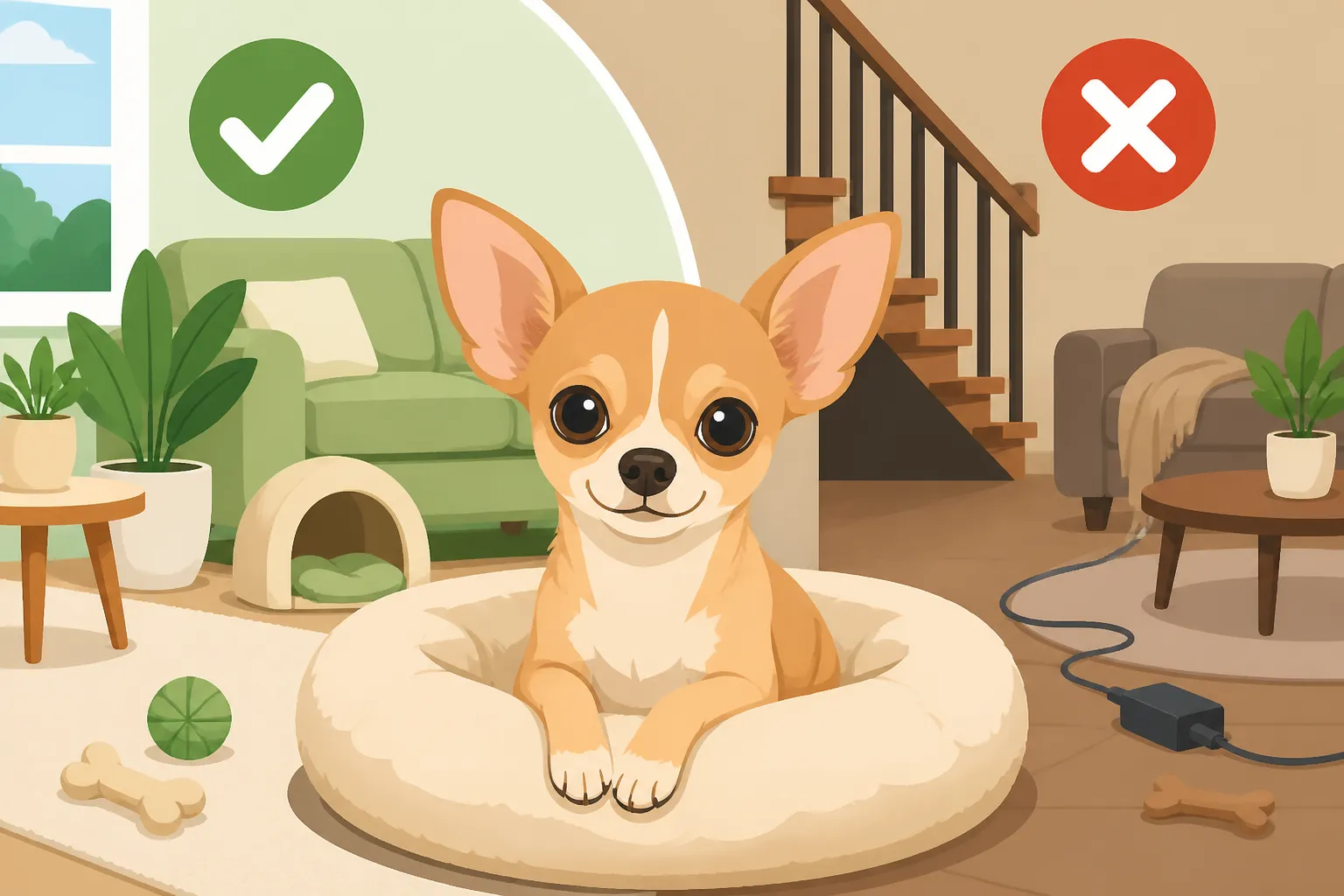
Whether Your Home Suits a Six Pound Dog
Bringing a new dog into your life is a huge decision, and for anyone considering a Chihuahua, one of the biggest questions is whether their home environment is truly suitable for such a tiny, unique canine companion. It's easy to assume "small dog, small needs," but the reality is often quite different. This comprehensive guide will walk you through everything you need to consider, from physical hazards to emotional support, ensuring you understand the specific requirements of welcoming a six-pound dog into your world.
Understanding the Six-Pound Reality: More Than Just "Small"
When we talk about a six-pound dog, it's not just a cute descriptor; it's a fundamental aspect of their physiology and how they interact with the world around them. This tiny stature dictates so much of a Chihuahua's daily life, from how they regulate body temperature to how they navigate obstacles that larger dogs barely notice. It's crucial for prospective owners to grasp that this isn't just a miniature version of a golden retriever; it's an entirely different creature with distinct vulnerabilities and needs.
The Fragility of a Tiny Frame
Imagine living in a world built for giants. That's often what life is like for a Chihuahua. Their bones are delicate, their skulls can have soft spots, and a simple misstep off a sofa can lead to a serious injury. This isn't to say they are always teetering on the brink of disaster, but it does mean that owners must adopt a heightened sense of awareness when it comes to their pet's physical safety. Accidents that might cause a shrug for a larger breed could mean an emergency vet visit for your tiny companion.
Many people are surprised to learn about common Chihuahua health issues directly related to their size. For instance, patellar luxation, or a slipping kneecap, is incredibly prevalent, and repeated jumping from heights can exacerbate this condition or even lead to cruciate ligament tears over time. Similarly, the breed's famous "molera," or soft spot on the skull, while often closing with age, makes head injuries a particular concern for younger puppies. You have to think about their environment from their perspective, which means a whole new level of "baby-proofing" your home.
Why Chihuahuas Are Always Cold
One of the most noticeable traits of a Chihuahua is their propensity to shiver, and while fear or excitement can play a role, more often than not, it comes down to being genuinely cold. Their small body mass, combined with a thin coat (even long-haired varieties don't have dense undercoats like northern breeds), means they struggle significantly to regulate their body temperature. They simply don't have the internal reserves or insulation that larger dogs possess.
This means that a comfortable room temperature for a human or a larger dog might be uncomfortably chilly for a Chihuahua. Drafts from windows, cold floors, or even a slight drop in ambient temperature can send them into a shivering fit. Providing a warm, cozy environment isn't just a luxury; it's a health necessity. We'll delve deeper into specific solutions later, but understanding that constant warmth is non-negotiable is the first step in ensuring your home suits a tiny dog. You'll often find yourself asking Why a Chihuahua Shivers Indoors.
Safety First: Protecting Your Tiny Chihuahua at Home
Ensuring your home is a safe haven for a six-pound Chihuahua means looking at every corner and surface through a different lens. What seems innocuous to us can be a significant hazard to a dog barely bigger than a shoe. From preventing falls to safeguarding against everyday household items, a proactive approach to safety is paramount for these delicate creatures.
Guarding Against Falls and Jumps
The biggest danger in most homes for a Chihuahua isn't a predator; it's gravity. A seemingly small jump off a chair, a slip down the stairs, or a tumble from an owner's arms can result in broken bones, concussions, or even internal injuries. Their tiny legs and delicate joints are simply not built for impact from heights, especially repeated ones. This means that furniture access needs to be carefully managed.
Consider every surface your Chihuahua might try to access. Beds, sofas, even kitchen chairs are all potential launchpads for disaster. Investing in ramps or dog-friendly steps for furniture is not an indulgence; it's a vital piece of safety equipment. Teaching your Chihuahua to use these can save them from painful injuries and expensive vet bills. Think about how many times a day your current pet jumps on and off the sofa; a Chihuahua simply cannot do that safely without assistance. This is why you'll often see owners installing Ramps for a Chihuahua Bed and Sofa.
Eliminating Household Hazards
Beyond falls, the average home is full of everyday items that pose a serious threat to a curious, six-pound dog. Common household cleaners, medications left on counters, or even certain human foods can be deadly in quantities that wouldn't faze a larger dog. Given their low body weight, even small ingestions of toxins can quickly become critical emergencies.
You'll need to develop a habit of extreme vigilance. Counters must be clear, cabinets secured, and wastebaskets inaccessible. Toxic plants, even those commonly found indoors like lilies or philodendrons, need to be removed or placed well out of reach. Think about what's at Chihuahua-nose height or within easy jumping distance from a low stool. Everything from loose change (zinc poisoning) to discarded chewing gum (xylitol is lethal) needs to be considered a potential hazard.
| Household Hazard Type | Example Items | Chihuahua Risk Factor | Mitigation Strategy |
|---|---|---|---|
| Poisons | Cleaning products, medications, pesticides | Rapid severe illness, death | Secure cabinets, high shelving, child-proof locks |
| Toxic Foods | Chocolate, grapes, onions, xylitol | Organ damage, seizures, death | Never leave food unattended, educate family |
| Choking Hazards | Small toys, coins, foreign objects | Airway obstruction, internal injury | Inspect toys, keep small items off floor, chew-proof toys |
| Falls/Jumps | Sofas, beds, stairs, human arms | Fractures, concussions, luxations | Ramps/steps, supervised handling, baby gates |
| Extreme Temps | Drafts, cold floors, direct sun (no shade) | Hypothermia, heatstroke | Sweaters, warm beds, access to shade, regulated temps |
Navigating Other Pets and People
If your home already includes other pets or active children, you have an additional layer of safety to consider. A larger dog, even one with the best intentions, can accidentally injure a Chihuahua simply through enthusiastic play or an uncontrolled bump. Children, especially young ones, might not understand the fragility of a tiny dog and could inadvertently cause harm by rough handling or dropping them.
Supervision becomes constant. Introducing a Chihuahua to a resident Labrador, for example, requires careful, controlled interactions and never leaving them unsupervised. Chihuahuas Living With Bigger Dogs is a delicate balance that relies heavily on training and consistent management. Similarly, if you have Chihuahuas in a House With Young Children, you must teach children appropriate handling and interaction from day one, always monitoring their playtime to prevent accidents. It's a huge responsibility to manage these interactions safely for everyone involved.
Living Spaces: Adapting Your Home for a Small Dog
The size of your home isn't necessarily the primary factor in its suitability for a Chihuahua; rather, it's how you adapt that space to meet their specific needs. Whether you live in a sprawling house or a cozy studio apartment, thoughtful adjustments can make all the difference in creating a safe, comfortable, and stimulating environment for your tiny companion.
Apartment Living and Small Spaces
Chihuahuas are often touted as ideal apartment dwellers, and in many ways, this is true. Their minimal exercise requirements and small stature mean they don't need a sprawling backyard to thrive. An apartment can provide a wonderfully secure and warm environment. However, "small dog" doesn't automatically mean "silent dog," and apartment living comes with its own set of considerations.
Noise can be a major factor. Chihuahuas are renowned for their alert barking, and a busy apartment building with constant hallway traffic, elevators, and neighboring sounds can trigger frequent vocalizations. Training a quiet cue is essential, as is managing their view of the outside world. Covering windows or providing a 'safe room' away from the hustle can help. On the plus side, Keeping a Chihuahua in a Studio Apartment means your dog is almost always with you, preventing loneliness, and their compact size makes travel much easier. You won't struggle to find a carrier that fits airline regulations, for example.
Creating Cozy, Secure Havens
Regardless of your home's size, every Chihuahua needs several designated safe spaces where they can retreat, feel secure, and stay warm. These aren't just arbitrary spots; they are essential for their emotional well-being and physical comfort. Think of them as tiny, personalized dens scattered throughout your living areas.
These havens should ideally be elevated off cold floors, perhaps a soft bed inside a crate or a cozy burrow bed on a low, secure table. Chihuahua Beds, Carriers and Small Gear can be found at retailers like Chewy, offering various options from warming self-heating beds to plush enclosed hideaways. Ensure these spots are in low-traffic areas where your Chihuahua won't constantly be disturbed. This allows them to rest undisturbed, regulate their temperature, and feel safe from the busy household world.
Temperature Control and Drafts
As we discussed, Chihuahuas get cold easily. This means your home's ambient temperature is more critical for them than for many other breeds. A warm living environment is paramount, and you might find yourself adjusting your thermostat a few degrees higher than you normally would, especially in winter. Drafts are also a huge culprit for chilling a Chihuahua.
Walk through your home at their level. Feel for cold air currents coming from under doors, around windows, or from poorly insulated areas. Strategically placed draft stoppers, heavy curtains, or even relocating their beds away from drafty spots can make a significant difference. In colder climates, investing in Chihuahua Sweaters and What They Cost is a necessity, not just a fashion statement. You might even consider a heated pet mat for their favorite napping spot, ensuring they have a consistent source of warmth, especially during colder nights.
Family Dynamics: Chihuahuas and Household Members
Bringing a Chihuahua into a home with multiple family members or young children requires careful consideration of how everyone will interact with this tiny dog. Their small size makes them particularly vulnerable to accidental injury, and their sensitive nature means they thrive best in an environment where their boundaries are respected and their presence valued, not just tolerated.
Chihuahuas and Children
This is perhaps the most critical area of assessment. While a Chihuahua can form strong bonds with children, their delicate nature and often sassy personalities mean they are generally not the best choice for homes with very young or boisterous kids. An accidental drop, a clumsy step, or even a sudden loud noise can easily injure or traumatize a Chihuahua. The risk is simply too high.
For families with older, more responsible children who understand gentle handling and respect a dog's space, a Chihuahua can be a wonderful companion. However, direct supervision is still a must, and children need to be taught how to interact safely, always asking permission before approaching or touching. The adage "a small dog is not a toy" is especially true here. You should seriously evaluate Chihuahuas in a House With Young Children before bringing one home to prevent potential heartbreak and injury.
Sharing Your Home with Multiple Adults
In a household with several adults, the key to successful Chihuahua integration lies in consistency and clear communication. Chihuahuas are known for bonding very strongly with one primary person, but they can certainly learn to interact positively with all members of the household if everyone adheres to the same rules and training methods. Inconsistent boundaries or conflicting approaches to discipline can create confusion and anxiety for such a sensitive dog.
Ensure everyone agrees on feeding schedules, potty routines, and training cues. This also extends to handling. Chihuahuas often become accustomed to being carried, but this can inadvertently foster dependence and even increase fear reactivity if they aren't also comfortable walking on their own four paws. Encourage all adults to engage in positive reinforcement training, short play sessions, and calm handling, so the Chihuahua sees every person as a source of good things.
The Single Person's Companion
For a single person or a quiet, adult-only household, a Chihuahua can be an absolutely perfect companion. They thrive on close companionship and often relish being the center of their human's world. Their low exercise needs make them adaptable to various lifestyles, and their portable size means they can often join you on errands or travels, preventing separation anxiety.
However, even in a single-person home, it's important to foster some independence. While tempting to dote on them constantly, ensuring they have time to settle on their own, even if just in another room, can prevent extreme separation anxiety down the line. Structured alone time, starting with short durations, is crucial. For someone looking for a devoted, pint-sized shadow, a Chihuahua is an unparalleled choice, offering endless affection and a constant presence.
Coexisting with Other Pets: Integrating a Chihuahua
The idea of bringing a six-pound Chihuahua into a multi-pet household can feel daunting, especially if your current residents are significantly larger or have strong personalities. While it requires careful management and thoughtful introductions, many Chihuahuas successfully integrate into homes with dogs of all sizes, and even cats. The key is prioritizing safety, supervision, and understanding each animal's individual temperament.
Introducing to Bigger Dogs
This is where the size difference really comes into play. A friendly romp between two large dogs could be a serious accident waiting to happen for a tiny Chihuahua. The sheer weight and force of a larger dog, even in playful interaction, can cause severe injury. Therefore, all introductions and initial interactions must be strictly supervised and managed.
Start with controlled, short meetings on neutral territory, with both dogs on leash. Watch body language closely for signs of stress or over-excitement in either animal. Never leave them unsupervised until you are absolutely certain of their compatibility, and even then, always consider the potential for accidental harm. Providing high places for your Chihuahua to escape to if they feel overwhelmed, like a dog bed on a sturdy table or a playpen, is crucial. Remember, the goal is not just peaceful coexistence, but safe coexistence.
Chihuahuas and Cats
While many people assume cats will be the aggressors with such a small dog, the truth is often the opposite. Chihuahuas can be quite bold and feisty, and their terrier-like personalities might lead them to pester or challenge a larger, more placid cat. Of course, a cat's sharp claws or a swat to the head could also easily injure a Chihuahua.
Slow introductions are key. Use gates or separate rooms to allow them to get used to each other's scent first, then progress to supervised visual contact. Reward calm behavior from both animals. Ensure the cat has plenty of escape routes and high perches away from the dog, and ensure the Chihuahua is not allowed to chase or harass the cat. With patience and management, many Chihuahuas and cats become the best of friends, often found napping together in a sunbeam.
Other Small Pets: Rabbits, Guinea Pigs, Birds
Here, the Chihuahua's strong prey drive, despite its size, can be a factor. While not typically a "hunter" of large prey, smaller, quick-moving animals like rabbits, guinea pigs, or hamsters can trigger an instinctual chase response. This can lead to stress, injury, or even death for the smaller animal.
It is generally recommended to keep Chihuahuas completely separate from very small prey animals. Their interactions should never be unsupervised, and ideally, they should not share the same living space unless the smaller pet is in a secure enclosure that the Chihuahua cannot access or overturn. Birds should also be kept in secure cages well out of reach. It's about respecting the natural instincts of both your Chihuahua and your other beloved pets to ensure everyone's safety and peace of mind.
Your Lifestyle: Matching a Chihuahua's Needs
A Chihuahua's small size often leads to misconceptions about their needs. While they might not require miles of running, they are far from "couch potatoes" and thrive on engagement, structure, and consistent care. Assessing your lifestyle against these needs is vital to determine if a Chihuahua truly fits your daily routine and long-term commitments.
Exercise and Mental Stimulation
Despite being small enough to fit in a handbag, Chihuahuas do need daily exercise. A twenty-minute walk around the block, perhaps twice a day, is usually sufficient, but this can vary by individual. What's often overlooked is their need for mental stimulation. These are intelligent, alert dogs who benefit greatly from puzzle toys, short training sessions, and interactive play. Chihuahua Exercise for a Dog That Fits in a Bag does not mean no exercise at all.
Think about how you'll provide this. Do you have time for daily walks, even in inclement weather (remembering their cold sensitivity)? Are you willing to engage them with training games or hide-and-seek indoors? Mental enrichment prevents boredom, which can lead to unwanted behaviors like excessive barking or destructive chewing. A bored Chihuahua is often an unhappy and mischievous Chihuahua, no matter how small.
Time Alone and Social Needs
Chihuahuas are known for being incredibly devoted to their people, which is wonderful, but it can also predispose them to separation anxiety if not managed proactively. They crave companionship and do not do well being left alone for long stretches, day after day. If your work schedule involves long hours away from home, or frequent travel, you need to have a solid plan in place.
Consider dog walkers, pet sitters (like those found on Rover or Wag), or a reputable doggy daycare that caters to small breeds. Never assume that because they are small, they can simply be left in a crate all day. A six-pound dog can suffer just as much, if not more, from loneliness and anxiety as a larger one. You might find yourself researching The Chihuahua Separation Signs Owners Miss if you're not careful about managing their alone time effectively from the start.
Travel and Adventures
One of the great perks of owning a Chihuahua is their portability. They are perfectly sized to travel in cabin on most airlines, fit comfortably in travel carriers, and are generally welcome in many pet-friendly hotels and establishments. If you love to travel and want a companion by your side, a Chihuahua could be an excellent match.
However, traveling with any pet, especially a small one, requires planning. Research pet policies for airlines, hotels, and destinations well in advance. Always have a comfortable, airline-approved carrier, and ensure your Chihuahua is happy and relaxed inside it. Think about their comfort and safety during travel, bringing familiar items, their usual food, and ensuring they have plenty of potty breaks. The ability to join you on adventures can significantly enhance their quality of life and your bond.
Long-Term Commitment: Preparing for a Long-Lived Companion
Chihuahuas are renowned for their longevity, often living well into their mid-teens, and sometimes even past twenty years. This incredible lifespan is a gift, but it also represents a significant, long-term commitment that prospective owners must be prepared for. Owning a Chihuahua means planning for over a decade and a half of care, evolving needs, and potential senior health challenges.
The Decades of Devotion
When you adopt a Chihuahua, you're not just committing to a few years; you're often committing to a significant portion of your own adult life. Chihuahua Lifespan and Why the Breed Reaches Sixteen means anticipating changes in your own life—career shifts, new family members, moves—and understanding how your tiny companion will fit into each stage. They will be there through thick and thin, a constant, loving presence.
This requires forethought. Are you prepared to provide consistent care, training, and affection for potentially eighteen years? This isn't a decision to be taken lightly. It means being there for them as they transition from an energetic puppy, through their active adult years, and into their dignified senior years, where their needs will shift once again.
Evolving Health and Senior Care
While generally healthy, Chihuahuas are prone to certain age-related conditions. Dental disease is almost universal, often requiring annual cleanings and extractions as they age. Heart disease, specifically mitral valve disease, is also common in senior Chihuahuas. As they enter their teenage years, you might also start to see signs of Chihuahua Arthritis in the Teenage Years or Cognitive Decline in a Fifteen Year Old Chihuahua.
This means budgeting not just for preventative care, but also for potential ongoing medical management in their later years. Regular vet check-ups, specialized diets, medications, and mobility aids like ramps or supportive beds become more frequent and necessary. Being prepared for the financial and emotional commitment of senior care is a crucial part of being a responsible Chihuahua owner. They have given you so many years of joy; ensuring their comfort and dignity in their final years is the ultimate act of love.
Financial Planning for a Lifetime
The cost of owning any dog can be substantial, but for a long-lived breed like the Chihuahua, these costs accumulate over many years. While their daily food intake is small, vet bills, especially for dental care or age-related conditions, can add up. Pet insurance is a consideration many Chihuahua owners explore to help mitigate unexpected large expenses.
Think about setting aside a yearly "pet fund" to cover routine care, emergency visits, and potential senior treatments. Discuss the typical costs with your veterinarian, and explore options for pet insurance plans that cover breed-specific conditions or routine wellness. A responsible owner plans not just for the good times, but also for the inevitable challenges that come with a long and cherished life together.
Disclaimer
This article is for general informational purposes only and does not constitute professional advice. Laws, prices and regulations vary by location and change over time. Consult a qualified professional for guidance on your specific situation.