Chihuahua Sweaters and What They Cost
If you've ever shivered alongside your tiny Chihuahua, or watched them tremble even indoors, you know the struggle is real. These spirited little dogs, for all their big personality, often feel the cold acutely in a way larger breeds simply don't. This guide is all about helping you understand why your pint-sized pal needs that extra layer of warmth, what kinds of sweaters are out there, what they typically cost, and how to make sure your little one stays toasty and comfortable through every season.
Understanding Why Your Chihuahua Feels the Cold So Much
It’s not just an act, nor are they being overly dramatic; Chihuahuas genuinely feel the cold much more intensely than most other dogs. This isn't a personality quirk, but a fundamental aspect of their physiology and genetics. Owners often feel a pang of guilt or frustration when their otherwise robust little friend is shivering by the window, but understanding the root cause helps immensely in providing the right care.
The Physiological Reasons for a Chihuahua's Chill
Let's get down to basics. Chihuahuas are one of the smallest dog breeds on the planet, and their diminutive size is a double-edged sword when it comes to regulating body temperature. They possess very little body fat, which is a dog's natural insulation layer. Think about a husky or a Newfoundland; they have thick coats and a generous layer of subcutaneous fat to keep them warm in freezing temperatures. Your Chihuahua simply doesn't have that biological advantage. Their thin skin and often sparse coat, even in long-haired varieties, offer minimal protection against chilly air, whether it's an autumn breeze or an air-conditioned room. This lack of natural padding means external temperatures affect them almost immediately.
Their high surface area to volume ratio is another major factor. This might sound like a science lesson, but it simply means that because they are so small, they lose heat to the environment much faster than a larger dog. Imagine a tiny teacup full of hot tea versus a large thermos. The teacup cools down incredibly quickly because a large proportion of its hot surface is exposed to the cooler air. Your Chihuahua is much like that teacup. This is why you often see them curled up tight, burrowing under blankets, or seeking out sunbeams – they're instinctively trying to conserve every bit of precious body heat. When these efforts aren't enough, their bodies resort to shivering. This isn't just discomfort; shivering is an involuntary muscle contraction that generates heat, a survival mechanism. It’s a clear sign that your little one is struggling to stay warm, and it’s a good indication it’s time to intervene with a cozy sweater or a warm blanket. If you’ve ever wondered Why a Chihuahua Shivers and What It Means, it’s almost always related to temperature or stress.
Health Implications of Being Under-Dressed in Cold Weather
Beyond mere discomfort, prolonged exposure to cold can lead to genuine health concerns for a Chihuahua. The most immediate risk is hypothermia, which occurs when a dog's body temperature drops dangerously low. For a tiny Chihuahua, this can happen surprisingly quickly, even in temperatures that might feel only mildly cool to a human or a larger dog. Symptoms of hypothermia can range from persistent shivering and lethargy to more severe signs like muscle stiffness, shallow breathing, and even collapse. It's a serious condition that requires immediate veterinary attention.
Furthermore, a constantly cold Chihuahua is a stressed Chihuahua, and stress can weaken the immune system, making them more susceptible to illness. Imagine trying to fight off a cold when you're always freezing; it's the same principle for our dogs. Cold weather can also exacerbate existing health conditions. For instance, Chihuahuas prone to Chihuahua Arthritis in the Teenage Years may experience increased pain and stiffness in their joints when cold. Those with respiratory issues like Collapsing Trachea and the Chihuahua Honking Cough might find that cold, dry air irritates their airways, leading to more frequent coughing spells. Even something as common as kennel cough or a minor upper respiratory infection can become more severe if their body is expending all its energy trying to stay warm rather than fighting off pathogens. Ensuring they are properly dressed is a proactive step in maintaining their overall health and quality of life, extending their comfort well into their senior years.
Navigating the World of Chihuahua Sweaters: Materials and Design
Once you understand why your Chihuahua needs a sweater, the next step is figuring out what kind of sweater is best. The market is flooded with options, and it can feel overwhelming to choose. It’s not just about looks; the material, fit, and design all play a crucial role in providing actual warmth and comfort for your little companion.
Common Materials and Their Warmth-to-Cost Ratios
When selecting a sweater, the material is paramount. Different fibers offer varying degrees of warmth, breathability, and durability, which naturally impacts the cost. Let's break down some popular choices:
- Wool (Merino, Cashmere, Blends): Wool is a fantastic insulator, known for its natural warmth even when damp. Merino wool is often praised for being softer and less itchy than traditional wool, making it a comfortable choice for sensitive Chihuahua skin. Cashmere is the epitome of luxury, offering incredible softness and warmth but at a significantly higher price point. Wool blends often mix natural wool with synthetic fibers to enhance durability, reduce cost, and make them easier to care for. These can be excellent options for serious warmth, though they often require more delicate washing than synthetic alternatives. A good wool sweater might cost anywhere from $25 to $75+, especially for premium blends.
- Fleece (Polyester, Synthetic Blends): Fleece is perhaps the most common and practical material for dog sweaters. It’s made from synthetic fibers, usually polyester, which are excellent at trapping body heat. Fleece is lightweight, dries quickly, is relatively inexpensive, and incredibly easy to clean. It’s also durable, making it a great choice for everyday wear, especially for active Chihuahuas. You'll find a vast range of fleece sweaters on sites like Chewy, from thin layers perfect for indoors to thicker, more substantial outdoor options. Expect to pay between $10 and $30 for a good quality fleece sweater.
- Cotton and Cotton Blends: Cotton is soft, breathable, and comfortable, making it a good choice for mild indoor chill or as a base layer. However, cotton doesn't offer much insulation when wet, and it's not as warm as wool or fleece for colder conditions. Cotton blends, often with a touch of polyester or spandex, can offer a better fit and a bit more durability. They are generally affordable, ranging from $8 to $25. While comfortable, they aren't the best for serious cold.
- Thermal Knits: These are often synthetic fabrics specifically designed to retain body heat. They might feel thinner than fleece but are engineered for warmth. They are great for layering or for Chihuahuas who need extra warmth but don't tolerate bulky clothing. The cost can vary widely depending on the specific technology used, but typically fall in the $15 to $40 range.
Consider your Chihuahua’s specific needs and typical activities when choosing a material. A couch potato might adore a cashmere blend, while an adventurous outdoor explorer would benefit more from a durable, easy-to-clean fleece.
Styles and Features That Maximize Comfort and Warmth
Beyond the material, the design and features of a Chihuahua sweater are crucial for both warmth and your dog's willingness to wear it. A poorly fitting sweater can restrict movement, chafe, or simply fail to keep them warm.
- Fit is Everything: The sweater should be snug enough to trap body heat but not so tight that it restricts breathing, movement, or causes discomfort. Always measure your Chihuahua carefully before buying. Key measurements include neck circumference, chest girth (the widest part behind the front legs), and back length (from the base of the neck to the base of the tail). Different brands, even on platforms like Chewy, might have slightly different sizing charts, so always double-check. A sweater that is too loose will allow cold air to get in, defeating its purpose, while one that is too tight can be frustrating for your dog and potentially lead to skin irritation. When you’re trying to determine The Sweater Weight a Chihuahua Needs, fit is just as important as the material.
- Coverage Matters: Look for sweaters that offer good coverage over the back, chest, and belly. Many Chihuahuas have sparse fur on their undersides, making this area particularly vulnerable to cold. A sweater with a design that covers the belly somewhat, without hindering potty breaks, is ideal. Turtleneck or high-collar styles are also excellent for keeping their necks warm, which is important for preventing drafts.
- Leg Holes and Mobility: Ensure the leg holes are comfortable and don't rub or restrict movement. Your Chihuahua should be able to walk, run, and play naturally while wearing the sweater. Some sweaters have sleeves, which can provide extra warmth for the front legs, but make sure they aren't too long or tight.
- Ease of Dressing: Consider how easy the sweater is to put on and take off. Chihuahuas can be delicate, and wrestling them into a complicated garment isn't fun for anyone. Stretchable fabrics, snap closures, or simple pull-over designs are often the easiest. This is especially true if you are trying to get Getting a Chihuahua Used to Wearing Clothes without creating a negative association.
- Reflective Elements: For outdoor excursions in low light, consider sweaters with reflective strips for added safety, especially if you live in an urban area where cars are a concern.
What to Expect When Budgeting for Chihuahua Sweaters
Budgeting for your Chihuahua's wardrobe isn't just about the initial sticker price; it's about making smart choices that provide comfort and value over time. While Chihuahuas are small, their specialized needs mean that even basic items like sweaters deserve careful consideration.
A Breakdown of Average Sweater Costs by Type and Quality
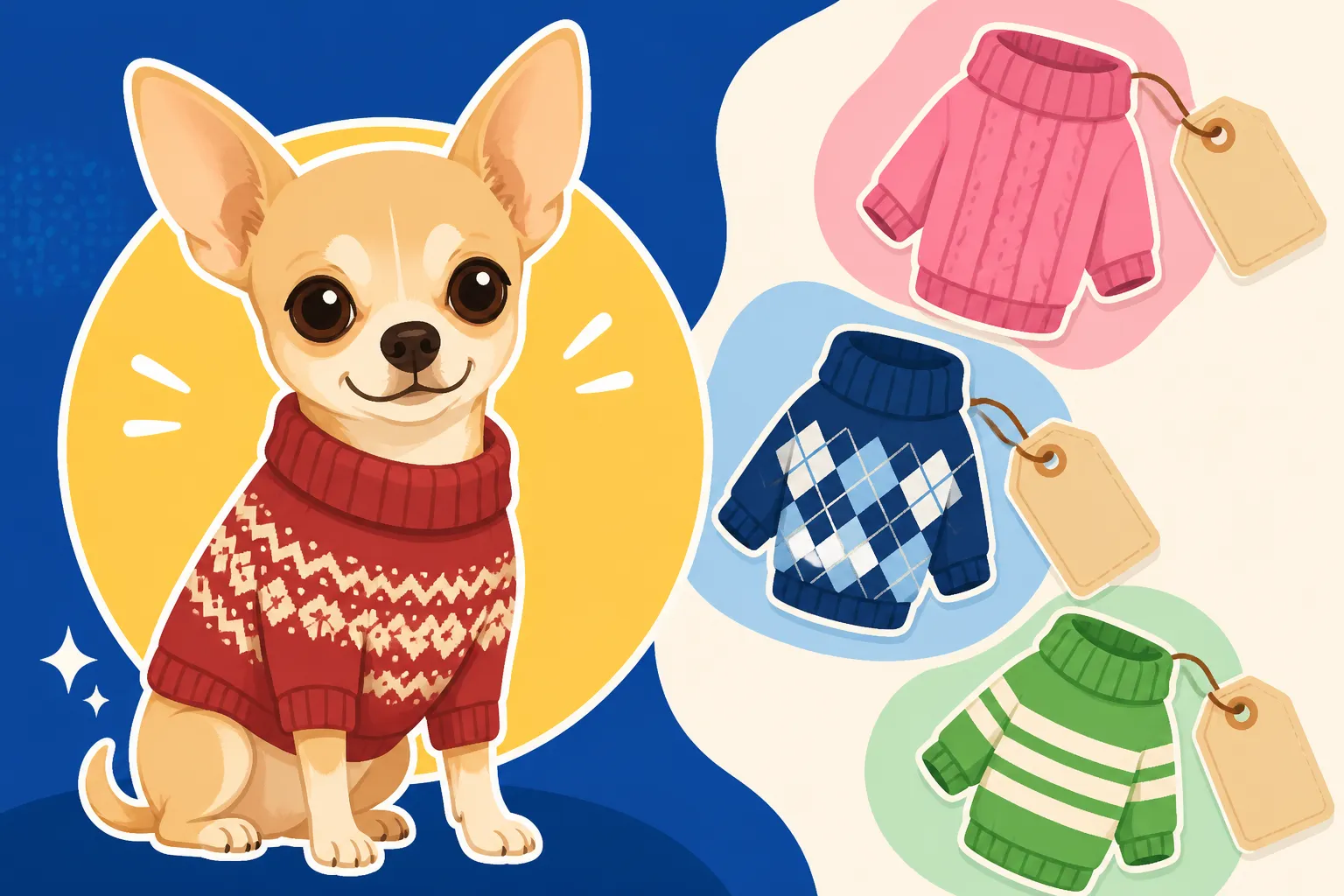
The cost of a Chihuahua sweater can vary widely, from a few dollars to nearly a hundred. It truly depends on what you're looking for in terms of material, brand, and design features.
- Basic and Budget-Friendly Sweaters ($8 – $25): These are typically made from standard acrylic, thin cotton, or basic polyester fleece. You can find these at most large pet retailers or online marketplaces. They are usually simple pull-over designs, often without many extra features. They serve the purpose of providing a basic layer of warmth for mild indoor chill or short outdoor trips. Brands like Frisco (often found on Chewy) offer a wide selection in this price range. While affordable, they might not be as durable or as insulating as higher-end options, and the fit might be less tailored.
- Mid-Range Quality Sweaters ($25 – $50): This category offers a better balance of quality, durability, and style. You'll start seeing better materials here, like thicker fleece, soft wool blends, or more robust thermal knits. These sweaters often feature improved designs, such as turtlenecks, better belly coverage, and more thoughtful stitching for comfort. Brands known for good quality pet apparel, even if not luxury, often fall into this bracket. They're a solid investment for Chihuahuas who need reliable warmth and whose owners appreciate a bit more style and longevity.
- Premium and Designer Sweaters ($50 – $100+): At the higher end, you're paying for superior materials like Merino wool, cashmere blends, high-performance technical fabrics, or designer labels. These sweaters often boast exceptional craftsmanship, ergonomic designs for ultimate comfort, and intricate patterns or embellishments. Some even come with specific features like water resistance or wind-blocking layers, making them akin to specialized human activewear. If your Chihuahua is particularly sensitive to cold, or if you simply want the best in terms of luxury and performance, these are the sweaters to consider. You're also paying for the durability and ease of care that often comes with higher-quality textiles.
Here's a quick comparison table to help visualize the cost differences:
| Sweater Type | Typical Materials | Price Range (Chihuahua Size) | Key Characteristics |
|---|---|---|---|
| Basic Everyday | Acrylic, thin cotton, basic polyester fleece | $8 – $25 | Simple, lightweight, good for mild indoor chill |
| Mid-Range & Durable | Thicker fleece, cotton/poly blends, soft wool blends | $25 – $50 | Better insulation, improved fit, more durable |
| Premium/Luxury | Merino wool, cashmere, performance technical fabrics | $50 – $100+ | Superior warmth, exceptional comfort, designer style |
Beyond the Basic Sweater: Investing in a Full Cold-Weather Wardrobe
While a good sweater is a fantastic start, truly keeping your Chihuahua warm often requires a bit more foresight. Their needs change depending on the activity level, the duration of exposure, and the specific weather conditions. Just like we have different jackets for different seasons, your Chihuahua can benefit from a small, curated wardrobe.
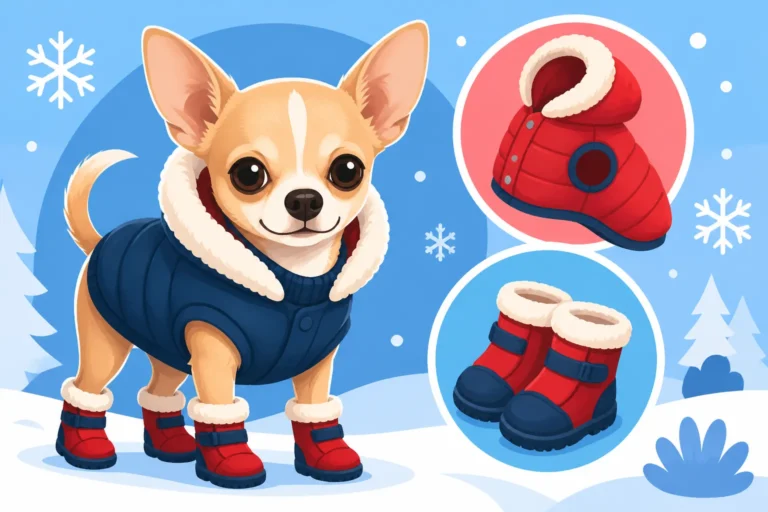
For serious outdoor cold, especially in regions with harsh winters, a sweater might not be enough on its own. This is where you might consider layering a sweater under a dedicated winter coat. A waterproof or water-resistant coat can protect against rain and snow, while a thicker, insulated coat provides an outer barrier against biting winds. Many such coats are designed with a soft fleece lining, offering that extra layer of warmth over a thinner sweater. This combination is especially important if you’re trying to walk your Chihuahua when The Coldest Temperature to Walk a Chihuahua might be approaching. You can explore a vast array of Chihuahua Winter Coats and Boots to find the perfect match for your pup’s outdoor adventures.
Don't forget the importance of paw protection. Salt, ice melt chemicals, and freezing pavement can be incredibly harsh on tiny paws. Dog boots, while they might take some getting used to, can offer vital protection. They prevent frostbite and protect against irritating substances, making walks much more comfortable and safe. You might also look into balms for paw protection. Even indoors, especially if you have drafty floors or a naturally cool home (perhaps you keep your thermostat lower to save on energy bills, or because you find it too warm to be comfortable yourself), consider a heated bed or a self-warming mat. These provide a constant source of gentle warmth and are fantastic for senior Chihuahuas or those prone to chilling. You can learn more about options for Heated Beds and Whether They Are Safe. Combine these with a cozy Blanket Nests and Chihuahua Burrowing setup, and your tiny friend will be living in canine luxury.
Practical Tips for Keeping Your Chihuahua Cozy and Safe
Having the right sweater is one thing, but making sure your Chihuahua actually wants to wear it, and that it lasts, requires a few practical tips. It's all part of making the experience positive and effective for both of you.
Introducing Your Chihuahua to Wearing Clothes Positively
Some Chihuahuas take to clothes like they were born in them, while others react with suspicion, freezing up or trying to wriggle out immediately. The key is to make the introduction a positive, gradual experience.
- Start Early (if possible): If you have a puppy, begin introducing them to lightweight clothing early on. Short, positive sessions will build familiarity. Even older Chihuahuas can learn, it just might take a little more patience.
- Make it a Treat Fest: The very first time you show them a sweater, let them sniff it, and immediately follow with a high-value treat and praise. Do this a few times without even attempting to put it on.
- The First Try: For the first actual attempt, choose a time when your Chihuahua is relaxed. Gently slip the sweater on, starting with the head and then the legs. Keep it quick and calm. As soon as it's on, even if it’s only partially on, immediately give a treat and lavish praise. Don't force it if they resist strongly. If they seem uncomfortable, take it off, praise, and try again later. It's often helpful to put it on right before something enjoyable, like a meal or a favorite game. This helps create a positive association.
- Short Sessions: Initially, leave the sweater on for only a few minutes, always under supervision. Distract them with play or a chew toy. If they seem okay, take it off, and offer another treat and praise. Gradually increase the duration each day.
- Positive Reinforcement is Key: Never scold your Chihuahua for disliking the sweater. If they pull at it or seem stressed, calmly remove it and try again later. Positive reinforcement (treats, praise, petting) works wonders in building acceptance. You can find more detailed steps and advice on Getting a Chihuahua Used to Wearing Clothes. Remember, this isn't about dominance; it's about comfort and cooperation.
Care and Maintenance for Longevity of Their Tiny Wardrobe
Chihuahua sweaters are an investment in your dog’s comfort, and with proper care, they can last for many seasons. Neglecting proper washing can shrink them, stretch them out, or simply reduce their effectiveness.
- Read the Label: Just like with human clothing, the care label on your Chihuahua’s sweater is your best friend. Different materials require different approaches. Wool might need hand washing or a delicate cycle with cold water, while fleece and cotton are usually more forgiving and can handle machine washing.
- Gentle Washing: For most dog sweaters, a gentle cycle with cold water and a mild, pet-safe detergent is recommended. Hot water can cause shrinking, especially in natural fibers, and harsh detergents can irritate your Chihuahua’s sensitive skin.
- Air Dry When Possible: To prevent shrinking and maintain shape, air drying is often the safest bet, especially for wool or more structured sweaters. Lay them flat on a clean towel or hang them on a drying rack. If you must use a dryer, use a low heat setting.
- Frequent Washing (But Not Too Frequent): Sweaters worn daily will pick up dirt, dander, and oils. Wash them regularly to keep them clean and hygienic, but not so often that you wear them out prematurely. For daily wear, washing once or twice a week is usually sufficient, unless they get particularly muddy or smelly.
- Storage: When sweaters aren't in use, especially during warmer months, wash them thoroughly, ensure they are completely dry, and store them in a clean, airtight container to protect them from dust, moths, and other pests. This ensures they'll be fresh and ready for the next cold snap.
By following these care instructions, you can help ensure that your Chihuahua's sweaters remain cozy, effective, and in good condition, continuing to provide that much-needed warmth for their long and happy life.
Disclaimer
This article is intended for informational purposes only and does not constitute veterinary advice. Always consult with a qualified veterinarian regarding your Chihuahua's health, care, and specific needs, especially if you have concerns about cold exposure or their reaction to wearing clothing.