Chihuahua Water Intake at Low Body Weight
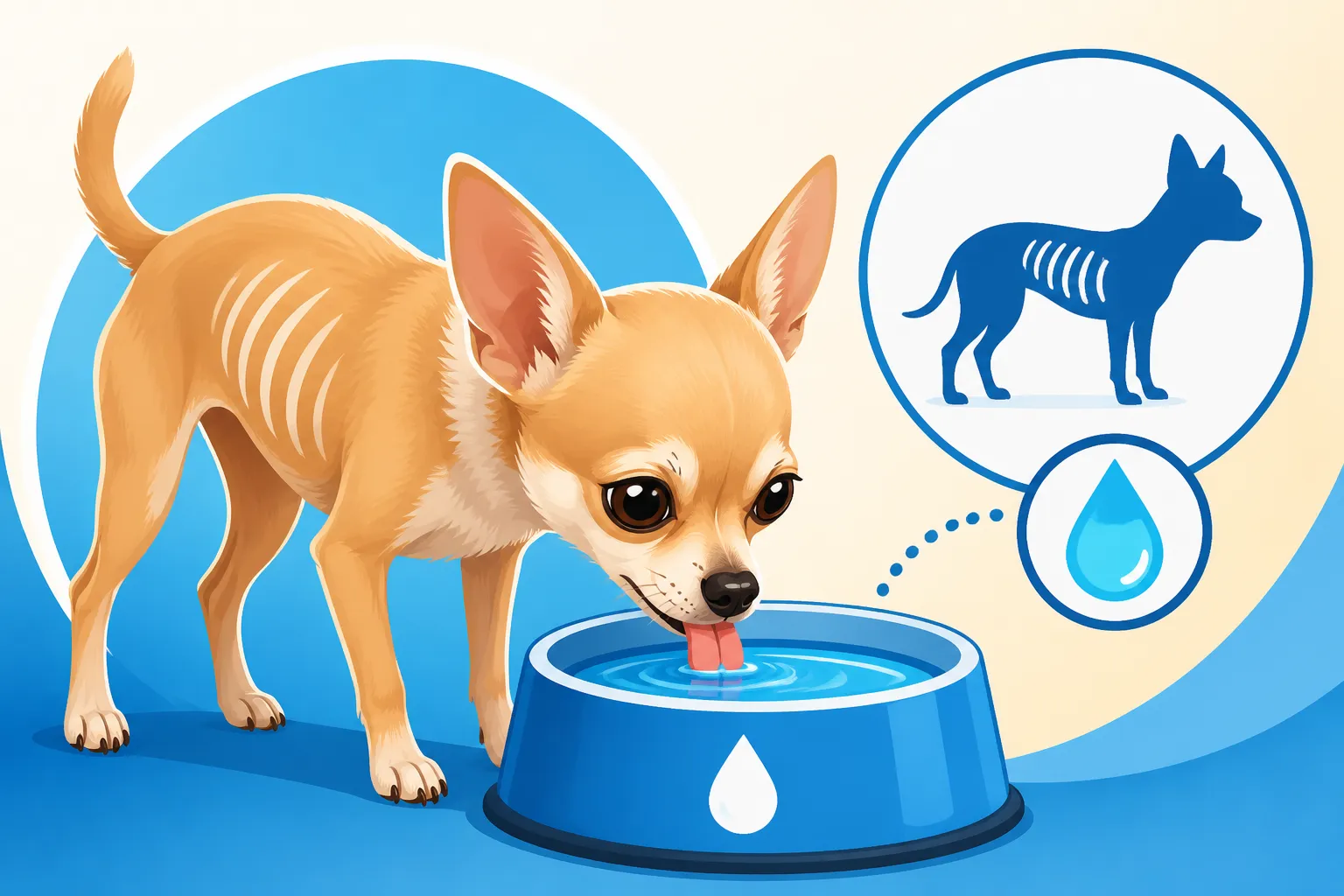
One of the quiet anxieties many Chihuahua parents face is ensuring their tiny companion is getting enough water. It’s not always obvious, and given their diminutive stature, even a small imbalance can tip the scales towards a serious health issue. This guide is here to walk you through everything you need to know about your Chihuahua's hydration needs, how to encourage healthy drinking habits, and when to recognize the signs that something might be amiss, helping you keep your pint-sized pal thriving.
Why Water Intake Is Crucial for Such a Small Dog
It's easy to overlook the importance of water when you're dealing with a dog that barely weighs more than a bag of sugar, but for Chihuahuas, proper hydration is absolutely non-negotiable. Their small size, rapid metabolism, and unique physiological characteristics mean they are particularly vulnerable to dehydration, often more so than their larger canine counterparts.
The Physiology of Small Dogs and Dehydration
Think about it: a Chihuahua has a much higher surface area to volume ratio compared to a Labrador. This means they can lose heat, and by extension, moisture, much more rapidly. Their tiny bodies also have a faster metabolism, which generates more waste products that need to be flushed out by the kidneys, demanding a steady supply of water. They don't have the sheer fluid reserve that a bigger dog does; what might be a minor fluid loss for a retriever can be a significant, even dangerous, deficit for a four-pound Chihuahua. When a Chihuahua loses even a small percentage of its body weight in fluid, the effects can be immediate and severe, impacting everything from organ function to blood pressure. This vulnerability makes vigilance on your part absolutely essential. For instance, a small bout of Chihuahua Hypoglycemia and the Puppy Emergency can often be exacerbated by or even contribute to dehydration.
Recognizing the Subtle Signs of Dehydration
Because Chihuahuas are so small, the signs of dehydration can be incredibly subtle at first, and then escalate with alarming speed. You might not see the dramatic lethargy you’d expect in a larger dog until they're already quite ill. Instead, look for nuances. Are their gums slightly tacky instead of slippery wet? Is the inside of their mouth a little less pink than usual? Their eyes might look a bit sunken, though with their naturally prominent eyes, this can be hard to spot. A classic test is the "skin tent": gently pinch the skin between their shoulder blades. In a well-hydrated dog, it springs back instantly. If it holds its "tent" shape for a second or two, that's a red flag. Remember, by the time these signs are obvious, your Chihuahua is likely already significantly dehydrated, so early recognition is key. Why a Chihuahua Runs Out of Blood Sugar So Fast often involves concurrent dehydration, making the situation even more precarious for puppies.
Common Scenarios Leading to Dehydration
Several everyday situations can quickly lead to a Chihuahua becoming dehydrated. Vomiting or diarrhea, even a single episode, can rapidly deplete their tiny fluid reserves. A day out in warm weather, even if it doesn't feel stifling hot to you, can be too much for their small bodies, especially if they're active. Sometimes, it’s simply a matter of not drinking enough. Perhaps their water bowl is in an inconvenient spot, or the water isn't fresh, or they're just too engrossed in playtime. Certain medications can also increase thirst and urination, meaning their intake needs to go up to compensate. Even a seemingly minor health issue like a developing Chihuahua Dental Disease in a Crowded Small Jaw can make drinking painful or difficult, leading to reduced water intake.
How Much Water Does Your Chihuahua Really Need?
Trying to figure out the exact amount of water your Chihuahua needs can feel like a guessing game, especially when every drop seems to matter so much. While there are general guidelines, it's really about understanding the unique factors that influence your individual dog's hydration needs and adjusting accordingly.
General Guidelines vs. Individual Needs
A common rule of thumb for dogs is to consume about one ounce of water per pound of body weight per day. So, for a five-pound Chihuahua, that would mean roughly five ounces of water. However, this is just a starting point, a loose guideline to give you an idea. It doesn't account for your dog's activity level, the humidity in your home, their diet, or any underlying health conditions. A highly active Chihuahua who spends a lot of time playing or training will naturally need more water than a senior dog who prefers to nap most of the day. Furthermore, if your Chihuahua is already struggling with conditions like Chihuahua Heart Disease as the Breed Ages or Kidney Disease in a Long-Lived Chihuahua, their veterinarian might recommend specific hydration goals. You're looking for consistent, healthy intake, not necessarily hitting an exact number every single day.
Factors Influencing Water Requirements
So, what moves the needle on your Chihuahua’s daily water needs?
- Activity Level: A Chihuahua that loves to do zoomies around the house or enjoys regular, brisk walks will need more water to replenish fluids lost through panting and metabolism.
- Ambient Temperature and Humidity: On hot, humid days, your Chihuahua will pant more to cool down, leading to increased fluid loss. Even in winter, dry indoor heating can increase dehydration risk, making Keeping a Chihuahua Warm Through Winter crucial, but also ensuring ample water is available.
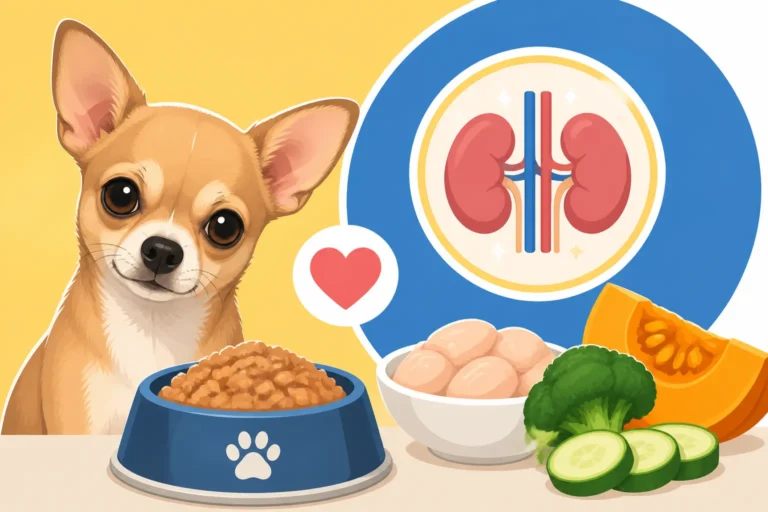
- Diet Type: This is a huge one! If your Chihuahua eats dry kibble exclusively, they’ll need to drink significantly more water than a dog eating a diet rich in wet food. Wet food, and fresh food options like those from Ollie, can contain up to 70-80% moisture, contributing a substantial amount to their daily intake. This is why some owners consider feeding wet food, despite concerns about Wet Food and Chihuahua Dental Disease if daily brushing isn't rigorous.
- Medications: Certain medications, like diuretics or some anti-inflammatory drugs, can increase urination and thus the need for more water intake.
- Health Conditions: Dogs with diabetes, kidney disease, or even conditions like diarrhea or vomiting will have vastly altered hydration needs. Always follow your vet's advice in these cases. If your older Chihuahua is under Senior Chihuahua Care Past the Age of Twelve, their water intake might need closer monitoring.
- Stress: Believe it or not, stress can also impact water intake, sometimes leading to reduced drinking, or in some cases, excessive drinking.
Here's a simple table to illustrate how diet can impact estimated water intake:
| Diet Type | Estimated Water from Food (Approx.) | Remaining Water Needs from Bowl (Approx. for a 5lb Chi) |
|---|---|---|
| Dry Kibble | 5-10% | 4.5 – 4.75 oz |
| Wet Food (Canned) | 70-80% | 1 – 1.5 oz |
| Fresh Food | 60-75% | 1.25 – 2 oz |
Note: These are approximations for a healthy 5-pound Chihuahua needing around 5 ounces of water daily, illustrating the principle.
The Role of Diet in Hydration
As the table shows, the type of food you feed your Chihuahua plays a critical role in their overall hydration. Dry kibble, while convenient, offers very little moisture. This means your Chihuahua has to rely almost entirely on their water bowl to meet their daily fluid requirements. This isn't inherently bad, but it means you must be extra vigilant about them drinking enough.
On the other hand, wet food or fresh food diets provide a significant amount of hydration through the food itself. Many Chihuahuas thrive on a wet or fresh food diet not just for its palatability, but for the added moisture content. This can be particularly beneficial for Chihuahuas who are reluctant drinkers, or those prone to urinary tract issues. If you do feed a wet food, remember to be extra diligent with daily dental hygiene, as softer foods can sometimes contribute to quicker plaque buildup, leading to Chihuahua Dental Disease in a Crowded Small Jaw. Balancing hydration from food with the need for good dental health is an ongoing part of care & nutrition.
Practical Tips for Encouraging Healthy Water Intake
Sometimes, it feels like you're constantly trying to entice your Chihuahua to drink more. But with a few smart strategies, you can make their water bowl the most appealing spot in the house and help ensure they stay properly hydrated.
Making Water Irresistible
Chihuahuas can be surprisingly particular, even about their water. Here are some tricks that often work:
- Multiple Water Stations: Don't just have one bowl. Place several bowls in different locations around the house – in their favorite sleeping spot, near where they eat their Chihuahua Meal Timing Against Low Blood Sugar, in a high-traffic area, and even outdoors in a shaded spot. The more convenient, the better.
- Bowl Material Matters: Some Chihuahuas have preferences. Plastic bowls can harbor bacteria and leave a taste; try stainless steel or ceramic. Brands like those found on Chewy or Amazon offer a wide range of choices. Make sure the bowls are clean every day. A quick wash with soap and water gets rid of any slime that can deter drinking.
- Water Temperature: Just like us, some dogs prefer cooler water. Adding a couple of small ice cubes (ensure they are small enough not to be a choking hazard for your tiny dog!) can make the water more appealing, especially on warm days.
- Flavor Boosts (Carefully!): A tiny splash of low-sodium chicken or beef broth (check ingredients carefully for onion or garlic, which are toxic) can make plain water much more enticing. You can also buy specific pet-friendly water flavorings.
- Water Fountains: Many Chihuahuas are fascinated by moving water. A pet drinking fountain filters the water and keeps it circulating, often encouraging more frequent sips. There are many compact options available that are perfect for a small dog like a Chihuahua.
Monitoring and Tracking
You can't force your Chihuahua to drink, but you can certainly monitor their intake and look for patterns.
- Measured Refills: A simple method is to fill their bowls with a measured amount of water each morning (e.g., use a measuring cup) and then measure what's left at the end of the day. This gives you a rough idea of how much they've consumed. Do this for a few days to establish a baseline.
- Observe Urination: A well-hydrated Chihuahua should be urinating regularly throughout the day, and their urine should be a light yellow color, not dark or concentrated. Keep an eye on the frequency and color of their potty breaks. Chihuahua Obesity on a Six Pound Frame can sometimes make it harder to observe potty habits if they are less mobile or hide to relieve themselves.
- General Demeanor: Your Chihuahua should be bright, alert, and energetic. If they seem lethargic, withdrawn, or unwilling to play, and you notice reduced water intake, it's definitely time to pay closer attention.
When to Worry and Call the Vet
While these tips can help with general hydration, it's crucial to know when a lack of drinking, or signs of dehydration, warrant a professional opinion.
- Persistent Lack of Drinking: If your Chihuahua goes for an entire day with little to no water intake, especially if they are also not eating, this is a serious concern for such a small dog.
- Clear Signs of Dehydration: As mentioned earlier, sunken eyes, sticky gums, a lethargic demeanor, or skin that "tents" when pinched are all signs that your Chihuahua needs immediate veterinary attention.
- Vomiting and Diarrhea: If these symptoms persist for more than a few hours, or are severe, your Chihuahua can become critically dehydrated very quickly. Don't wait; call your vet.
- Changes in Urination: Any significant increase or decrease in urination frequency, or a change in urine color or smell, could indicate an underlying health issue that requires veterinary investigation. This is particularly true if you notice signs associated with Kidney Disease in a Long-Lived Chihuahua, where water balance is key.
Never hesitate to contact your veterinarian if you're concerned about your Chihuahua's hydration. Given their small size, they can go from seemingly fine to seriously ill in a remarkably short amount of time.
Common Misconceptions About Chihuahua Hydration
There are a few myths and misunderstandings floating around about Chihuahuas and their water habits that can inadvertently put your little friend at risk. Let's clear those up, because informed care is the best care.
"They Don't Drink Much Anyway" – Debunking This Dangerous Myth
This is perhaps one of the most dangerous misconceptions out there. Just because a Chihuahua is small doesn't mean their biological need for water is proportionally smaller to the point of being negligible. In fact, due to their higher metabolic rate and larger surface area to volume ratio, they might actually need relatively more water per pound of body weight than a larger dog, especially if they're active or consuming a dry diet.
The idea that "they don't drink much" often comes from owners not seeing their tiny dog guzzle water like a Golden Retriever. You might not see them at the bowl often, but they should be taking frequent, smaller sips throughout the day. If you genuinely observe that your Chihuahua hardly ever drinks, or avoids their water bowl consistently, it's not normal; it's a sign that something is either deterring them from drinking or there's an underlying health concern. Assuming they "just don't drink much" can lead to chronic, low-grade dehydration which stresses their organs, especially their kidneys. Issues like Chihuahua Food Allergies Behind a Chihuahua's Bald Patches or even dental pain can impact appetite and thirst, making it seem like they're just not interested in sustenance.
Over-Hydration Concerns: What to Know
While far less common than dehydration, it is possible for a dog to drink too much water, a condition known as hyponatremia or water intoxication. This happens when the dog's sodium levels in the blood drop dangerously low. For Chihuahuas, this is usually seen in specific, extreme circumstances, such as:
- Excessive Play with Water: Some Chihuahuas love playing in water, gulping huge amounts during prolonged swimming sessions or retrieving toys from a pool.
- Forced Drinking: If an owner were to force a dog to drink beyond its natural thirst, which is almost unheard of in pet ownership.
- Underlying Medical Conditions: Certain kidney problems or other rare endocrine disorders can cause a dog to drink excessively.
If your Chihuahua is drinking an unusual amount of water, far more than their estimated daily need, and it's accompanied by symptoms like lethargy, bloating, vomiting, uncoordinated movements, or dilated pupils, this warrants an immediate vet visit. While rare, it's good to be aware that both ends of the hydration spectrum can be problematic.
Water Quality and Its Importance
Just as you wouldn't want to drink stagnant or dirty water, your Chihuahua deserves clean, fresh water. Water quality can make a difference not only in their willingness to drink but also in their overall health.
- Freshness is Key: Change your Chihuahua's water at least once, preferably twice, a day. Stale water can develop a film of bacteria, making it unappetizing.
- Clean Bowls: Wash their water bowls daily with soap and hot water. Residue from food or saliva can build up, creating an off-putting smell or taste.
- Tap Water Concerns: Most tap water is perfectly safe for Chihuahuas. However, if you live in an area with hard water, high chlorine levels, or older plumbing that might leach contaminants, offering filtered water might be a good idea. Some Chihuahuas are sensitive to the taste of chlorine. Water filters, either on your tap or in a pitcher, can easily address this.
- Outdoor Water Sources: Be wary of your Chihuahua drinking from puddles, ponds, or standing water outdoors. These can harbor parasites, bacteria, or chemicals that are harmful, especially to a dog with such a small body mass. Stick to known, safe water sources.
By understanding these nuances and proactively managing your Chihuahua's access to and willingness to drink water, you're taking a huge step towards ensuring their long-term health and happiness. Their tiny bodies rely on you to be their advocate for proper hydration, and your attention to detail makes all the difference.
Disclaimer
This article is for general informational purposes only and does not constitute professional advice. Laws, prices and regulations vary by location and change over time. Consult a qualified professional for guidance on your specific situation.