An Old Chihuahua That Stops Eating Breakfast
It’s truly disheartening, and often downright scary, when your senior Chihuahua, who has always greeted the morning with an eager appetite, suddenly turns up their nose at breakfast. This isn't just a quirky phase; it’s a red flag that something deeper might be going on with your beloved older companion. This guide is here to walk you through the many reasons why an old Chihuahua might stop eating their morning meal, the immediate steps you can take to help, and what to consider for their long-term health and well-being.
Why a Senior Chihuahua Might Suddenly Refuse Breakfast
When a senior dog, especially a tiny one like a Chihuahua, starts refusing food, it's never something to shrug off. Their small size makes them particularly vulnerable to rapid changes in their health. That sudden lack of interest in their morning kibble isn't about being picky; it's often a quiet plea for help, indicating discomfort or an underlying health issue that needs attention. It's a frustrating situation because they can't tell you what's wrong, and you're left guessing.
Dental Pain and Oral Issues
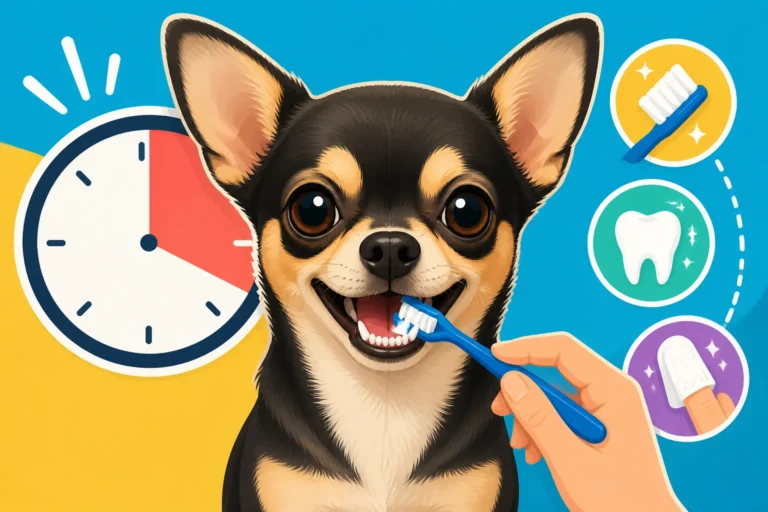
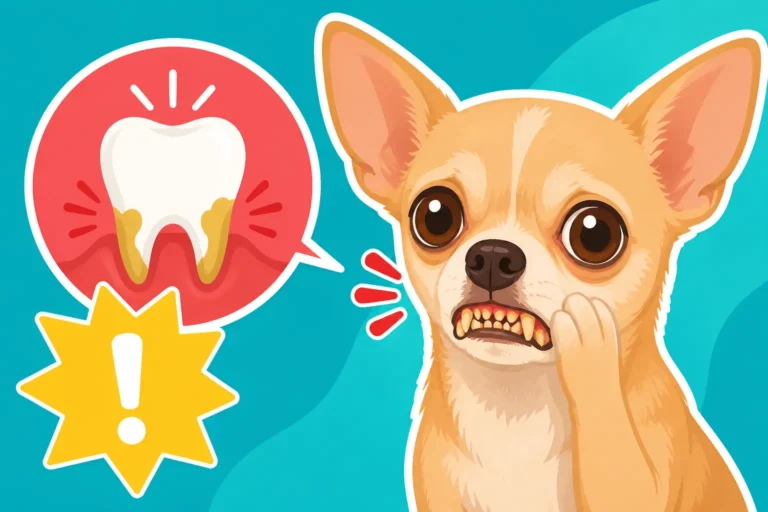
One of the most common, yet frequently overlooked, reasons an older Chihuahua might skip breakfast is dental pain. Chihuahuas are notoriously prone to Chihuahua Dental Disease in a Crowded Small Jaw, and by the time they reach their senior years, many have significant issues. Imagine trying to eat a crunchy breakfast with a toothache, sore gums, or even loose teeth. It's simply too painful.
Their tiny mouths make it easy for food particles and bacteria to get trapped, leading to plaque, tartar, and eventually gum disease. A senior Chihuahua might approach their bowl, sniff it, even lick at it, but then pull away, perhaps giving a tiny shiver or pawing at their face. They want to eat, but the act itself causes sharp pain. Sometimes, you might notice bad breath, red or bleeding gums, or even a missing tooth. This pain can be particularly acute in the morning if their mouth has been dry overnight, making chewing even more sensitive. It’s a sad reality that many small dogs silently endure dental pain for far too long, simply because their owners aren't looking inside their mouths regularly or understanding the subtle signs.
Underlying Medical Conditions
Beyond dental issues, a myriad of medical conditions can steal a senior Chihuahua's appetite. Their small bodies are susceptible to many of the same ailments as larger dogs, but the impact can be more immediate and severe. Conditions like kidney disease, heart issues, liver problems, or even early stages of cancer can manifest as a general malaise and disinterest in food. Kidney Disease in a Long-Lived Chihuahua can lead to a buildup of toxins that make them feel nauseous. Mitral Valve Disease in an Older Chihuahua might cause fluid buildup that makes breathing difficult, which in turn reduces their desire to eat.
A senior Chihuahua might feel generally unwell, experiencing nausea, lethargy, or weakness, making the thought of eating unappealing. This isn't just about skipping breakfast; it's often a sign of systemic discomfort. You might also notice other subtle changes, such as drinking more water, increased urination, coughing, or just being less active than usual. These are crucial clues that your vet will need to piece together to understand the full picture of your Chihuahua's health. Early detection of these issues is key to effective management and improving their quality of life.
Anxiety, Stress, or Cognitive Decline
It's easy to forget that our Chihuahuas, especially as they age, can experience psychological distress that impacts their physical habits, including eating. Just like humans, senior dogs can suffer from cognitive decline, sometimes referred to as canine cognitive dysfunction (CCD), similar to dementia. Cognitive Decline in a Fifteen Year Old Chihuahua can cause confusion, disorientation, and changes in their routine, making them forget their meal times or become anxious about their food bowl.
Stress or anxiety in their environment can also play a huge role. Has there been a change in your household? A new pet, a different routine, visitors, or even just a noisy construction project next door can disrupt a sensitive senior Chihuahua. Some Chihuahuas develop separation anxiety, and if they've been alone all night, that anxiety might still be lingering, making them too upset to eat when you finally offer breakfast. They might also be feeling general discomfort or confusion related to aging, making them more hesitant or fearful around routine activities. Observing their general demeanor, beyond just their appetite, can provide valuable insights into these more nuanced, emotional reasons for food refusal.
Immediate Steps When Your Chihuahua Refuses Food
When your old Chihuahua refuses breakfast, it’s natural to panic. They’re so small, and every missed meal feels like a crisis. But before you rush to the vet (though that’s often the right next step), there are a few immediate things you can do at home to assess the situation and try to tempt them. The goal is to get some calories into them and rule out simple, reversible issues.
Checking for Obvious Discomfort
First, take a moment to gently check your Chihuahua for any obvious signs of discomfort or pain. This isn't about being a vet, but about noticing things that are clearly out of place. Gently feel along their body – any flinching or yelping when you touch their abdomen, back, or legs? Look at their gums; are they pale or very red? Check their teeth if they'll allow it; do you see any visible broken teeth or inflamed gums?
Observe their posture and gait. Are they hunched, stiff, or limping? Do they seem reluctant to move or jump? Even very subtle signs of pain, like a slight head tilt or a reluctance to open their mouth wide, could be clues. Is there any trembling that isn't due to cold? Trembling and Weakness in a Chihuahua Puppy often signals low blood sugar, but in a senior, it could be pain or generalized weakness. Pay attention to any changes in their bathroom habits as well. If you notice any overt signs of pain, severe lethargy, or repeated vomiting, that's a clear signal to call your veterinarian immediately.
Offering Alternatives and Temptations
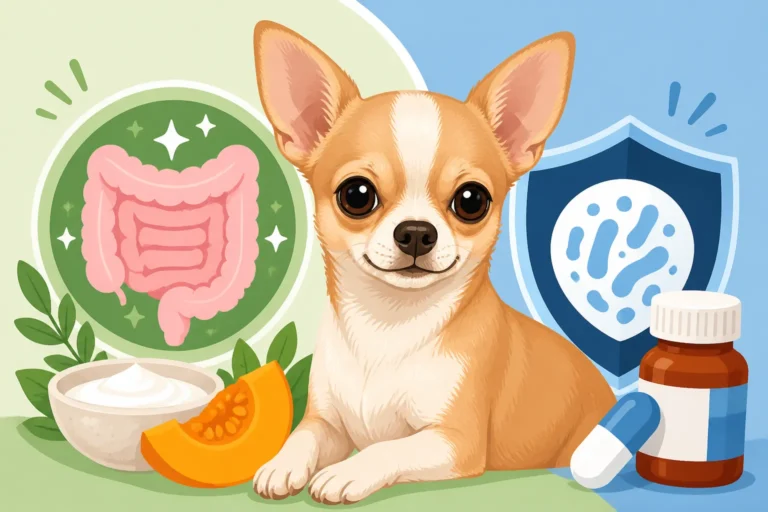
Sometimes, a senior Chihuahua just needs a little extra coaxing, especially if their usual kibble has become boring or difficult to chew. Try offering a small amount of something highly palatable and easy to digest. Think plain cooked chicken (boiled, no seasonings), scrambled egg, or a tiny spoonful of plain canned pumpkin. Many chihuahuas will perk up at the smell of real meat. You could also try warming up their usual wet food slightly to enhance the aroma, making it more appealing.
Consider soft, veterinarian-approved foods. Brands like Ollie offer fresh, human-grade food that can be incredibly tempting for picky eaters, often coming in pre-portioned trays. Or you might find soft, palatable senior-specific wet foods on Chewy designed to be easy on older teeth and tummies. If they usually eat dry kibble, try soaking it in warm water or low-sodium chicken broth to soften it. Even a bit of plain baby food (meat varieties only, no onion or garlic powder) can sometimes get a few calories into them. Remember, the goal here is not a full meal, but to get something in their stomach to prevent blood sugar drops and keep them hydrated.
Monitoring Hydration and Other Symptoms
Even if your Chihuahua isn't eating, ensuring they stay hydrated is absolutely critical, especially for a small dog. Dehydration can quickly become dangerous. Offer fresh water frequently, and if they're not drinking, try adding a tiny splash of low-sodium chicken or beef broth to their water to make it more appealing. You can also offer ice chips, which some dogs enjoy licking, or even a small amount of an unflavored electrolyte solution if recommended by your vet.
Keep a close eye on their other symptoms. Are they vomiting? Having diarrhea? Are their gums pale or tacky when you lift their lip? Is their nose dry and cracked? How is their energy level throughout the day? Are they retreating and hiding, or just less playful? Note down everything you observe, no matter how small. The more information you can provide your vet, the better they can diagnose the problem. A sudden, complete refusal of food, especially if accompanied by other worrying symptoms, always warrants a prompt call to your veterinarian. Don't wait hoping it will just pass – with tiny seniors, time can be of the essence.
Long-Term Management and Veterinary Consultation
When your senior Chihuahua consistently refuses breakfast or has prolonged appetite issues, it's time for serious consideration of long-term solutions, and this invariably begins with your veterinarian. They are your best resource for uncovering the root cause and devising a plan to keep your little one healthy and comfortable in their golden years.
When to See the Vet
While occasional pickiness can happen, a senior Chihuahua consistently refusing breakfast is a clear signal that a veterinary visit is needed. Don't put it off. If your Chihuahua skips more than one meal, or if the refusal of breakfast is accompanied by any other symptoms like vomiting, diarrhea, lethargy, pain, or changes in drinking/urination habits, contact your vet immediately. Even if they seem otherwise fine but just aren't eating, it's worth a call.
Your vet can assess the situation, perform a physical examination, and recommend diagnostic tests. It’s better to be proactive and catch potential issues early than to wait until the problem becomes more severe and harder to treat. Remember, Senior Chihuahua Care Past the Age of Twelve often involves more frequent vet check-ups precisely for this reason – to monitor for subtle changes that can indicate underlying health problems. Your vet will want to know exactly when the appetite changes started, what you've tried, and any other observations you've made.
Diagnostic Process and Treatment Options
Once at the vet, they will likely start with a thorough physical examination, including a careful check of their mouth for dental issues. If dental pain is suspected, your vet might recommend a professional dental cleaning under anesthesia, which would include dental X-rays to assess the health of the tooth roots. While anesthesia always carries some risk for small, older dogs, modern veterinary practices are very careful, using specialized protocols and monitoring equipment to mitigate these risks. Anesthesia Risk During a Chihuahua Dental is a real concern, but the benefit of alleviating chronic pain often outweighs it.
Beyond dental, blood work (a complete blood count and chemistry panel) is almost always recommended to check organ function (kidneys, liver), blood sugar levels, and to screen for infection or inflammation. Urinalysis can provide insights into kidney function and urinary tract health. Depending on these results, your vet might suggest further diagnostics like X-rays to check for heart enlargement, fluid in the lungs, or abdominal masses, or an ultrasound for more detailed imaging of internal organs. Treatment will, of course, depend entirely on the diagnosis, ranging from dental procedures and pain medication to specific diets for organ support, or even anti-nausea medications to encourage appetite.
Dietary Adjustments and Nutritional Support
Once any underlying medical issues are addressed, dietary adjustments often become a crucial part of long-term management for an old Chihuahua who struggles with eating. Your vet might recommend a prescription diet formulated for senior dogs, or for specific health conditions like kidney disease or heart disease. These diets are designed to be highly palatable, easy to digest, and provide the right balance of nutrients for their aging bodies.
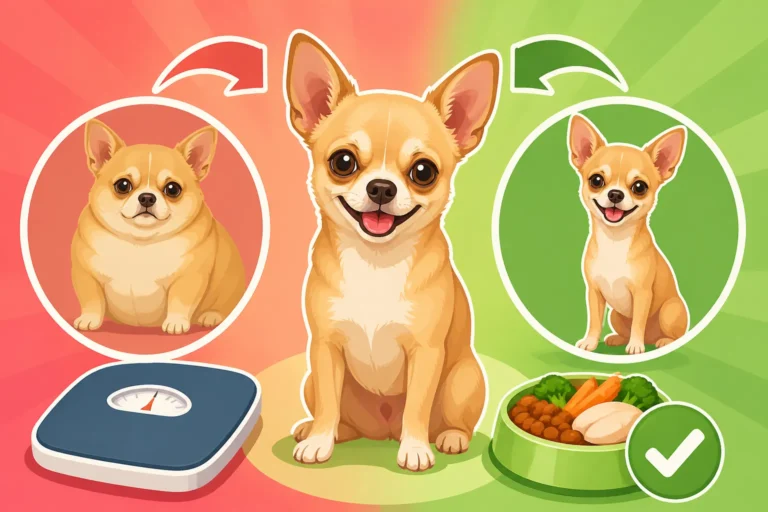
You might need to transition to softer foods, either canned varieties or gently cooked fresh food options. Consider brands like Ollie, which create custom meal plans with fresh, palatable ingredients, often appealing to picky seniors. Even if your Chihuahua is on a specific diet, ensuring proper portioning is vital. A kitchen scale can help you accurately measure out their food, ensuring they get enough calories without overdoing it. For tiny dogs, a few extra kibbles can make a big difference in their daily intake. Senior Chihuahua Food After Twelve should be carefully chosen to support their changing metabolic needs and address any specific health challenges they face. If necessary, your vet might also suggest appetite stimulants or nutritional supplements to ensure they're getting what they need.
Making Mealtime Appealing for an Older Chihuahua
Beyond medical interventions and dietary changes, sometimes the trick to getting an old Chihuahua to eat breakfast is simply making the experience more inviting. Their senses change as they age, and what once appealed to them might no longer be as enticing. It’s about creating an environment and offering food in a way that sparks their interest and comfort.
Enhancing Palatability and Aroma
For many senior Chihuahuas, a declining sense of smell and taste can make food less appealing. To combat this, focus on enhancing the food’s aroma and taste. Warming up wet food or kibble moistened with warm water can release more of its scent, making it much more attractive. Think about how much more appetizing a warm meal smells to us compared to a cold one – it's similar for dogs!
Adding a small amount of low-sodium chicken or beef broth to their food can also make a huge difference in flavor and moisture content, making it easier to chew and swallow. A sprinkle of nutritional yeast, a tiny amount of grated parmesan cheese, or a spoonful of plain, unsweetened yogurt (if they tolerate dairy) can act as a high-value topper. You might even find special senior-specific food toppers or gravies on Amazon or Chewy designed to boost flavor. The key is to experiment with different safe and palatable options to see what tempts their refined, senior palate the most. Remember to introduce new toppers slowly to avoid stomach upset.
Creating a Calm Feeding Environment
A senior Chihuahua, particularly one with Cognitive Decline in a Fifteen Year Old Chihuahua or anxiety, needs a calm, predictable, and safe environment for eating. Noise, other pets, or even too much activity in the room can be distracting or even frightening, leading them to ignore their food. Try feeding them in a quiet corner of the house, away from foot traffic, bustling kitchens, or barking at the window.
If you have other pets, especially more boisterous younger ones, consider feeding your senior Chihuahua separately to eliminate competition or stress. Ensure their food bowl is easily accessible, perhaps slightly elevated if they have neck or back pain, so they don't have to stoop uncomfortably. A soft, familiar blanket or bed nearby can also add to their sense of security. Consistency in feeding location and time helps establish a routine, which can be particularly comforting for older dogs who thrive on predictability. Think about it – would you enjoy your meal if you felt constantly on edge or had to strain to reach it? Neither would your little one.
Consistent Routine and Positive Reinforcement
Establishing and maintaining a consistent feeding routine is paramount for an aging Chihuahua. Their internal clocks are finely tuned, and deviations can cause stress or confusion, especially when their cognitive functions might be waning. Offer breakfast at the same time every morning, in the same spot, using the same bowl. This predictability provides comfort and reinforces the idea that it's mealtime.
Even if they don't eat much, make mealtime a positive, low-pressure experience. Praise them gently when they approach the bowl, and avoid hovering or forcing them to eat. If they take a few bites, celebrate that! If they walk away, calmly remove the food after about 15-20 minutes and offer it again at their next scheduled meal. This prevents the food from sitting out and becoming stale or unappetizing. Sometimes, they just need a bit of space and the reassurance that food will be there for them when they feel ready. Remember, you want to associate breakfast with good feelings, not anxiety or pressure.
| Common Reasons for Skipped Breakfast | Immediate Actions to Take | What Your Vet Might Suggest |
|---|---|---|
| Dental Pain (toothache, gum disease) | Offer soft, warm, palatable food; inspect mouth gently. | Dental cleaning, extractions, pain relief. |
| Nausea/General Malaise | Tempt with bland, cooked protein; monitor for vomiting. | Blood work, anti-nausea medication, specific diet. |
| Organ Disease (kidney, liver, heart) | Ensure hydration; observe other symptoms (drinking, energy). | Blood work, urinalysis, specialized prescription diet, specific medications. |
| Anxiety/Cognitive Decline | Create calm, quiet feeding area; consistent routine. | Behavioral modification, anxiety medication, cognitive supplements. |
| Pickiness/Boredom | Warm food, add broth or toppers; offer novel soft food. | Dietary change recommendations, appetite stimulants. |
Disclaimer
This article is for general informational purposes only and does not constitute professional advice. Laws, prices and regulations vary by location and change over time. Consult a qualified professional for guidance on your specific situation.