Indoor Fetch for a Chihuahua
It’s a common dilemma for us Chihuahua parents: we know our tiny companions need exercise, but letting them run free outdoors can feel like putting a squirrel in a lion’s den. Between big dogs, bustling streets, and even overhead predators, the world outside can be a truly scary place for a dog that weighs less than a gallon of milk. This guide is all about turning your home into a safe, engaging playground where your Chihuahua can burn off energy, stay sharp, and truly thrive, focusing specifically on the joys and practicalities of indoor fetch.
Why Indoor Fetch is a Game Changer for Chihuahuas
When you have a Chihuahua, you're not just a dog owner; you're a protector of a delicate, feisty, and often surprisingly energetic little soul. Outdoor play, while great for many dogs, comes with a unique set of challenges for our tiny friends. That's where indoor fetch steps in as a truly brilliant solution, offering both physical and mental benefits without the typical worries.
Safety and Comfort Indoors
The outdoor world can be a minefield for a Chihuahua. A playful romp at the park could easily turn disastrous if a larger, unaware dog accidentally steps on them or becomes too boisterous. Even seemingly innocent encounters can lead to injuries or intense fear. Then there are environmental factors: extreme temperatures, hot pavement, icy sidewalks, or even just a quick dash out the door into busy traffic. It’s enough to make any responsible Chihuahua owner anxious.
Bringing fetch indoors immediately eliminates so many of these concerns. Your home is a controlled environment where you can manage the temperature, remove hazards, and ensure your little one isn't overwhelmed. This means your Chihuahua can run, jump, and play with abandon, feeling completely secure. This sense of security is vital for their overall well-being and can significantly reduce stress and anxiety, especially if you have a Chihuahua that tends to be Chihuahua Fear Reactivity, the Breed's Real Problem. They learn that playtime is a positive, predictable experience, building their confidence in their own space.
Meeting Their Exercise Needs in Small Spaces
Despite their small stature, Chihuahuas are not simply lap warmers. They possess a surprising amount of energy and an innate desire to move. While they might not need to hike mountains or run marathons, regular bursts of activity are crucial for maintaining a healthy weight, strong muscles, and a happy disposition. However, for those of us living in apartments or smaller homes, finding adequate space for them to truly run can be a challenge.
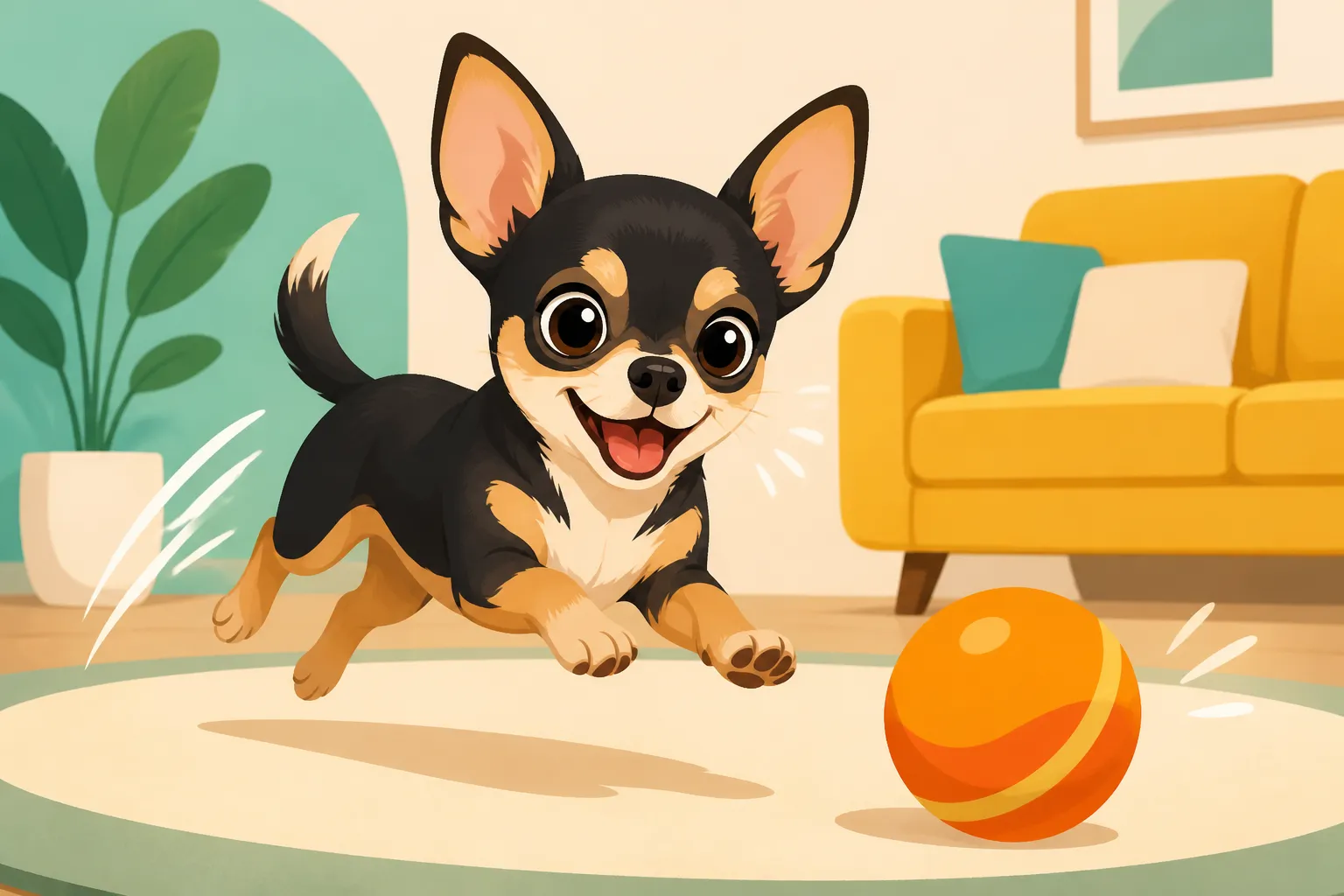
Indoor fetch is perfectly tailored for this need. A few quick tosses and retrieves can provide intense, short bursts of cardio and muscular engagement, mimicking the kind of vigorous play they'd get in a larger yard, just compressed into a smaller area. It's about quality over quantity when it comes to Chihuahua exercise. Even a hallway or a cleared-out living room can become their personal racetrack. This focused activity helps prevent Chihuahua Obesity on a Six Pound Frame and keeps their little bodies in prime condition without requiring vast expanses. The beauty is that you can adapt the intensity – a gentle roll for a senior dog or a fast throw for a puppy, ensuring every Chihuahua gets exactly what they need. For more ideas on how to keep them moving, consider Chihuahua Exercise for a Dog That Fits in a Bag.
Mental Stimulation and Bonding
Exercise isn't just about the body; it's about the brain too! Chihuahuas are intelligent dogs who thrive on engagement. Simply letting them wander around the house isn't enough to satisfy their keen minds. Fetch, especially when you introduce variations, demands focus, problem-solving (like figuring out where the toy went or how to get it from under the sofa), and an understanding of cues. This mental workout is just as important as the physical one.
Furthermore, playing fetch is a powerful bonding experience. It’s an interactive game where you are directly involved, offering praise, encouragement, and shared joy. This strengthens the connection between you and your Chihuahua, reinforcing their trust and affection. They look to you for the game, anticipate your movements, and relish the attention. This shared activity can be incredibly rewarding for both of you, cementing your role as their trusted leader and playmate. It's a wonderful way to spend quality time together, fostering a deeper relationship beyond just cohabitation.
Setting Up the Perfect Indoor Fetch Environment
To make indoor fetch a truly positive and safe experience for your Chihuahua, a little preparation goes a long way. You want to create a dedicated space where they feel comfortable, excited, and free from potential hazards.
Choosing the Right Space
Before you even grab a toy, take a moment to survey your home. The ideal fetch zone needs to be clear of clutter. Think about areas where your Chihuahua can get a good sprint, turn around quickly, and not bump into anything. A long hallway is fantastic, as is a living room where you can temporarily move coffee tables or clear a rug.
Look out for potential dangers:
- Slippery Floors: Hardwood, tile, or laminate can be treacherous for small paws, leading to slips and potential injuries, especially to their delicate joints. Consider laying down a non-slip runner or an area rug for their play sessions. This is particularly important if your Chihuahua is prone to issues like Patellar Luxation, the Chihuahua's Commonest Joint Problem.
- Sharp Edges: Ensure there are no low-lying sharp corners on furniture or unstable items that could tip over if bumped.
- Breakables: Move any precious vases, lamps, or small decor items to higher ground. Chihuahuas, despite their size, can be surprisingly quick and occasionally clumsy when zooming around!
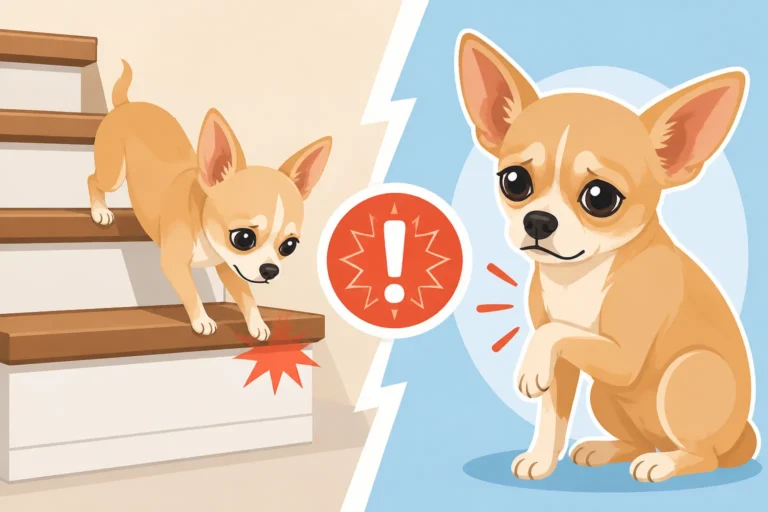
- Open Doors/Stairs: Block off access to any stairs or external doors to prevent accidental tumbles or escapes during enthusiastic play. A baby gate can be your best friend here.
A few minutes spent preparing the play area will ensure hours of safe fun.
Selecting the Best Toys
The right toy is crucial for a Chihuahua. You can’t just grab any old tennis ball from the dog park – it'll be far too big and heavy! Size, weight, and material are paramount to prevent choking hazards, dental damage, or disinterest.
Here’s what to look for:
- Size: The toy should be small enough for their tiny mouth to comfortably pick up and carry, but not so small that it could be swallowed whole. Think about the diameter of a quarter or a small golf ball as a good starting point.
- Weight: It should be lightweight enough for them to easily retrieve and bring back without straining their neck or jaw. A heavy toy won't be much fun for long.
- Material: Opt for durable yet soft materials. Rubber balls, plush toys without small detachable parts, or crinkly fabric toys can be excellent choices. Avoid hard plastic toys that could chip their teeth or splinter.
- Safety: Always check for loose parts like plastic eyes, tags, or ribbons that could be chewed off and swallowed. Some Chihuahuas are serious chewers, even with their small mouths. Look for toys specifically designed for "toy breeds" or "small dogs." Brands like Kong, ZippyPaws, or even simple felt balls found on Amazon or Chewy can be great. If you’re ever unsure about toy safety, remember the rule: if it fits entirely in their mouth, it’s too small.
Consider having a rotation of 2-3 favorite fetch toys to keep things interesting.
Safety Considerations
Beyond clearing the space and choosing safe toys, there are a few other ongoing safety points to keep in mind during indoor fetch sessions.
Firstly, supervision is key. Never leave your Chihuahua unsupervised with a toy during fetch, especially if they are prone to destructive chewing or if you have multiple pets. What starts as a fun game can quickly become a choking hazard or a squabble over a favorite toy.
Secondly, monitor their energy levels. Chihuahuas can get so caught up in the fun that they don't know when to stop. Watch for signs of excessive panting, slowing down, or losing interest. It’s better to have several short, energetic play sessions throughout the day than one long, exhausting one. If your Chihuahua tends to get excited and then cough, you might need to limit the intensity of their play, especially if Collapsing Trachea in a Chihuahua and Its Triggers is a concern. Always ensure fresh water is available before and after playtime.
Finally, be mindful of sounds. While fetch is great for their brains, try not to make it too loud or overstimulating with excessive shouting or squeaky toys right next to their ears. Chihuahuas have sensitive hearing, and some can be easily startled. Keep the environment calm and positive.
Teaching Your Chihuahua to Play Fetch (Even if They're Stubborn!)
You might think fetch is an instinct, but for some Chihuahuas, it's a learned skill. And trust me, these little dogs can be stubborn! But with patience, positive reinforcement, and a bit of creativity, you can teach almost any Chihuahua to love this game.
Starting with Motivation
The secret to teaching any dog, especially a Chihuahua, is finding what truly motivates them. For most, it's either high-value treats or their favorite squeaky toy. Forget about dry kibble; we're talking about tiny pieces of boiled chicken, cheese, or specialized training treats that are soft and easy to swallow. Ollie and similar fresh food services offer great human-grade options that can be cut into perfect pea-sized reward chunks.
Begin by getting your Chihuahua excited about the toy. Wiggle it, squeak it, or make it "dance" on the floor. The goal is to make the toy the most interesting thing in the room. Once they show interest, even just a sniff, offer praise and a treat. This builds a positive association: "Toy = Good things happen!"
Another angle is to use their natural chase instinct. Some Chihuahuas are more motivated by the thrill of the chase than the reward of the treat. In this case, making the toy move in an enticing way might be all the motivation you need to get them engaged.
The "Toss and Treat" Method
This is a step-by-step approach that breaks fetch down into manageable pieces:
- Generate Interest: Hold the toy and get your Chihuahua's attention. Wiggle it, squeak it – make it irresistible.
- Short Toss: Toss the toy just a very short distance away, maybe a foot or two. You want it to be easy for them to get to and encourage them to move towards it.
- Encourage Retrieval: As they go to the toy, clap your hands softly, use an encouraging tone, and say "Fetch!" or "Get it!"
- Reward for Touching/Picking Up: The instant they touch the toy, or even better, pick it up, offer huge praise and a tiny, high-value treat. Don't worry about them bringing it back yet. The goal is just to encourage interaction with the toy after it's been thrown.
- Taking a Step Back: Once they consistently pick up the toy, take a step back from them when they have it. Use an encouraging voice to call them to you.
- Reward for Approaching: If they take even one step towards you with the toy, praise and treat! Gradually increase the distance you expect them to travel with the toy.
- The "Drop It" Cue (Crucial!): When they are consistently bringing the toy back to you, even if they drop it a foot away, it's time to teach "Drop It" or "Give." Hold a treat near their nose. When they open their mouth to sniff the treat, they'll often drop the toy. The instant the toy leaves their mouth, say "Drop It!" and give them the treat. Pick up the toy and repeat. This ensures they associate dropping the toy with a positive reward. Taking a Chew From a Chihuahua Safely explains why teaching a polite drop is so important for tiny dogs.
- Gradual Distance: Slowly increase the distance you toss the toy. Keep sessions short and always end on a positive note, even if it's just one successful retrieve.
Remember, consistency is key. Practice daily in short bursts, and always make it fun!
Adding the "Drop It" or "Give" Cue
This command is absolutely essential for a smooth game of fetch and for preventing potential resource guarding. Without it, you'll find yourself wrestling the toy from your Chihuahua's mouth, which isn't fun for anyone and can lead to them becoming possessive.
Here's how to refine it:
- The Swap: When your Chihuahua brings the toy back, hold a high-value treat right to their nose. As they open their mouth to sniff or take the treat, they will naturally release the toy. The moment the toy is out of their mouth, say "Drop It!" (or "Give!"), praise them enthusiastically, and give them the treat. Immediately pick up the toy and get ready to toss it again.
- Timing is Everything: It's vital that the "Drop It" command happens as the toy leaves their mouth, not before or after. This creates a clear association.
- Practice, Practice, Practice: Repeat this many times in short sessions. Soon, you'll find that just saying "Drop It!" will prompt them to release the toy, even before you show the treat. The treat then becomes the reward for a job well done.
- Avoid Force: Never try to pry the toy out of their mouth. This can teach them to guard it more aggressively. The goal is a willing exchange, where they understand that dropping the toy means another toss and a delicious reward. For more on positive interactions, you might want to read about Chihuahua Resource Guarding and Snapping.
Maximizing the Fun and Benefits of Indoor Fetch
Once your Chihuahua is a fetch pro, you can keep the game exciting and beneficial by introducing variations and knowing when to call it a day.
Keeping it Fresh with Variety
Just like us, Chihuahuas can get bored with the same routine. To keep them engaged and their minds sharp, try these ideas:
- Toy Rotation: Don't use the same toy every single time. Rotate through different types – a crinkly fabric toy one day, a small rubber ball the next, or even a soft squeaky plush toy. Different textures and sounds provide varied sensory input. You can find a huge selection of small dog toys on sites like Chewy.
- Different "Playgrounds": If you have multiple safe spaces, switch up where you play fetch. A hallway one day, the living room the next. Even subtle changes in environment can make the game feel new.
- Adding Obstacles (Safely!): For Chihuahuas who are confident and agile, you can introduce very simple, low "obstacles." For example, have them fetch a toy that has rolled behind a pillow or a very low, stable box they can easily navigate around. This adds a problem-solving element, but always ensure it's safe and won't cause them to trip or fall.
- Varying the Toss: Instead of always a straight throw, try a gentle bounce, a roll, or a soft underhand toss that arcs slightly. This keeps them on their toes and helps them practice different movement patterns.
Integrating Fetch with Other Play
Fetch doesn't have to be a standalone activity. You can weave it into other games and training sessions to make playtime even more enriching:
- Fetch and Hide-and-Seek: Toss a toy into another room (that's safe and clear, of course), then follow with your Chihuahua, encouraging them to "find it!" Once they retrieve it, you can praise them and restart the fetch game.
- Fetch and Basic Obedience: Before each toss, ask for a "Sit" or "Down." Once they perform the command, then release them with "Fetch!" This reinforces their obedience skills in a fun, high-reward context. It’s a great way to show them that Why a Chihuahua Deserves Real Obedience Training.
- Fetch with Puzzle Toys: Some Chihuahuas love a challenge. You could incorporate fetch by having them retrieve a toy that's been lightly hidden under a snuffle mat or a very simple puzzle toy that they can easily manipulate. This adds a layer of mental stimulation before the physical reward.
- Cool-Down Snuggles: After an energetic fetch session, wind down with some gentle petting and quiet time. This helps them regulate their excitement and reinforces the positive connection you've built through play.
Knowing When to Stop
This is arguably one of the most important aspects of safe fetch. Chihuahuas, especially young ones, can push themselves beyond their limits if not managed carefully.
- Watch for Fatigue: Look for signs like excessive panting, lying down for longer periods between retrieves, or a general decrease in enthusiasm. If their tongue is hanging far out and they're breathing rapidly, it's definitely time for a break.
- Short and Sweet Sessions: Aim for several short play sessions (5-10 minutes each) throughout the day rather than one long, exhausting one. This is especially true for puppies or senior Chihuahuas. A quick burst of energy and then rest is much better for their small bodies.
- Consider Health Concerns: If your Chihuahua has any underlying health conditions, such as Chihuahua Heart Disease as the Breed Ages, Collapsing Trachea and the Chihuahua Honking Cough, or Chihuahua Arthritis in the Teenage Years, you must be extra vigilant. Consult your vet about appropriate exercise levels and modify fetch intensity accordingly. For a dog with a collapsing trachea, for instance, short rolls of the toy along the floor are far better than high jumps or rapid sprints that could exacerbate their cough.
- Always End on a Good Note: Finish the session before they are completely exhausted or bored. This leaves them wanting more and keeps fetch a high-value activity. A final treat and praise will reinforce the positive experience.
Common Challenges and Troubleshooting
Even with the best intentions, teaching indoor fetch can hit a few snags. Don't get discouraged! Many common issues have simple solutions that involve understanding your Chihuahua's unique personality and adapting your approach.
"My Chihuahua Just Doesn't Get It!"
This is a common frustration. You're tossing the toy, they're looking at you like you've grown a second head, or worse, they chase it and then just stand there, utterly confused about what to do next.
- Break It Down Even Further: Go back to the very basics of the "Toss and Treat" method. Focus on rewarding any interaction with the toy after you toss it – a sniff, a nose poke, a slight movement towards it. Your expectations might be too high too soon.
- Increase Motivation: Is your treat high-value enough? Are you exciting them enough with the toy? Try different treats or a different toy that might capture their attention more strongly. Sometimes a crinkly toy or one with a light squeak can be more engaging than a silent ball.
- Show, Don't Just Tell: Gently guide them. If they chase the toy but don't pick it up, walk with them to the toy, point at it, and encourage them. When they pick it up, instantly praise and treat. You might even have to gently pick up the toy yourself, put it near their mouth, and encourage them to take it, then immediately reward.
- Lure Them Back: If they pick up the toy but don't bring it back, crouch down and excitedly call them to you. Pat your legs, show them another treat. Make coming back to you the most exciting thing in the world. As they approach, reward.
- Short Sessions: Keep sessions very brief, literally 2-3 minutes at a time, and end before either of you gets frustrated.
Resource Guarding During Fetch
A Chihuahua that grabs the toy and then growls or runs away when you try to get it back can quickly turn fun into a problem. This is a form of resource guarding, and it needs to be addressed carefully and positively.
- The Swap Method (again!): This is your best friend here. Always have a high-value treat ready. When your Chihuahua has the toy, offer the treat. The moment they drop the toy to take the treat, praise them and say "Drop It!" or "Give." Immediately pick up the toy and start the game again. This teaches them that dropping the toy results in an even better reward and that you're not taking it away permanently.
- Avoid Chasing or Forcing: Never chase your Chihuahua or try to pry the toy from their mouth. This will only escalate the guarding behavior and teach them that you are a threat to their possessions.
- Multiple Toys: Sometimes having two identical toys can help. When they bring one back, you toss the second, and they'll often drop the first to chase the new one. You can then pick up the first toy.
- Positive Reinforcement Only: Punishment will make resource guarding worse. Focus solely on making dropping the toy a positive, rewarding experience. If the guarding persists or escalates, consider consulting with a professional positive reinforcement trainer experienced with small dogs. For more on this, check out Chihuahua Resource Guarding and Snapping.
Fetching Too Hard or Too Fast
While enthusiasm is great, a Chihuahua who overdoes it can be at risk for injury, especially given their delicate structure. This is particularly concerning if you know your Chihuahua has pre-existing conditions.
- Manage Intensity: If your Chihuahua is prone to bursts of frantic energy, try tossing the toy with less force, so it doesn't travel as far or as fast. Encourage a retrieve at a slightly slower pace.
- Slippery Floors: As mentioned before, if your Chihuahua is skidding on hard floors during sharp turns or stops, this is a major injury risk. Lay down non-slip rugs or runners for their play area. Their tiny paws need good traction. Keeping a Chihuahua Off Furniture to Protect Knees highlights the importance of protecting their joints.
- Monitor Breathing: Watch for excessive panting or a "honking" cough that might indicate tracheal irritation, especially with a Collapsing Trachea and the Chihuahua Honking Cough. Immediately stop if you see these signs and allow them to rest. Shorten future sessions and reduce intensity.
- Breaks are Essential: Build in mandatory rest breaks. After 5-7 throws, call a halt, offer water, and have a cuddle. Then you can resume if they're still keen. It's about moderation.
- Consult Your Vet: If you're concerned about your Chihuahua's physical limits during play, or if they seem to tire very quickly, always consult your veterinarian. They can offer specific advice tailored to your dog's health.
Remember, every Chihuahua is an individual. What works for one might not work for another. Be patient, be flexible, and most importantly, keep it fun and positive!
Indoor Fetch Toy Comparison for Chihuahuas
When choosing an indoor fetch toy for your pint-sized pal, size, safety, and material are key. Here’s a quick comparison to help you pick the perfect match:
| Toy Type | Pros | Cons | Ideal For |
|---|---|---|---|
| Small Rubber Balls | Durable, easy to clean, good bounce, various textures. | Can be hard for very small mouths, some may be too dense/heavy. | Moderate chewers, Chihuahuas who enjoy a good chase. |
| Felt or Wool Balls | Soft, quiet, lightweight, gentle on teeth. | Not durable for chewers, can get dirty easily, hard to clean. | Gentle players, quiet environments, puppies. |
| Small Plush Toys | Soft, comforting, easy to pick up, often squeakers. | Easily torn, stuffing can be a choking hazard, hard to clean. | Chihuahuas who prefer soft textures, supervised play only. |
| Crinkle Toys | Engaging sound, lightweight, often flat/easy to grip. | Can be flimsy, not for aggressive chewers, sound can be loud. | Chihuahuas stimulated by sound, quick, light play. |
| Small Rope Toys | Durable for light tug, good for dental health (some). | Fraying threads can be ingested, can be too heavy for fetch. | Chihuahuas who enjoy a little tug-of-war after the retrieve. |
Disclaimer
This article is for general informational purposes only and does not constitute professional advice. Laws, prices and regulations vary by location and change over time. Consult a qualified professional for guidance on your specific situation.