Why a Chihuahua Has Almost No Body Fat
If you've ever watched your tiny Chihuahua shiver even when you feel perfectly comfortable, or noticed how quickly they seem to get chilled after a bath, you're not alone. It's a common observation, and it leads many of us to wonder why our little companions seem to lack the natural insulation of larger breeds. The truth is, Chihuahuas genuinely have very little body fat compared to most dogs, and this guide will dive deep into the physiological reasons behind it and, more importantly, what it means for how we care for these delicate, delightful little creatures every single day.
The Physiological Realities of a Chihuahua's Build
It's easy to look at a Chihuahua and just see a small dog, but their diminutive size comes with some profound physiological differences that directly impact their body composition, particularly their fat reserves. It’s not just about being "skinny"; it's about an entire system optimized (or perhaps, scaled down) in a way that leaves them with minimal fat to draw upon for warmth or energy.
Tiny Frame, Rapid Metabolism
Imagine scaling down a dog to just a few pounds. Every system, every organ, every cell needs to work efficiently within that tiny package. Chihuahuas possess an incredibly fast metabolism. They burn through calories at a much higher rate per pound of body weight than, say, a Labrador. This isn't just about being active; it's their basal metabolic rate, the energy their body expends just to exist, to keep their heart beating, their lungs breathing, and their brain thinking.
This rapid metabolism means they convert food into energy very quickly. While this can be a good thing for keeping them energetic and spry, it also means there's less leftover energy to be stored as fat. Their bodies are constantly in a high-demand state, using up fuel almost as fast as it comes in. Think of it like a tiny, high-performance engine that's always running. It's efficient at what it does, but it doesn't hold a lot of reserve fuel. This is a primary reason Why a Chihuahua Runs Out of Blood Sugar So Fast, and it ties directly into their minimal fat stores. They're built for quick energy expenditure, not for storing long-term reserves in the form of body fat.
Minimal Muscle Mass and Subcutaneous Fat
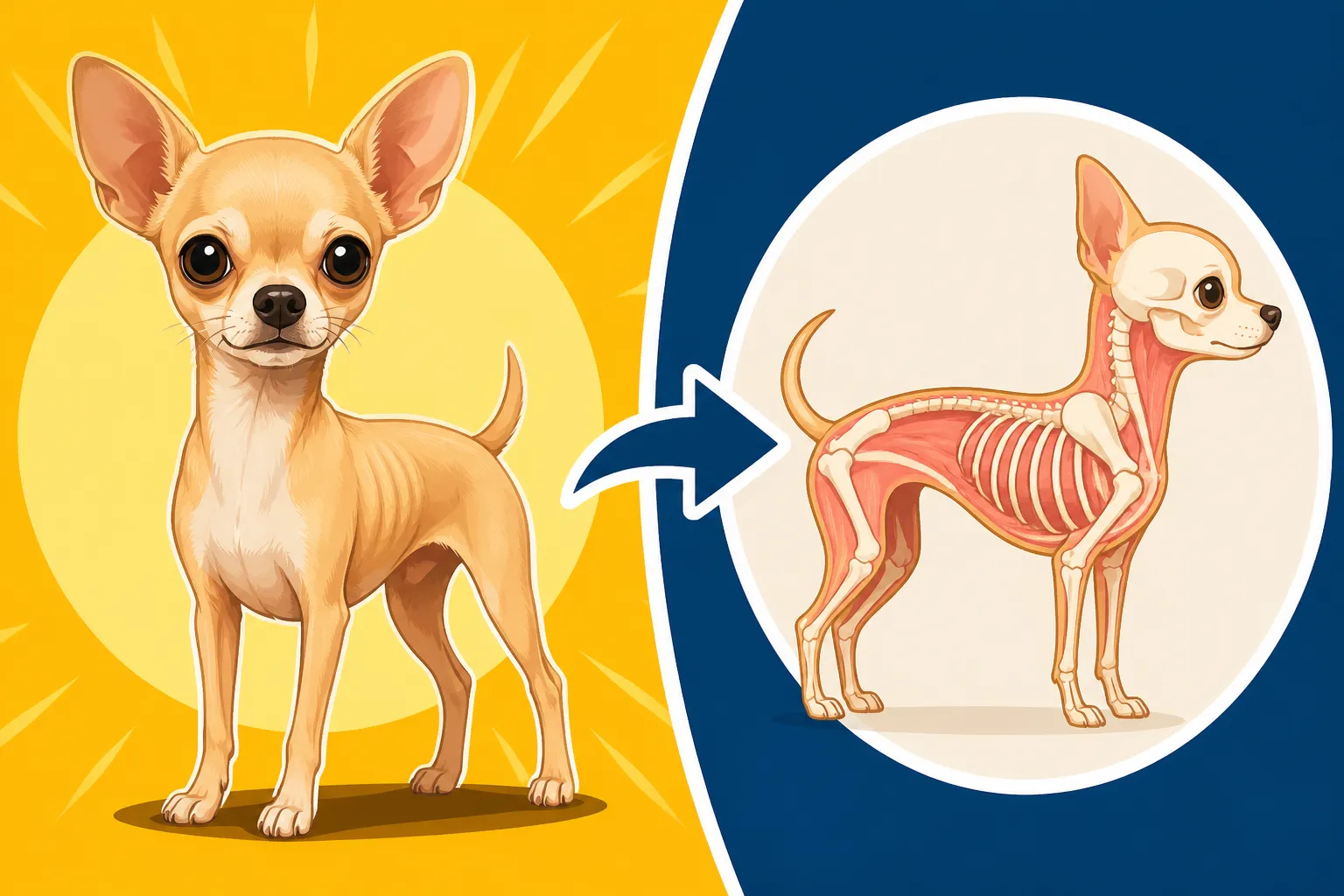
When we talk about body composition, it’s usually muscle, bone, and fat. Chihuahuas, by their very nature, have fine bones and relatively lean muscle mass. While they are surprisingly strong for their size, their overall muscle volume is, of course, small. This means less dense tissue generating internal heat or providing bulk.
Beyond muscle, the most noticeable difference is their subcutaneous fat—the layer of fat just under the skin. Many breeds have a noticeable layer of this fat, which acts as natural insulation against the cold and provides a buffer for impacts. Chihuahuas, however, have very little of it. If you gently pinch the skin on your Chihuahua's back or side, you'll often find it's quite thin, with almost no padding beneath. This isn't a sign of being underweight necessarily (though an underweight Chihuahua would be even more severe); it's simply their natural build. It's why Why a Chihuahua Shivers Indoors is such a common complaint, even in a moderately warm home. Without that insulating layer, their body temperature can drop rapidly when exposed to cooler air or surfaces. They simply lack the biological parka that many other dogs carry around with them.
Why This Affects Their Daily Life (and Yours!)
Understanding this lack of body fat isn't just a fun fact; it's crucial for providing proper care. It impacts everything from how they regulate their temperature to their vulnerability to health issues and even how we should approach their everyday routines. When you bring a Chihuahua into your life, you're signing up to be their personal warmth-provider and vigilant protector.
The Constant Shiver and Temperature Regulation
The most obvious sign that your Chihuahua lacks internal insulation is the shivering. It's not always a sign of fear or anxiety (though they can shiver for those reasons too); often, it's just their body's automatic response to being cold. Without a thick layer of fat to hold in warmth, their tiny bodies have to work harder to maintain their core temperature. Shivering is an involuntary muscle contraction that generates heat, much like when a human shivers in the cold. It's an energy-intensive process, which can further tax their already fast metabolism.
This means you, as their guardian, need to be hyper-aware of their environment. What feels comfortable to you might be chilly for them. A brisk walk on a cool autumn day might require a sweater or coat for your Chihuahua, long before you even consider grabbing your own jacket. Even indoors, drafty floors, cool tile, or simply sitting near a window can be enough to elicit a shiver. This isn't them being dramatic; it's a genuine physiological need. Providing warm, soft blankets for burrowing, ensuring their bed isn't on a cold floor, and dressing them in appropriate clothing are not luxuries but necessities for their comfort and health. This understanding is key to effective Keeping a Chihuahua Warm Through Winter.
Vulnerability to Hypoglycemia and Cold Stress
The combination of a high metabolism and low body fat makes Chihuahuas, especially puppies, incredibly susceptible to hypoglycemia, which is a dangerously low blood sugar level. Body fat stores are a backup energy source, releasing glucose when immediate fuel from food runs low. With minimal fat reserves, Chihuahuas don't have this buffer. If they go too long between meals, get stressed, or get too cold, their blood sugar can plummet quickly.
Cold stress is particularly dangerous because their body expends extra energy shivering to stay warm, burning through their limited glucose supplies even faster. This creates a vicious cycle: they get cold, shiver to warm up, burn more sugar, and become even more prone to hypoglycemia. A Chihuahua puppy experiencing cold stress can quickly become lethargic, disoriented, and even collapse. This is why Chihuahua Hypoglycemia and the Puppy Emergency is such a critical topic for new owners to understand. Ensuring they eat Four Meals a Day for a Chihuahua Puppy and are kept consistently warm is paramount. Carrying an emergency glucose gel is also a smart move for any Chihuahua owner.
The Impact on Injury and Recovery
While less directly related to the lack of fat, a Chihuahua's small, lean frame does make them more susceptible to certain types of injuries. Their delicate bones are not cushioned by much muscle or fat. A fall from even a low sofa, or an accidental bump from a larger dog or human foot, can result in serious injury like a broken leg or joint dislocation. This minimal padding also means less protection for internal organs from external trauma.
Recovery from surgery, such as a Recovery After Chihuahua Kneecap Surgery or Stent Surgery for a Chihuahua Trachea, can also be more challenging. They need extra care to stay warm during and after anesthesia because their small body mass and lack of fat make them prone to rapid heat loss. The energy demands of healing, combined with potential appetite suppression post-op, can put them at higher risk for hypoglycemia if not carefully managed. Monitoring their temperature, providing a warm, quiet recovery space, and ensuring small, frequent, high-quality meals are all critical during these times.
How to Support Your Chihuahua's Unique Needs
Living with a Chihuahua means becoming a master of preventative care and attentive comfort. Because their lack of body fat dictates so much of their well-being, our daily routines and choices as owners must be tailored to their specific, delicate physiology.
Strategic Warming and Layering
This is perhaps the most hands-on way we can compensate for their minimal fat reserves. Strategic warming isn't just about throwing a blanket over them; it's about creating an environment where they can thrive without constantly fighting the cold.
First, consider your home environment. Is there a draft along the floor? Do they sleep on a cold tile or hardwood? Simple solutions like thick, plush beds, elevated dog beds, or even a Heated Beds and Whether They Are Safe can make a huge difference. Many Chihuahuas are natural burrowers, and providing them with cozy "nesting" spots—like a bed with a hood or a pile of soft blankets—allows them to self-regulate their temperature effectively. You can find a huge selection of cozy beds and blankets on sites like Chewy or Amazon.
When it comes to outdoor excursions, clothing is not merely a fashion statement; it's vital. A thin sweater for a cool indoor day, a fleece jacket for a chilly walk, and a waterproof, insulated coat for rain or snow are all essential parts of a Chihuahua's wardrobe. Remember, their tiny paws are also vulnerable to cold, ice melt, and hot pavement. Chihuahua Paw Protection on Ice and Salt means considering dog boots for extreme weather, or at least a protective balm. Always keep an eye on their behavior: if they're shivering, hunching, or trying to pick up their paws, they're telling you they're cold, and it's time to head indoors or add another layer.
| Environment/Activity | Human Feeling | Chihuahua Need | Recommended Action |
|---|---|---|---|
| Indoors, 70-72°F (21-22°C) | Comfortable | Still potentially chilly | Cozy blankets, soft beds, light sweater for napping |
| Outdoors, 50-60°F (10-15°C) | Mildly cool, no coat needed | Definitely needs a layer | Fleece sweater or light jacket, watch for shivering |
| Outdoors, Below 45°F (7°C) | Chilly, light jacket | Requires significant insulation | Insulated winter coat, possibly boots, shorten walks |
| Rain/Snow | Wet, cold | Immediate protection needed | Waterproof coat with good coverage, boots |
Smart Nutrition and Meal Planning
Given their high metabolism and low fat stores, a Chihuahua's diet and feeding schedule are critical for maintaining stable blood sugar and energy levels. It's not just about what they eat, but when and how much.
First, quality food is paramount. Look for a high-quality, nutrient-dense kibble or fresh food that is formulated for small breeds. These foods often have appropriate calorie density and kibble size. Brands like Ollie, which offers fresh, human-grade food, can be portioned precisely and are often very palatable, which is helpful for picky eaters. But no matter the brand, precision is key. Weighing Chihuahua Food on a Kitchen Scale is far more accurate than using a measuring cup, as even a few extra kibbles can significantly impact their tiny calorie budget and contribute to obesity, which can also worsen conditions like Chihuahua Arthritis in the Teenage Years.
More importantly, establish a consistent feeding schedule with multiple small meals throughout the day, especially for puppies or adult Chihuahuas prone to hypoglycemia. Three Small Meals a Day for a Chihuahua is a good baseline, with some owners opting for four. Feeding a small meal right before bedtime can also help sustain their blood sugar through the night. Avoid free-feeding, as this can lead to overeating or, conversely, uneven intake that still results in sugar dips. Always have a source of emergency glucose on hand, such as a specialized gel or even corn syrup, to rub on their gums in case of a sugar crash.
Safe Exercise and Injury Prevention
Even though they're tiny and lack significant muscle or fat, Chihuahuas still need appropriate exercise to stay healthy and happy. However, their delicate build means we need to be extra mindful of preventing injuries.
Daily walks are wonderful for mental stimulation and physical activity, but they need to be tailored to your Chihuahua's size and tolerance. A twenty-minute walk around the block might be a marathon for a small Chihuahua on a cold day, especially if they are bundled up. Focus on consistency over intensity. Walking a Chihuahua Twenty Minutes a Day is a great goal, but always be ready to adjust based on weather or their energy levels. Indoors, fetch, puzzle toys, and short training sessions are excellent ways to burn energy and engage their minds without putting undue stress on their bodies. You can find a wide variety of engaging puzzle toys for small dogs on Amazon.
Injury prevention is crucial. Because they lack fat padding and have delicate bones, falls and impacts can be very serious. Discourage jumping off high furniture, like sofas or beds, as this can lead to patellar luxation (slipping kneecaps), which is a common problem in the breed, or even fractures. Providing Ramps for a Chihuahua Bed and Sofa can mitigate this risk, allowing them to access their favorite spots safely. Always be aware of where your Chihuahua is when you're moving around the house, especially in the kitchen or busy areas, to prevent accidental steps or bumps. Socializing them with larger dogs must be done with extreme caution and supervision to prevent accidental injury during play. Prioritize safety above all else, and remember that Why Dog Parks Are Dangerous for a Chihuahua is a lesson learned by many owners the hard way.
Disclaimer
This article is for general informational purposes only and does not constitute professional advice. Laws, prices and regulations vary by location and change over time. Consult a qualified professional for guidance on your specific situation.