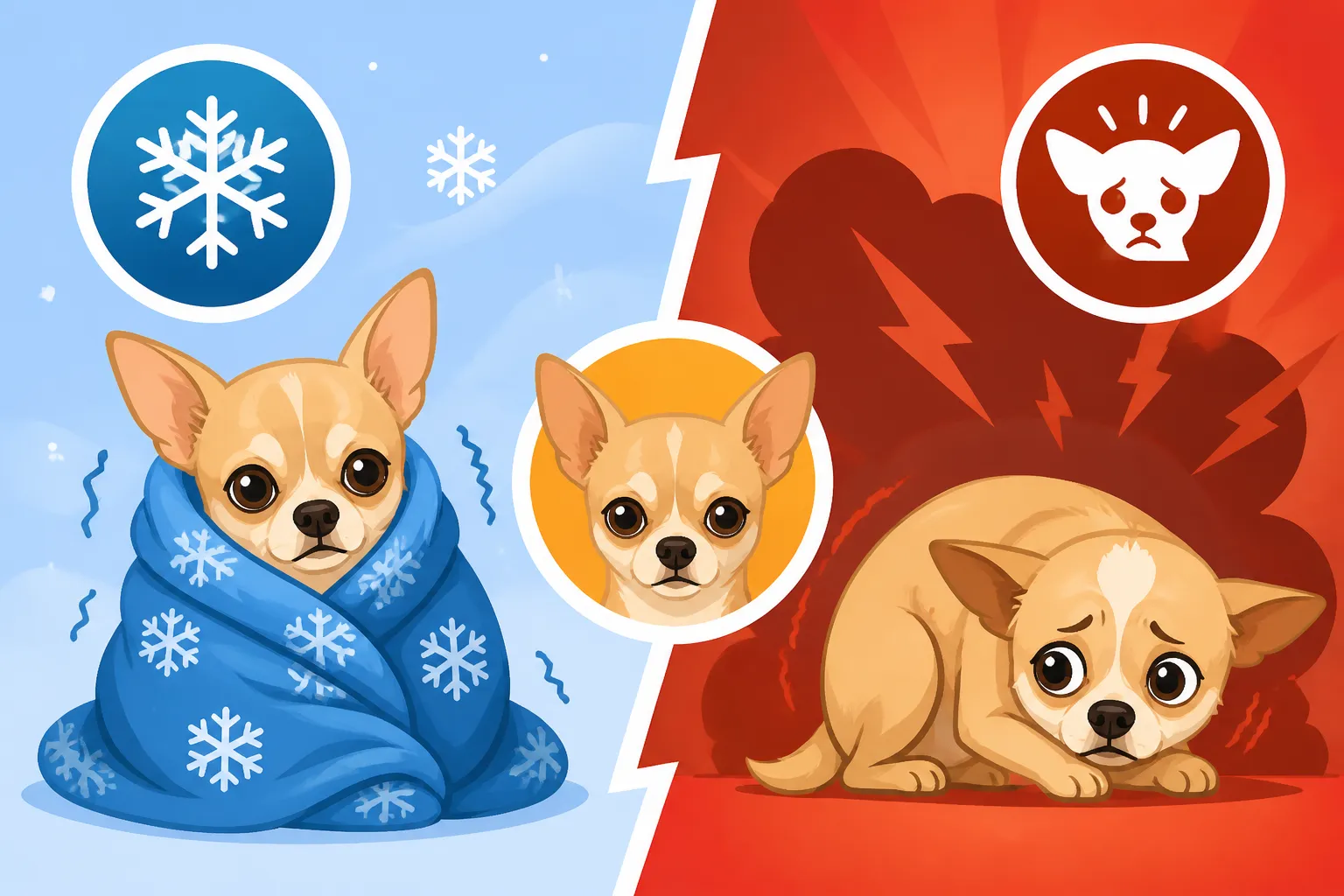
Telling Chihuahua Cold From Chihuahua Fear
It's incredibly common for Chihuahua parents to find themselves playing detective, wondering if their tiny companion's shivering or withdrawn behavior is due to being genuinely cold, or if something deeper like fear or anxiety is at play. These little dogs are masters of expressive body language, but discerning between a chill and true distress can be a real head-scratcher. This guide aims to help you understand the subtle cues, physical indicators, and environmental factors that distinguish a Chihuahua shivering from cold versus trembling out of fear, so you can provide the right comfort and support every time.
Understanding the Chihuahua's Sensitivity to Cold
Chihuahuas, by their very nature, are not built for cold weather. Their small size means they have a much larger surface area to volume ratio compared to a bigger dog, making them lose body heat rapidly. If you've ever felt a Chihuahua shiver even when the house feels perfectly comfortable to you, you're not alone. It's a common observation that often leads to owners bundling them up even indoors.
The Lack of Body Fat and Thin Coat
One of the primary reasons Chihuahuas are so susceptible to cold is their minimal body fat. Unlike breeds designed for colder climates, Chihuahuas don't have a thick insulating layer of fat beneath their skin. On top of that, many Chihuahuas, especially the smooth-coat variety, have very short, fine hair that offers little protection against the elements. Even long-coat Chihuahuas, while they appear fluffier, often have surprisingly thin hair compared to, say, a Pomeranian, which also means less insulation. This combination makes them feel the cold acutely, even in environments that seem mild to us. It's why they're often found burrowing under blankets or snuggled deep into your lap, seeking out warmth.
This inherent lack of insulation means that a slight drop in room temperature, a draft from a window, or even just standing on a cool floor can trigger shivering. It’s not just an outdoor concern; Why a Chihuahua Shivers Indoors is a topic many owners grapple with. When you see your Chihuahua shivering, the first thought shouldn't always be "fear." Often, it's just their tiny metabolism working overtime to generate heat, much like our own bodies do when we're chilly. Ensuring they have warm bedding or a favorite sweater can make a world of difference.
Recognizing True Shivering Due to Cold
When a Chihuahua is shivering from cold, the action is usually quite distinct and often accompanied by other signs. The shivering might be fairly continuous and generalized across their body, not just focused on a specific area. Their ears might feel cool to the touch, and they might huddle in a tight ball or seek out warm spots like sunbeams, blankets, or your lap. You might notice them tucking their paws under their body to conserve heat. Their movements might be a bit stiffer, and they might be less inclined to play or move around if they're trying to stay warm.
A cold Chihuahua will typically respond positively to warmth. If you pick them up and snuggle them, or put on a sweater, the shivering should diminish relatively quickly. If you place them in a heated bed or wrap them in a warm blanket, you'll often see them relax and settle down. This immediate, positive response to warmth is a strong indicator that their trembling was indeed due to the cold. Consider if it's been a particularly chilly day, if the air conditioning is on high, or if they've just come in from outside.
Unpacking the Nuances of Chihuahua Fear and Anxiety
Chihuahuas have a reputation for being "nervous" dogs, and while this is often a result of improper socialization or handling rather than an inherent genetic flaw, fear and anxiety are very real experiences for many in the breed. Unlike the straightforward need for warmth, fear is a complex emotional response that can manifest in many physical and behavioral ways. Understanding these signs is crucial because addressing fear requires a very different approach than simply bundling up your pup.
Common Triggers for Fear in Chihuahuas
Given their small stature, the world can feel like a very big and intimidating place for a Chihuahua. Common triggers for fear and anxiety can range from loud noises like thunderstorms or fireworks, to unfamiliar people, other dogs (especially larger ones), new environments, or even just unexpected movements. A Chihuahua That Trembles Around Strangers or lunges at other dogs isn't doing so to be "naughty"; they're often reacting out of profound fear. The sheer volume of an excited child or the sudden approach of a large, boisterous Labrador can be terrifying. These little dogs are keenly aware of their vulnerability.
Beyond external stimuli, internal factors can also trigger anxiety. Separation anxiety is not uncommon in Chihuahuas, who often form incredibly strong bonds with their primary caregivers. Being left alone, even for short periods, can cause significant distress. A change in routine, moving to a new home, or even a sudden pain can also lead to fearful behaviors. It's essential to remember that for a Chihuahua, perceived threats don't have to be objectively dangerous to cause a genuine fear response.
The Physical Manifestations of Anxiety and Stress
When a Chihuahua is afraid or anxious, their body often goes into a "fight or flight" response, even if they're too small to effectively fight or flee. The trembling might be similar to shivering, but it's usually accompanied by a host of other tell-tale signs that scream "I'm scared!" You might see them tuck their tail tightly between their legs, flatten their ears back against their head, or yawn excessively. Their eyes might show a lot of the whites, known as "whale eye," or they might dart their gaze around, avoiding direct eye contact. Reading a Chihuahua's Whale Eye is a critical skill for any owner.
Beyond trembling, a fearful Chihuahua might try to hide, cower, or seek to be picked up and held (though carrying them too much can actually exacerbate fear in the long run). They might pant rapidly, even if they aren't hot, or drool. Some fearful Chihuahuas might even try to make themselves look smaller, pressing themselves against the floor or walls. In more extreme cases, fear can lead to defensive aggression, where they might growl, snap, or even bite if they feel cornered or unable to escape the perceived threat. These are often clear signals that your dog is distressed, not just cold.
Key Differences and Overlapping Signs: Cold vs. Fear
Distinguishing between cold and fear can be tricky because both can cause a Chihuahua to tremble. However, by observing the context and looking for a combination of signs, you can usually figure out what's really going on with your little friend. It's like solving a puzzle where all the pieces need to fit.
Situational Clues to Look For
The environment is your biggest clue. If it's a chilly morning, the air conditioning is blasting, or your Chihuahua has just come in from a brief outdoor excursion on a cool day, then cold is a very likely culprit. In these scenarios, the trembling usually subsides once they're warm again. Think about the ambient temperature in your home; Chihuahuas thrive in warmth, and even a house that feels comfortable to you might be a bit cool for them, especially if they are lying on a bare floor. This is where extra blankets, a cozy bed, or even a little sweater can instantly alleviate the issue. The Sweater Weight a Chihuahua Needs is often more than you might think!
On the other hand, if your Chihuahua starts trembling when a loud truck drives by, a new person enters the room, or you're visiting a busy new place, fear is a much stronger possibility. The temperature of the room often has no bearing on this kind of trembling. The key is that the trembling is directly tied to a specific, often external, stimulus. It's a reaction to their perception of threat or discomfort, not a physiological response to temperature.
Behavioral Patterns That Indicate Fear
Beyond just the tremble, a fearful Chihuahua will often display a whole suite of behaviors that are rarely seen in a dog simply feeling cold. A cold Chihuahua might just want to snuggle closer or curl up tighter. A fearful Chihuahua, however, might tuck its tail, pin its ears back, try to hide, or even vocalize with whining or growling. They might avoid eye contact, freeze up, or try to escape the situation. You might notice they are hesitant to approach, or they might try to get behind your legs. These are all classic signs of a dog that is feeling vulnerable and unsafe. A Chihuahua That Freezes Before It Bites is a crucial warning sign that their fear is escalating.
Consider their posture. A dog shivering from cold might still have a relaxed body posture once warmth is applied. A fearful dog, however, will often remain tense, even if they seek proximity to you. They might lean away from the perceived threat or show subtle signs of stress like lip licking or excessive yawning, even when not tired. These subtle body language cues are your dog's way of communicating their emotional state. Understanding these non-verbal signals is incredibly important for addressing their needs.
Here's a quick comparison table to help differentiate:
| Characteristic | Shivering Due to Cold | Trembling Due to Fear/Anxiety |
|---|---|---|
| Context/Environment | Chilly room, draft, just came indoors, low ambient temp. | Loud noises, new people/animals, unfamiliar places, vet visits, being alone. |
| Accompanying Body Language | Huddled, seeking warmth, curled up; ears cool; may seem sleepy. | Tucked tail, ears flattened, wide eyes ("whale eye"), panting, drooling, lip licking, yawning, trying to hide or escape. |
| Response to Warmth | Shivering quickly reduces/stops when warmed (sweater, blanket, lap). | Shivering often continues regardless of warmth; focus is on the perceived threat. |
| Vocalization | Usually none, or a soft whine if very cold. | Whining, growling, yelping, or incessant barking. |
| Desire for Interaction | May seek human contact for warmth/snuggles. | May seek comfort but also try to hide, or become defensive/avoidant. |
| General Demeanor | Appears uncomfortable, but not necessarily stressed. | Appears tense, hyper-alert, distressed, or withdrawn. |
Practical Steps to Address Both Cold and Fear
Knowing the difference is the first step; the next is knowing how to respond effectively. Both cold and fear require empathetic intervention, but the specifics of that intervention are quite different.
Keeping Your Chihuahua Warm and Comfortable
For a Chihuahua prone to getting cold, proactive measures are key. Invest in a variety of sweaters and coats. Even indoors, a lightweight sweater can make a world of difference, especially if your home gets drafty or the air conditioning is on. Brands like Chewy offer a fantastic selection of dog clothing in tiny sizes, perfect for Chihuahuas. For outdoor walks in cooler weather, a proper, insulated coat is essential, and consider boots if walking on cold pavement or ice. Chihuahua Winter Coats and Boots aren't just fashion statements; they're necessities.
Ensure your Chihuahua has access to warm, cozy bedding. This might mean a plush dog bed with high sides, a heated pet bed (always use with caution and check for safety features), or simply a pile of soft blankets they can burrow into. Many Chihuahuas love to dig and create a "nest" to conserve body heat. Consider adding Ramps for a Chihuahua Bed and Sofa to help them access warm spots without dangerous jumping, which can protect their delicate joints. Remember that their tiny bodies lose heat quickly, so consistent access to warmth is crucial for their overall well-being and preventing them from shivering from cold.
Building Confidence and Managing Fear Responses
Addressing fear is a longer-term process that focuses on positive reinforcement and desensitization. If your Chihuahua is showing signs of fear, never punish them for it; this will only make the fear worse and break their trust in you. Instead, identify the triggers. Is it loud noises? Strangers? Other dogs? Once you know the triggers, you can begin to work on counter-conditioning. This means creating positive associations with the scary thing. For example, if they're afraid of the doorbell, play the sound very softly while giving them high-value treats. Over time, gradually increase the volume.
For everyday fear, focus on building their confidence. Enroll them in positive-reinforcement puppy classes (even adult Chihuahuas can benefit from "beginner" classes) that are specifically designed for small breeds, ensuring they aren't overwhelmed by larger, boisterous dogs. Socialization should be controlled and positive; avoid dog parks where they can easily be injured or terrorized. Socialization That Does Not Flood a Chihuahua is incredibly important. Provide safe spaces in your home where they can retreat if they feel overwhelmed, such as a cozy crate or a blanket-covered bed in a quiet corner. If your Chihuahua's fear is severe or impacting their quality of life, don't hesitate to consult with a certified professional dog trainer or a veterinary behaviorist. They can provide tailored strategies and, if necessary, discuss options like anti-anxiety medication. Products from brands like Amazon can include calming pheromone diffusers or special anxiety wraps, which can sometimes provide comfort during stressful events. Similarly, high-quality, easily digestible treats like those offered by Ollie can be excellent for positive reinforcement during training.
It's a journey, but with patience and understanding, you can help your Chihuahua feel more secure and less fearful in their world.
Disclaimer
This article is for general informational purposes only and does not constitute professional advice. Laws, prices and regulations vary by location and change over time. Consult a qualified professional for guidance on your specific situation.