Whether a Long Coat Chihuahua Stays Warmer
One of the most common worries for Chihuahua parents, especially those new to the breed, is keeping their tiny companions warm. It’s a completely valid concern, as these little dogs seem to shiver at the drop of a hat. If you have a long coat Chihuahua, you might find yourself wondering if all that extra fluff actually provides a significant advantage against the cold compared to their smooth-coated cousins. This guide will dive deep into the nuances of Chihuahua coats, the science behind their shivers, and practical steps you can take to ensure your pint-sized pal stays cozy, regardless of their hair length.
The Ins and Outs of Chihuahua Coats and Warmth
It's easy to look at a fluffy long coat Chihuahua and assume they're naturally bundled up for winter, much like a tiny, furry sheep. Conversely, a sleek smooth coat might make you think they're always just one gust of wind away from an ice cube impression. The reality, however, is a bit more complex than just visual hair length.
Understanding the Two Coat Varieties
Chihuahuas come in two distinct coat types, both officially recognized by breed standards: the smooth coat and the long coat. These aren't just cosmetic differences; they involve different hair structures and growth patterns.
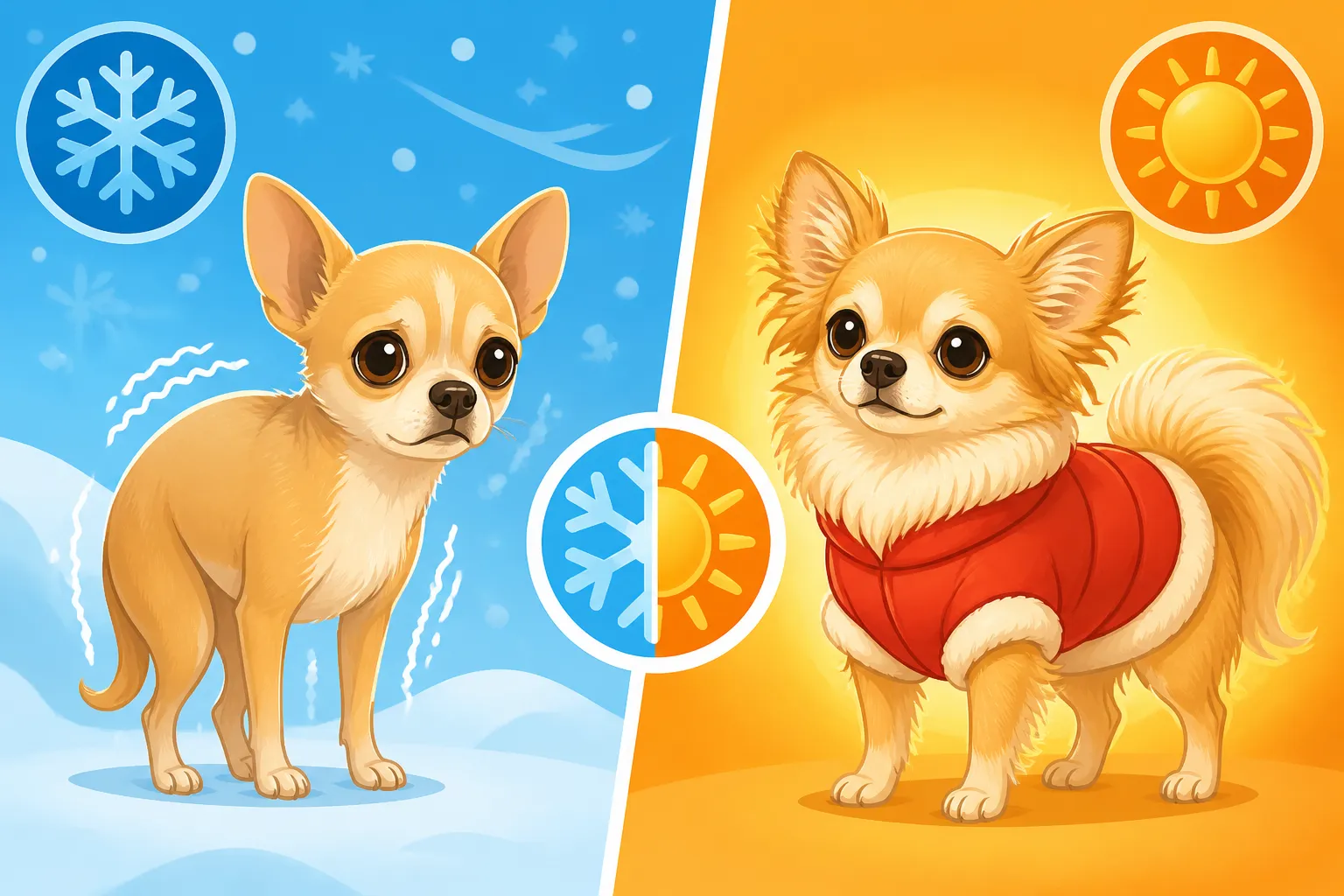
The smooth coat, often referred to as a short coat, is characterized by soft, glossy hair that lies close to the body. It typically has a ruff of thicker, longer hair around the neck and sometimes a sparse undercoat. This coat type feels wonderfully smooth to the touch, and it’s what many people picture when they think of a classic Chihuahua. It’s low maintenance in terms of grooming, usually just needing a quick brush once a week to remove loose hairs and maintain its sheen. For owners in warmer climates, this coat can seem ideal, but when the mercury drops, many find themselves reaching for sweaters.
Then there's the long coat, a truly elegant sight with its soft, fine hair that can be flat or slightly wavy. This variety features distinctive feathering on the ears, legs, and tail, creating a beautiful, flowing silhouette. The long coat often has a more pronounced undercoat than the smooth coat, especially in cooler climates or during seasonal changes. This undercoat is what some owners hope will act as a built-in thermal layer. Grooming a long coat Chihuahua does require a bit more dedication; regular brushing, often several times a week, is essential to prevent mats and tangles, particularly behind the ears and under the legs. You can read more about The Two Chihuahua Coat Varieties Explained.
How Coat Type Affects Heat Retention (or lack thereof)
Now, to the core question: does the long coat actually make a Chihuahua warmer? While a long coat does offer a marginal amount more insulation than a smooth coat, especially if it has a dense undercoat, the difference is often not as significant as you might imagine for these tiny dogs.
Think of it like this: if you wear a thin cotton t-shirt (smooth coat) versus a slightly thicker, looser-weave cotton t-shirt (long coat), both will offer some protection, but neither will keep you truly warm in freezing temperatures. Chihuahuas, regardless of coat type, generally lack the substantial fat reserves and thick, double-layered coats that naturally insulate breeds built for colder climates. Their small body mass means they lose heat quickly to the environment, and their high surface-area-to-volume ratio makes them particularly susceptible to rapid temperature drops.
The feathering on a long coat, while beautiful, isn't usually dense enough to provide significant thermal protection. It's more decorative than functional in terms of warmth. Any insulation benefit from a long coat's undercoat can be easily negated by wet weather, as damp fur loses its insulating properties rapidly. So, while a long-haired Chihuahua might have a slight edge, it's not enough to exempt them from needing external warmth when the temperature dips. In fact, many long-coat owners find themselves reaching for the exact same sweaters and blankets as their smooth-coat counterparts.
Why Chihuahuas Get Cold in the First Place
It's not just a "Chihuahua thing" for them to shiver; there are very real physiological reasons why these little dogs feel the cold so much more intensely than, say, a Labrador. Understanding these reasons is key to providing them with the best care.
The Physiological Reasons for Chihuahua Shivering
The primary reason Chihuahuas are prone to feeling cold is their diminutive size. They are one of the smallest dog breeds, meaning they have a high surface area-to-volume ratio. Imagine a tiny ice cube versus a large block of ice. The tiny ice cube melts much faster because more of its surface is exposed to the ambient temperature relative to its total mass. The same principle applies to Chihuahuas and heat loss. They simply have less body mass to generate and retain heat. Their internal "furnace" is small, and the heat it produces escapes rapidly.
Additionally, Chihuahuas have very little body fat. Fat acts as an insulating layer, helping to keep core body temperature stable. Without this natural padding, their organs are more directly exposed to external temperature changes, making them much more sensitive to cold. You might notice your Chihuahua shivering even when you feel perfectly comfortable, and it's not always out of fear or anxiety – often, it's simply their body trying to warm itself up. This involuntary muscle contraction is a natural response to cold. You can delve deeper into Why a Chihuahua Shivers Indoors.
Another factor is their metabolism. While Chihuahuas have a relatively fast metabolism for their size, generating some heat, it's often not enough to counteract the rapid heat loss. This fast metabolism also means they burn through calories quickly, which can sometimes lead to Chihuahua Hypoglycemia and the Puppy Emergency if they don't eat regularly, and low blood sugar can make them feel even colder and more lethargic.
Environmental Factors That Make Chihuahuas Chill
Beyond their inherent physiology, the environment plays a huge role in how comfortable your Chihuahua feels. Many owners, used to larger breeds, might underestimate how dramatically environmental factors impact these tiny dogs.
Outdoor Temperatures and Wind Chill: This is probably the most obvious factor. A brisk autumn breeze that feels refreshing to you can feel like an icy blast to a Chihuahua. Wind chill strips away body heat much faster, turning a mild day into a dangerously cold one for a small dog. Even sunny days in cooler temperatures can be deceptive.
Indoor Drafts and Poor Insulation: Your home might be warm overall, but Chihuahuas are often close to the floor where drafts can be significant. If you live in an older house with leaky windows or doors, your little one might be feeling a constant chill. Sleeping on a tile or hardwood floor without adequate bedding can also rapidly draw heat from their small bodies.
Wet Weather: Rain or snow is a Chihuahua's arch-nemesis when it comes to staying warm. Wet fur, regardless of length, loses its insulating properties. A damp Chihuahua can become hypothermic very quickly, even in temperatures that aren't severely cold. This is why a good rain jacket is just as important as a winter coat for many.
Lack of Movement: A Chihuahua curled up on the sofa might be conserving energy, but extended periods of inactivity mean less heat generation. If they're not moving much, they rely entirely on external sources for warmth. This is especially true for senior Chihuahuas who may have Chihuahua Arthritis in the Teenage Years or other mobility issues, making them less active.
Practical Strategies for Keeping Any Chihuahua Warm
Since coat type isn't a magic bullet for warmth, owners need to be proactive in providing external insulation and managing their Chihuahua's environment. This goes for both smooth and long coats.
The Role of Appropriate Clothing and Bedding
This is where you, as a Chihuahua parent, become their personal stylist and interior decorator for warmth! Investing in good quality clothing and cozy bedding isn't just a cute accessory choice; it's a vital part of their care.
Sweaters and Coats: For outdoor adventures or even just chilly rooms, a properly fitting sweater or coat is indispensable. Look for materials like wool, fleece, or insulated polyester that provide genuine warmth. It's not just about covering their back; ensure the garment covers their chest and belly, as these are areas where heat loss is significant. You might need different weights of sweaters – a lighter one for inside on a cool day, and a heavy, waterproof coat for true winter walks. Brands like Hurtta or Ruffwear offer excellent options, but you can find plenty of practical and adorable choices on sites like Chewy or Amazon. Remember, the goal is function over fashion, though many options offer both! For more insights, check out The Sweater Weight a Chihuahua Needs.
Booties for Paws: Don't forget their tiny paws! In icy, snowy, or extremely cold conditions, booties protect against frostbite and harsh sidewalk chemicals. It takes some getting used to, but many Chihuahuas learn to tolerate them, and their little feet will thank you.
Warm Beds and Blankets: Inside the home, give your Chihuahua plenty of options to burrow and nest. Heated beds or self-warming beds can be a godsend, especially for older Chihuahuas or those who sleep in cooler rooms. Make sure any heated bed has safety features to prevent overheating. Plush blankets, soft beds, and even specialized "burrow beds" (often sold on Amazon) are perfect for their natural inclination to tunnel and create a warm little den. A bed placed away from drafts and elevated slightly off a cold floor can make a big difference. Read more about Chihuahua Beds and Blankets for Warmth.
Consider Indoor Temperatures: While you might prefer a cooler house, try to keep your Chihuahua's main living areas comfortably warm, especially if they are alone for periods. A small space heater in their favorite room, used safely and under supervision, can help create a cozy zone.
Dietary Considerations for Core Body Temperature
Food isn't just fuel; it's a source of internal warmth. A well-fed Chihuahua with adequate calorie intake is better equipped to regulate its body temperature.
Consistent Meal Schedule: Chihuahuas, particularly puppies or very lean adults, can be prone to low blood sugar (hypoglycemia). Regular, small meals throughout the day help keep their metabolism stable and provide consistent energy for heat production. Instead of one or two large meals, consider three or four smaller ones. How Many Meals a Day a Chihuahua Needs is often a question owners ask, and for a small dog, frequency can be key.
Adequate Caloric Intake: Ensure your Chihuahua is receiving enough calories for their activity level and to maintain a healthy weight. Being underweight leaves them with even less insulation. However, don't overfeed in an attempt to "fatten them up" for warmth; obesity carries its own serious health risks, including Chihuahua Heart Disease as the Breed Ages and increased strain on their joints. Consult your vet to determine the appropriate daily caloric intake for your specific dog. For guidance, consider Daily Calories for a Three to Seven Pound Chihuahua.
High-Quality Food: A diet of highly digestible, nutrient-dense food ensures they are getting the most out of every bite. Wet food or fresh food options, like those from Ollie, can be excellent choices as they often contain higher moisture content and can be very palatable, ensuring your Chihuahua eats enough. Always measure food precisely; for Chihuahuas, even a tiny bit extra can lead to weight gain. I always recommend using a kitchen scale to ensure accuracy; Weighing Chihuahua Food on a Kitchen Scale can make a huge difference.
Access to Fresh Water: While it might seem counterintuitive to warmth, proper hydration is crucial for all bodily functions, including temperature regulation. Always have fresh water available, making sure the bowl isn't too cold to deter them from drinking.
Beyond Coat Type: Other Factors in Chihuahua Comfort
While coat type is a starting point for discussion, several other critical factors determine how warm or cold your Chihuahua feels.
Age, Health, and Activity Levels
A young, healthy, active Chihuahua is generally going to tolerate cooler temperatures better than an older, infirm, or very sedentary one.
Puppies: Chihuahua puppies are especially vulnerable to cold. Their thermoregulation isn't fully developed, and they are highly susceptible to Low Body Temperature in a Chihuahua Puppy and hypoglycemia. They need extra warmth, frequent small meals, and constant monitoring, especially during their first few months.
Senior Chihuahuas: As Chihuahuas age, their metabolism often slows, they may become less active, and underlying health conditions like Chihuahua Heart Disease as the Breed Ages or Chihuahua Arthritis in the Teenage Years can make them more sensitive to cold. Senior Chihuahuas also tend to have thinner coats and less body fat. They benefit immensely from heated beds, multiple layers of clothing, and keeping their environment consistently warm. Senior Chihuahua Care Past the Age of Twelve often involves a heightened focus on maintaining comfort and warmth.
Health Conditions: Any illness can compromise a Chihuahua's ability to stay warm. For example, a dog with a thyroid condition, heart disease, or even recovering from surgery might struggle more with temperature regulation. Persistent shivering or an inability to get warm, even in a warm environment, could be a sign of an underlying health issue and warrants a vet visit.
Activity Level: An active Chihuahua generates more body heat through muscle movement. A sedentary Chihuahua, on the other hand, relies heavily on external warmth. Encourage safe, indoor play sessions during cold weather to help them stay warm and stimulate their minds.
When to Seek Veterinary Advice for Persistent Coldness
It's important to differentiate between a normal shiver from a sudden chill and persistent, concerning coldness. While Chihuahuas are known for their shivers, some signs should prompt a call to your vet.
Signs to Watch For:
- Constant shivering that doesn't stop even when warm: This could indicate pain, anxiety, or an illness rather than just cold.
- Lethargy or weakness: If your Chihuahua is unusually tired, sluggish, or unable to move normally in addition to being cold, it's an emergency. This can be a sign of severe hypothermia or low blood sugar.
- Pale gums or blue-tinged tongue: These are signs of poor circulation and a medical emergency.
- Cold to the touch: If your Chihuahua's ears, paws, and especially their abdomen feel unusually cold, their core body temperature might be dropping.
- Difficulty breathing or coughing: While this might not directly relate to cold, a dog struggling to breathe will also struggle to regulate temperature. This could indicate Collapsing Trachea and the Chihuahua Honking Cough, which can be exacerbated by cold, dry air.
- Loss of appetite or vomiting: These general signs of illness, combined with being cold, are concerning.
If you observe any of these symptoms, especially in combination, contact your veterinarian immediately. It's always better to be safe than sorry when it comes to the health of your tiny companion. Chihuahuas are resilient, but their small size means they can decompensate quickly.
| Coat Type | Primary Characteristics | Insulating Properties (General) | Grooming Needs |
|---|---|---|---|
| Smooth Coat | Short, glossy, lies close to body; often thin or no undercoat | Minimal, rapid heat loss; needs external warmth for cool temperatures | Low; weekly brushing for shine and to remove loose hair |
| Long Coat | Soft, fine, can be flat or wavy; feathering on ears/legs/tail; often has undercoat | Slightly better than smooth coat due to undercoat, but still minimal | Moderate to High; regular brushing (several times a week) to prevent mats |
In conclusion, while a long coat Chihuahua might appear to be better equipped for cold weather, the truth is that both coat types require diligent care from their human companions to stay warm and comfortable. Their small stature and lack of body fat are the primary drivers of their susceptibility to cold, not just the length of their hair. By understanding their unique needs and implementing practical strategies for warmth, you can ensure your Chihuahua, regardless of their glorious coat, lives a cozy and happy life.
Disclaimer
This article is for general informational purposes only and does not constitute professional advice. Laws, prices and regulations vary by location and change over time. Consult a qualified professional for guidance on your specific situation.