Chihuahuas and Toddlers in the Same House
Bringing a Chihuahua into a home with toddlers, or introducing a toddler to an existing Chihuahua, can feel like navigating a minefield of tiny paws and even tinier, unpredictable human hands. Many new parents and dog owners worry constantly about accidental injuries to their fragile Chihuahuas, or, conversely, a snap or bite from a frightened dog. This guide will walk you through the realistic challenges and practical strategies for fostering a safe and harmonious environment for both your beloved Chihuahua and your growing little human.
Understanding the Unique Dynamics of Chihuahuas
It's tempting to think of a Chihuahua as just a "small dog," but their diminutive size and specific breed traits create a very particular set of considerations when they live alongside toddlers. It's not just about cuteness; it's about their inherent vulnerability and how they perceive the world around them.
Why a Chihuahua's Size Impacts Interactions
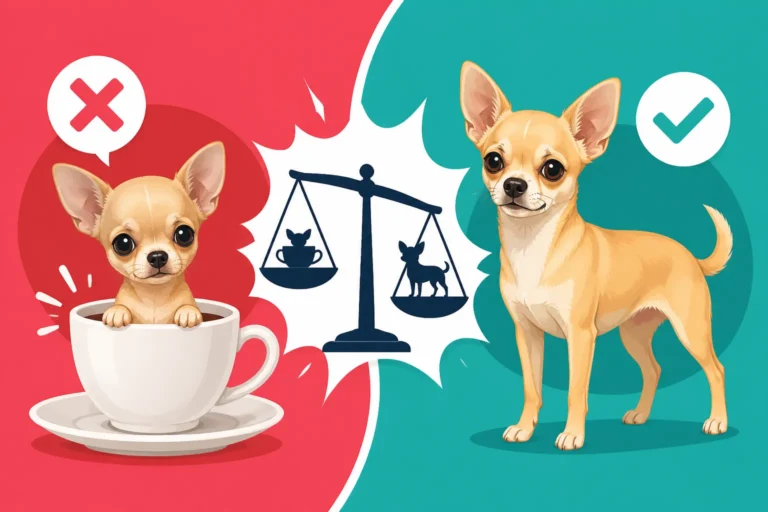
A Chihuahua's small stature, typically weighing between two and six pounds, makes them incredibly fragile. This isn't just an aesthetic feature; it's a critical safety factor. A toddler, still learning gross motor skills and spatial awareness, can accidentally cause serious injury with a clumsy step, an enthusiastic hug, or a dropped toy. Imagine a 25-pound toddler falling on a four-pound dog – the sheer weight difference is devastating. Their bones are delicate, their skulls can have soft spots (moleras) well into adulthood, and internal organs are easily damaged. This inherent fragility means they are at constant risk from the unintentional actions of a small child who simply doesn't understand their own strength or the dog's vulnerability. This isn't to say toddlers are malicious; they're just not capable of the delicate handling a Chihuahua requires.
Furthermore, their size can make the world feel like a very big, scary place. Everything from a stomping foot to a sudden loud laugh can be perceived as a threat. Chihuahuas often develop protective instincts, not always out of aggression, but sometimes out of deep insecurity and a need to defend their tiny selves or their chosen human. This fear response, when coupled with a toddler's unpredictable behavior, can be a recipe for misunderstandings. A Chihuahua's first line of defense might be a bark or a growl, which, while meant as a warning, can easily escalate if not heeded. This is a primary reason why many people will tell you Why a Chihuahua Is Risky Around Small Children.
Chihuahua Temperament and Warning Signs
Chihuahuas are renowned for their loyalty and often bond intensely with one or two people. They can be incredibly affectionate, playful, and charming within their trusted circle. However, this deep bond can also manifest as wariness or even defensiveness towards outsiders, including new family members or guests, and especially small, unpredictable humans. They are naturally alert and often have a "terrier-like" spirit, which means they can be quick to react to perceived threats or changes in their environment.
It's crucial to learn to read your Chihuahua's body language. They communicate fear, stress, or discomfort long before they resort to a snap or bite. Look for signs like:
- Lip licking or yawning (when not tired): These are common appeasement signals.
- Turning head or body away: Trying to disengage from the situation.
- Tucked tail: A clear sign of fear or insecurity.
- Crouching or cowering: Trying to make themselves smaller.
- Whale eye: When the whites of their eyes are visible, indicating stress or fear. Pay close attention to Reading a Chihuahua's Whale Eye.
- Freezing: Becoming completely still, often right before a defensive snap. Understanding A Chihuahua That Freezes Before It Bites is vital for intervention.
- Growling or snarling: These are clear warnings that boundaries have been crossed and the dog feels threatened. Never punish a growl; it's a communication, not a misbehavior. Punishing it teaches the dog to skip the warning and go straight to biting.
Understanding these signals allows you to intervene before a negative interaction occurs, protecting both your dog and your child.
Navigating Toddler Behavior Around a Chihuahua
Toddlers are a whirlwind of energy, curiosity, and boundless enthusiasm, which, while endearing, can be a major challenge for a small, sensitive dog. It's not about blame, but about understanding developmental stages and managing expectations.
The Unpredictable Nature of Toddlers
Toddlers (roughly ages 1-3) are in a critical stage of development where they are exploring their world through touch, sound, and movement. They lack the fine motor control to be gentle consistently, and their understanding of cause and effect, as well as animal boundaries, is very limited. Common toddler behaviors that can inadvertently distress or injure a Chihuahua include:
- Loud Noises: Shrieks, screams, banging toys – sounds that are startling to a human can be terrifying to a dog with sensitive hearing.
- Sudden, Jerky Movements: Running, jumping, flailing arms. These unpredictable motions can trigger a Chihuahua's flight or fight response.
- Grabbing and Pulling: Toddlers often grab at whatever they can reach, including ears, tails, fur, or even eyes. Their grip is surprisingly strong, and they don't understand that pulling a tail hurts.
- Dropping Objects: A toy, a book, or even their own weight can be accidentally dropped on a tiny dog.
- Invading Personal Space: Toddlers haven't developed a concept of personal space and might crawl directly into a dog's bed or corner without realizing they're encroaching.
It's simply not fair to expect a toddler to be consistently gentle or respectful of a dog's space. Their brains aren't wired for that yet. Therefore, the responsibility falls squarely on the adults in the home to manage these interactions.
Educating and Supervising Young Children
While a toddler won't fully grasp complex instructions, you can still begin to instill foundational rules and teach gentle interactions. This is a long game, not a quick fix.
- Model Gentle Behavior: Show your toddler how to gently pet the Chihuahua by stroking softly on the back or shoulder, only if the Chihuahua approaches willingly. Never force interaction.
- Teach "Gentle Hands": Consistently repeat the phrase "gentle hands" and demonstrate what that means. Reward gentle touching with praise and positive attention.
- Avoid Carrying the Dog: Resist the urge to pick up your Chihuahua and bring them to your toddler. This removes the dog's autonomy and can make them feel trapped. While there are guidelines for Showing a Child How to Hold a Chihuahua safely, the best advice for toddlers is usually not to hold the dog at all due to the risk of accidental drops or squeezes.
- Supervision is Non-Negotiable: Never, ever leave a Chihuahua and a toddler unsupervised, even for a second. An adult needs to be actively engaged and ready to intervene at all times when they are in the same space. This means putting down your phone, stepping away from the dishes, and being fully present. This active supervision is key to preventing accidents and building positive associations.
Creating a Safe Environment for Both
The cornerstone of a peaceful multi-species household with a Chihuahua and a toddler is intelligent management of their shared space. It's about proactive prevention, not reactive problem-solving.
Establishing Safe Spaces for Your Chihuahua
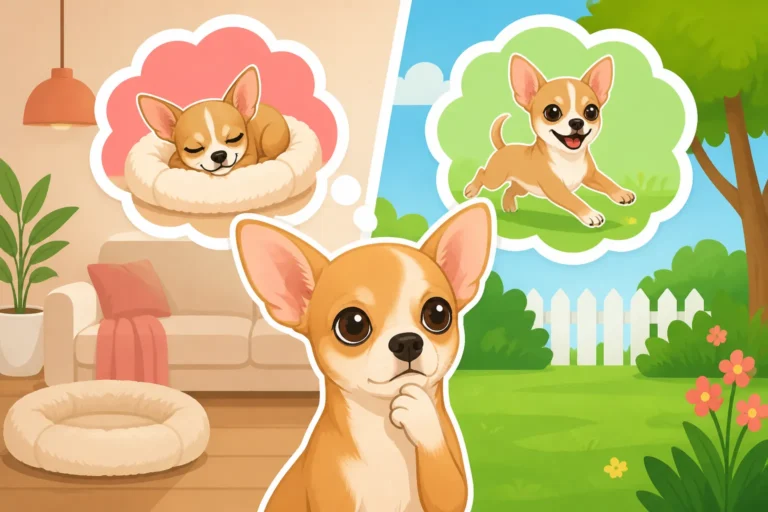
Your Chihuahua needs sanctuaries—places where they can retreat and know they will be absolutely undisturbed by the toddler. This is crucial for their mental well-being and prevents them from feeling constantly on edge.
- Crates: A dog crate can be a wonderful, safe den for your Chihuahua. Line it with soft bedding and cover it with a blanket to make it feel cozy and private. Teach your Chihuahua that their crate is their safe haven, a positive space where they get treats and quiet time. Toddlers must be taught that the crate is "doggy's house" and they are never allowed to poke, reach into, or disturb the dog inside. For tips on choosing the right size and making it inviting, see Chihuahua Crate Size and Setup.
- Playpens or Gates: Use baby gates to section off areas of your home. A playpen for the Chihuahua (separate from the toddler's playpen) can give them space in the main living area while keeping them physically separated from the toddler. Conversely, a playpen for the toddler can keep them safely away from the dog's food, water, or bed.
- Elevated Beds or Furniture: Chihuahuas often love to be up high. A dog bed placed on a sofa or a sturdy dog-friendly step can offer a safe perch away from curious hands, provided the toddler is not permitted on that furniture with the dog. This allows the Chihuahua to observe from a distance without direct interaction.
- High Shelves or Window Sills: Some Chihuahuas adore lounging on a high, sunny window sill (if safe and secure). This provides a sense of security and escape.
It’s important that your Chihuahua can freely access these safe spaces. Don't trap them in a room with a toddler; they need to be able to choose to retreat.
Managing Interactions and Preventing Accidents
Beyond designated safe spaces, daily routines and strict rules will govern how your Chihuahua and toddler interact.
- Leash Management Indoors: Sometimes, keeping your Chihuahua on a leash when the toddler is present can be a simple way to maintain control and prevent unwanted chasing or cornering. You can hold the leash or tether it to yourself, allowing the dog to be near but still managed.
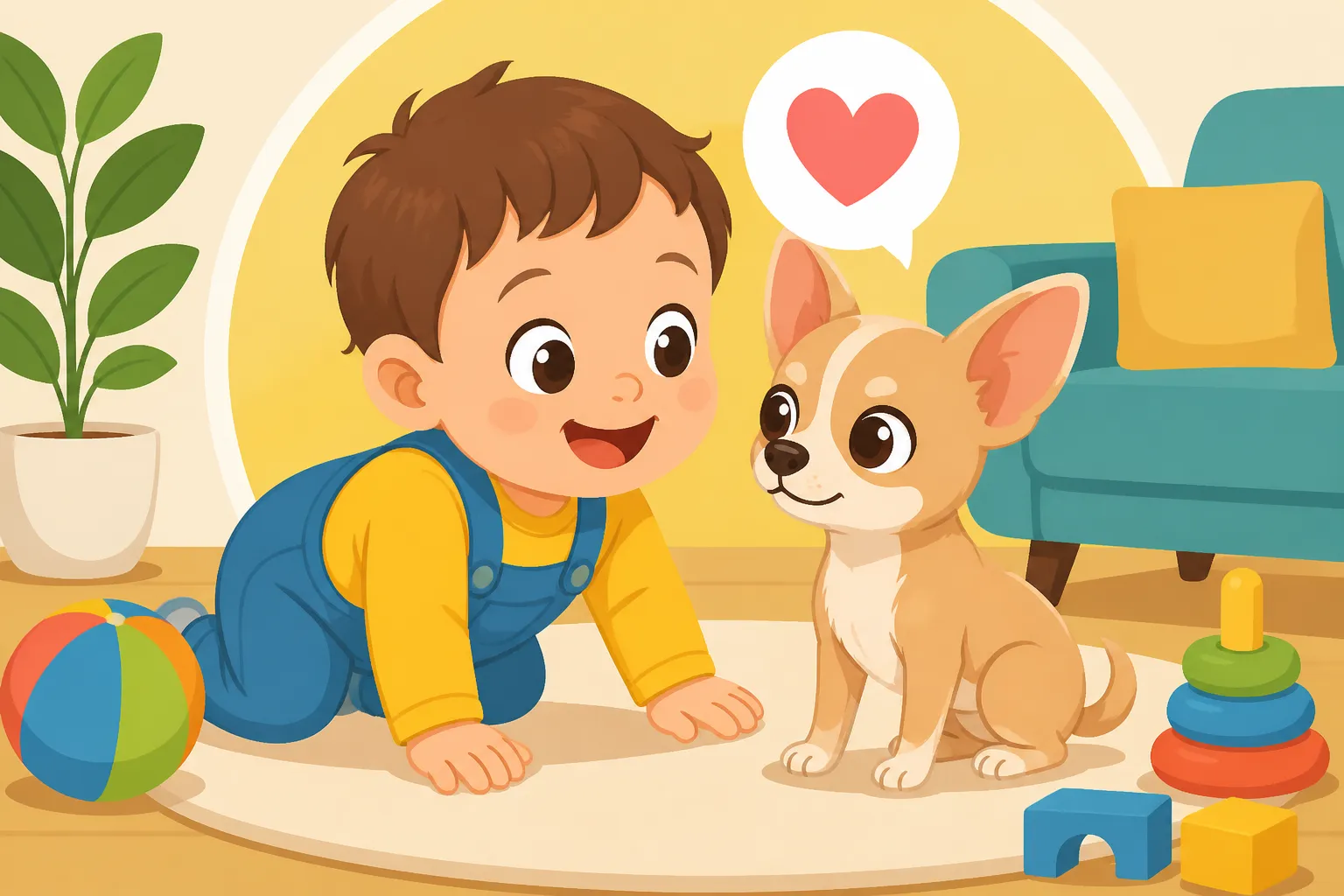
- Scheduled "Together Time": Supervised interactions should be brief, positive, and always initiated by the adults. Let the Chihuahua approach the toddler, rather than forcing the toddler onto the Chihuahua. Letting a Chihuahua Choose to Approach ensures the dog feels in control. If the Chihuahua chooses to disengage, allow it immediately.
- Baby Gates are Your Friends: Install baby gates strategically throughout your home. This allows you to easily separate your Chihuahua from your toddler when you can't offer 100% focused supervision, such as when you're cooking dinner or stepping away for a moment.
- Never Leave Food/Toys Unattended: A toddler might try to grab your Chihuahua's food bowl or toy, which can trigger resource guarding in some dogs. Always feed your Chihuahua in their safe space where the toddler cannot access them. When discussing treats and supplies, remember that Chewy offers a great selection of baby gates and crates to help you set up these boundaries effectively.
- Teaching Boundaries: Teach your toddler that some areas are "doggy only" and that they cannot follow the dog into their crate or bed. Consistently reinforce this with positive praise when they respect the boundaries.
- The "No Touching" Rule (for now): Especially in the beginning, it might be safer to implement a "no touching" rule for the toddler regarding the dog, allowing only supervised, brief petting when the dog initiates. This protects both parties.
- Avoid Lifting Without Consent: Just as with children, teach everyone in the house that a dog should be asked before being lifted. Asking Before You Lift a Chihuahua is a good practice for anyone, as it gives the dog agency.
| Management Tool | Purpose | Toddler Interaction | Chihuahua Benefit |
|---|---|---|---|
| Crate/Den | Safe, private retreat | No access | Stress reduction, security, undisturbed sleep |
| Baby Gates | Physical separation of spaces | Blocks access | Prevents unwanted chasing/cornering |
| Elevated Bed/Sofa | Observation point, escape route | Limited/supervised | Sense of security, avoids ground-level threats |
| Leash (indoors) | Controlled proximity during supervision | Supervised only | Prevents over-excitement or fear-based reactions |
| Playpen | Contained play/rest for Chihuahua | No access | Safe play zone, prevents toddler encroachment |
Training and Socialization Strategies
Training isn't just for puppies, and it's certainly not just for big dogs. A well-trained Chihuahua is a safer, happier Chihuahua, especially in a bustling household with a toddler.
Desensitization and Positive Reinforcement
The goal is to help your Chihuahua associate toddlers with positive experiences, not fear or stress.
- Controlled Exposure: Gradually expose your Chihuahua to toddler-related sounds and sights from a distance. Play recordings of toddler sounds quietly, or let your dog observe the toddler from behind a gate. Reward calm behavior with high-value treats.
- Positive Association: When your toddler is calm and quiet, offer your Chihuahua a special treat or a favorite chew toy. This helps create a positive link between the toddler's presence and good things happening. Brands like Chewy often have a fantastic selection of long-lasting chews that can keep your Chihuahua happily occupied during these moments.
- Marker Training: Use a clicker or a verbal marker ("Yes!") to pinpoint the exact moment your Chihuahua exhibits a desirable behavior, such as looking calmly at the toddler, and immediately follow with a reward. Marker Training a Chihuahua From Eight Weeks is a great skill that can be adapted for any age.
- Tiny Treats: Ensure you have Treats Small Enough for Chihuahua Training so you don't overfeed during frequent reward sessions.
- Teach a "Go to Place" Command: Train your Chihuahua to go to their bed or crate on command. This gives them an automatic, positive retreat when things get too busy or noisy.
Remember, patience is key. This process takes time, consistency, and a calm demeanor from you.
Addressing Potential Behavioral Issues
Despite your best efforts, Chihuahuas can sometimes develop fear-based reactions or exhibit resource guarding. It's vital to address these behaviors early and appropriately.
- Fear Reactivity: If your Chihuahua lunges, barks excessively, or tries to snap when a toddler approaches, this is often rooted in fear. Punishing these reactions will only suppress the outward sign, potentially leading to a bite without warning. Instead, focus on counter-conditioning and desensitization, creating positive associations from a safe distance. Fear Reactivity as the Top Chihuahua Complaint is something many Chihuahua owners face, and it's treatable with the right approach.
- Resource Guarding: If your Chihuahua growls or snaps when the toddler (or anyone) approaches their food bowl, toys, or even you (lap guarding), this is resource guarding. Management (preventing access to guarded items) and professional intervention are usually required. Never try to force the issue or take items away aggressively, as this can escalate the problem.
- Pain-Related Aggression: Sometimes, a sudden behavioral shift, like snapping or becoming unusually grumpy, can be a sign that your Chihuahua is in pain. Their small size makes them prone to issues like patellar luxation or dental disease. A Chihuahua That Snaps Because Its Knee Hurts is a very real scenario. Always consult your veterinarian to rule out any underlying medical conditions if behavior changes suddenly.
- Seek Professional Help: If you're struggling with significant behavioral issues, don't hesitate to consult a certified professional dog trainer or a veterinary behaviorist. Look for someone experienced with small breeds and positive reinforcement methods. They can offer tailored strategies and hands-on guidance. Remember, Why a Chihuahua Deserves Real Obedience Training is not just for tricks, but for safety and harmony in the home.
Long-Term Harmony and Realistic Expectations
Living with a Chihuahua and a toddler isn't just a temporary phase; it's a commitment to ongoing management and understanding for many years. It requires realistic expectations about what can be achieved and when difficult choices might need to be made.
The Commitment to Ongoing Management
Raising a toddler and living with a Chihuahua simultaneously means you will forever be the vigilant advocate for both.
- Constant Vigilance: Even as your toddler grows into a child, they will still need reminders about respectful interaction. Your Chihuahua will always be a small, potentially fragile dog.
- Adapting to Stages: What works with a 1-year-old might need adjustment for a 3-year-old, and again for a 5-year-old. Continue to adapt your management strategies as both your child and your dog age.
- Chihuahua Aging: As your Chihuahua gets older, they may experience arthritis, vision loss, or hearing loss, making them even more vulnerable to startling or accidental injury. Senior Chihuahua Care Past the Age of Twelve brings its own set of considerations for interactions with children. They might become less tolerant of rough play or sudden movements, making your management even more critical.
- Teaching Respect, Not Just Rules: The goal isn't just for your child to follow rules, but to foster genuine respect and empathy for their furry family member. Encourage them to see their Chihuahua as a living being with feelings and needs.
When to Consider Alternatives
While many families successfully integrate Chihuahuas and toddlers, it's important to be honest with yourself about your capacity to manage the situation safely. There are circumstances where, despite everyone's best intentions, the risks are simply too high for either the child or the dog.
- Unmanageable Fear or Aggression: If your Chihuahua consistently exhibits extreme fear or aggression towards your toddler, and professional help isn't yielding results, it creates an unsafe and stressful environment for everyone.
- Toddler's Inability to Learn Boundaries: In some cases, a toddler may struggle profoundly with understanding and respecting animal boundaries, no matter how much you try to teach them.
- Overwhelm and Stress: If the constant vigilance and management are causing significant stress and anxiety for you and your family, it's important to acknowledge that.
Rehoming a beloved pet is an incredibly difficult decision, and it's always a last resort. However, if the safety or well-being of either your child or your Chihuahua is genuinely at risk, and you've exhausted all other responsible options, it can be the most humane choice. Local Chihuahua rescues often have networks of experienced foster homes that can provide a loving environment for a dog that needs a different type of home. This difficult choice comes from a place of love, recognizing that every family member, furry or human, deserves to feel safe and happy.
Disclaimer
This article is for general informational purposes only and does not constitute professional advice. Laws, prices and regulations vary by location and change over time. Consult a qualified professional for guidance on your specific situation.