Chihuahua Pregnancy and the C-Section Rate
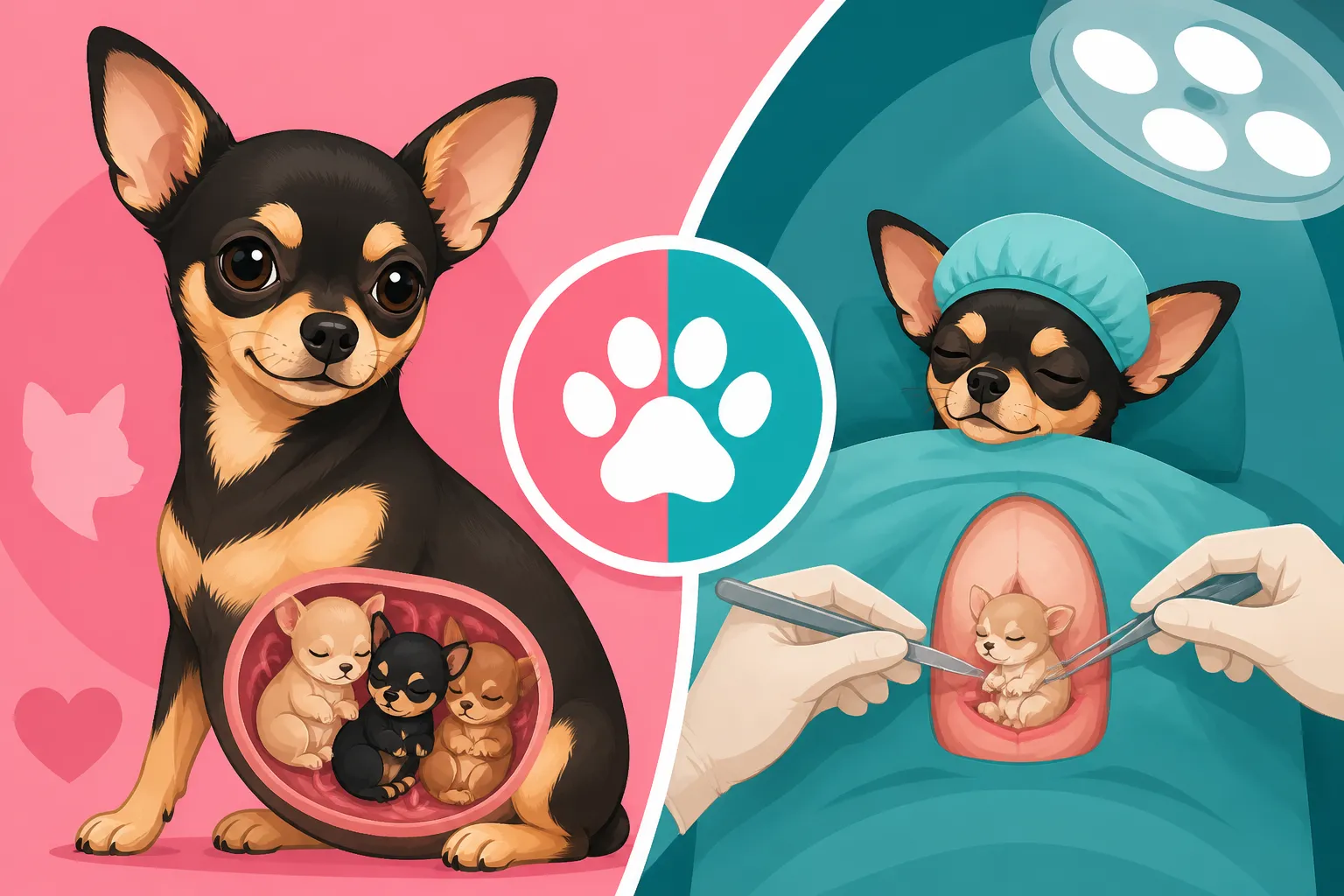
Bringing new life into the world is a joyful experience for any dog owner, but for those with Chihuahuas, it often comes with a significant amount of worry and a stark reality: the breed has one of the highest rates of C-sections among all dogs. This guide is here to walk you through everything you need to know about Chihuahua pregnancy, why difficult births are so common, and how best to prepare for the likelihood of a surgical delivery.
Understanding Chihuahua Pregnancy Basics
Pregnancy in Chihuahuas, like all dogs, is a relatively short journey, but for these tiny canines, every stage carries unique considerations. Owners must be vigilant and proactive to ensure the health of both the mother and her developing pups.
The Short Gestation Period and Its Challenges
A Chihuahua's gestation period typically lasts between 63 to 67 days from the day of conception, though it can sometimes range from 58 to 70 days. This incredibly tight window means that development happens rapidly, and any nutritional deficiencies or health issues in the mother can have a profound impact on the puppies. For such a small breed, even a slight delay or complication in development can be critical. It also means that you don't have a lot of time to correct course if problems arise. This short timeline puts extra pressure on ensuring everything is just right from the very beginning.
Early Signs of Pregnancy in a Chihuahua
Initially, the signs of pregnancy in a Chihuahua can be incredibly subtle, often mimicking a false pregnancy or simply a change in appetite. Around 3-4 weeks post-breeding, you might notice a slight increase in appetite, some nipple enlargement and reddening (though this can happen with false pregnancies too), and perhaps a more affectionate or nesting behavior. She might also become a bit more lethargic. By 4-5 weeks, a veterinarian can often confirm pregnancy through palpation, where they gently feel the abdomen for small, marble-like sacs. An ultrasound is even more definitive, usually possible around 25-35 days, not only confirming pregnancy but also providing an early estimate of the number of puppies and their viability. Early veterinary confirmation is crucial to start tailored prenatal care.
Proper Care During Chihuahua Pregnancy
Once pregnancy is confirmed, the focus shifts entirely to providing optimal care. Nutrition is paramount. For the first few weeks, your Chihuahua can remain on her regular high-quality adult dog food. However, by the last trimester (around week 6), her caloric needs will dramatically increase. This is when switching to a high-quality puppy food, or a specific "all life stages" formula, is often recommended. This food is more calorie-dense and rich in essential nutrients vital for fetal development and milk production. Make sure she has constant access to fresh water.
Gentle, regular exercise is still important to keep her muscles strong and help with stamina during birth, but avoid strenuous activity, jumping, or rough play. Short, frequent walks are perfect. Stress reduction is also key; maintaining a calm, predictable environment will benefit both mom and pups. Avoid introducing new pets, loud noises, or sudden changes to her routine. Regular vet check-ups throughout the pregnancy are essential to monitor her health and the puppies' development. Your vet will also advise on parasite control, as some dewormers are safe for pregnant dogs and can prevent transmission to the puppies. You’ll want to discuss topics like Chihuahua Vaccination and Anesthesia at Toy Size with your veterinarian to ensure all necessary precautions are taken.
The Realities of Chihuahua Birthing Difficulties
Chihuahuas are undeniably cute, but their distinctive apple-shaped heads and compact bodies, while charming, contribute significantly to why natural births are often challenging, if not impossible. Understanding these factors is key to being prepared.
Why Chihuahuas Face High C-Section Rates
The primary reason Chihuahuas have such a high C-section rate, often cited as anywhere from 50% to 80% in some breeding lines, boils down to a few anatomical realities. Firstly, many Chihuahuas have relatively large heads compared to their mothers' narrow pelvic canals. This size mismatch, known as fetopelvic disproportion, makes it incredibly difficult for puppies to pass through the birth canal naturally. Secondly, Chihuahuas often have small litter sizes, sometimes only one or two puppies. While this might seem like it would make delivery easier, it actually means the hormonal signals that trigger labor might be weaker or less consistent, leading to prolonged labor or uterine inertia (a uterus that simply doesn't contract effectively).
Furthermore, the very nature of being a toy breed means they are more susceptible to complications like uterine torsion (twisting of the uterus) or even the mother becoming exhausted before delivery is complete. All these factors combine to make planned or emergency C-sections a frequent necessity. It's a testament to their unique physiology that sometimes intervention is the safest, and only, option.
Recognizing Signs of Dystocia Difficult Birth
Knowing when to call the vet is critical. Dystocia, or difficult birth, is a medical emergency. Watch for these red flags:
- Weak or Infrequent Contractions: If your Chihuahua has been in labor for several hours with weak, sporadic contractions and no puppy has emerged.
- Strong, Persistent Contractions with No Progress: If she's having strong, regular contractions for 30-60 minutes without producing a puppy.
- More Than Two Hours Between Puppies: After the first puppy, there shouldn't be more than two hours between subsequent deliveries. If it's been longer and she's still having contractions, seek immediate help.
- Visible Fetal Material Without Delivery: If you see a puppy or fetal membrane protruding from the vulva for more than 15-20 minutes without full delivery.
- Signs of Distress: Excessive pain, frantic licking, vomiting, collapse, or a foul-smelling discharge.
- Prolonged Gestation: If your Chihuahua goes past 70 days of gestation without any signs of labor.
In any of these scenarios, do not delay. Immediate veterinary intervention, often leading to a C-section, is usually required to save both the mother and the puppies. Understanding Emergency Sugar for a Collapsing Chihuahua Puppy might also be vital if pups are born weak.
The Role of Veterinary Supervision
Given the inherent risks, veterinary supervision is non-negotiable for a pregnant Chihuahua. From confirming the pregnancy to advising on nutrition, and monitoring the mother's health, your vet is your most important resource. Around week eight of pregnancy, your vet will likely recommend X-rays to accurately count the number of puppies. This count is invaluable because it tells you exactly how many puppies to expect, so you know when labor is truly complete. It also helps assess puppy size relative to the birth canal, giving an early indication if a C-section is likely or unavoidable.
Many breeders and responsible owners opt for a planned C-section rather than waiting for signs of dystocia, especially if X-rays suggest large puppies or the mother has a history of difficult births. This proactive approach can significantly reduce stress and risk. Establishing a relationship with an emergency veterinary clinic or having an after-hours contact is also crucial, as labor often starts in the middle of the night. Proactive care truly makes all the difference, potentially saving lives and minimizing complications.
Preparing for a Chihuahua C-Section
While it might sound daunting, a C-section, when planned and executed properly, is a routine procedure that can be a lifesaver for Chihuahuas and their precious offspring. Being prepared mentally and financially can ease a lot of the stress.
Pre-surgical Planning and Diagnostics
If a C-section is planned, your vet will schedule it around the estimated due date, often just before natural labor would typically begin. This is usually based on progesterone testing, which precisely determines the optimal time for delivery, ensuring the puppies are mature enough for birth. Pre-surgical bloodwork is always required to ensure the mother is healthy enough for anesthesia. This includes checking organ function and blood clotting abilities. As mentioned, X-rays are critical for counting puppies and assessing their size and position. An ultrasound can also provide information on fetal heartbeats, indicating puppy viability.
Discussing the procedure with your vet beforehand will help you understand each step, from the anesthesia protocol, which is carefully chosen for minimal impact on the puppies, to what to expect during recovery. Knowing the plan helps calm your nerves and ensures you're ready to assist the veterinary team with the newborns.
What to Expect During and After a C-Section
On the day of the C-section, your Chihuahua will be admitted to the veterinary clinic, typically in the morning. She’ll receive pre-anesthetic medications, and once ready, anesthesia will be administered. The veterinary team will work quickly and efficiently. The puppies are usually delivered through an incision in the uterus. As each puppy is removed, a veterinary technician or assistant will immediately begin resuscitation efforts, clearing airways, rubbing them vigorously to stimulate breathing, and often administering a reversal agent for the anesthetic drugs.
Once all puppies are delivered, the vet will close the uterus and the abdominal incision. The mother will be moved to a warm recovery area, and the puppies will be kept warm and monitored closely. You'll likely be able to see them soon after, and often, the mother is encouraged to begin nursing as soon as she is fully awake and stable. It's a busy, intense time, but seeing those tiny, squirming pups makes it all worth it.
Financial Considerations and Pet Insurance
A C-section is a significant veterinary expense, especially if it's an emergency. Costs can vary widely depending on your location, the time of day (emergency after-hours rates are higher), and any complications. A planned C-section might range from $1,000 to $3,000, while an emergency C-section, including diagnostics and potentially extended aftercare, could easily reach $3,000 to $5,000 or more. This is why budgeting for Chihuahua Surgery Costs at Toy Size is so crucial when considering breeding.
This is where pet insurance can be a game-changer. Companies like Healthy Paws offer comprehensive plans that can cover a significant portion of emergency veterinary bills, including C-sections. While most pet insurance policies won't cover pre-existing conditions or elective procedures, an unexpected emergency C-section due to dystocia would typically be covered, assuming the policy was in place before the pregnancy began. It's vital to read the fine print and understand waiting periods and exclusions. Enrolling your Chihuahua in pet insurance early in life can provide invaluable peace of mind for unexpected medical events, especially if you ever decide to breed her.
Post-Natal Care for Mother and Pups
The C-section is just the beginning. The weeks following delivery are critical for the mother's recovery and the healthy development of her tiny newborns. Your diligence in this period is paramount.
Monitoring the Mother's Recovery
After her C-section, your Chihuahua will need careful monitoring. Pain management is crucial; your vet will prescribe appropriate pain relief to keep her comfortable, which is essential for her to bond with and care for her puppies. Keep her incision clean and dry, checking it daily for any signs of redness, swelling, or discharge. Prevent her from licking or chewing at the incision site, often with an Elizabethan collar (cone) or a recovery suit.
Watch for signs of mastitis (inflammation of the mammary glands), which can occur if milk ducts become blocked or infected. Symptoms include red, hot, painful mammary glands, and sometimes fever or lethargy. Another serious post-natal complication is eclampsia, also known as "milk fever," caused by a sudden drop in blood calcium levels due to milk production. This is more common in small breeds and can manifest as restlessness, panting, muscle tremors, seizures, or collapse. If you suspect eclampsia, it’s an immediate veterinary emergency. Ensure she is eating well and drinking plenty of water to support milk production and her recovery. A quality pet insurance plan like those from Healthy Paws can truly help alleviate the financial burden if such complications arise.
Caring for Newborn Chihuahua Puppies
Newborn Chihuahua puppies are incredibly fragile and require constant attention. They cannot regulate their own body temperature for the first few weeks, so keeping them warm is absolutely vital. A whelping box with a consistent ambient temperature of around 85-90°F for the first week, gradually decreasing, is necessary. Heating pads (set on low and covered, with space for pups to move away) or heat lamps can be used, but always monitor the temperature carefully to prevent overheating.
Ensure each puppy is nursing regularly. A strong, healthy puppy will latch on and suckle vigorously. Weighing the puppies daily can help you track their growth and identify any that aren't gaining weight appropriately. Puppies should gain weight steadily; if a puppy isn't gaining, or is losing weight, it might need supplemental feeding. For more information on early care, you might find guidance in articles like The Feeding Schedule a Chihuahua Breeder Sends Home or Four Meals a Day for a Chihuahua Puppy. Additionally, understanding Low Body Temperature in a Chihuahua Puppy is crucial as they are highly susceptible to cold.
Common Post-Natal Complications for Puppies
Despite your best efforts, newborn puppies can face various challenges. Beyond maintaining warmth and ensuring proper nutrition, keep an eye out for signs of "fading puppy syndrome," a term for puppies that fail to thrive in their first few weeks of life. This can be caused by infections, congenital defects, or insufficient milk intake. Symptoms include lethargy, constant crying, lack of appetite, and failure to gain weight.
Another significant concern for Chihuahua puppies, especially very tiny ones, is hypoglycemia, or low blood sugar. This can happen quickly if they aren't nursing frequently enough or aren't digesting well. Signs of hypoglycemia include trembling, weakness, listlessness, loss of coordination, and even seizures. Being prepared with a glucose solution or corn syrup to rub on their gums can be a temporary life-saving measure, but immediate veterinary attention is always necessary. Learning about Chihuahua Hypoglycemia and the Puppy Emergency is invaluable. Always consult your vet if you have any concerns about a puppy's health.
Comparing Natural Birth and C-Section Scenarios for Chihuahuas
| Feature | Natural Birth (Vaginal Delivery) | C-Section (Surgical Delivery) |
|---|---|---|
| Ideal For | Chihuahuas with good pelvic structure, smaller puppy heads, history of successful natural births. | Most Chihuahuas due to breed predispositions, large litter size, or anticipated complications. |
| Risk of Dystocia | High for Chihuahuas, often leading to emergency vet visits. | Low if planned; risk shifts to anesthesia and surgical recovery. |
| Anesthesia Risk | Generally none for mother (unless complications arise); minimal for puppies. | Mother undergoes general anesthesia; puppies are exposed to mild anesthetics which are quickly reversed. |
| Preparation | Whelping box, supplies, knowing signs of labor and distress. | Pre-surgical diagnostics (X-rays, bloodwork), vet consultations, financial planning. |
| Recovery | Mother recovers quickly, often up and caring for pups immediately. | Mother needs pain management, incision care; recovery slightly longer but often smoother for puppies. |
| Cost | Lower if uncomplicated; very high for emergency interventions. | High, but often predictable if planned; can be significantly offset by pet insurance like Healthy Paws. |
| Puppy Survival | Can be compromised if labor is prolonged or difficult. | Generally higher, especially if planned, as puppies are delivered quickly and attended to immediately. |
| Mother's Health | Can be at risk during prolonged labor, exhaustion, or infection. | Surgical risks, but generally safer than prolonged dystocia. |
Disclaimer
The information provided in this guide is for general informational purposes only and does not constitute veterinary advice. Always consult with a qualified veterinarian for any health concerns or before making any decisions related to your Chihuahua's health, pregnancy, or medical care.