A Chihuahua Kneecap That Never Goes Back
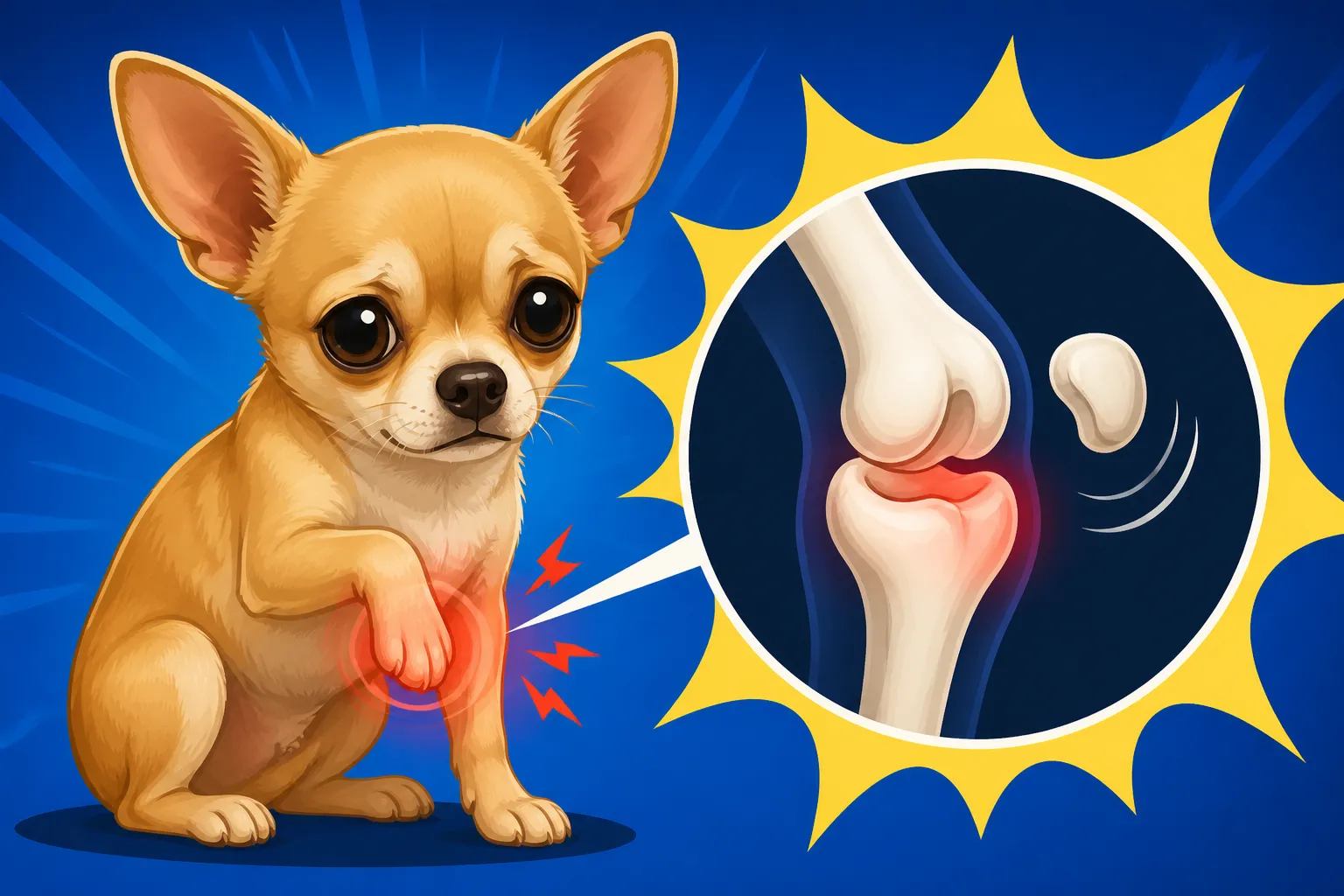
It’s incredibly disheartening and often quite frightening to realize your sweet Chihuahua’s kneecap isn’t just popping out and then back in, but seems to be staying out of place more and more often. This isn't just a minor inconvenience; a persistently luxated patella significantly impacts your dog's comfort, mobility, and overall quality of life. This guide will walk you through what it means when a Chihuahua's kneecap doesn't correct itself, the implications for your furry friend, and the options available to help them live their best, most comfortable life.
Understanding Patellar Luxation in Chihuahuas
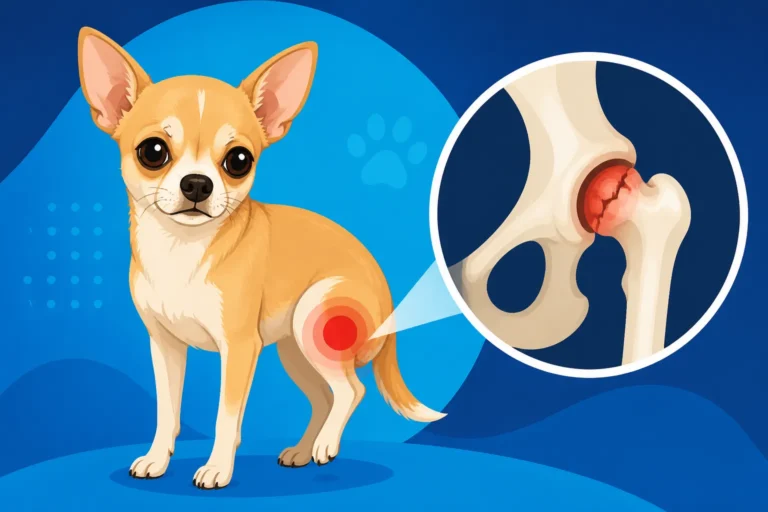
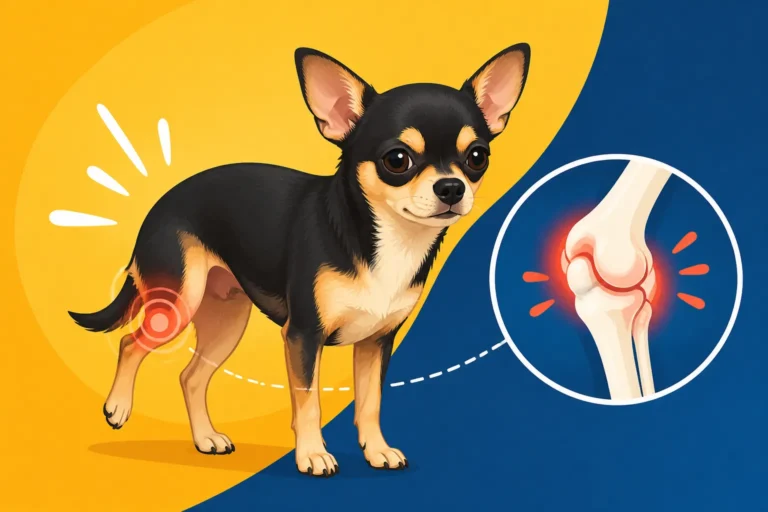
Patellar luxation, often simply called a "slipped kneecap," is one of the most common orthopedic issues we see in Chihuahuas and other small breeds. It happens when the patella, or kneecap, which normally sits in a groove at the end of the thigh bone (femur), slips out of place. While it can sometimes slip to the outside (lateral luxation), it’s far more common for it to slip to the inside (medial luxation) in Chihuahuas. You might notice your dog skipping a step, holding up a leg, or even crying out in pain if it happens suddenly. For a deeper dive into this widespread issue, you can read our comprehensive guide on Patellar Luxation, the Chihuahua's Commonest Joint Problem.
The Anatomy of a Slipping Kneecap
To really get why this happens, it helps to picture the anatomy. The kneecap is part of the quadriceps mechanism, which includes the large thigh muscles, the quadriceps tendon, the kneecap itself, and the patellar ligament that attaches to the shin bone (tibia). When everything is aligned perfectly, the kneecap glides smoothly within the trochlear groove of the femur, allowing the leg to bend and straighten properly.
In Chihuahuas, a number of factors can predispose them to luxating patellas. Often, the trochlear groove itself isn't deep enough, giving the kneecap less of a "track" to run in. The bones of the leg (femur and tibia) might also be slightly misaligned, pulling the kneecap off-center. Over time, or with repetitive luxation, the soft tissues around the knee can stretch and loosen, making it even easier for the kneecap to pop out. This is a progressive condition, meaning it can worsen over time if not managed.
Grades of Patellar Luxation and What They Mean
Veterinarians typically grade patellar luxation on a scale from 1 to 4, with Grade 1 being the mildest and Grade 4 being the most severe. This grading system helps determine the best course of action and what you can expect for your dog. Our guide on The Four Grades of a Slipping Chihuahua Kneecap offers a more detailed breakdown, but here’s a quick overview focusing on how it relates to a kneecap that stays out:
- Grade 1: The kneecap can be manually luxated (pushed out of place) but immediately pops back into the groove on its own. Your Chihuahua might exhibit a slight skip occasionally, a subtle sign that many owners might even miss at first.
- Grade 2: The kneecap luxates spontaneously or can be manually luxated, but it doesn't return to its normal position right away. It might stay out for a few steps, causing your dog to hold its leg up, but eventually, it will pop back in. This is often accompanied by the classic The Skipping Gait That Signals a Chihuahua Knee.
- Grade 3: This is where the concern of the kneecap "never going back" really starts to manifest. In Grade 3, the kneecap is luxated most of the time. While it can still be manually put back into the groove, it will quickly luxate again once pressure is released. Your Chihuahua will likely be consistently lame or walk with a crouched, bow-legged stance.
- Grade 4: This is the most severe grade. The kneecap is permanently luxated and cannot be manually put back into the groove at all. The trochlear groove is often completely flat or even convex, and the underlying bone deformities are significant. Dogs with Grade 4 luxation often have severely compromised mobility.
When the Kneecap Stays Out: Grade 3 and 4 Luxation
When your Chihuahua’s kneecap crosses into Grade 3 or, even more critically, Grade 4 luxation, the stakes change dramatically. This isn't just about a temporary skip; it's about a persistent issue that affects every step they take, every jump they attempt, and ultimately, their comfort and joy. It's a frustrating reality for many Chihuahua owners, witnessing their energetic companion struggling with what should be a simple movement.
Identifying Grade 3 Luxation
With Grade 3 patellar luxation, your Chihuahua's kneecap spends the majority of its time outside the trochlear groove. While a skilled veterinarian might still be able to manipulate it back into place, it simply won't stay there. This means your dog is essentially walking with a misaligned knee almost constantly. You'll likely notice a consistent lameness in the affected leg, rather than just an occasional skip. Many Chihuahuas with Grade 3 luxation will walk with a noticeable crouch in their hind legs, or they might appear bow-legged as their body tries to compensate for the instability.
The impact isn't just on the kneecap itself. This constant misalignment puts undue stress on other parts of the knee joint. The cartilage wears down faster, leading to arthritis, and the ligaments, particularly the crucial anterior cruciate ligament, can become stretched or even tear. This secondary damage can compound the pain and make the problem even more difficult to manage.
Recognizing Grade 4 Luxation: A Critical Stage
Grade 4 luxation is truly a game-changer. At this stage, the kneecap is not just luxated most of the time; it is permanently displaced. The trochlear groove, which is supposed to cradle the kneecap, is often severely underdeveloped, flattened, or in some cases, even rounded outwards instead of inwards. The deformities of the femur and tibia are also significant, making it physically impossible to seat the kneecap back into its proper position without surgical intervention.
Chihuahuas with Grade 4 luxation will exhibit severe lameness and often walk with their hind legs bent, unable to fully extend them. They might even try to walk using their hips more than their knees, resulting in a very unnatural gait. This degree of luxation is painful and debilitating, drastically limiting their ability to run, jump, or even move comfortably around the house. It's heart-wrenching to see your lively little friend reduced to such compromised mobility, and it’s a clear signal that medical intervention is crucial for their quality of life.
Immediate Impacts on Your Chihuahua
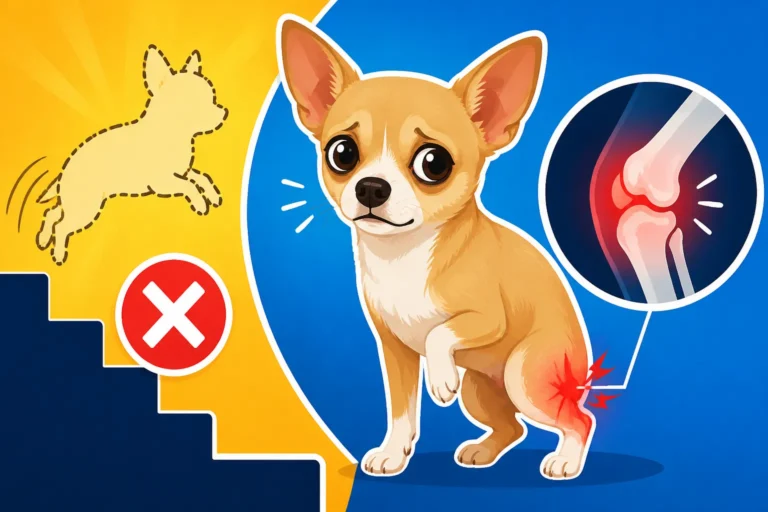
A Chihuahua living with a kneecap that refuses to stay in place faces a host of challenges. The most obvious is pain and discomfort, which can range from a dull ache to sharp, acute pain with certain movements. This pain can manifest as reluctance to play, climb stairs, or even walk short distances. You might notice them favoring the unaffected leg, leading to muscle atrophy in the affected limb and overcompensation issues in the "good" leg.
Beyond the physical pain, the constant instability can lead to anxiety or fear. A dog that expects pain with movement might become hesitant, less social, or even irritable. They might snap if their leg is touched unexpectedly, not out of malice, but from a place of fear and discomfort. This persistent issue can lead to changes in behavior, turning a once-spunky Chihuahua into a withdrawn or nervous one.
Living with a Persistent Luxation: Management and Options
When your Chihuahua's kneecap is consistently out of place, you're faced with tough decisions about their care. The good news is, there are paths forward, ranging from conservative management to surgical options. The goal is always to improve their comfort and mobility, allowing them to enjoy their golden years, or even just their everyday life, with less pain. Many loving owners turn to pet insurance, like policies from Healthy Paws, early on to help cover the costs of these often extensive treatments, as the bills can certainly add up.
Non-Surgical Management Strategies
For some Grade 3 luxations, or in cases where surgery isn't an option due to age, concurrent health issues, or financial constraints, a comprehensive non-surgical approach can be considered. This isn't a cure, but it can significantly improve quality of life and slow the progression of arthritis.
- Weight Management: Keeping your Chihuahua at an ideal body weight is paramount. Even an extra half-pound on a tiny frame puts immense stress on already compromised joints. Your vet can help you determine the optimal weight and calorie intake for your dog.
- Physical Therapy & Exercise Modification: A physical therapist certified in canine rehabilitation can develop a tailored exercise program. This might include gentle range-of-motion exercises, hydrotherapy, or targeted muscle-strengthening activities to support the knee without causing further luxation. High-impact activities like jumping or rough play should be strictly limited.
- Joint Supplements: Glucosamine, chondroitin, and omega-3 fatty acids can help support joint health and reduce inflammation. Brands like Nutramax Dasuquin or Cosequin are often recommended by vets.
- Pain Management: Non-steroidal anti-inflammatory drugs (NSAIDs) can be prescribed to manage pain and inflammation. Other medications, like gabapentin, might be used for neuropathic pain, or amantadine for chronic pain. Your vet will carefully monitor your Chihuahua to ensure these medications are safe and effective.
- Environmental Adjustments: Providing ramps for beds and sofas can eliminate dangerous jumps and minimize stress on the knees. Keep an eye on our guide for Ramps and Steps for a Chihuahua Sofa for ideas on how to create a safer home environment.
Surgical Intervention: When and Why
When a Chihuahua's kneecap is consistently luxated (Grade 3 or 4), surgery is often the most effective, and sometimes the only, way to restore proper function and alleviate chronic pain. The decision to pursue surgery is a significant one, and it's something many Chihuahua owners grapple with. Understanding Whether a Chihuahua Knee Needs Surgery at All is a crucial step in this process.
Common surgical techniques include:
- Trochlear Wedge or Block Recession: This involves deepening the trochlear groove where the kneecap sits, creating a more secure channel.
- Tibial Tuberosity Transposition: The point where the patellar ligament attaches to the shin bone (tibial tuberosity) is moved and re-anchored to realign the entire quadriceps mechanism.
- Capsular Overlap or Release: Tightening or releasing the joint capsule can help stabilize the kneecap.
- Femoral Osteotomy: In severe cases with significant bone deformities, the femur itself might need to be cut, rotated, and re-plated to correct alignment.
The exact procedure, or combination of procedures, will depend on the specific anatomical issues present in your Chihuahua's knee. A board-certified veterinary orthopedic surgeon will evaluate X-rays and perform a thorough physical exam to determine the best course of action. This can be a costly undertaking, and pet insurance like that from Healthy Paws can be a tremendous help in managing surgical expenses.
Post-Surgery Recovery and Rehabilitation
Surgery is just the beginning; the recovery period is equally critical for a successful outcome. Expect a dedicated recovery phase, typically involving strict rest followed by controlled activity. Your vet will provide detailed instructions for post-operative care, including pain medication, antibiotics, and activity restrictions. We’ve covered this extensively in Recovery After Chihuahua Kneecap Surgery.
Rehabilitation often includes:
- Crate Rest: Limiting movement in a comfortable, secure crate for several weeks is essential to allow the tissues to heal.
- Leash Walks: Short, controlled leash walks will gradually be introduced to help regain strength without overdoing it.
- Physical Therapy: This is incredibly important. A certified canine rehabilitation therapist will guide you through exercises to rebuild muscle strength, improve range of motion, and ensure proper gait. This might include passive range of motion, massage, therapeutic exercises, and even modalities like laser therapy.
- Pain Management: Continuing pain management during recovery is crucial to keep your Chihuahua comfortable and to encourage participation in rehabilitation exercises.
It's a marathon, not a sprint, but with consistent care and dedication, most Chihuahuas make excellent recoveries and regain significant function in their limb.
Long-Term Outlook and Prevention
Caring for a Chihuahua with a persistently luxated patella is a long-term commitment, whether through conservative management or post-surgical rehabilitation. Understanding the ongoing needs and potential complications is key to ensuring your furry friend maintains the best possible quality of life.
Managing Chronic Pain and Arthritis
Even after successful surgery, or particularly with long-term conservative management, Chihuahuas with patellar luxation are prone to developing arthritis in the affected joint. The abnormal mechanics and wear and tear over time predispose them to this painful degenerative condition. Managing Chihuahua Arthritis in the Teenage Years becomes a critical part of their ongoing care.
Chronic pain management often involves a multi-modal approach:
- Medication: This can include daily NSAIDs (under strict veterinary guidance), joint supplements, and sometimes newer medications specifically designed for canine osteoarthritis.
- Weight Control: Continues to be vital in reducing stress on arthritic joints.
- Therapeutic Exercises: Low-impact exercises, often guided by a physical therapist, help maintain muscle mass and joint flexibility.
- Alternative Therapies: Acupuncture, cold laser therapy, and even massage can provide significant relief for some dogs.
- Comfort: Ensuring they have soft, supportive bedding and avoiding cold, damp environments can also make a big difference.
Regular check-ups with your veterinarian are essential to monitor their comfort level and adjust pain management strategies as needed.
Creating a Safe Home Environment
Beyond medical interventions, your home environment plays a massive role in protecting your Chihuahua's joints and preventing further injury. The tiny size of Chihuahuas makes them particularly vulnerable to injuries from everyday household obstacles.
- No Jumping Zones: Prevent jumping on and off furniture. Invest in pet steps or ramps for sofas and beds. Consider a dedicated dog ramp for vehicles if your Chihuahua travels with you. Our guide on Keeping a Chihuahua Off Furniture to Protect Knees offers practical advice.
- Secure Flooring: Slippery floors can cause luxating patellas to worsen or lead to other injuries. Use rugs or runners on hard floors to provide traction, especially in high-traffic areas.
- Safe Play: Supervise play, especially with other dogs. Roughhousing with larger dogs or even overly enthusiastic play with other small dogs can lead to trauma.
- Crate Training: A comfortable, appropriately sized crate can be a safe haven and a tool for rest, especially during recovery periods or when you can't supervise closely.
The Importance of Regular Vet Check-ups
No matter what grade of patellar luxation your Chihuahua has, consistent veterinary care is non-negotiable. Regular check-ups allow your vet to monitor the condition, assess pain levels, detect any progression, and adjust treatment plans as needed. This is particularly true as your Chihuahua ages.
As they enter their senior years, their needs will change. Your vet can advise on Senior Chihuahua Care Past the Age of Twelve, discussing dietary adjustments, additional joint support, and screening for other age-related conditions. Early detection and proactive management are your best allies in ensuring your Chihuahua lives a long, happy, and comfortable life, even with a history of patellar luxation.
Here's a quick comparison of the different grades of patellar luxation to help you understand what's happening with your Chihuahua's knee:
| Feature | Grade 1 Luxation | Grade 2 Luxation | Grade 3 Luxation | Grade 4 Luxation |
|---|---|---|---|---|
| Kneecap Position | Mostly in groove, easily slips out & back | Slips out often, stays out temporarily | Out most of the time, can be manually reduced briefly | Permanently luxated, cannot be reduced manually |
| Gait/Mobility | Occasional skip/hobble | Frequent skipping, leg held up | Consistent lameness, crouched/bow-legged | Severe lameness, inability to extend leg fully |
| Pain Level | Mild/Intermittent | Mild to moderate | Moderate to severe, chronic | Severe, constant |
| Trochlear Groove | Nearly normal | Slightly shallow | Moderately shallow/flat | Very shallow, flat, or even convex |
| Associated Arthritis | Minimal initially | Progressive | Significant, often advanced | Severe, debilitating |
| Surgical Necessity | Often conservative management | Often recommended, especially if symptomatic | Highly recommended, often necessary | Almost always necessary |
Disclaimer
The information provided in this guide is for educational purposes only and should not be considered a substitute for professional veterinary advice. Always consult with your veterinarian regarding any health concerns or before making any decisions about your Chihuahua's medical care.