The Ruff and Feathering on a Long Coat Chihuahua
It’s easy to fall in love with the picture of a fluffy, regal Long Coat Chihuahua, all elegant and flowing. But sometimes, when that adorable puppy comes home, new owners don’t quite realize the dedication it takes to keep that glorious coat looking its best, especially the distinctive ruff and feathering. It can feel overwhelming, like a constant battle against mats and dullness. This guide is here to walk you through exactly what makes a Long Coat Chihuahua's fur so special and how to keep it healthy and beautiful, tackling those daily grooming challenges head-on.
Understanding the Long Coat Chihuahua's Signature Features
When you choose a Long Coat Chihuahua, you're signing up for a dog with a truly magnificent, albeit demanding, coat. Unlike their smooth-coated cousins, these Chihuahuas boast a double coat with soft undercoat and longer guard hairs, which, when properly cared for, flows like silk. It's not just "long hair"; it has specific features that give it its unique charm and require specific attention. Understanding these features is the first step to mastering their care.
What Exactly is the "Ruff"?
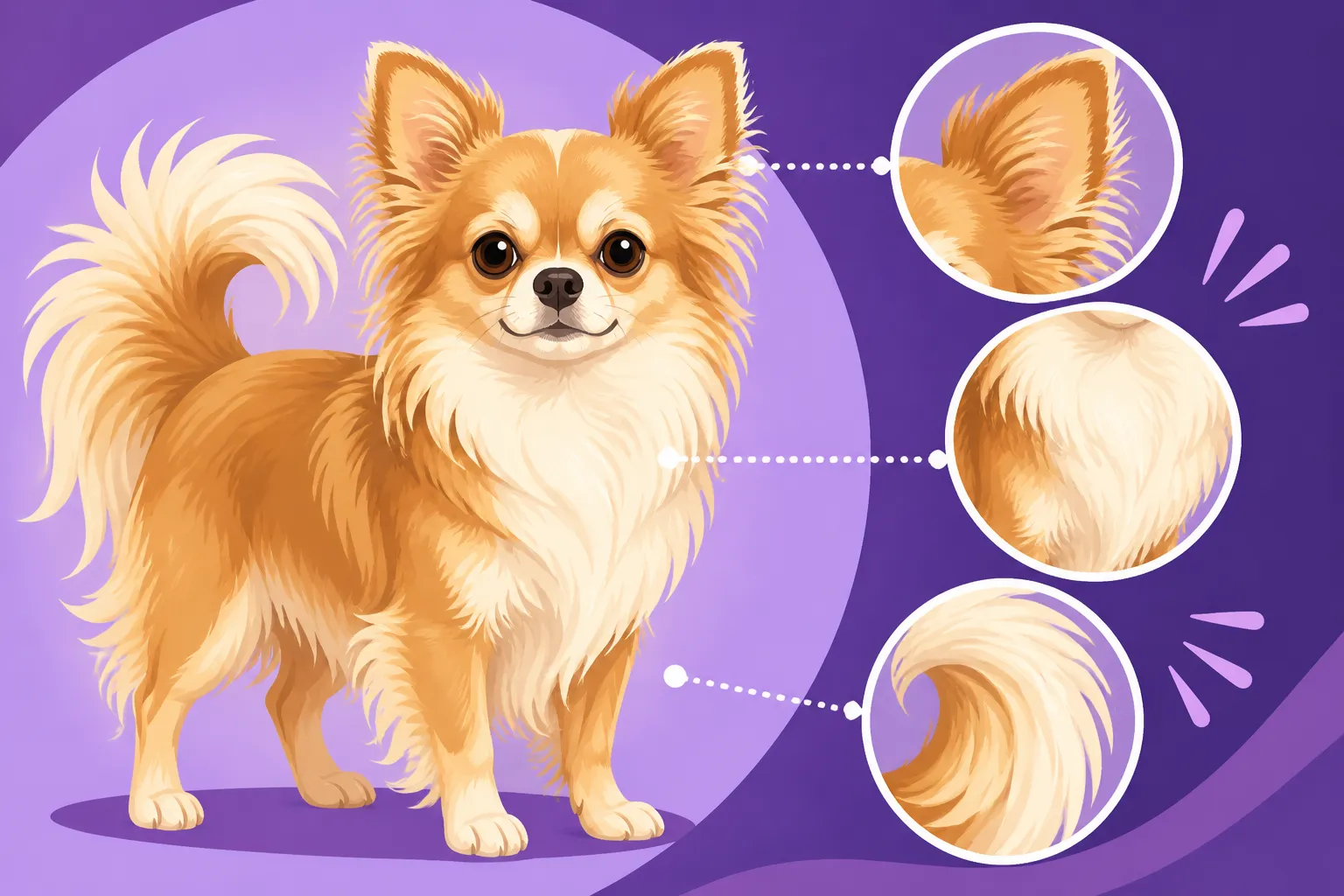
Imagine a tiny, adorable lion's mane, and you've got a good picture of the Chihuahua's ruff. This isn't just random longer hair; it's the distinctive, often dense, longer fur that grows around their neck and chest. It starts around their ears, flows down their neck, and broadens over their shoulders and chest area. For some Chihuahuas, it can be quite thick and impressive, giving them a very regal and elegant profile.
The ruff isn't just for show, though. In its wilder, more practical evolutionary days, this dense collar of fur offered a layer of protection and warmth, particularly important for a small creature like the Chihuahua. Even today, it helps insulate them, especially in cooler weather, contributing to why you might see your Chihuahua burrowing into blankets or seeking out warm spots. It’s also one of those defining characteristics that immediately tells you you’re looking at a long-coated variety. This beautiful feature often takes a while to fully develop, sometimes not reaching its full splendor until your Chihuahua is well past puppyhood, often around one to two years of age. Patience, and consistent care, will definitely pay off in a magnificent ruff.
The Beauty of "Feathering"
Beyond the ruff, the Long Coat Chihuahua is further distinguished by its "feathering." This term refers to the longer fringes of hair that adorn specific parts of their body, creating a flowing, soft appearance. You'll typically find feathering on the ears, where it can create elegant wisps that frame their expressive faces. Their legs often have longer, softer hair, especially on the back of the front legs and the breeches (the fur on the back of the thighs). And, of course, the tail is a showstopper, boasting a full plume of long, feathery hair that often arches gracefully over their back.
The feathering is what truly gives the Long Coat Chihuahua its delicate and artistic look, adding movement and softness to their overall silhouette. The texture of this feathering can be slightly finer or softer than the body coat, making it particularly prone to tangling if not regularly maintained. It's often the first place new owners notice knots forming, especially behind the ears where friction from scratching or even just cuddling can create tiny snarls. The feathering is a huge part of what makes The Two Chihuahua Coat Varieties Explained so distinct, and it’s a feature to truly cherish and care for.
Daily Care for a Lush Ruff and Flowing Feathering
Keeping those glorious long locks looking their best isn't something you can just do once a week. It truly is a daily commitment, but trust me, it’s a bonding experience and well worth the effort. The goal is to prevent problems before they start, especially when it comes to mats and tangles in these delicate areas.
The Importance of Regular Brushing
Let's be real, daily brushing might sound like a chore, but for a Long Coat Chihuahua, it's absolutely non-negotiable if you want to avoid painful mats and keep their coat healthy and shiny. These aren't just cosmetic nuisances; mats can pull on the skin, cause irritation, and even hide skin problems. Brushing distributes natural oils, removes loose hair, and acts as a mini-massage, stimulating blood flow to the skin.
For the ruff and feathering, you'll want to use a few specific tools. A good quality pin brush is excellent for working through the longer hair gently, separating strands without pulling. Follow up with a fine-toothed metal comb, especially for those delicate areas like behind the ears and the feathering on the legs and tail. Always brush in layers, starting at the bottom and working your way up. For the ruff, gently part the hair and brush from the skin outwards, being careful not to scratch their sensitive skin. For the feathering on the ears and legs, use soft, downward strokes. Make it a positive experience with praise and tiny treats. Even just five to ten minutes a day can make a world of difference. Consistency is key, and it really helps when you are Brushing a Long Coat Chihuahua Weekly instead of trying to tackle a big mess.
Preventing Mats and Tangles
Mats are the bane of every long-coat owner's existence, and they seem to appear out of nowhere, especially in the ruff and feathering. These areas are particularly susceptible due to their length and exposure to friction. Common culprits include collars rubbing against the neck, wet fur that's allowed to air dry without brushing, static electricity, and even just their playful antics.
To proactively prevent mats, consider using a high-quality detangling spray before you brush, especially if their coat feels a bit dry or has static. Spritz a little on the feathering on their ears and legs, and gently comb through. Pay extra attention to the areas behind the ears and in their "armpits," which are notorious hotspots for mats. If you find a small tangle, don't just yank it. Instead, apply a detangling spray, then use your fingers to gently tease the knot apart, strand by strand, before carefully combing through with the metal comb. Sometimes a slicker brush can help, but always be gentle as their skin is very delicate. If a mat is too tight and close to the skin, it’s always safer to visit a professional groomer or your vet to have it shaved out rather than risking injury to your dog. Addressing Long Coat Chihuahua Mats Behind the Ears before they become a big problem is crucial.
Bathing and Grooming Techniques for Long Coats
Bathing a Long Coat Chihuahua requires a delicate touch. The goal is to clean their fur thoroughly without stripping its natural oils or creating a tangled mess that will take hours to undo. It's an art form, really, and getting it right ensures their coat remains soft, shiny, and beautiful.
Gentle Bathing for Delicate Fur
When it’s bath time, you want to make the experience as calm and warm as possible for your tiny friend. Start by thoroughly brushing out any tangles before the bath – water will only tighten existing knots. Use lukewarm water, never hot or cold, and make sure the environment is warm to prevent chilling. For Chihuahuas, a sink or a small tub works perfectly.
Choose a shampoo specifically designed for dogs, preferably one that is moisturizing and sulfate-free to protect their delicate skin and coat. Dilute the shampoo slightly with water before applying it, as this helps distribute it evenly and rinse out more easily. Gently massage the shampoo into their coat, working from neck to tail, paying special attention to the ruff and feathering. Do not scrub vigorously, as this can create more tangles. Instead, use long, soft strokes in the direction of hair growth. Rinsing is perhaps the most crucial step for a long-coated dog. You absolutely must rinse every last trace of shampoo from their fur. Residue can cause skin irritation, dullness, and attract dirt. Keep rinsing until the water runs completely clear and their fur feels "squeaky" clean. This is especially important when you are Bathing a Chihuahua Without Letting It Chill.
Drying and Finishing Touches
After a thorough rinse, the drying process for a Long Coat Chihuahua is just as important as the bath itself. Improper drying can lead to matting, skin issues, and even make your Chihuahua uncomfortable or sick if they get too cold.
Start by gently squeezing excess water from their fur with your hands. Then, wrap your Chihuahua snugly in a soft, absorbent towel. Pat and blot – again, do not rub vigorously, as this will create a tangled nightmare. Once most of the dampness is absorbed by the towel, it’s time for the hairdryer. Use a pet-specific dryer or a human hairdryer on the lowest heat setting. High heat can damage their delicate hair and even burn their skin. While drying, use your pin brush to gently brush the coat in the direction of hair growth. This helps to separate the strands, prevents tangles, and encourages that beautiful flowing look. Pay close attention to the ruff, legs, and tail, ensuring these areas are completely dry. Leaving even a slightly damp spot can encourage matting. Finish with a light spritz of a canine leave-in conditioner or detangling spray, and give them one final, gentle brush-through. This helps add shine, reduces static, and provides a layer of protection against tangles. Ensuring you are Drying a Chihuahua Quickly After a Bath is vital for their comfort and coat health.
Addressing Common Ruff and Feathering Challenges
Even with the best intentions and consistent care, you might encounter some specific challenges with your Long Coat Chihuahua's ruff and feathering. These aren't necessarily signs you're doing something wrong, but rather common issues that benefit from targeted solutions.
Dealing with Excessive Shedding
Chihuahuas aren't known for being heavy shedders, but the long coat variety definitely sheds more noticeably than their smooth-coated counterparts. Because their individual hairs are longer, even a normal amount of shedding can seem like a lot as those strands accumulate around the house or on your clothes. You'll often find shedding increases during seasonal changes, as their coat adjusts to the warmer or cooler temperatures.
The best defense against excessive shedding is, you guessed it, consistent brushing. Daily brushing with a pin brush and a metal comb will effectively remove loose and dead hair before it has a chance to fall out and land on your furniture. For some Long Coat Chihuahuas, particularly those with a very dense undercoat, a deshedding tool might be helpful, but use it sparingly and very gently, as over-use can damage the delicate guard hairs. Good nutrition also plays a significant role in coat health. Ensure your Chihuahua is on a high-quality diet rich in Omega fatty acids; these contribute to a healthy, strong coat that is less prone to excessive breakage and shedding. You might even find some excellent supplements or specialized foods for coat health at a place like Chewy that can make a real difference. Understanding Chihuahua Coat Shedding Through the Seasons can help you anticipate and manage these periods.
Health Indicators in the Coat
Your Chihuahua's coat is a fantastic barometer for their overall health. The condition of their ruff and feathering, in particular, can offer clues to what's going on inside. A healthy long coat should be soft, shiny, and relatively free of excessive dryness or oiliness. If you notice a sudden change in their coat's texture or appearance, it's worth investigating.
For example, a dull, brittle coat could indicate a nutritional deficiency, particularly a lack of essential fatty acids, or it could be a sign of an underlying illness. Excessive oiliness might point to a skin condition or even hormonal imbalances. Conversely, a very dry, flaky coat could signal allergies, dry skin due to environmental factors, or even a systemic health issue. If you observe thinning hair, bald patches, or any skin irritation, especially within the dense ruff or under the feathering on the legs, it's time for a vet visit. These can be symptoms of allergies, parasites, or more serious skin conditions. Don't try to self-diagnose; let a professional assess the situation. Remember, the goal is not just a beautiful coat, but a healthy dog. Keeping an eye on these subtle changes can help you catch potential problems early, making it especially important to understand things like Chihuahua Skin Allergies and Hair Loss.
Grooming Tools for the Long Coat Chihuahua
Having the right tools makes all the difference when grooming a Long Coat Chihuahua. Trying to comb out feathering with a standard brush or tackling tangles with the wrong comb can be frustrating for both you and your little dog. Investing in a few key items will save you time, stress, and ensure your Chihuahua's coat remains magnificent.
Essential Brushes and Combs
For the Long Coat Chihuahua, your grooming toolkit should be a carefully curated selection of brushes and combs, each serving a specific purpose. You won't just need one.
First on the list is a pin brush. This brush features widely spaced metal pins with rounded tips, perfect for gently working through the longer hair of the body, ruff, and feathering. It separates the strands without pulling and is excellent for daily maintenance and distributing natural oils. It's gentle enough to use frequently and helps prevent the formation of larger mats. For an even softer touch, look for one with extra-long pins or those designed for delicate coats.
Next, you absolutely need a metal comb. This is your secret weapon against tangles, especially in those high-friction areas like behind the ears, under the legs, and the tail plume. A good metal comb will have both wide and narrow teeth sections. Start with the wider teeth to gently work out any larger snarls, then switch to the finer teeth for a thorough, detailed comb-through, making sure you get right down to the skin without scratching. This helps catch any smaller tangles the pin brush might have missed and ensures there’s no matting close to the skin. These are readily available at stores like Chewy.
Finally, consider a slicker brush for occasional use, particularly for de-shedding during seasonal coat blows or to fluff up the coat. These brushes have fine, short wires packed closely together. Use with extreme caution and a very light hand on a Chihuahua's delicate skin, as too much pressure can cause brush burn. It's fantastic for removing dead undercoat but should not be your primary daily brush for the delicate ruff and feathering.
Shampoos, Conditioners, and Detangling Sprays
Just like with our own hair, the products you use during bathing can significantly impact the health and appearance of your Chihuahua's long coat.
When choosing a shampoo, prioritize formulations that are moisturizing and gentle. Look for ingredients like oatmeal, aloe vera, or natural oils that soothe the skin and condition the coat. Avoid harsh detergents or shampoos with strong fragrances that can irritate sensitive Chihuahua skin. Hypoallergenic options are often a good choice. A good shampoo will cleanse effectively without stripping the natural oils that keep their coat healthy and shiny.
Following up with a conditioner is crucial for a Long Coat Chihuahua. Conditioner helps to hydrate the hair shafts, making the fur softer, more manageable, and less prone to tangling and static. Apply it thoroughly to the ruff, feathering, and all over the body, letting it sit for a few minutes before rinsing completely. This step adds a protective layer and makes post-bath brushing much easier.
Lastly, a detangling spray or leave-in conditioner is a grooming staple. These sprays can be used before brushing, between baths, or as a finishing touch after drying. They help to lubricate the hair, making it smoother and easier for your brush or comb to glide through. This is particularly useful for those moments when you notice a small snarl forming or when you simply want to add a little extra shine and softness to your Chihuahua's flowing coat. Spritz lightly, brush through, and watch the magic happen. Remember that Shampoo That Does Not Strip a Chihuahua Coat is a key component to a healthy long coat.
Beyond the Basics: Advanced Coat Care and Professional Help
While daily home care forms the backbone of maintaining a Long Coat Chihuahua's beautiful fur, there are times when a little extra effort or professional help can be invaluable. Don't be afraid to lean on experts or explore specialized products when facing particular challenges.
When to Seek Professional Grooming
Even the most dedicated home groomers sometimes need a helping hand, and there's absolutely no shame in that! Professional groomers have specialized tools, techniques, and experience that can make a big difference, especially with a breed like the Long Coat Chihuahua.
Consider a professional grooming session if:
- You encounter stubborn mats: Some mats, particularly those close to the skin or in hard-to-reach areas, can be incredibly difficult and painful to remove at home. A professional groomer can often remove these safely, sometimes using clippers to shave them out, preventing skin irritation or injury.
- Your Chihuahua dislikes grooming: If brushing or bathing becomes a battle, a groomer can often work wonders with their patient, experienced approach. They can also provide a fresh start for your Chihuahua's coat, making subsequent home maintenance easier.
- You want a tidy-up: While Long Coat Chihuahuas don't require extensive cutting, a groomer can provide a sanitary trim around the hindquarters, trim paw pads, and tidy up any excessive feathering on the feet or ears if desired. This keeps them neat and clean, especially around the face and potty areas. Chihuahua Grooming by Coat Type can vary, and a professional understands these nuances.
- You need advice: A good groomer can offer invaluable tips on products, techniques, and tools tailored to your specific Chihuahua's coat type and lifestyle. They can also spot potential skin issues you might have missed.
Regular professional visits every few months can complement your home routine beautifully, ensuring your Chihuahua always looks and feels their best.
Nutritional Support for a Healthy Coat
As mentioned earlier, what goes into your Chihuahua directly impacts the health and luster of their coat. A dull, dry, or excessively shedding coat can often be a red flag for a diet that isn't providing all the necessary nutrients.
Focus on feeding a high-quality dog food that lists real meat as the first ingredient. Look for formulas that are rich in Omega-3 and Omega-6 fatty acids. These healthy fats are crucial for skin health and coat quality, contributing to a shiny, soft, and strong coat. Many premium dog foods, easily found at pet supply retailers, are fortified with these fatty acids. If your current food doesn't seem to be doing the trick, or your vet recommends it, you might consider adding a supplement. Fish oil, specifically, is a popular and effective supplement for coat health. However, always consult your veterinarian before adding any supplements to your Chihuahua's diet to ensure it's appropriate for their individual needs and correct dosage for their tiny size. The right nutrition is an often-overlooked secret weapon for achieving that truly long coat.
Conclusion
Caring for the ruff and feathering of a Long Coat Chihuahua is definitely an ongoing labor of love, but the results are so incredibly rewarding. There’s nothing quite like seeing your tiny companion strutting around, their glorious coat flowing behind them, testament to your dedication and affection. It’s more than just aesthetics; it's about comfort, hygiene, and overall health. So, embrace the brushing, enjoy the quiet moments during grooming, and remember that every tangle you prevent, every hair you smooth, contributes to a happy, healthy, and stunning Long Coat Chihuahua.
| Feature | Smooth Coat Chihuahua | Long Coat Chihuahua |
|---|---|---|
| Coat Type | Short, close-lying | Double coat with soft undercoat |
| Ruff | Absent | Prominent, longer hair around neck/chest |
| Feathering | Absent | Fringes on ears, legs, tail, belly |
| Grooming Freq. | Weekly brushing | Daily brushing |
| Matting Risk | Low | High |
| Shedding | Minimal, short hairs | Moderate, longer hairs more noticeable |
| Bathing Focus | Quick drying | Thorough rinsing, gentle drying |
Disclaimer
This article is for general informational purposes only and does not constitute professional advice. Laws, prices and regulations vary by location and change over time. Consult a qualified professional for guidance on your specific situation.