Senior Chihuahua Care Through the Teenage Years
It’s a bittersweet milestone when your vibrant, energetic little Chihuahua starts showing the subtle, or sometimes not-so-subtle, signs of aging. You’ve shared years of love, laughter, and countless cuddles, and now you’re noticing that their once boundless energy is a little more reserved, their eyesight perhaps not as sharp, or their joints a bit stiffer. This comprehensive guide is dedicated to helping you navigate the unique journey of senior Chihuahua care, ensuring their golden years are as comfortable, joyful, and healthy as possible.
Understanding the Senior Chihuahua Timeline
One of the most remarkable things about Chihuahuas is their incredible longevity. While many larger breeds are considered senior at 7 or 8, our little companions often defy those expectations, living well into their teens and even beyond. But even with their impressive lifespans, age still catches up, and understanding their senior timeline is crucial for providing the best care.
When Does a Chihuahua Become a Senior?
Pinpointing the exact moment a Chihuahua becomes "senior" isn't an exact science, as it can vary based on genetics, lifestyle, and overall health. However, generally speaking, most veterinarians consider Chihuahuas to enter their senior years around 8 to 10 years old. This might seem young to some, especially since they often live to be 15 or 16, but it's during this time that age-related changes begin to accelerate on a cellular level, even if they're not overtly visible yet.
It’s less about a specific birthday and more about a gradual shift. You might start noticing that your pup needs a little more coaxing to go on a walk, or that they sleep a little deeper and longer than they used to. While they might still have bursts of puppy-like energy, the recovery time after those bursts often increases. Recognizing these subtle shifts early on allows you to proactively adjust their care, from diet to exercise, making their transition into seniorhood much smoother. Think of it as preparing for retirement rather than waiting for it to hit. For a deeper dive, check out The Age a Chihuahua Counts as Senior.
The Unique Longevity of the Chihuahua Breed
Chihuahuas are truly outliers in the canine world when it comes to lifespan. It’s not uncommon for them to live 15, 16, or even 20 years. This incredible longevity is often attributed to their small size, which places less stress on their organs and joints compared to giant breeds. They mature quickly but age slowly, in many ways. This extended lifespan is both a blessing and a responsibility, meaning you’re committing to a very long journey of companionship.
However, this doesn't mean they're immune to age-related issues. In fact, because they live so long, they're more likely to develop chronic conditions that are managed over many years. Things like dental disease, heart conditions, and arthritis become long-term considerations rather than just short-term ailments. Understanding this unique aspect of their breed helps you mentally and practically prepare for ongoing care needs that might span a decade or more. Their resilience is remarkable, but it still requires dedicated, informed attention. You might be interested in reading Why Chihuahuas Outlive Almost Every Other Breed.
Recognizing the Subtle Signs of Aging
The signs of aging in Chihuahuas can be incredibly subtle at first, often masquerading as just a "lazy day" or a temporary mood shift. It's easy to dismiss a little stiffness after a nap or a slightly longer pause before jumping on the sofa. However, these small changes can be early indicators of underlying age-related issues. Watch for a decrease in activity level, a reluctance to play as vigorously, increased sleeping, or changes in sleeping patterns (like restlessness at night).
Cognitive changes can also manifest subtly, such as slight disorientation, staring blankly, or even minor house-training accidents in a previously well-trained dog. Their once sharp hearing or eyesight might begin to dull, making them more easily startled or hesitant in new environments. Sometimes, the most telling sign is a change in interaction, perhaps less enthusiasm for greeting you or a slight increase in irritability. Keeping a journal of these observations can be incredibly helpful for your vet, as it provides a clearer picture of gradual changes over time.
Nutritional Adjustments for Aging Chihuahuas
Just like us, a Chihuahua's nutritional needs change significantly as they age. What worked for a spry 5-year-old might not be ideal for a distinguished 12-year-old. Their metabolism slows down, activity levels decrease, and their bodies may struggle to absorb nutrients as efficiently. Tailoring their diet is one of the most impactful ways you can support their health in their senior years.
Calorie Needs and Weight Management
One of the biggest pitfalls for senior Chihuahuas is unintentional weight gain. As their activity naturally decreases, their caloric needs drop, sometimes significantly. Even a half-pound extra on a tiny Chihuahua body can place immense strain on aging joints, organs, and their heart. It's a cruel irony that as they slow down, they become more prone to packing on pounds, which then further hinders their mobility and overall health.
It's crucial to be diligent with portion control and weigh their food precisely. Using a kitchen scale rather than a measuring cup is far more accurate for such tiny portions. Look for senior-specific dog foods, which are typically formulated with fewer calories but maintain essential nutrients. Discuss ideal weight and calorie intake with your vet, especially if your Chihuahua has any existing health conditions. Preventing obesity is paramount in their senior years to prevent exacerbating conditions like arthritis or heart disease. You can find many suitable senior food options, often with precise feeding guidelines, on sites like Chewy.
Dietary Changes and Supplementation
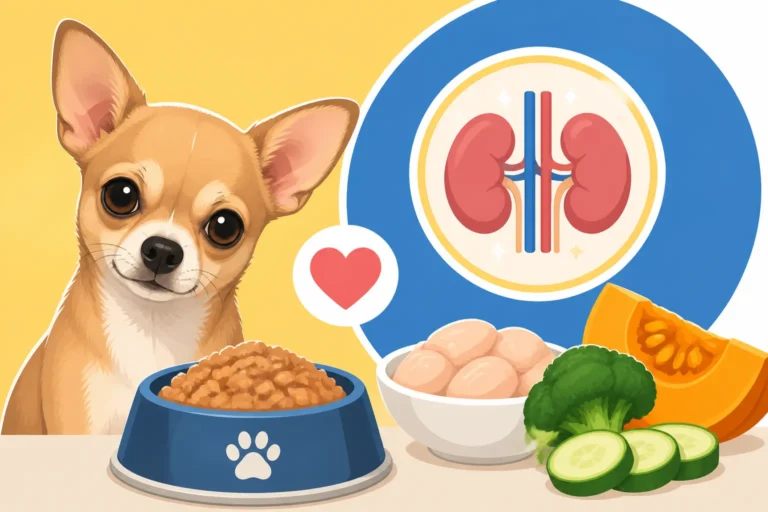
Beyond just calories, the type of food and additional supplements become more important for aging Chihuahuas. Many senior formulas include ingredients aimed at supporting joint health, such as glucosamine and chondroitin, and antioxidants to combat cellular aging. Some also have adjusted protein levels, depending on kidney health, or higher fiber for digestive regularity. If your Chihuahua has lost some teeth, or if their jaw is tender, a softer food – either wet food or kibble moistened with warm water – can make meal times much more comfortable.
Supplements, under veterinary guidance, can also play a vital role. Fish oil (omega-3 fatty acids) can help reduce inflammation, supporting joint health and skin/coat quality. Probiotics might be beneficial for maintaining a healthy gut, especially if your senior pup is on any long-term medications. However, always consult your vet before adding any supplements, as interactions and proper dosing for a tiny Chihuahua are critical. Services like Ollie can provide freshly prepared, portion-controlled meals tailored to a senior dog's specific needs, which can be a game-changer for picky eaters or those with sensitive stomachs. If your senior has lost molars, the article Feeding an Old Chihuahua That Has Lost Molars has helpful advice.
Hydration and Feeding Strategies
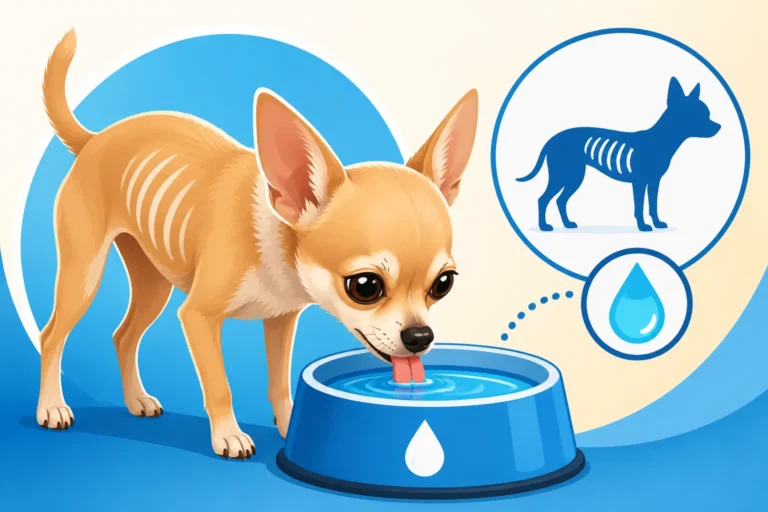
Hydration is incredibly important for senior Chihuahuas, especially as they may be more prone to kidney issues or simply drink less water due to decreased activity. Ensure fresh water is always available in multiple locations, and consider adding wet food to their diet or even a little low-sodium chicken broth to their water bowl to encourage drinking. Dehydration can quickly escalate into a serious problem for a small, aging dog.
When it comes to feeding, sticking to a consistent schedule is helpful. Some senior Chihuahuas benefit from smaller, more frequent meals throughout the day, which can help stabilize blood sugar and prevent an overwhelmed digestive system. If your pup has issues with stability or bending, consider elevated food and water bowls. This can alleviate strain on their neck and back, making eating and drinking more comfortable. Observe their eating habits closely; any sudden changes in appetite, refusal to eat, or difficulty chewing should prompt a vet visit.
Managing Common Health Challenges in Senior Chihuahuas
Living a long life often means encountering a few health hurdles along the way. Chihuahuas, despite their robust nature, are no exception. As they age, certain conditions become more prevalent, and proactive management is key to maintaining their quality of life.
Dental Disease in Aged Chihuahuas
Dental disease is hands-down one of the most pervasive and painful issues for senior Chihuahuas. Their tiny mouths are prone to overcrowding, which creates perfect pockets for plaque and tartar to build up. By the time they reach their senior years, many Chihuahuas have significant periodontal disease, leading to painful infections, loose teeth, and even jaw bone loss. This isn't just a mouth issue; chronic dental infections can seed bacteria throughout the bloodstream, impacting the heart, kidneys, and liver.
Regular professional dental cleanings under anesthesia are vital, even in older dogs. Your vet will assess their overall health to ensure they're a good anesthetic candidate. Between cleanings, daily brushing is the gold standard for prevention. It sounds daunting with a tiny dog, but with patience and positive reinforcement, it can become part of your routine. Soft toothbrushes and pet-specific toothpaste (never human toothpaste!) are essential. If you want to learn more, read Chihuahua Dental Disease in a Crowded Small Jaw.
Heart and Kidney Health Concerns
As Chihuahuas age, two vital organs often bear the brunt of time: the heart and the kidneys. Mitral valve disease (MVD) is particularly common in small breeds, where the heart valve thickens and leaks, leading to a heart murmur and potentially congestive heart failure. Early detection through regular vet check-ups, which include listening to their heart, is crucial. If a murmur is detected, further diagnostics like an echocardiogram might be recommended to stage the disease.
Kidney disease is another silent threat, as kidneys gradually lose their ability to filter waste over time. Symptoms often don't appear until the disease is quite advanced. Regular blood and urine tests, especially as your Chihuahua enters their senior years, can detect early changes. Management often involves specialized prescription diets that support kidney function and careful hydration. Keeping up with these regular screenings can make a huge difference in catching these conditions early and managing them effectively. You can learn more about this by reading Chihuahua Heart Disease as the Breed Ages.
Arthritis and Joint Pain
Arthritis is an inevitable part of aging for many dogs, and Chihuahuas are no exception. Years of activity, even for a tiny dog, can lead to wear and tear on their joints. You might notice stiffness, reluctance to jump, a slower gait, or even changes in temperament due to chronic discomfort. Patellar luxation, a common knee problem in Chihuahuas, can also worsen with age, contributing to arthritis.
While arthritis can’t be cured, it can be managed effectively to keep your senior Chihuahua comfortable. This often involves a multi-modal approach: weight management (as mentioned, crucial!), joint supplements, anti-inflammatory medications prescribed by your vet, and gentle exercise. Warm compresses on stiff joints or a heated bed can also provide soothing relief. Keeping them comfortable and mobile is key to maintaining their quality of life. Explore Chihuahua Arthritis in the Teenage Years for more insights into this common ailment.
| Common Senior Chihuahua Health Concerns | Signs to Watch For | Management Strategies |
|---|---|---|
| Dental Disease | Bad breath, red gums, difficulty eating, pawing at mouth | Daily brushing, professional cleanings, dental chews |
| Heart Disease | Coughing (especially at night), lethargy, decreased stamina, swollen belly | Regular vet checks, medication, specialized diet, weight control |
| Kidney Disease | Increased thirst/urination, appetite loss, weight loss, vomiting | Regular blood/urine tests, prescription diet, hydration |
| Arthritis | Stiffness, limping, reluctance to jump/play, pain on touch | Weight management, joint supplements, pain medication, ramps |
| Cognitive Dysfunction | Disorientation, house-soiling, altered sleep cycles, reduced interaction | Mental stimulation, routine, supplements, specific medications |
Adapting the Home Environment for Comfort and Safety
As your Chihuahua ages, their home environment, once perfectly suited to their youthful exuberance, might need a few thoughtful modifications. What was once an easy jump might now be a painful leap. Their decreasing senses and mobility require a safer, more accessible, and comfortable living space. These adjustments can significantly improve their daily life and prevent injuries.
Creating a Safe and Accessible Space
The goal is to eliminate hazards and make movement easier. Think about where your Chihuahua spends most of their time. Are there slippery floors that could cause a fall? Rugs or runners can provide much-needed traction. Are they still trying to jump on and off furniture? Invest in dog ramps or pet stairs for beds and sofas. This simple addition can prevent injuries to their fragile joints and back, especially if they have conditions like patellar luxation or disc disease. Amazon and Chewy offer a wide variety of ramps and steps designed for small breeds, making it easy to find one that fits your home and your Chihuahua's needs.
Also, consider their access to essentials. Ensure food, water, and potty areas are easily reachable without navigating stairs or obstacles. If their eyesight is failing, try to keep furniture in consistent locations to minimize confusion and collisions. Block off areas that might pose a danger, like steep staircases, with baby gates. These small changes create a much less stressful and safer environment for your senior companion. For more ideas on how to help your senior move around the house, read Mobility Help for a Fifteen Year Old Chihuahua.
Temperature Regulation and Comfort
Chihuahuas, with their minimal body fat and sometimes thin coats, are notoriously susceptible to cold, and this only becomes more pronounced with age. Senior dogs have a harder time regulating their body temperature, making them more vulnerable to drafts and chilly indoor temperatures. A cold environment can also exacerbate arthritis pain, making them even stiffer and more uncomfortable.
Provide plenty of warm, soft bedding in easily accessible spots around the house. Consider orthopedic beds that offer extra support for aching joints. Heated beds, specifically designed for pets, can be a godsend during colder months, but ensure they are used safely and don't get too hot. Sweaters and coats are not just for fashion; they provide essential warmth for your senior Chihuahua, especially when going outside or even just lounging indoors in a cooler room. Keep their primary living spaces consistently warm and free from drafts.
Enhancing Mobility Aids
Beyond ramps and orthopedic beds, other mobility aids can make a significant difference for Chihuahuas experiencing advanced mobility issues. For those with hind leg weakness, a supportive sling can help you assist them when walking outdoors or navigating short distances. Nail trims are critical to ensuring good foot traction, as overgrown nails can make walking painful or awkward. If you’re not comfortable trimming nails, your vet or a professional groomer can help.
For Chihuahuas with significant weakness or balance problems, specialized harnesses designed to support their entire body can be invaluable during walks, reducing strain on your back while giving them confidence. Some advanced cases might even benefit from pet wheelchairs or carts, though these are less common for very tiny breeds. The key is to continuously assess their needs and be open to exploring solutions that enhance their independence and comfort as their bodies change.
Maintaining Mental Stimulation and Emotional Well-being
It’s easy to focus solely on the physical aspects of senior care, but a Chihuahua’s mental and emotional health are just as vital to their overall well-being. An aging mind and spirit still need engagement, love, and understanding to thrive. Ignoring these aspects can lead to boredom, anxiety, and even accelerate cognitive decline.
Engaging the Aging Mind
Just because your Chihuahua isn't tearing around the house like a puppy doesn't mean their brain should sit idle. Mental stimulation is incredibly important for senior dogs, helping to keep their cognitive functions sharp and preventing boredom. Puzzle toys that dispense treats can be a fantastic way to engage their problem-solving skills, even if they move a little slower. Rotate toys frequently to keep things novel and interesting.
Short, gentle training sessions, reviewing basic commands they already know, can also be mentally enriching. It’s a wonderful way to reinforce your bond and give them a sense of purpose. Even if their eyesight or hearing isn't what it once was, their sense of smell often remains keen. Scent games, like hiding treats around a room for them to find, are excellent for engaging their natural instincts without putting stress on their bodies. These activities don't need to be strenuous; they just need to be engaging.
Addressing Cognitive Decline
Just like humans, Chihuahuas can experience cognitive decline, often referred to as Canine Cognitive Dysfunction (CCD), as they age. This can manifest in a variety of ways: disorientation (getting "stuck" in corners, staring blankly), changes in sleep-wake cycles (pacing at night, sleeping all day), altered interactions (less enthusiasm, increased irritability), and house-soiling accidents. It can be heartbreaking to see your sharp, bright companion become confused.
If you suspect CCD, talk to your vet. There are medications and dietary supplements that can help manage the symptoms and slow the progression of cognitive decline. Establishing a consistent routine, especially for feeding and potty breaks, can provide comfort and reduce anxiety for a confused senior. Providing a quiet, predictable environment can also help. Most importantly, be patient and understanding; they aren't "misbehaving," their brain is simply changing. Cognitive Decline in an Aging Chihuahua offers more detailed information on this topic.
Nurturing Emotional Bonds
The emotional bond you share with your Chihuahua is a lifelong treasure, and it deepens even further in their senior years. They may become more reliant on you for comfort, security, and reassurance. Maintaining this strong emotional connection is paramount to their well-being. Continue to provide plenty of gentle affection, soft petting, and reassuring words. Spend quiet time together, whether it’s cuddling on the sofa or just having them by your feet while you work.
Consider their social interactions. While they might not enjoy boisterous play with other dogs as much, calm, supervised interactions with trusted, gentle canine friends can still be beneficial. Protect them from overly enthusiastic puppies or large dogs that might accidentally injure them. Your presence, your voice, and your touch are incredibly comforting to an aging Chihuahua, and these simple acts of love can significantly boost their emotional health and overall quality of life.
Routine Veterinary Care and Proactive Health Screening
One of the most critical components of senior Chihuahua care is a robust, proactive veterinary care plan. As dogs age, health issues can arise quickly and progress rapidly. Regular vet visits and targeted health screenings become indispensable tools for early detection and intervention, often making a significant difference in managing chronic conditions and extending their healthy lifespan.
Increased Frequency of Vet Visits
While adult Chihuahuas typically visit the vet once a year for their annual check-up, this frequency needs to increase as they enter their senior years. Most veterinarians recommend twice-yearly (every six months) check-ups for senior dogs. This allows for more frequent monitoring of their weight, vital signs, and overall physical condition. It also provides more opportunities to catch subtle changes that might indicate the onset of a new health issue or the progression of an existing one.
During these visits, your vet can perform thorough physical exams, discuss any behavioral or physical changes you've observed, and recommend necessary preventive care or diagnostic tests. These more frequent visits are not just about reacting to problems, but proactively looking for them before they become serious. They are an investment in your Chihuahua's comfort and longevity. For guidance on how often to visit the vet, check out Vet Visit Frequency for a Chihuahua Past Twelve.
Essential Diagnostic Tests
Beyond the physical exam, certain diagnostic tests become essential for senior Chihuahuas. Regular blood work is incredibly important, typically recommended annually or semi-annually. This can include a complete blood count (CBC) to check for anemia or infection, and a chemistry panel to assess organ function, particularly the kidneys and liver. These tests can reveal issues long before clinical symptoms appear, allowing for earlier intervention.
Urinalysis is another key test, providing insights into kidney function, hydration status, and potential urinary tract infections. Blood pressure checks are also advisable, as hypertension can impact various organs, especially the kidneys and heart. Depending on your Chihuahua's specific health profile or any symptoms, your vet might also recommend chest X-rays to monitor heart and lung health, or even an echocardiogram to assess heart valve function. These tests provide a comprehensive picture of their internal health. To understand more about these tests, refer to Bloodwork on a Chihuahua Past Fourteen.
Managing Medications
As your Chihuahua enters their teenage years, it’s highly probable they will be on some form of medication, whether it’s for arthritis, heart disease, kidney support, or cognitive dysfunction. Managing multiple medications can feel overwhelming, especially with the tiny dosages required for a Chihuahua. It’s crucial to maintain a strict schedule and ensure proper administration.
Always follow your vet's instructions precisely regarding dosage and frequency. Never stop or adjust medication without consulting them. Using a pill organizer designed for humans can be helpful for keeping track of daily doses. For Chihuahuas that are tricky to medicate, your vet might suggest compounding pharmacies that can flavor medications or create liquid formulations. Remember, consistency is key to the effectiveness of these treatments, and your diligence can greatly improve their quality of life.
Addressing Mobility and Joint Support
Mobility is often one of the first things to decline in senior Chihuahuas, as arthritis, joint pain, and muscle weakness set in. Watching your once spry companion struggle can be heartbreaking, but there are many strategies to support their joint health and keep them moving comfortably for as long as possible.
Gentle Exercise and Physical Therapy
While your senior Chihuahua won't be jogging marathons, maintaining an appropriate level of gentle exercise is still vital. Regular, short, low-impact walks are excellent for keeping muscles strong, maintaining joint flexibility, and preventing stiffness. A 10-15 minute stroll around the block a couple of times a day can be far more beneficial than one long, strenuous outing. Pay close attention to their cues and don't push them if they seem tired or uncomfortable.
For Chihuahuas with significant joint issues, physical therapy might be recommended by your vet. This could include controlled exercises, therapeutic massage, or even hydrotherapy (underwater treadmill). These specialized therapies can improve strength, balance, and range of motion without putting excessive strain on their bodies. Discuss these options with your vet, especially if their mobility is significantly impacting their daily life.
Pain Management and Comfort Solutions
When gentle exercise and supplements aren't enough, pain management becomes a crucial aspect of senior care. Your vet can prescribe non-steroidal anti-inflammatory drugs (NSAIDs) or other pain medications specifically formulated for dogs. These can significantly improve comfort and mobility, but often require regular monitoring of kidney and liver function through blood tests.
Beyond medication, there are many comfort-focused solutions. Acupuncture and laser therapy are alternative treatments that some owners find beneficial for chronic pain. Warm compresses on aching joints can provide temporary relief, and ensure your Chihuahua has soft, supportive bedding that alleviates pressure points. Consider their daily routine; can you minimize stairs or slippery surfaces they need to navigate? Every small step towards reducing pain contributes to a happier, more mobile senior.
Supporting Weakness and Instability
As Chihuahuas get older, muscle mass can naturally decline, leading to generalized weakness and instability. This can be particularly noticeable in their hind legs, making them wobbly or prone to slipping. Beyond the physical adaptations to your home, there are practical tools to help them. Grip socks or booties can provide extra traction on smooth floors, preventing falls that could lead to serious injury.
If they have significant hind end weakness, a supportive harness with a handle, such as those often available from brands like Amazon, can allow you to gently assist them in standing up, going up stairs, or when they need a little extra stability during walks. For advanced cases of weakness or neurological issues, a specialist vet might recommend specific exercises or even a custom-fitted brace or mobility aid to provide external support. The goal is to keep them as independent and mobile as possible, safely.
End-of-Life Planning and Quality of Life
Facing the end of your beloved Chihuahua's life is perhaps the hardest part of being a pet parent. Given their exceptional longevity, this period might come after more than a decade and a half of companionship. It’s a profoundly emotional journey, but proactive planning and a clear focus on their quality of life can help ensure their final chapter is filled with comfort, dignity, and peace.
Assessing Quality of Life
When a Chihuahua is living into its teenage years, the question of quality of life becomes central. This isn't about prolonging life at all costs, but about ensuring that their remaining time is truly good. It involves honestly assessing their comfort, happiness, and ability to engage in activities they once enjoyed. Consider their "good days" versus "bad days." Are they still eating? Are they experiencing significant pain that isn't controlled by medication? Are they still able to enjoy their favorite cuddles or a gentle stroll?
A quality of life assessment should involve your veterinarian, who can provide an objective medical perspective and help you evaluate pain levels, disease progression, and treatment options. It’s a continuous conversation, not a one-time decision. This assessment allows you to monitor their well-being closely and make informed choices when the time comes. This deep dive into their well-being is covered in Quality of Life in a Chihuahua's Final Year.
Making Difficult Decisions
The time inevitably comes when medical treatments can no longer maintain an acceptable quality of life. This is perhaps the most difficult decision a pet owner will ever face. It's often accompanied by profound grief, guilt, and uncertainty. Remember that making the choice to end suffering is the ultimate act of love and compassion for your pet.
Discuss all options thoroughly with your vet, including hospice care if available, to ensure you've explored every avenue. When it is time, consider options for euthanasia, such as in-home services, which can provide a peaceful, familiar setting for your Chihuahua's final moments. Allow yourself to grieve; the bond with a Chihuahua, especially one who has been with you for so many years, is incredibly powerful, and losing them leaves a significant void. Additional guidance can be found in End-of-Life Decisions for a Long-Lived Chihuahua.
Supporting Your Senior Through Their Final Chapter
During their final chapter, whether it’s weeks or months, your role is to provide maximum comfort, love, and security. Keep their environment calm and predictable. Maintain their routine as much as possible, as familiarity is comforting. Ensure their favorite bed, blankets, and toys are nearby. Offer tempting foods if their appetite is waning, but avoid pushing them to eat if they truly don't want to. Sometimes, just being present, offering gentle strokes and soft words, is the most important thing you can do.
Be prepared for increased care needs, which might include assisting with potty breaks, managing incontinence with doggy diapers, or helping them move around. This stage can be physically and emotionally demanding for you, but remember that every effort contributes to their comfort. Cherish these final moments, knowing that the love and care you provide will carry them peacefully through their last days. The memories you've created together will last a lifetime.
Disclaimer
This article is for general informational purposes only and does not constitute professional advice. Laws, prices and regulations vary by location and change over time. Consult a qualified professional for guidance on your specific situation.