Chihuahua Meal Timing Against Low Blood Sugar
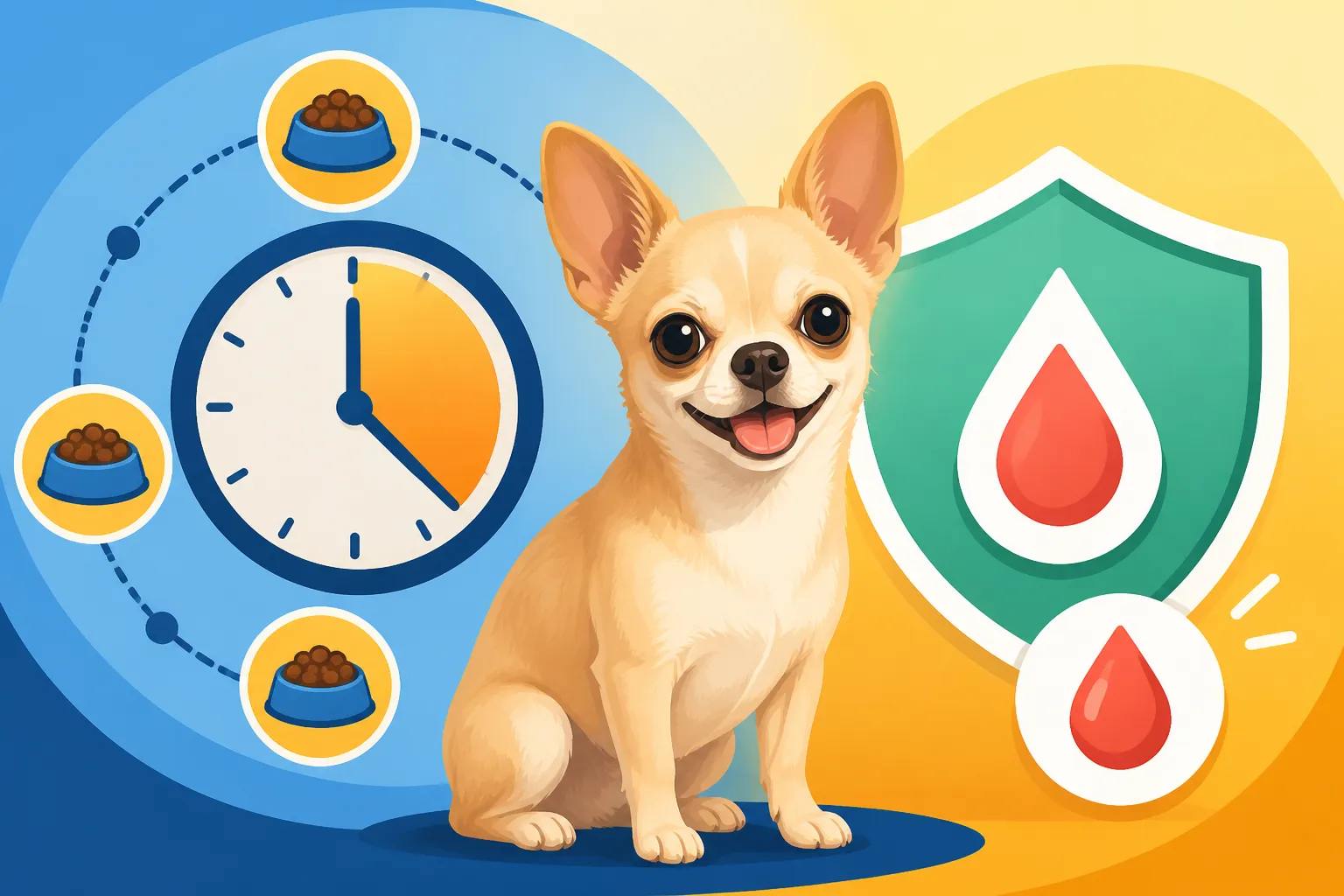
It’s a common scenario: you’re a proud Chihuahua parent, and you know these pint-sized pups have a metabolism that runs at warp speed. This can lead to a constant worry about low blood sugar, especially with a new puppy or an elderly companion. The fear of your tiny friend suddenly becoming lethargic or wobbly is a real and understandable concern. This comprehensive guide is here to demystify Chihuahua meal timing, helping you create a feeding schedule that actively prevents hypoglycemia and keeps your beloved little one healthy and energetic at every stage of their long life.
Understanding Chihuahua Hypoglycemia and Its Triggers
Living with a Chihuahua means always having an eye on their energy levels, and a big part of that is understanding their unique metabolism. Their tiny bodies, while incredibly efficient, don't have large reserves of energy, making them susceptible to sudden drops in blood sugar.
What Exactly is Hypoglycemia in Chihuahuas?
Hypoglycemia, in simple terms, is when your Chihuahua’s blood sugar (glucose) levels fall too low. Glucose is the primary fuel source for the brain and body, and without enough of it, serious symptoms can arise. For Chihuahuas, particularly puppies or those under five pounds, this isn’t just a minor dip; it can quickly become a medical emergency. Their small liver size means they have fewer glycogen stores – the body's reserve glucose – compared to larger breeds. Think of it like a fuel tank: a Chihuahua's tank is tiny, and it empties much faster, especially if they haven’t eaten in a while or have exerted themselves. This vulnerability makes consistent meal timing not just good practice, but a critical part of their daily care. Many owners experience that sudden fear when their normally bouncy pup suddenly seems distant or slow, and it’s often their brain crying out for glucose. Knowing the signs and prevention is key to avoiding panic. You can learn more about this urgent condition in Chihuahua Hypoglycemia and the Puppy Emergency.
Common Triggers Beyond Just Missing a Meal
While skipping a meal is the most obvious culprit, several other factors can plunge a Chihuahua into hypoglycemia. Stress is a huge one; a new environment, a trip to the vet, or even a loud, busy household can cause their small systems to burn through glucose reserves at an accelerated rate. Imagine bringing home a new puppy, full of nerves and new sights and sounds – their little body is working overtime, depleting energy stores rapidly. Cold weather or being chilled can also trigger a drop, as their body expends energy to maintain warmth. That’s why you often see Chihuahuas shivering, not just from cold, but from stress or even low blood sugar. Over-excitement, prolonged play, or even a sudden burst of intense exercise can also deplete their glucose. Consider a long play session at the dog park, even with appropriately sized playmates. Their boundless energy can quickly outstrip their body’s ability to maintain stable blood sugar. It's truly amazing Why a Chihuahua Runs Out of Blood Sugar So Fast. Even a sudden change in diet or an underlying health issue can affect their glucose metabolism. Recognizing these triggers helps you anticipate and prevent potential crashes, rather than just reacting to them.
The Critical Importance of Consistent Meal Timing for Puppies
Chihuahua puppies are adorable bundles of energy, but their vulnerability to hypoglycemia is highest in their first few months. Establishing a strict, consistent feeding schedule during this time is paramount for their survival and healthy development.
The First Twelve Weeks: A Strict Feeding Schedule
When you bring home a Chihuahua puppy, especially one under 12 weeks old or weighing less than three pounds, your primary focus, alongside cuddling, should be their feeding schedule. These tiny babies have underdeveloped livers and an incredibly fast metabolism, meaning they can go from energetic to critically low blood sugar in a surprisingly short amount of time. We’re talking about feeding them every 2 to 4 hours during the day, and sometimes even a small late-night snack right before you go to bed, or even an overnight meal for the smallest, most vulnerable pups. This might sound like a lot, but it’s what keeps their little systems stable. Think of it as a constant drip-feed of fuel. Each meal will be tiny, just a tablespoon or two of nutrient-dense puppy food. Many new owners feel overwhelmed by this, wondering if they're doing it right or if their puppy is eating enough. It's completely normal to feel that anxiety, but sticking to this routine is literally life-saving for them. A precise feeding schedule is the best defense against Chihuahua Hypoglycemia in the First Twelve Weeks. Having a kitchen scale to accurately weigh their food, even for these tiny portions, can provide immense peace of mind.
Graduating to Fewer Meals: Three to Four Times a Day
As your Chihuahua puppy grows past 12-16 weeks and gains some weight, typically reaching around three to four pounds, you can gradually start to extend the time between meals. This doesn't mean skipping meals, but rather consolidating the tiny, frequent meals into slightly larger, still frequent ones. A common progression is to move to four meals a day, and then eventually to three. For example, a morning meal, a lunch, an afternoon snack, and a dinner. Always monitor your puppy closely during these transitions. Are they still energetic? Are they finishing their meals? Any signs of lethargy, trembling, or a lack of interest in play should prompt you to offer a small meal immediately and consider reverting to more frequent feedings. It’s a delicate balance, and every puppy is different. Some might handle the transition to fewer meals sooner, while others need that extra mealtime for longer. Don't rush it. It's not about convenience; it's about their well-being. Knowing How Often a Chihuahua Puppy Must Eat is crucial for their growth and development.
Establishing an Optimal Adult Chihuahua Feeding Schedule
Once your Chihuahua reaches adulthood (typically around 9-12 months), their metabolism stabilizes somewhat, but they still benefit greatly from a consistent feeding schedule to maintain steady blood sugar levels throughout the day.
Two to Three Meals: Finding the Right Balance for Your Dog
For most adult Chihuahuas, two to three meals a day works best. A common schedule might be breakfast, and then dinner. However, for smaller Chihuahuas (under five pounds), those with higher activity levels, or individuals prone to even mild dips in energy, a third meal around midday can be a game-changer. This isn't just about preventing a full-blown hypoglycemic crisis; it's about maintaining consistent energy and mood. A Chihuahua who gets hungry can become grumpy, nippy, or lethargic, and sometimes owners mistake this for a behavioral issue when it’s simply low blood sugar manifesting. Consider your dog's lifestyle: is your Chihuahua a couch potato or a regular adventurer? Does he play vigorously with other small dogs, or does he mostly nap on your lap? A more active dog will naturally burn through calories faster. Offering Three Small Meals a Day for a Chihuahua can often lead to a happier, more stable little companion with fewer behavioral quirks. Observe your dog’s natural rhythm and adjust accordingly. If they seem ravenous before dinner, or experience an energy slump in the afternoon, a midday meal is likely a good idea.
The Role of Evening Meals in Preventing Overnight Crashes
The period overnight is often the longest stretch a Chihuahua goes without food, making the evening meal incredibly important. A final meal or substantial snack before bedtime helps sustain their blood sugar levels through the night, preventing those unsettling early morning wobbles or extreme hunger. Imagine going 10-12 hours without food when your body is only four or five pounds and burns through fuel quickly – it’s a long time! For some Chihuahuas, a small, easily digestible carbohydrate-rich snack right before you turn out the lights can make all the difference. This isn't about giving them a huge portion, but a little something to tide them over. Yogurt, a tiny bit of cooked sweet potato, or even a small piece of their regular kibble can work wonders. This strategy is especially critical for those Chihuahuas who tend to wake up sluggish or seem particularly prone to shivering in the morning. Many owners worry about late-night feeding and house training, but a small snack usually won't cause issues, and the benefit of stable blood sugar far outweighs the minor risk. This practice of Feeding a Chihuahua Before Bed to Hold Blood Sugar is a simple yet powerful preventive measure.
Navigating Special Circumstances and Dietary Adjustments
Life isn't always predictable, and neither are a Chihuahua's health needs. There will be times when their regular meal schedule needs thoughtful adjustments to accommodate illness, increased activity, or the inevitable changes that come with aging.
Illness, Stress, and Appetite Loss
When your Chihuahua isn't feeling well, whether it's a stomach upset, a dental issue, or another illness, appetite loss can quickly become a serious concern due to their small size and propensity for hypoglycemia. This is where flexibility and persistence become vital. Your vet might recommend special recovery diets that are highly palatable and easily digestible. Offering smaller, more frequent meals throughout the day can often entice a sick Chihuahua to eat when a large meal is too daunting. Warming their food slightly can also enhance its aroma and appeal. If they refuse to eat their regular food, try tempting them with bland options like boiled chicken breast (shredded finely) or plain rice, or even a tiny amount of wet food. Products like those found on Chewy often have a good selection of sensitive stomach formulas or recovery diets. For Chihuahuas with severe appetite loss, your vet might even suggest syringe-feeding a liquid recovery formula or using a glucose supplement to prevent a blood sugar crash. Remember, during any illness, stress, or period of appetite loss, the immediate priority is to get some calories into them, even if it's not their usual meal. Having Emergency Sugar for a Collapsing Chihuahua Puppy on hand is paramount for these situations. Always consult your veterinarian for guidance on managing illness and appetite changes.
Exercise and High-Activity Days
While Chihuahuas aren't known for being marathon runners, they are incredibly active little dogs, especially when they're playing with enthusiasm or accompanying you on longer walks. On days when your Chihuahua has more physical activity than usual, their caloric and energy needs increase, and their blood sugar can drop faster. It’s wise to consider an extra small snack before or immediately after prolonged play or a brisk walk. For instance, if you're heading out for a longer-than-usual park visit, a tiny piece of cheese or a few training treats can provide a quick energy boost beforehand. Afterward, ensure their next meal isn't too far off. If your Chihuahua participates in agility or other dog sports, coordinating their meals to fuel their activity is even more critical. It’s not about overfeeding; it’s about strategic fueling. Monitoring their energy levels and offering a small, easily digestible carbohydrate snack when you anticipate higher energy expenditure can prevent fatigue and low blood sugar. This proactive approach to Chihuahua Meal Timing Around Exercise helps maintain their peak performance and prevents unwanted crashes.
Older Chihuahuas and Changing Metabolic Needs
As Chihuahuas age into their senior years (typically past the age of eight or nine), their bodies undergo various changes that can impact their metabolism and dietary needs. Some senior Chihuahuas might become less active, requiring slightly fewer calories overall, but others may develop health conditions that necessitate more careful meal timing. Conditions like kidney disease, heart disease, or even cognitive decline can affect appetite and glucose regulation. For an older Chihuahua, going long periods without food might become difficult, as their ability to regulate blood sugar can be less efficient. This might mean reverting to smaller, more frequent meals, perhaps three or even four times a day, to keep their energy levels stable and prevent stomach upset. They may also need softer foods, especially if dental disease is a factor. Companies like Ollie, which offer fresh, pre-portioned meals, can be excellent for older Chihuahuas, as the food is often highly palatable and easy to digest, and the portions can be precisely managed. Always pay close attention to your senior Chihuahua's appetite, weight, and energy. A sudden change warrants a vet visit, as it could indicate an underlying health issue. Proper Senior Chihuahua Care Past the Age of Twelve often involves these thoughtful adjustments to their feeding routine.
Practical Tips for Managing Meal Timing and Preventing Hypoglycemia
Effective meal timing for Chihuahuas goes beyond just when you feed them; it also involves how and what you feed them, alongside having the right tools and strategies in place.
Precise Portion Control and Consistent Food Choices
Because Chihuahuas are so small, even a slight miscalculation in food quantity can have a big impact. "Eyeballing" portions with a measuring cup is rarely accurate enough for a Chihuahua's tiny caloric needs. Investing in a small digital kitchen scale is one of the best tools a Chihuahua owner can have. This allows you to weigh out your dog's food precisely to the gram, ensuring they get exactly the right amount of calories at each meal, preventing both underfeeding (and thus hypoglycemia risk) and overfeeding (leading to obesity, which brings its own set of health problems). You can find reliable scales easily on Amazon. Consistency in food choice is also important. Frequent changes in diet can upset a Chihuahua's sensitive stomach, leading to digestive issues that can, in turn, affect nutrient absorption and blood sugar. Find a high-quality food that agrees with your Chihuahua and stick with it. If you do need to switch foods, do so gradually over several days to a week. For puppies especially, a high-quality puppy kibble specifically designed for small breeds is essential, as it will be calorie-dense and have appropriately sized pieces. Learning Weighing Chihuahua Food on a Kitchen Scale will make a huge difference in managing their daily intake.
The Lifesaving Role of Glucose Supplements
Despite your best efforts, sometimes a Chihuahua's blood sugar can still dip unexpectedly. This is why having a glucose supplement readily available in your home and in your travel bag is absolutely critical. Glucose gel, like Nutri-Cal or a similar product, is highly concentrated sugar that can be quickly absorbed through the gums. In an emergency, if your Chihuahua is showing signs of low blood sugar (lethargy, trembling, confusion, unresponsiveness), rubbing a small amount of this gel onto their gums can provide a rapid, life-saving boost. If you don't have glucose gel, honey or Karo syrup can serve as a temporary substitute. The key is to apply it directly to the gums, not to try and get them to swallow it, especially if they are unresponsive. This isn't a cure, but a critical first aid measure to stabilize them while you contact your veterinarian. Always follow up with a vet visit, even if your Chihuahua seems to recover quickly, to identify the underlying cause and ensure there are no lasting effects. Keeping Glucose Gel for a Chihuahua at Home is something every Chihuahua owner should do. Chewy and Amazon both carry a variety of glucose gels and high-calorie nutritional pastes for small dogs.
Creating a Feeding Routine That Works for Your Lifestyle
While consistency is key, that doesn't mean your life has to revolve solely around your Chihuahua's meal times. There are practical ways to integrate their feeding schedule into your daily routine. If you work from home, a midday meal is usually easy to manage. If you work outside the home, consider automatic feeders that can dispense a small portion at a set time, or enlist a trusted family member or pet sitter for that midday snack. Preparing portions in advance can also save time – measure out your Chihuahua's daily food ration in the morning and split it into the appropriate number of small containers for the day. For those who choose fresh food delivery services like Ollie, the meals often come pre-portioned, simplifying the process immensely. Don't be afraid to experiment with slight timing adjustments to find what truly fits your household's rhythm. The goal is consistent timing every day, not necessarily rigid adherence to a specific hour if it causes undue stress. The important thing is that the gaps between meals don't become excessively long, and your Chihuahua never feels deprived or experiences a significant energy dip.
Monitoring for Signs of Low Blood Sugar and What to Do
Even with the best preventative measures, it's vital to know how to recognize the signs of hypoglycemia and respond quickly. This knowledge can literally save your Chihuahua's life.
Recognizing the Early Warning Signs
The signs of low blood sugar in a Chihuahua can progress rapidly, so early recognition is paramount. Initially, you might notice subtle changes: your normally lively pup might seem unusually quiet, less interested in playing, or simply a bit "off." As blood sugar drops further, you'll likely see trembling or shivering, which can be mistaken for being cold or nervous, but if it's accompanied by other symptoms, it's a red flag. They might become wobbly or uncoordinated, as if they’re drunk, struggling to walk in a straight line or even collapsing. Their gums might appear pale, and their eyes might look glazed or vacant. In severe cases, they can become disoriented, unresponsive, have seizures, or even fall into a coma. It’s a frightening experience for any owner to witness Trembling and Weakness in a Chihuahua Puppy. Remember, because their reserves are so small, these symptoms can escalate quickly. Trust your gut – if your Chihuahua just doesn't seem right, don't wait. It's always better to be overly cautious when it comes to their blood sugar.
Emergency Response Steps
If you suspect your Chihuahua is experiencing hypoglycemia, you need to act immediately. First, and most importantly, get sugar into them. The fastest way is to rub a small amount of glucose gel (or honey/Karo syrup) directly onto their gums. Don't try to force them to eat or drink if they're disoriented or seizing, as this can lead to choking. Just a pea-sized amount rubbed on the gums is often enough for rapid absorption. While you're doing this, try to keep them warm; wrap them in a blanket or hold them close to your body, as being cold can worsen hypoglycemia. Once you've administered the sugar and they've shown some improvement (even slight), contact your veterinarian right away. Even if they seem to perk up completely, a vet visit is crucial to determine why the blood sugar dropped and to rule out any underlying health issues. Your vet might want to perform blood tests or recommend further observation. Don't assume the crisis is over just because they've had some sugar. Knowing Rubbing Syrup on a Chihuahua Puppy's Gums is a critical skill for all Chihuahua owners.
Long-Term Management and Veterinary Partnership
Preventing recurring episodes of hypoglycemia requires a proactive approach and a strong partnership with your veterinarian. If your Chihuahua has experienced a low blood sugar episode, your vet will want to thoroughly investigate the cause. This might involve blood work to check for underlying conditions like liver shunts, pancreatic issues, or severe infections. They may also recommend dietary changes, such as a different food formula, or more frequent, smaller meals tailored to your dog's specific needs. For some Chihuahuas, especially those with chronic issues, your vet might prescribe daily nutritional supplements or even medication. Regular check-ups are vital, particularly for puppies and seniors, to monitor their overall health and address any emerging concerns before they become critical. Don't hesitate to openly discuss your Chihuahua's eating habits, energy levels, and any worries you have with your vet. They are your best resource for creating a long-term management plan that ensures your tiny companion remains happy, healthy, and full of life.
| Chihuahua Age / Weight | Recommended Meal Frequency | Portion Control Method | Key Considerations |
|---|---|---|---|
| Puppy (8-16 weeks) / Under 3-4 lbs | Every 2-4 hours (day & night for smallest) | Digital kitchen scale (grams) | Highest hypoglycemia risk; small, frequent, nutrient-dense meals. |
| Juvenile (4-6 months) / 4-6 lbs | 3-4 meals per day | Digital kitchen scale (grams) | Transitioning to fewer meals; monitor energy closely. |
| Adult (6 months+) / 3-7 lbs | 2-3 meals per day | Digital kitchen scale (grams) | Most adults thrive on 2 meals; 3 meals for active, tiny, or sensitive dogs. |
| Senior (8+ years) / Any weight | 2-4 meals per day | Digital kitchen scale (grams) | May need more frequent, smaller, easily digestible meals due to health changes. |
Disclaimer
This article is for general informational purposes only and does not constitute professional advice. Laws, prices and regulations vary by location and change over time. Consult a qualified professional for guidance on your specific situation.