A Chihuahua Flinching When You Lift It
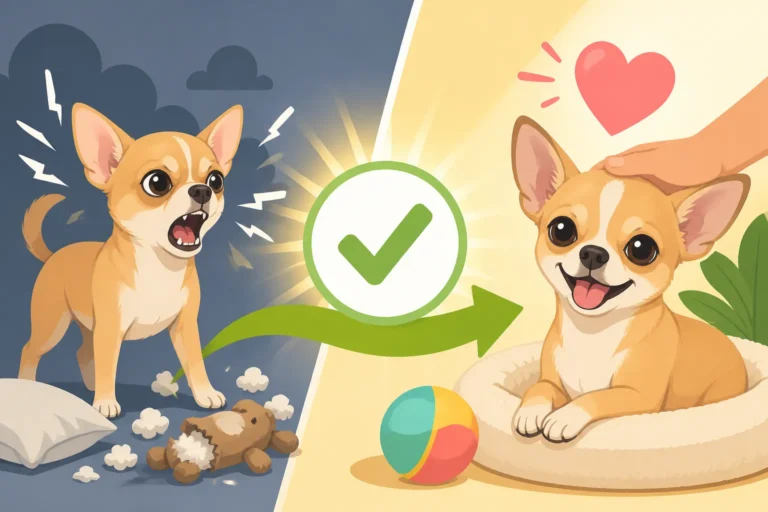
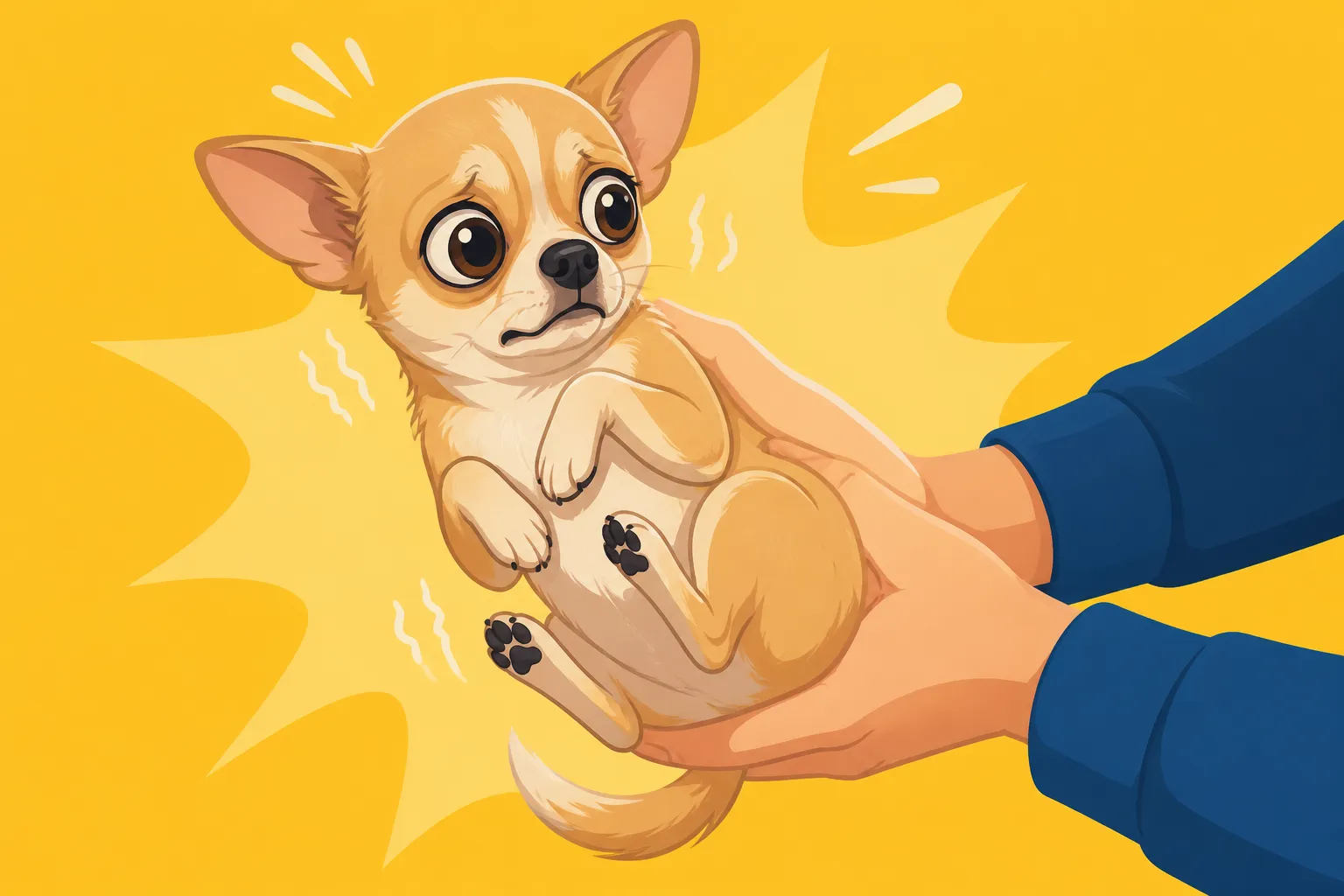
It’s heartbreaking to reach down to pick up your beloved Chihuahua, only to have them flinch, shy away, or even yelp in anticipation. This reaction can leave any devoted Chi parent feeling confused, hurt, and worried. It’s not just a minor behavioral quirk; it's a clear signal that something isn't right from your dog's perspective. This guide will explore the common reasons behind this sensitive behavior, help you understand what your tiny companion is trying to tell you, and provide actionable steps to rebuild trust and make handling a positive experience for both of you.
Understanding Why Your Chihuahua Flinches When Picked Up
When your Chihuahua flinches, it's not a personal rejection; it's a communication, and often, a cry for help. These little dogs are incredibly sensitive, both physically and emotionally, and their small size can lead to unique challenges that often go unnoticed or are mistakenly dismissed as "just a Chihuahua being a Chihuahua." Understanding the root cause is the first step toward a happier, more trusting relationship.
The Chihuahua's Innate Vulnerability and Fear Response
Imagine living in a world where everything is gigantic, and unpredictable giants regularly scoop you up. That's often a Chihuahua's reality. Their small stature makes them feel incredibly vulnerable to perceived threats, and being lifted, even by a loving owner, can trigger an instinctual fear response. They might feel off-balance, insecure, or simply overwhelmed by the sudden loss of ground contact. This isn't a sign of aggression; it's often a manifestation of fear, a survival mechanism honed over generations for tiny creatures in a big world. Think about how a rabbit might bolt if a shadow passes over it – it’s a similar, albeit less extreme, defensive instinct. Chihuahua Fear Reactivity, the Breed's Real Problem explains more about the breed's general reactivity.
This innate vulnerability is compounded by the fact that many Chihuahuas are not given the proper training and socialization that larger dogs receive. Owners, often out of protectiveness, may carry their Chihuahuas frequently, inadvertently teaching them that the world is a scary place they need to be lifted away from. This constant carrying can prevent a Chihuahua from developing confidence on its own four paws and can reinforce the idea that being picked up is necessary for safety, but not necessarily a pleasant experience in itself. Chihuahua Handling and Why Carrying Backfires delves into this more deeply.
Past Negative Experiences or Rough Handling
Unfortunately, sometimes a Chihuahua's flinching stems from less benign origins: a previous bad experience. This doesn't necessarily mean intentional abuse, but it could be accidental rough handling, a fall, or even an uncomfortable vet visit where they were handled forcefully. A child, meaning well, might have grabbed them too tightly. Another dog could have bumped them while they were being lifted. Even a single instance of being dropped, or being gripped awkwardly, can create a lasting negative association. These little dogs have long memories, especially when it comes to pain or fright.
Consider a scenario where a Chihuahua puppy, still figuring out its balance, was picked up quickly when startled by a loud noise, then perhaps accidentally jostled or dropped a short distance. While the human owner might quickly forget the minor incident, the puppy's sensitive nervous system registers the fright and physical discomfort, linking it directly to the act of being lifted. From then on, the mere anticipation of being picked up can trigger that memory, leading to the flinch. It becomes a learned response, a way for them to try and prevent a repeat of that uncomfortable moment.
Underlying Pain or Discomfort
Perhaps the most critical reason for a Chihuahua flinching is physical pain. Given their delicate bones and predisposition to certain orthopedic conditions, being picked up might genuinely hurt them. Even a slight twist or pressure on a sensitive area could cause significant discomfort for a dog weighing only a few pounds.
Common culprits for pain that might manifest during handling include:
- Patellar Luxation: A common knee problem where the kneecap slips out of place. Pressure on the legs or a slight twisting motion during a lift could be excruciating. Chihuahua Patellar Luxation, the Chihuahua's Commonest Joint Problem covers this extensively.
- Back or Neck Pain: Chihuahuas can suffer from intervertebral disc disease (IVDD) or other spinal issues, making any lifting motion that puts strain on their back or neck painful.
- Arthritis: Older Chihuahuas, just like older humans, can develop arthritis in their joints. This makes sudden movements or pressure on stiff joints very uncomfortable. Chihuahua Arthritis in the Teenage Years is a good resource for senior Chi care.
- Internal Organ Discomfort: Less common but possible, an issue with an internal organ, like a bladder stone, could cause pain if pressure is applied to the abdomen during a lift.
If your Chihuahua suddenly starts flinching when they never did before, or if the flinching is accompanied by other signs of pain (limping, reluctance to move, yelping, unusual aggression), a veterinary visit is absolutely essential. A small twinge for a larger dog can be a significant sharp pain for a tiny Chihuahua.
Decoding Your Chihuahua's Body Language and Pinpointing the Cause
Understanding why your Chihuahua flinches requires you to become a keen observer of their subtle cues. They communicate constantly, but their small size means their signals can be easy to miss if you're not specifically looking for them. Before you can address the behavior, you need to understand the message.
Subtle Signs Your Chihuahua is Uncomfortable
Chihuahuas use a whole vocabulary of non-verbal cues to express their discomfort. A flinch is just one of them. Before the actual flinch, you might see a sequence of other signals, often very quick and subtle, indicating their apprehension. Learning to read these can help you intervene before your dog feels the need to pull away.
Here's a table outlining common subtle signs of discomfort:
| Body Part | Signs of Discomfort/Anxiety |
|---|---|
| Eyes | "Whale eye" (white of eye showing), rapid blinking, wide-eyed, pupils dilated, avoiding eye contact |
| Ears | Pinned back flat against head, swiveling rapidly, twitching |
| Mouth | Lip licking, yawning (when not tired), tight closed mouth, panting when not hot |
| Head/Face | Head turned away, muzzle wrinkling, tense facial muscles |
| Body Posture | Crouching, lowering body, stiffening, shifting weight away, trembling, tail tucked low or between legs |
| Movement | Freezing, slow movement, reluctance to approach, walking away, displacement behaviors (scratching, sniffing ground) |
For example, before you even bend down, your Chihuahua might show a "whale eye," where the whites of their eyes are visible at the corners, indicating stress. They might lick their lips repeatedly, or turn their head slightly away as you approach. Their ears might flatten against their skull. If you then attempt to pick them up, the flinch is the culmination of these earlier, often ignored, signals. Paying attention to Reading a Chihuahua's Whale Eye can give you more insight into these specific signals. Recognizing these signs early allows you to pause, reassess your approach, and give your Chihuahua a moment to feel more secure. This respect for their boundaries can go a long way in building trust. Letting a Chihuahua Choose to Approach outlines how vital consent is for these little dogs.
The Importance of a Veterinary Check-Up
As mentioned, pain is a significant potential cause for flinching, and it's absolutely crucial to rule it out before embarking on any behavioral modification. If your Chihuahua has suddenly started flinching, or if the behavior seems to be worsening, a full physical examination by a veterinarian is your first and most important step. They can check for conditions like luxating patellas, back pain, dental issues that might be irritated by touch near the face, or other orthopedic problems.
During the vet visit, be sure to describe exactly when and how your Chihuahua flinches. Does it happen when you reach for their chest? Their rear end? When you try to lift them from the side versus from the front? These details can provide valuable clues to your vet about where the discomfort might be originating. For example, if they flinch when you touch their knee or back, it points directly to potential orthopedic issues. Your vet might recommend x-rays or other diagnostic tests to get a clearer picture. It’s also important to discuss any changes in their gait or activity levels, as these can also signal pain. A Chihuahua That Snaps Because Its Knee Hurts highlights how pain can dramatically alter a Chihuahua's behavior.
Rebuilding Trust and Teaching Consent for Handling
Once any underlying medical issues have been addressed and ruled out, you can focus on the behavioral aspect of the flinching. The goal isn't to force your Chihuahua to tolerate being picked up, but rather to teach them that being handled is a safe, positive, and even enjoyable experience that they have some control over. This is where positive reinforcement and respecting their choices truly shine.
Gentle Handling Techniques and Positive Associations
Rebuilding trust starts with making every interaction as positive and predictable as possible. Approach your Chihuahua slowly, speak in a soft, reassuring voice, and offer your hand for them to sniff before reaching for them. Instead of swooping them up suddenly, try a two-handed scoop that supports their entire body, especially their chest and hindquarters, making them feel secure. Avoid grabbing them under the armpits or by their delicate midsection. Asking Before You Lift a Chihuahua is a core principle to adopt.
The key to positive association is pairing the act of handling with something your Chihuahua loves. This could be a tiny, high-value treat (like a piece of cooked chicken or cheese, mindful of their calorie intake – Treats Small Enough for Chihuahua Training are essential) or a favorite toy.
Here's a step-by-step approach:
- Start Small: Don't go straight for a full lift. Begin by simply reaching out and gently stroking their side or back for a second, then immediately reward them with a treat and praise. Repeat this many times over several sessions.
- Increase Duration: Gradually extend the duration of the touch. Stroke for a few seconds, then reward.
- Introduce the Lift Cue: Once they are comfortable with prolonged touch, introduce a verbal cue like "Up!" or "Lift!" just before you gently scoop them up a few inches from the ground, hold for a second, then immediately put them down and reward heavily. The goal is to make the act of lifting itself predict something wonderful.
- Gradual Height and Duration: Slowly increase the height and duration of the lift, always putting them down and rewarding while they are still calm and happy. If they show any signs of discomfort (flinching, lip licking, pulling away), you've gone too far too fast. Go back a step.
Consistency is vital. Everyone in the household needs to use the same gentle techniques and positive reinforcement. If you're struggling, don't hesitate to seek guidance from a certified professional dog trainer. Programs like BAXTER & Bella can offer structured approaches to positive reinforcement training that can be incredibly helpful for building a Chihuahua's confidence.
Empowering Your Chihuahua with a Choice
One of the most powerful tools in rebuilding trust is giving your Chihuahua agency and choice. When a dog feels like they have some control over their environment and interactions, their anxiety often decreases dramatically. Instead of demanding they be picked up, invite them.
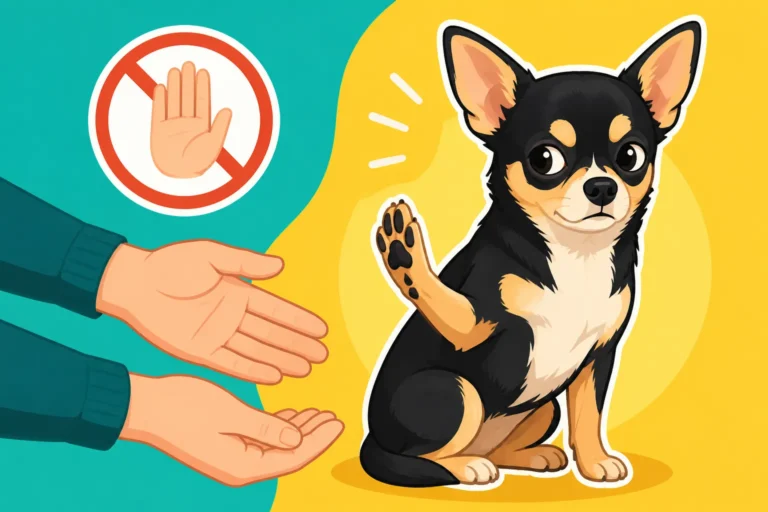
- "Consent Test": Present your open hands as if to scoop them up, but wait to see their reaction. If they lean into your hands, that's a positive sign. If they lean away, freeze, or show any subtle signs of discomfort, respect their "no" and don't force the interaction. Instead, try to lure them into your hands with a treat, associating the action with something good on their terms.
- Target Training: Teach your Chihuahua to target your hand or a specific pad. Once they consistently target, you can use this as a way to get them to step into your hands when you're ready to lift them. This makes the lift their choice, not a surprise.
- Use a Ramp or Steps: If your Chihuahua needs to get on furniture, consider providing a ramp or steps rather than always lifting them. This gives them independence and reduces the number of times they have to be picked up, saving those lifts for when it's truly necessary and when they're more comfortable.
The more you respect your Chihuahua's boundaries and communicate clearly, the more they will learn to trust that you are not going to do anything to them that they don't want or that will hurt them. This doesn't mean you can never pick them up; it means you build a foundation where they want to be picked up because they associate it with safety, comfort, and rewards.
Tools and Training Aids to Support Confident Handling
While positive reinforcement and gentle techniques are paramount, certain tools and training aids can significantly support your efforts in making handling a positive experience for your Chihuahua. These aids are designed to enhance safety, improve communication, and even reduce the physical discomfort often associated with lifting.
Harnesses and Carriers for Safer Lifting
For a Chihuahua, a good harness is more than just a fashion statement; it's a critical piece of safety equipment. Using a harness rather than a collar is essential for protecting their delicate trachea, especially when walking or being gently guided. When it comes to lifting, a well-fitting harness can provide a secure point of contact that reduces direct pressure on sensitive areas.
- Harness Type: Opt for a Y-front or H-style harness that distributes pressure across their chest and shoulders, rather than putting strain on their neck or throat. Look for lightweight, breathable materials. There are many excellent options available on platforms like Amazon. Ensure the harness fits snugly but allows for full range of motion. Harness Fitting on a Chihuahua Chest can guide you on selecting the right one.
- Using a Harness for Lifting: You can gently guide your Chihuahua by holding the top of the harness. For short, controlled lifts (e.g., onto a scale at the vet, or quickly over a small obstacle), a harness provides a stable handle. However, this should still be done with full body support from your hands underneath, not just by dangling them by the harness. The harness is an aid, not a substitute for proper lifting technique.
- Soft-Sided Carriers: For travel, vet visits, or simply moving your Chihuahua from one room to another without direct handling, a soft-sided carrier can be a game-changer. Introduce the carrier as a positive, safe den, not a punishment. Place soft bedding and treats inside, encouraging your Chihuahua to enter voluntarily. This way, if you need to transport them, you can lift the carrier rather than your dog, reducing their stress significantly.
These tools offer practical solutions for managing situations where direct lifting might be necessary, allowing you to prioritize your Chihuahua's comfort and safety.
Structured Training Programs for Better Communication
Sometimes, despite your best efforts, a Chihuahua's deeply ingrained fear or discomfort with handling requires a more structured approach. This is where professional guidance or comprehensive online training programs can be invaluable. They provide a roadmap, break down complex behaviors into manageable steps, and offer consistent methods to follow.
- Professional Dog Trainers: A certified professional dog trainer, especially one experienced with small breeds and fear-based behaviors, can observe your specific interactions and tailor a training plan. They can teach you precise body language cues to watch for, demonstrate correct handling techniques, and help you implement counter-conditioning and desensitization protocols. When choosing a trainer, look for one who uses positive reinforcement exclusively and understands the unique needs of small dogs. Vetting a Trainer Before You Book a Chihuahua is crucial, as not all trainers are created equal.
- Online Training Platforms: For those who prefer to learn at their own pace or in their home environment, comprehensive online programs can be a fantastic resource. Companies like BAXTER & Bella offer lifetime memberships with step-by-step courses, live Q&A sessions, and access to a community of trainers and fellow pet parents. These programs often cover everything from basic obedience to more complex behavioral challenges, giving you the tools to improve your communication and build confidence in your Chihuahua. These resources emphasize building a strong, trusting relationship through clear, consistent, and reward-based training.
- Consistency and Patience: Regardless of the method you choose, the most important "aid" is your own consistency and patience. Changing a fear-based reaction takes time and repeated positive experiences. Celebrate small victories, like your Chihuahua voluntarily stepping into your hands or remaining calm for a brief touch. Remember that Whether an Older Chihuahua Can Still Be Trained is a resounding yes; it just might take more time and dedication. Every positive interaction builds on the last, gradually replacing fear with trust and comfort.
By combining gentle, informed handling, positive reinforcement, respecting your Chihuahua's cues, and leveraging appropriate tools and training resources, you can transform the act of being picked up from a source of stress into another opportunity to strengthen the bond with your tiny companion.
Disclaimer
This article is for general informational purposes only and does not constitute professional advice. Laws, prices and regulations vary by location and change over time. Consult a qualified professional for guidance on your specific situation.