Chihuahua Play With Dogs Its Own Size
It's a common worry among Chihuahua parents: you want your little dynamo to have fun and interact with other dogs, but the sheer size difference with most breeds out there can feel absolutely terrifying. Letting your precious six-pound companion loose with a playful Labrador or even a boisterous terrier can lead to serious injury or deeply ingrained fear. This guide is all about helping you understand why playing with dogs of a similar size is so crucial for your Chihuahua's well-being and how you can safely facilitate those joyful, worry-free play sessions.
The Importance of Safe Play for Chihuahuas
Our Chihuahuas might have big personalities, but their tiny bodies are incredibly fragile. It's a truth that every Chihuahua owner comes to understand, often with a protective instinct that can feel overwhelming at times. We want them to be dogs, to romp and wrestle, but the reality of their delicate bone structure and small stature can make traditional dog park visits feel like a high-stakes gamble. This isn't just about avoiding physical harm; it's also about fostering healthy social development without constant fear.
Why Size Matters in Dog Play
Imagine being constantly surrounded by giants, giants who, while friendly, don't quite understand the fragility of your frame. That's often what a Chihuahua experiences in a mixed-size dog play environment. A playful paw swat from a medium-sized dog, which might be harmless to another dog of similar stature, can easily cause a broken rib or leg in a Chihuahua. A well-meaning mouthy nip from a larger puppy could accidentally crush a tiny skull. Even seemingly gentle play, like a larger dog leaning or pushing, can send a Chihuahua tumbling with significant force. It's not about malice; it's simply physics and a lack of awareness from the larger dog, who is often just playing by their own breed's rules.
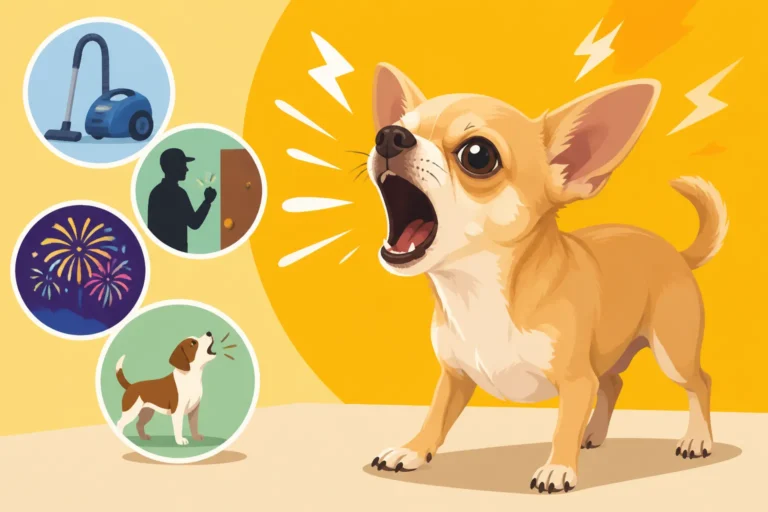
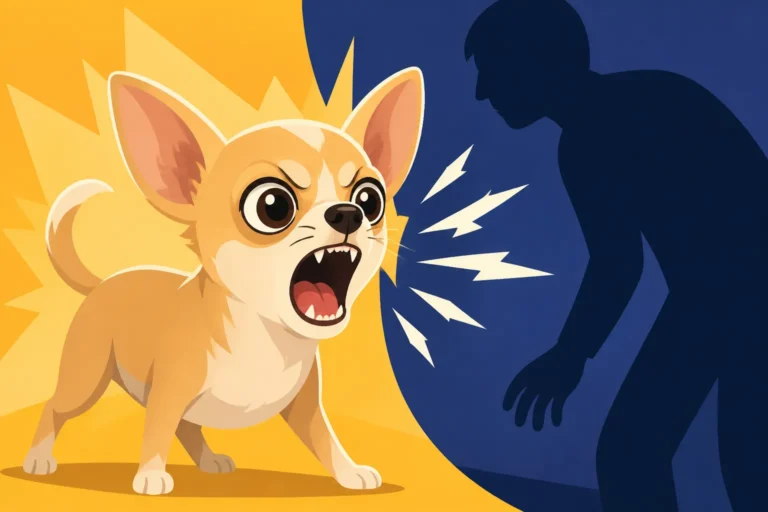
Beyond the obvious physical dangers, there's a profound psychological impact. A Chihuahua that is repeatedly overwhelmed, knocked over, or intimidated by bigger dogs can quickly develop anxiety and fear reactivity. They might learn that the best defense is a good offense, leading to excessive barking, lunging, or even snapping at any dog they perceive as a threat, regardless of size. This isn't "small dog syndrome" in the genetic sense; it's a learned response to feeling vulnerable and unsafe. Their inherent caution can easily escalate into persistent fear when constantly exposed to overwhelming situations, making future socialization efforts much harder. You can read more about how this develops in Chihuahua Fear Reactivity, the Breed's Real Problem.
Behavioral Benefits of Appropriate Play
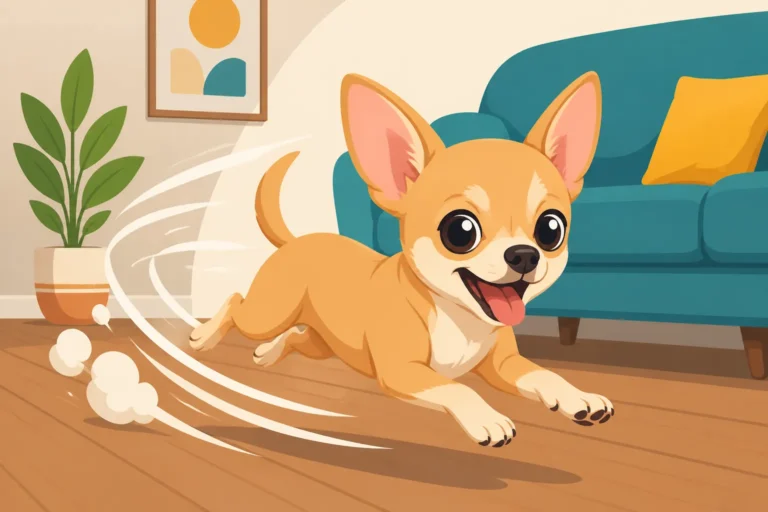
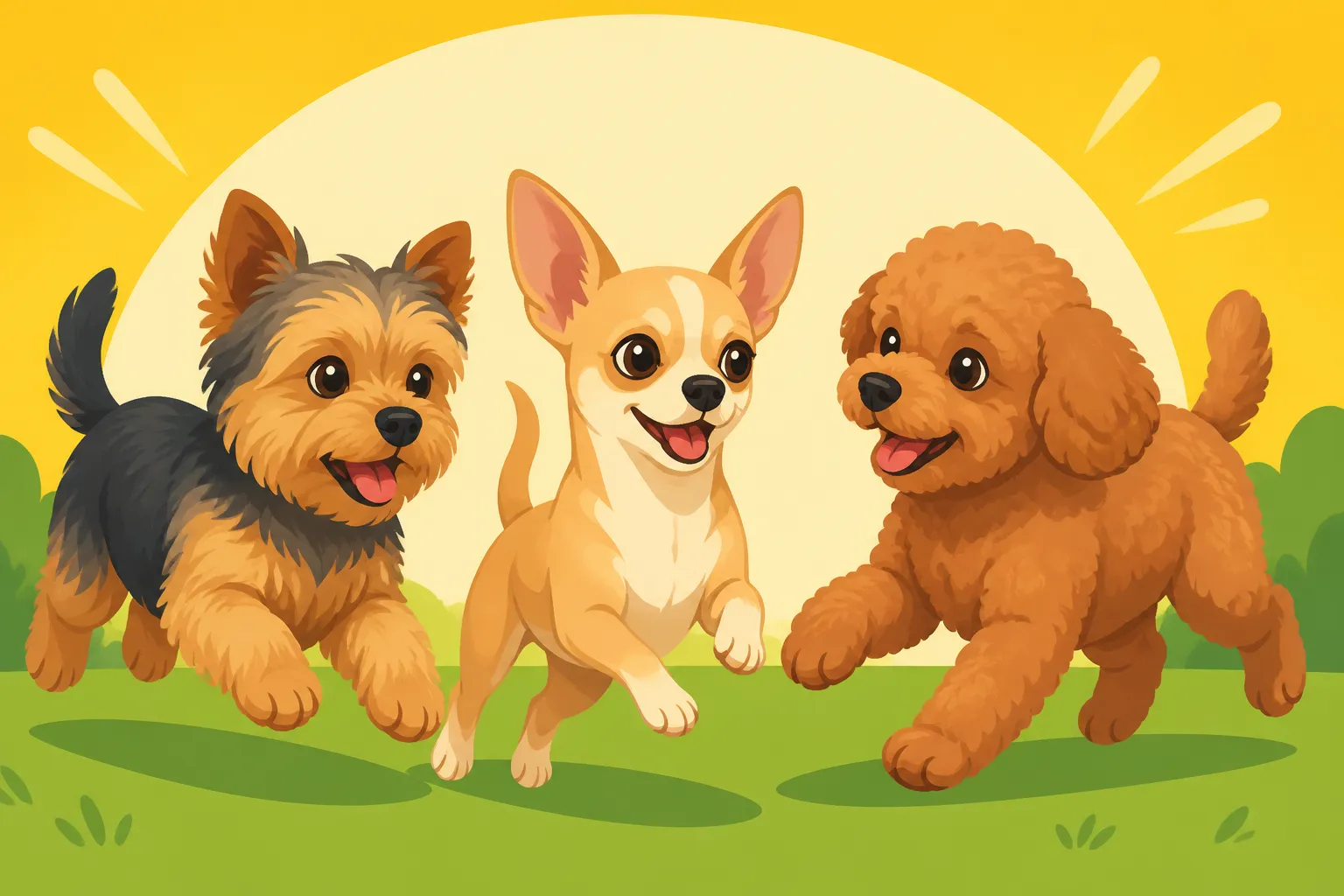
When a Chihuahua gets to play with dogs truly their own size, it's like a whole new world opens up. They can finally engage in natural dog behaviors – chasing, wrestling, tumbling, and mock-fighting – without the underlying current of fear or the risk of serious injury. This type of play is incredibly confidence-building. They learn to navigate social cues from peers who speak their "language" of small dog play, understanding boundaries and developing appropriate responses. A Chihuahua who feels safe and secure in their play environment is more likely to be a well-adjusted, confident, and friendly dog in other social situations.
This isn't just about fun; it's critical for their mental health and proper socialization. During their formative puppy months, and even throughout their adult lives, positive interactions are key. When they can wrestle with another Chihuahua or a tiny terrier, they learn bite inhibition, how to disengage, and how to invite play appropriately. These are skills that are very difficult to develop when they are always on high alert around bigger dogs. This kind of interaction fosters resilience and prevents the development of defensive behaviors that often get mislabeled as aggression but are actually rooted in fear. They get to be playful dogs, not just perpetually cautious lap companions.
Identifying Suitable Playmates for Your Chihuahua
The quest for the perfect playmate for your Chihuahua often feels like searching for a needle in a haystack, especially if you live in an area where larger breeds dominate. However, finding these ideal companions is one of the best things you can do for your little one's social and physical health. It requires a bit of thoughtful vetting, but the joy and confidence your Chihuahua gains are immeasurable.
Ideal Size and Temperament Matches
The most straightforward approach is to seek out other dogs that are within a pound or two of your Chihuahua's weight, or at least from the toy group. This includes other Chihuahuas, naturally, but also breeds like Yorkshire Terriers, Pomeranians, Miniature Pinschers, or even very small Maltese or Shih Tzus. The key is not just size, but also temperament. You're looking for dogs known for gentle play styles, or at least dogs whose owners can accurately describe their play as non-intrusive and respectful of smaller dogs. Avoid high-energy breeds, even if they are small, if their play style involves a lot of body slamming or roughhousing.
Consider the other dog's age and experience as well. A bouncy, clumsy puppy of any size might still be too much, even if it's theoretically a small breed. An older, calm toy breed who enjoys a gentle sniff and a short, slow chase might be perfect for a more reserved Chihuahua. The goal is to create a harmonious pairing where both dogs can enjoy themselves without one feeling overwhelmed or intimidated. Don't be afraid to ask owners about their dog's play history and preferences – it's crucial for your Chihuahua's safety and comfort.
Assessing Play Styles and Energy Levels
Even among small dogs, play styles can vary wildly. One Chihuahua might love a good wrestle, while another prefers a game of chase. It's vital to watch interactions closely and understand what constitutes healthy, balanced play for your particular dog. Look for reciprocal play where both dogs initiate and respond positively. A good sign is a "play bow," where a dog dips its front end down with its rear up, inviting interaction. You want to see give-and-take, breaks in play, and a general sense of enjoyment from both parties.
Watch for signs of stress or discomfort in your Chihuahua, such as lip licking, yawning (when not tired), tail tucked, backing away, or trying to hide behind you. Even a subtle stiffening of their body can indicate they're not enjoying the interaction. Similarly, observe the other dog. Is it relentlessly pursuing your Chihuahua without breaks? Is its play becoming too intense or one-sided? Sometimes, even a dog of similar size might be too rambunctious. Knowing when to step in is paramount, and it often means reading subtle cues before things escalate. This quick reference table can help you differentiate:
| Behavior | Sign of Safe, Enjoyable Play | Sign of Unsafe, Stressful Play |
|---|---|---|
| Body Language | Loose, wiggly, play bows, relaxed mouth | Stiff, frozen, tail tucked, ears back, lip-licking, yawning |
| Vocalizations | Playful barks, happy growls, no whimpering | Persistent yelps, fearful growls, whining |
| Engagement | Taking turns chasing, brief wrestling, breaks | One dog constantly pursuing, no breaks, trying to escape |
| Overall Demeanor | Enthusiastic, inviting, self-handicapping | Avoidant, defensive, trying to hide, trembling |
A wonderful resource for learning about dog body language and play is often found through online training academies. Brands like BAXTER & Bella, for example, offer virtual lessons and guides that can equip you with the knowledge to interpret your Chihuahua's signals and ensure they're always comfortable, whether they're socializing at home or in a group setting. This understanding allows you to intervene proactively, rather than reactively, to keep play positive.
Where to Find Chihuahua-Sized Play Opportunities
Now that you know what kind of play to look for, the next step is finding the actual opportunities. It can feel like a challenge in a world filled with medium and large dogs, but with a little effort, you can create a wonderful social life for your tiny companion. Remember, the goal is quality over quantity when it comes to socialization. Socializing a Chihuahua Without Overwhelming It is a great reminder that positive experiences are what truly count.
Organized Playdates and Small Dog Groups
One of the best ways to ensure safe play is to hand-pick your Chihuahua's playmates. Start by reaching out to friends or family members who own small, gentle dogs. Arrange a controlled, supervised playdate in a secure, neutral environment, like a fenced yard that your Chihuahua already knows and feels comfortable in. You'll be able to observe their interaction closely and intervene if needed. This provides a low-stress environment for both dogs to get acquainted.
Beyond your immediate circle, seek out local small dog meetups or clubs. Many communities have groups, often found through social media platforms or sites like Meetup.com, specifically for owners of toy and small breed dogs. These groups often organize regular play sessions in designated, secure locations. This provides a fantastic opportunity for your Chihuahua to interact with multiple dogs their size in a supervised setting. Just be sure to observe the group dynamics before letting your dog jump in; not all small dog groups are created equal, and some might still have a few overly boisterous members. Don't be shy about asking about the group's rules and supervision policies.
Responsible Dog Daycares for Small Breeds
If your schedule makes regular playdates difficult, a reputable dog daycare can be an excellent option, but choose wisely. Look for facilities that have separate play areas specifically for small breeds, ensuring your Chihuahua won't accidentally end up in a wrestling match with a Great Dane. A good daycare will assess your dog's temperament before enrollment and carefully group dogs based on size, age, and play style.
Ask about their staff-to-dog ratio and how closely interactions are supervised. Do they have specific protocols for introducing new dogs? How do they manage overly enthusiastic players, even if they are small? Many top-tier daycares will even offer live webcams so you can observe your Chihuahua's play from afar. While convenience is a factor, the priority here is safety and appropriate social interaction. Be prepared to ask lots of questions and tour the facility thoroughly. A well-run small dog daycare can provide consistent, safe socialization opportunities, which is vital for a breed that thrives on companionship. For more on ensuring your dog is healthy and ready for these social situations, consider reading Chihuahua Vaccination and Anesthesia at Toy Size.
Managing and Supervising Chihuahua Play
Even when you've done your due diligence in selecting the perfect playmates and environment, active supervision is non-negotiable for safe Chihuahua play. Their tiny stature means things can go wrong quickly, so your presence as a vigilant, proactive supervisor is essential.
Setting Up a Safe Play Environment
The location of the playdate is just as important as the playmates themselves. Always choose a securely fenced area where there's no risk of escape, even for a tiny, speedy Chihuahua. Ensure the space is free of hazards: no toxic plants, no small objects that could be choked on, and no tight spaces where a Chihuahua could get stuck or cornered. Remove any resources that dogs might guard, such as toys, food bowls, or even favorite beds, to prevent potential conflict. While resource guarding can happen with any dog, in a small dog like a Chihuahua, it can lead to defensive snapping if they feel their treasured item is threatened. If you notice your Chihuahua showing possessive tendencies, explore Chihuahua Resource Guarding and Snapping for more guidance.
Consider having a few strategically placed "safe zones" – perhaps a dog bed or a small crate with the door open – where your Chihuahua can retreat if they feel overwhelmed or just need a break. This gives them agency and control over their environment, which is crucial for building confidence. Think about the flooring too; slippery surfaces can be dangerous for fast-moving small dogs. A non-slip mat or carpeted area is ideal for preventing slips and falls during energetic play. If you need to contain them or create a safe zone at home, searching for "small dog playpen" or "indoor dog gate" on Amazon can yield good results for secure barriers.
Knowing When to Intervene
Your eyes need to be glued to the action, constantly assessing the energy levels and body language of all dogs involved. Watch for signs that play is escalating beyond fun and into something more confrontational or one-sided. This could be excessive growling (not playful), stiff body postures, repeated attempts to escape, or one dog persistently chasing another without breaks. Even if no physical harm is occurring, sustained stress can be just as damaging.
Intervention doesn't always mean yelling or physically separating dogs. Often, a simple, calm interruption, like calling one dog for a short treat break, is enough to reset the play dynamic. If things are getting too intense, you can gently redirect one dog to a different activity or simply call them to your side for a moment. Pay close attention to your Chihuahua's own cues; a tucked tail, whale eye (showing the whites of their eyes), lip licking, or trying to hide are all clear signals they're uncomfortable. For a deeper dive into their communication, see Chihuahua Body Language Before a Snap. Respect these signals immediately by creating space or ending the interaction.
Introducing New Playmates Gradually
Never throw two unknown Chihuahuas (or any dogs) into a small space and expect instant harmony. Introductions should always be slow and managed. A common approach is a parallel walk in a neutral area, like a park, where both dogs can walk near each other without direct interaction. This allows them to get used to each other's scent and presence without the pressure of direct eye contact or forced play.
Once they seem comfortable with the parallel walk, move to a securely fenced, larger area where they can be off-leash but still have plenty of room to avoid each other if they choose. Keep initial play sessions short, perhaps 15-20 minutes, and end on a positive note before either dog gets over-stimulated or tired. Reward calm, polite interactions with praise and small, high-value treats. If you're struggling with introductions or general socialization, an online training program like those offered by BAXTER & Bella can provide structured guidance and expert advice on how to build confidence and manage these interactions effectively. Remember, building positive associations takes time and patience, but it's crucial for fostering a confident, well-adjusted Chihuahua.
Disclaimer
This article is for general informational purposes only and does not constitute professional advice. Laws, prices and regulations vary by location and change over time. Consult a qualified professional for guidance on your specific situation.