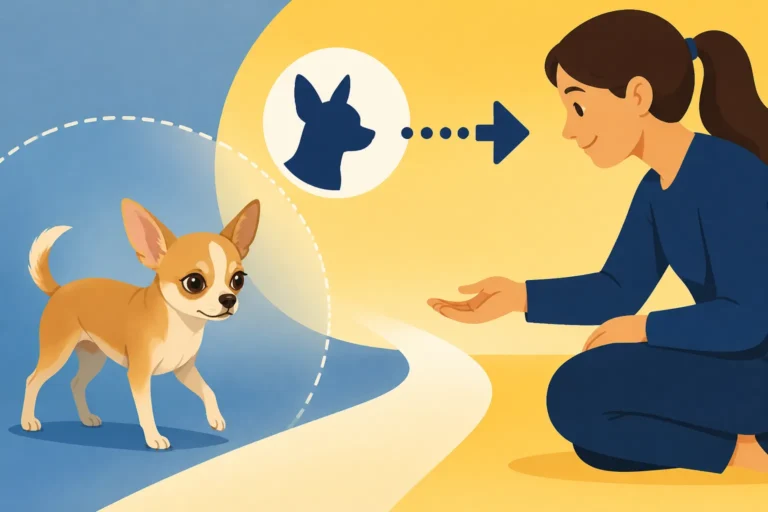
Chihuahua Alert Barking Against Anxious Barking
One of the most common complaints Chihuahua parents voice – and trust me, I hear it often – is the incessant barking. It can feel like your tiny companion has the vocal cords of a much larger dog, and every leaf, shadow, or passing thought triggers a flurry of yaps. But not all barks are created equal, and understanding the difference between alert barking and anxious barking is the first crucial step to finding peace and helping your little one feel more secure. This guide will walk you through discerning these two distinct vocalizations and offer practical strategies to manage them effectively.
Understanding Chihuahua Alert Barking
Chihuahuas, despite their diminutive size, often possess a formidable watchdog spirit. It's a trait that endears them to many, offering a sense of security, but it can also become overwhelming if not understood and managed. Alert barking is essentially your Chihuahua communicating that something has caught their attention, and they want you to know about it – or perhaps they're trying to ward it off themselves.
The Watchdog Instinct in Miniature
Think about it: Chihuahuas are small, and in the wild, being small often means being vulnerable. Over centuries, dogs developed traits that helped them survive, and an excellent warning system was one of them. Your Chihuahua, deep down, still carries that ancestral programming. When they bark at the mail carrier, the delivery driver, or even a squirrel darting across the fence, they're not necessarily trying to be annoying; they're genuinely doing what they perceive as their job: alerting their "pack" (you!) to potential intruders or changes in their environment.
It's easy to dismiss a Chihuahua's alert bark as cute or even funny initially, but without proper guidance, this instinct can quickly spiral. They might learn that barking makes the "threat" (like the Amazon driver) go away, reinforcing the behavior. They see something, they bark, the threat leaves, and in their mind, their barking was effective. This creates a cycle where they feel compelled to bark at everything, convinced they are protecting you from imminent danger, even if it's just a leaf blowing past the window. This isn't small dog syndrome; it's a dedicated little dog taking its role seriously.
Common Environmental Triggers for Alert Barks
For Chihuahuas, the world is a symphony of stimuli, and many things can set off that alert bark. Their keen senses are constantly processing information, and because they're so close to the ground, their perspective is often different from ours. What might seem like nothing to you could be a huge event for them.
Consider the doorbell: a classic trigger. It's a sudden, loud sound that signals an unknown presence. For a Chihuahua, this can be incredibly startling. Similarly, anything moving outside a window, such as passersby, other dogs, or even birds, becomes a target for their vocal warnings. If you live in an apartment, the sounds of neighbors in the hallway, upstairs footsteps, or even the elevator ding can be a constant source of "threats." Chihuahua Barking at the Window and the Door explores this in more detail. Even things like certain sounds on television or a specific car driving by can become ingrained triggers. The key is recognizing what sets them off, not just that they're barking. Is it always the trash truck? Always the sound of children playing outside? Pinpointing these triggers is essential for developing a targeted management plan.
Management Strategies for Alert Barking
Once you've identified the triggers, you can start to implement strategies to manage alert barking. The goal isn't necessarily to stop all barking – a little alert bark is perfectly natural – but to prevent it from becoming excessive and to teach your Chihuahua alternative, calmer responses.
One effective strategy is managing their environment. If the window is the primary culprit, consider using frosted window film or even simply closing curtains or blinds during peak "trigger" times. You can find many options on Amazon that allow light in but obscure the view. Another approach is desensitization and counter-conditioning. When a known trigger appears (e.g., the mail carrier), immediately give your Chihuahua a high-value treat before they start barking. The idea is to change their emotional response from "intruder!" to "treat time!" This takes patience and consistent timing. You're trying to build a positive association with the trigger. You can also teach a "quiet" cue. When they bark, let them get one or two barks out, then say "Quiet" and immediately offer a treat the moment they stop. Gradually, you'll extend the duration they need to be quiet before getting the treat. A Stop Cue That Works on a Barking Chihuahua provides more insight into this training.
Deciphering Anxious Chihuahua Barking
Anxious barking, unlike alert barking, isn't about warning you of an external presence. It stems from an internal state of distress, fear, or insecurity. This type of barking often feels more desperate, frantic, or relentless and can be heartbreaking to witness because you know your little one is truly suffering.
The Signs of Distress Behind the Bark
Anxious barking comes with a whole host of other body language cues that scream "I'm not okay." You might see your Chihuahua pacing relentlessly, panting even when they haven't exerted themselves, licking their lips excessively, or showing a "whale eye" where the whites of their eyes are visible. They might attempt to hide or, conversely, become destructive, chewing on furniture or scratching at doors. The barking itself often sounds different – it might be higher pitched, more frantic, or sustained for longer periods without a clear external trigger. It's not a sharp, declarative "someone's here!" bark; it's more like a desperate "I don't know what to do!" vocalization. The Noise a Panicking Chihuahua Makes can help you recognize these sounds.
This kind of barking isn't a choice; it's a symptom of overwhelming stress. Punishing anxious barking only exacerbates the problem, making your Chihuahua even more fearful and confused. They're already in a heightened state of emotion, and adding your anger or frustration to the mix can severely damage your bond and worsen their anxiety. Instead, your role is to identify the underlying cause and provide comfort and solutions.
Common Causes of Anxiety-Driven Barking
Anxiety in Chihuahuas can manifest for several reasons, and it's crucial to play detective to figure out what might be unsettling your little friend. One of the most common is separation anxiety, where a Chihuahua becomes distressed when left alone. They might bark, howl, or engage in destructive behaviors only when you're out of sight. Their small size and tendency to form incredibly strong bonds can make them particularly susceptible to this. Chihuahua Separation Anxiety and Time Alone delves into this issue.
Past trauma, especially for rescue Chihuahuas, can also be a significant factor. A dog that has experienced neglect, abuse, or multiple rehomings might develop deep-seated fears that manifest as anxiety. A lack of proper socialization during their critical puppyhood window can lead to fear of new people, places, or other dogs. This isn't just about meeting lots of dogs; it's about positive exposure to a wide variety of sights, sounds, and experiences in a controlled, safe manner. Finally, don't overlook physical pain or discomfort. A Chihuahua suffering from conditions like Patellar Luxation, the Chihuahua's Commonest Joint Problem or Chihuahua Dental Disease in a Crowded Small Jaw might express their pain through increased barking, restlessness, or irritability. If your Chihuahua's barking suddenly changes or increases without an obvious behavioral trigger, a vet check-up is always a wise first step. A Chihuahua Snapping Because Its Knee Hurts highlights how pain can dramatically alter a dog's behavior.
Strategies for Managing Anxious Barking
Addressing anxious barking requires a more holistic and often multi-faceted approach than alert barking, focusing on alleviating the underlying stress rather than just suppressing the symptom. It's about rebuilding their sense of security.
For separation anxiety, gradual desensitization is key. Start by leaving them alone for very short periods, literally seconds, and slowly increase the duration as they show comfort. Providing engaging puzzle toys or a long-lasting chew just before you leave can help create a positive association with your departure. Calming aids, such as pheromone diffusers or anxiety vests, might offer some relief. If the anxiety is due to a lack of socialization or fear of new things, Counter-Conditioning a Fearful Chihuahua involves pairing the scary stimulus (from a distance) with something positive, like a favorite treat. A consistent routine can also provide immense comfort, as Chihuahuas thrive on predictability. For more structured support, online dog training platforms like BAXTER & Bella offer resources and live help that can be invaluable for owners navigating complex behavioral issues, providing guidance on everything from puppy foundations to dealing with separation distress.
Differentiating and Addressing Both Types of Barking
Recognizing whether your Chihuahua's barking is primarily alert-driven or anxiety-driven is critical because the solutions are often entirely different. Misidentifying the cause can lead to ineffective training or, worse, deepen your dog's distress.
Key Differences in Presentation
Here's a quick comparison to help you tell the two apart:
| Feature | Alert Barking | Anxious Barking |
|---|---|---|
| Triggers | Specific external stimuli (doorbell, mail, sounds) | Less specific, often internal (being alone, new places) |
| Body Language | Erect ears, wagging tail (sometimes), focused gaze | Pacing, panting, yawning, lip licking, tucked tail, hiding, destructive behavior |
| Sound | Sharp, repetitive, often territorial | Frantic, high-pitched, sustained, whining, howling |
| Duration | Stops when trigger is gone or acknowledged | Can be continuous, even when trigger is absent |
| Context | "I see/hear something!" | "I'm scared/uncomfortable!" |
This table isn't exhaustive, of course, but it gives you a good starting point for observation. Pay close attention not just to the bark itself but to everything your Chihuahua is doing with their body. Are their ears pinned back? Is their tail tucked? Are they actively trying to engage with you or simply frantic? These subtle cues make all the difference.
Why the Distinction Matters for Training
The most crucial reason to differentiate between alert and anxious barking is that the training methodologies required are fundamentally different. Trying to "correct" an anxious bark with a harsh word or punishment is like yelling at a panic attack victim to "calm down." It doesn't work, and it can be incredibly damaging.
For alert barking, management and redirection are key. You're teaching your Chihuahua to notify you calmly or to ignore predictable triggers. This often involves positive reinforcement, rewarding quiet behavior, and slowly desensitizing them to stimuli. For example, when they start to bark at the window, you might give a verbal cue like "enough," and then reward them with a treat the moment they quiet down. The goal is to reshape the behavior.
For anxious barking, the approach is therapeutic. You're trying to resolve the underlying emotional state. This means creating a secure environment, building confidence, providing predictability, and sometimes using medication or professional behavior modification plans. It’s about making them feel safe and loved, rather than trying to suppress a natural stress response. Understanding this distinction empowers you to choose the right tools and strategies, making both you and your Chihuahua happier in the long run.
Implementing a Training Plan and Seeking Support
Once you have a clearer picture of why your Chihuahua is barking, you can start to implement a targeted training plan. Remember, consistency is your best friend when it comes to dog training, especially with intelligent and sensitive breeds like Chihuahuas.
Consistent Training for Lasting Results
Regardless of whether you're tackling alert or anxious barking, consistency across all family members is paramount. Everyone needs to use the same cues, the same rewards, and follow the same rules. Chihuahuas are smart and will quickly learn who they can get away with what. Keep training sessions short, fun, and positive. Chihuahuas have small attention spans, and even a few minutes a day of focused, reward-based training can yield incredible results. Three Minute Training Sessions With a Chihuahua are often more effective than infrequent, long, drawn-out ones.
For alert barking, reward silence. When the mail truck goes by and your Chihuahua doesn't bark, toss a treat and praise them. If they start to bark, redirect their attention with a fun toy or a brief training exercise. For anxious barking, the focus shifts to building confidence and providing comfort. Ensure they have a safe, quiet space they can retreat to, perhaps a comfy crate or a cozy bed in a low-traffic area. Provide plenty of appropriate mental stimulation with puzzle toys to keep their minds busy. Regular, predictable exercise, even short walks, can also help reduce overall stress levels. Think about it from your Chihuahua's perspective; what would make them feel more secure? That’s your starting point.
When to Seek Professional Guidance
Sometimes, despite your best efforts, barking issues can feel overwhelming. This is absolutely nothing to be ashamed of – Chihuahuas can present unique challenges, and professional help can be a game-changer. The first step, especially with anxious barking, should always be a visit to your veterinarian. They can rule out any underlying medical conditions that might be contributing to the barking or anxiety, such as pain, hearing loss, or thyroid issues.
If medical causes are ruled out, consider consulting a certified professional dog trainer or a veterinary behaviorist. A qualified professional can observe your Chihuahua's behavior in your home environment, accurately diagnose the root cause of the barking, and develop a customized behavior modification plan. They can teach you effective techniques for counter-conditioning, desensitization, and building your dog's confidence. For severe cases of anxiety, a veterinary behaviorist might recommend medication in conjunction with behavior modification, which can provide a much-needed bridge to help your Chihuahua learn new, calmer coping mechanisms. Don't hesitate to seek help; it's a sign of a responsible and caring pet parent. Finding a Trainer Who Takes a Chihuahua Seriously can help you vet potential professionals.
Disclaimer
This article is for general informational purposes only and does not constitute professional advice. Laws, prices and regulations vary by location and change over time. Consult a qualified professional for guidance on your specific situation.