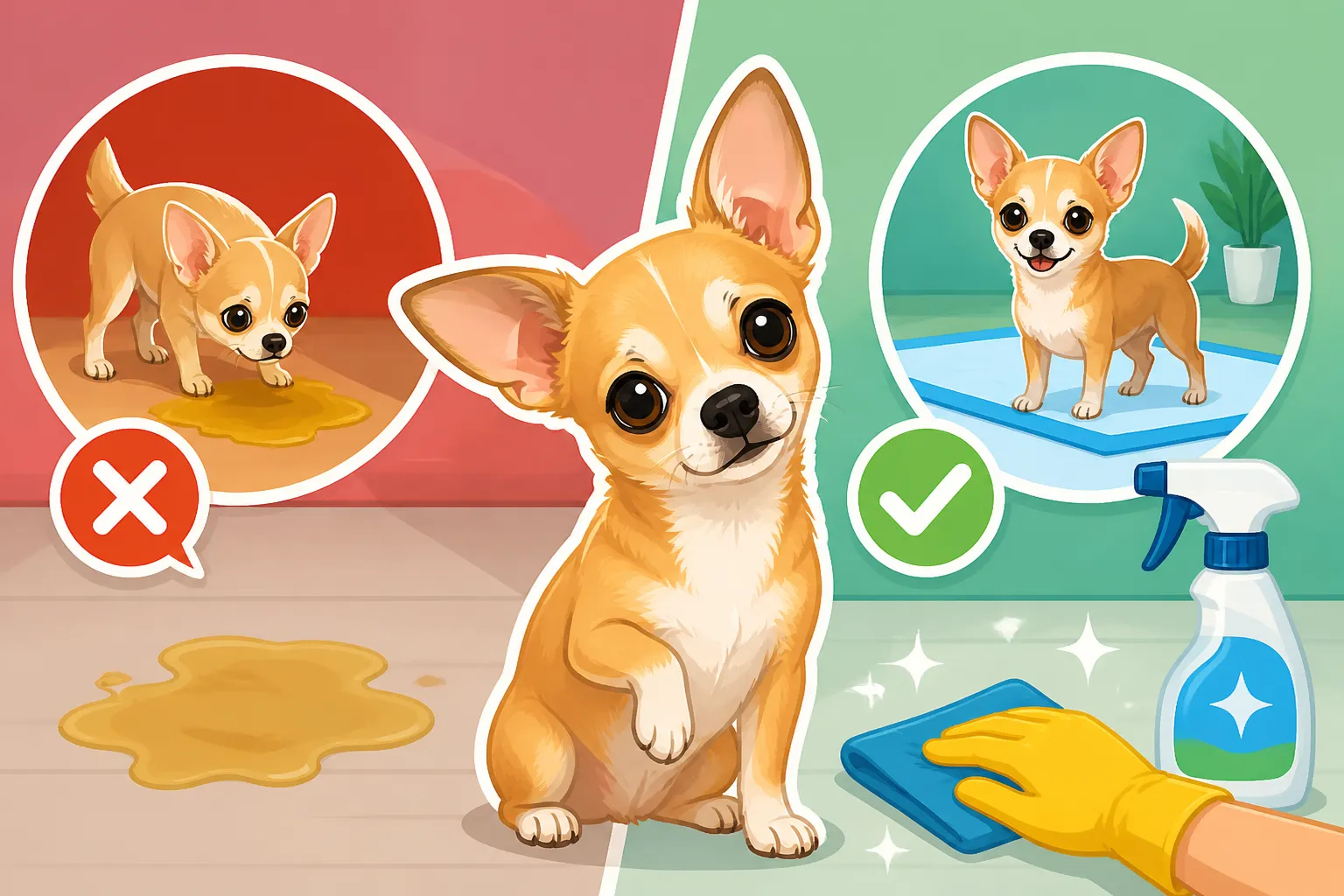
Cleaning Chihuahua Accidents So They Do Not Repeat
Discovering a fresh puddle or pile from your beloved Chihuahua is one of the most disheartening experiences a dog owner can face, especially when you've put so much effort into house training. It's frustrating when it feels like your tiny companion is deliberately choosing the same spot again and again, turning your home into a mosaic of past transgressions. This guide isn't just about scrubbing the visible mess; it’s about breaking the invisible cycle of repeat accidents by truly eliminating the scent cues that keep drawing your Chihuahua back to those forbidden spots, alongside vital behavioral adjustments.
Understanding Why Accidents Repeat It's Not Always Spite!
When your Chihuahua has an accident indoors, it's easy to assume they're acting out or simply "getting back at you" for something. But in reality, repeat accidents are almost always rooted in two things: the lingering scent of previous eliminations and underlying behavioral patterns or anxieties that haven't been fully addressed. It’s rarely about malice; it’s about instinct and communication.
The Potent Power of Odor Residue
Chihuahuas possess an incredibly keen sense of smell, far more powerful than ours. What might look and smell clean to a human nose can still scream "potty spot" to your little dog. Imagine walking into a bathroom and seeing a toilet; that's essentially what a lingering urine stain smells like to your Chihuahua, even if you can't detect it. Standard household cleaners, while effective for general spills, often fall short when it comes to pet waste. They might mask the odor temporarily with their own fragrances, or simply spread the bacteria and salts around, but they don't actually break down the uric acid crystals found in urine. These crystals, once dry, reactivate when exposed to humidity, releasing that tell-tale ammonia smell that only a dog can truly appreciate. This invisible chemical signal is a powerful magnet, prompting your Chihuahua to revisit and "re-mark" the area, reinforcing a cycle that's incredibly difficult to break without the right approach.
Behavioral Habits and Anxiety Triggers
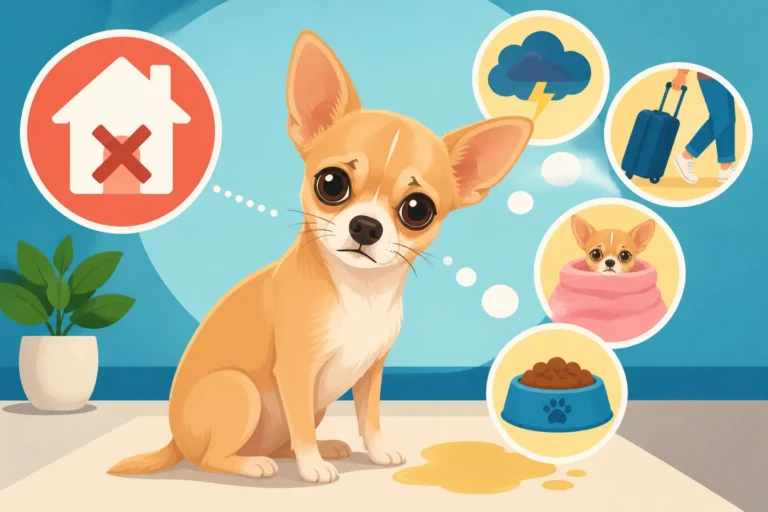
Beyond the powerful scent markers, repeat accidents can become ingrained behavioral habits. A Chihuahua might initially have an accident due to an upset stomach, not being let out in time, or even feeling intimidated by going outside in bad weather. Once that spot is "marked," and especially if the cleanup wasn't 100% effective, it can become a default location for future eliminations.
Think about a Chihuahua who is prone to Chihuahua Separation Anxiety and Time Alone. If they feel stressed or alone, seeking a familiar, "safe" spot to relieve themselves can be a coping mechanism. The spot where they had an accident before might offer a perverse sense of security. Similarly, some Chihuahuas develop a habit of A Chihuahua Marking on Furniture or other vertical surfaces, which is often a territorial behavior or a response to stress or changes in their environment. It’s crucial to observe when and where accidents occur to identify if there are specific triggers. Is it always when you leave? When new guests arrive? When the weather is particularly cold or rainy and they're reluctant to go outside? Understanding these patterns is key to addressing the root cause, rather than just cleaning up the symptoms.
The Right Tools for a Truly Clean Slate
You might feel like you've tried everything, from scrubbing vigorously to using various supermarket cleaners, only to find your Chihuahua returning to the scene of the crime. The truth is, effectively cleaning up pet accidents requires specialized tools that go beyond surface-level cleaning. Investing in the right products and equipment is not an extravagance; it's a necessity for breaking the cycle and restoring peace to your home.
Enzyme Cleaners: The MVP of Pet Accident Cleanup
If there's one product every Chihuahua owner should have on hand, it's an enzymatic cleaner designed specifically for pet stains. These aren't just fancy-smelling detergents; they are powerful biological solutions that contain enzymes. These enzymes literally eat the organic matter in urine, feces, and vomit. They break down the uric acid crystals, proteins, and other components that make up pet waste, completely neutralizing the odor at a molecular level. This means that once an enzymatic cleaner has done its job, your Chihuahua's super-sensitive nose will no longer detect the "potty here" signal.
Here's why they are crucial:
- Neutralize, Don't Mask: Unlike air fresheners or general household cleaners, enzyme cleaners eliminate the source of the odor rather than just covering it up.
- Effective on Multiple Surfaces: They can be used on carpets, upholstery, hardwood floors (check product compatibility first), concrete, and more. Always do a patch test in an inconspicuous area first to ensure colorfastness.
- Breaks the Cycle: By removing the olfactory cue, you remove a major reason your Chihuahua keeps returning to the same spot.
When shopping, look for reputable brands known for their enzymatic formulas. You can find a wide variety of these products on platforms like Amazon, often with reviews from other pet owners. It's important to follow the product's instructions carefully, especially regarding saturation and dwell time, to allow the enzymes enough time to work their magic.
Blacklights and Your Chihuahua's Secret Spots
One of the most eye-opening tools you can acquire is a UV blacklight. Seriously, this thing is a game-changer. What seems like a clean floor to your eyes can be a veritable minefield of invisible, dried urine stains under a blacklight. Urine, even when dry and seemingly scrubbed away, glows under ultraviolet light. This allows you to pinpoint all the areas your Chihuahua has marked, not just the fresh ones you caught in the act.
How to use it:
- Wait until dark: Turn off all the lights in the room. The darker it is, the more effective the blacklight will be.
- Scan slowly: Hold the blacklight close to your carpet, upholstery, and walls, moving slowly. Dried urine will fluoresce with a yellow, greenish, or bluish glow.
- Mark the spots: Use chalk or sticky notes to clearly mark every glowing spot you find. You might be shocked at how many "invisible" accidents there are, especially if your Chihuahua has been going in the same general area.
Once you've identified these hidden hotspots, you can then target them with your enzyme cleaner for a truly comprehensive cleanup. This step is often overlooked but is absolutely essential for breaking the habit of repeat marking, especially for persistent issues like A Chihuahua Marking the Same Corner.
Steam Cleaners and Hard Floor Solutions
While enzyme cleaners handle the invisible odor, different surfaces require different approaches for the physical removal of waste.
- Carpets and Rugs: After pre-treating with an enzyme cleaner and allowing it to dwell, a steam cleaner can be incredibly useful for deep cleaning carpets. The heat and suction help lift out any remaining residue and moisture. However, always apply the enzymatic cleaner first, as steam alone can set stains if the enzymes haven't had a chance to work.
- Hardwood Floors: For accidents on hardwood, the key is to clean quickly and thoroughly without oversaturating the wood, which can cause warping or staining. After blotting up as much liquid as possible, apply the enzyme cleaner. Many specific hardwood floor cleaners exist that are pet-safe and won't damage the finish. Avoid harsh chemicals or excessive water.
- Tile and Linoleum: These surfaces are generally easier to clean. Again, blot thoroughly, then use an enzyme cleaner. A stiff brush can help get into grout lines where odors can hide. Ensure the area dries completely.
Step-by-Step Accident Cleanup Protocol
When an accident happens, your reaction and cleaning method are critical. A rushed or incomplete cleanup can set you back significantly. Following a consistent, thorough protocol will give you the best chance of preventing repeat incidents.
Immediate Action: Blot, Don't Rub
The moment you discover an accident, time is of the essence. Your first instinct might be to grab a paper towel and rub, but resist! Rubbing pushes the liquid deeper into carpet fibers or floor cracks, making it harder to remove completely.
- Blot, Blot, Blot: Grab a stack of clean, absorbent paper towels or an old rag. Press firmly onto the wet spot, absorbing as much liquid as possible. Stand on the towels if needed to apply pressure. Replace the saturated towels with fresh ones and continue blotting until no more moisture transfers.
- Contain Solids: For solid waste, use a paper towel or a small plastic bag to carefully pick up the bulk of it. Avoid smearing.
- Protect Yourself: Wear gloves if you prefer, especially for solid waste.
The goal here is to remove as much of the physical waste as possible before introducing cleaning solutions. This prevents spreading the mess and ensures the enzyme cleaner can work on the embedded components rather than just the surface.
Saturate and Dwell: How to Use Enzyme Cleaners Effectively
This is where the magic happens, but it requires patience and proper application.
- Generously Saturate the Area: Once the initial blotting is done, liberally apply your chosen enzyme cleaner to the affected area. You want to use enough cleaner to completely soak the spot, ensuring it reaches as deep as the urine or waste has penetrated. For carpets, this means saturating not just the top fibers, but also the padding underneath. If you used a blacklight to find hidden stains, make sure to cover the entire glowing area.
- Allow for Dwell Time: This is perhaps the most crucial step and where many people go wrong. Enzyme cleaners don't work instantly. The enzymes need time to break down the organic compounds. Follow the product's specific instructions, but generally, this means letting the cleaner sit for at least 10-15 minutes, and often longer – sometimes several hours or even overnight for stubborn, deep-set stains. You can cover the area with a damp towel to keep the cleaner from drying out too quickly, especially on larger spots.
- Blot Again (Don't Rinse): After the recommended dwell time, use clean, dry towels to blot up the excess cleaner. Again, press firmly. Do not rinse the area with water immediately afterward, as this can dilute the remaining enzymes and hinder their ability to continue working as the spot dries.
- Air Dry Completely: Allow the area to air dry completely. This can take some time, especially for carpets. If possible, use a fan or open a window to speed up the drying process. The enzymes will continue to work as the area dries.
Addressing Specific Surfaces: Carpet, Hardwood, Upholstery
Different surfaces have unique needs when it comes to thorough cleaning.
- Carpets and Rugs: As mentioned, pre-blot, saturate with enzyme cleaner, allow dwell time, then blot dry. For heavily soiled or older stains, you might need multiple applications. Once completely dry, vacuum the area thoroughly to lift any residue and restore the carpet pile. If you have a carpet cleaner, use it after the enzymatic cleaner has worked and dried, following the machine's instructions.
- Hardwood Floors: While durable, hardwood can be sensitive to moisture. Blot thoroughly and apply an enzyme cleaner specifically formulated for sealed hardwood floors. Avoid pooling liquid. If the urine has soaked into unsealed gaps or underneath the floorboards, it can be a much bigger challenge, potentially requiring professional intervention or even replacement of affected boards to truly eliminate the odor. For general upkeep and cleaning a specific mess, a product like a multi-surface enzyme cleaner found on Amazon that specifies hardwood safety can be very helpful.
- Upholstery: For sofas, chairs, or dog beds, the process is similar: blot, apply enzyme cleaner, allow to dwell, then blot dry. Always test in an inconspicuous area first to check for colorfastness, as some upholstery fabrics can be delicate. If the stain is deep, consider a professional upholstery cleaner who specializes in pet odors. For removable covers, wash them according to their care instructions, adding a pet-safe laundry additive if desired.
- Walls and Baseboards: Don't forget these! Chihuahuas are small, and marking can happen low to the ground. Clean these with an enzyme cleaner on a cloth, wiping thoroughly.
| Surface Type | Initial Action | Primary Cleaner | Key Technique | Additional Tips |
|---|---|---|---|---|
| Carpet/Rugs | Blot, don't rub | Enzyme Cleaner | Saturate, Dwell, Blot | Use a blacklight; consider steam cleaner after enzymes. |
| Hardwood Floors | Blot immediately | Hardwood-safe Enzyme | Minimal saturation, wipe clean | Check product compatibility; avoid standing water. |
| Upholstery | Blot gently | Enzyme Cleaner | Test spot, saturate, Dwell, Blot | Use a fan for drying; professional cleaning for deep stains. |
| Tile/Linoleum | Blot, wipe | Enzyme Cleaner | Apply, scrub grout, wipe clean | Ensure grout is cleaned; dry completely to prevent streaks. |
| Walls/Baseboards | Wipe | Enzyme Cleaner | Apply to cloth, wipe thoroughly | Don't forget these often-overlooked marking spots. |
Preventing Future Accidents Beyond Cleaning
Cleaning up past accidents is only half the battle. To truly break the cycle, you need to implement proactive strategies that address your Chihuahua's house training needs, manage their environment, and rule out any underlying health issues. This comprehensive approach ensures that once a spot is clean, it stays clean.
Re-training and Management Strategies
Even if your Chihuahua was previously house-trained, recurring accidents mean it's time to go back to basics.
- Increased Potty Breaks: Chihuahuas have tiny bladders. Increase the frequency of their potty breaks, especially after waking up, eating, drinking, and playing. Consider taking them out every 2-3 hours for a few days to reset their routine.
- Positive Reinforcement: Lavishly praise and reward your Chihuahua immediately when they eliminate outdoors. Use high-value treats and enthusiastic verbal praise. Make going outside the most exciting thing ever. Three Minute Training Sessions With a Chihuahua can be highly effective for reinforcing this.
- Consistent Routine: Establish a very consistent schedule for feeding, potty breaks, and bedtime. Predictability helps a Chihuahua understand when and where they're expected to go.
- Indoor Potty Options: For Chihuahuas living in apartments, or those who truly despise rain or cold, consider providing an indoor potty option, such as Chihuahua Puppy Pads Against Outdoor Only for a Chihuahua or a grass patch. This gives them a legitimate alternative when outdoor access is limited or unpleasant.
- Belly Bands (for marking): If your male Chihuahua is marking, a belly band can be a helpful management tool. It's not a solution, but it catches urine and discourages the behavior by making it unpleasant for them. Just remember to use them as a temporary aid and continue working on training. You can find options for Belly Bands for a Marking Chihuahua online.
Environmental Management and Supervision
Your home environment plays a huge role in preventing accidents.
- Close Supervision: When you can't actively supervise your Chihuahua, confine them to a smaller, dog-proofed area, such as a playpen or their crate. Chihuahuas are generally reluctant to soil their sleeping area, so Chihuahua Crate Size and Setup is a vital consideration. Make sure the crate is just large enough for them to stand, turn around, and lie down comfortably, but not so large that they can use one end as a bathroom.
- Limit Access to Problem Areas: If there are specific rooms or furniture where accidents frequently occur, restrict access temporarily. Use baby gates or close doors.
- Leash Indoors: For a short period, consider keeping your Chihuahua on a leash attached to you while indoors. This "umbilical cord" method ensures you're always aware of their movements and can quickly take them out if they start to sniff around or show signs of needing to go.
- Safe Spaces: Ensure your Chihuahua has a comfortable, quiet den or bed where they feel secure. This can reduce anxiety that might lead to accidents.
Sometimes, despite all your efforts, a Chihuahua might Why a Chihuahua Regresses on House Training. This can be due to a variety of factors, including stress, changes in routine, or underlying medical issues. The key is patience and consistency. Resources like BAXTER & Bella can also provide structured guidance on puppy training and housebreaking, offering support and a community for navigating these challenges.
Rule out Medical Issues
Any sudden onset of accidents or an increase in frequency, especially if your Chihuahua was previously reliably house-trained, warrants a trip to the veterinarian. It’s absolutely critical to rule out medical conditions that could be causing or contributing to the problem.
- Urinary Tract Infections (UTIs): These are common and can cause frequent urination, discomfort, and loss of bladder control.
- Kidney or Bladder Stones: Conditions like Chihuahua Bladder Stones and Diet can lead to discomfort and increased urgency to urinate.
- Diabetes: Increased thirst and urination are classic signs of diabetes.
- Hormonal Imbalance: Particularly in spayed females, hormonal changes can sometimes lead to incontinence as they age.
- Other Illnesses: Any illness that causes discomfort, pain, or increased thirst can impact house training.
Your vet will be able to perform a thorough examination, including urinalysis and blood tests, to diagnose or rule out these conditions. If a medical issue is found, addressing it is the first step towards resolving the house training problem. Never assume it's "just bad behavior" without a vet check.
By combining meticulous cleanup with the right tools, consistent training, environmental management, and a watchful eye for health concerns, you can effectively break the cycle of repeat accidents and enjoy a cleaner, happier home with your cherished Chihuahua.
Disclaimer
This article is for general informational purposes only and does not constitute professional advice. Laws, prices and regulations vary by location and change over time. Consult a qualified professional for guidance on your specific situation.