Getting a Chihuahua Outside on Snowy Days
Oh, the crisp, beautiful white blanket of snow can be a real headache when you have a tiny Chihuahua who absolutely despises the cold! Many of us Chihuahua parents find ourselves in a genuine pickle when the weather turns, torn between needing our little ones to relieve themselves and not wanting them to suffer in the frigid air. This guide is all about helping you navigate those snowy, icy days, ensuring your pint-sized pal stays warm, safe, and gets their business done without turning into a shivering icicle.
The Unique Challenges of Snow for a Chihuahua
When winter hits, it’s not just about a little chill for our Chihuahuas; it’s a whole different ballgame compared to larger, furrier breeds. Their small stature and delicate physiology mean that snowy conditions pose very real, serious risks and behavioral hurdles. It's not just "being dramatic" when they shiver or refuse to step outside – it's often a genuine survival instinct kicking in.
Why Chihuahuas Feel the Cold So Intensely
Imagine stepping out into a blizzard wearing only a t-shirt. That’s pretty much how your Chihuahua experiences a snowy day without proper protection. Their diminutive size means they have a much larger surface area to volume ratio compared to a big dog, making them lose body heat incredibly fast. Plus, many Chihuahuas, especially the smooth-coated variety, have a very thin single coat and Why a Chihuahua Has Almost No Body Fat. This lack of insulation, coupled with their minimal body fat, means their core temperature can drop precipitously in cold weather.
Beyond the physical, there’s a psychological component. A huge pile of snow can feel like an insurmountable mountain range to a two-pound dog. The unknown texture, the sudden cold shock on their paws, and the sheer depth of it can be incredibly intimidating. Some Chihuahuas are simply wired to avoid discomfort, and cold, wet snow is definitely uncomfortable! This often leads to reluctance, refusal to walk, or even trying to lift their paws off the ground to avoid the cold, which isn't exactly conducive to a productive potty break. They literally might not understand how to function in what feels like an alien landscape.
Health Risks Associated with Cold Exposure
The dangers of cold weather for Chihuahuas extend beyond mere discomfort. Hypothermia is a very real threat. If your Chihuahua's body temperature drops too low, it can lead to serious health issues, affecting organ function and potentially becoming life-threatening. Signs of hypothermia can include intense shivering, lethargy, stiff muscles, and shallow breathing. If you suspect your Chihuahua is experiencing hypothermia, it's crucial to get them warm immediately and contact your vet.
Another concern is Chihuahua Hypoglycemia and the Puppy Emergency, which, while more common in puppies, can affect adult Chihuahuas under stress or in extreme cold. The body expends a lot of energy trying to stay warm, which can rapidly deplete blood sugar levels, especially if they haven't eaten recently. Furthermore, their tiny paws are extremely vulnerable to frostbite, especially the delicate paw pads and in between the toes. Ice, salt, and de-icing chemicals commonly used on sidewalks can also cause painful burns, cracks, or irritation to their paw pads. These chemicals can also be toxic if ingested when your Chihuahua licks their paws after coming inside.
Essential Gear for Winter Chihuahua Walks
To give your Chihuahua the best chance of actually doing their business comfortably and safely on a snowy day, a little preparation and the right gear are absolutely key. This isn't just about fashion; it's about crucial protection for their well-being. Think of it as their winter survival kit.
The Right Outerwear: Sweaters and Coats
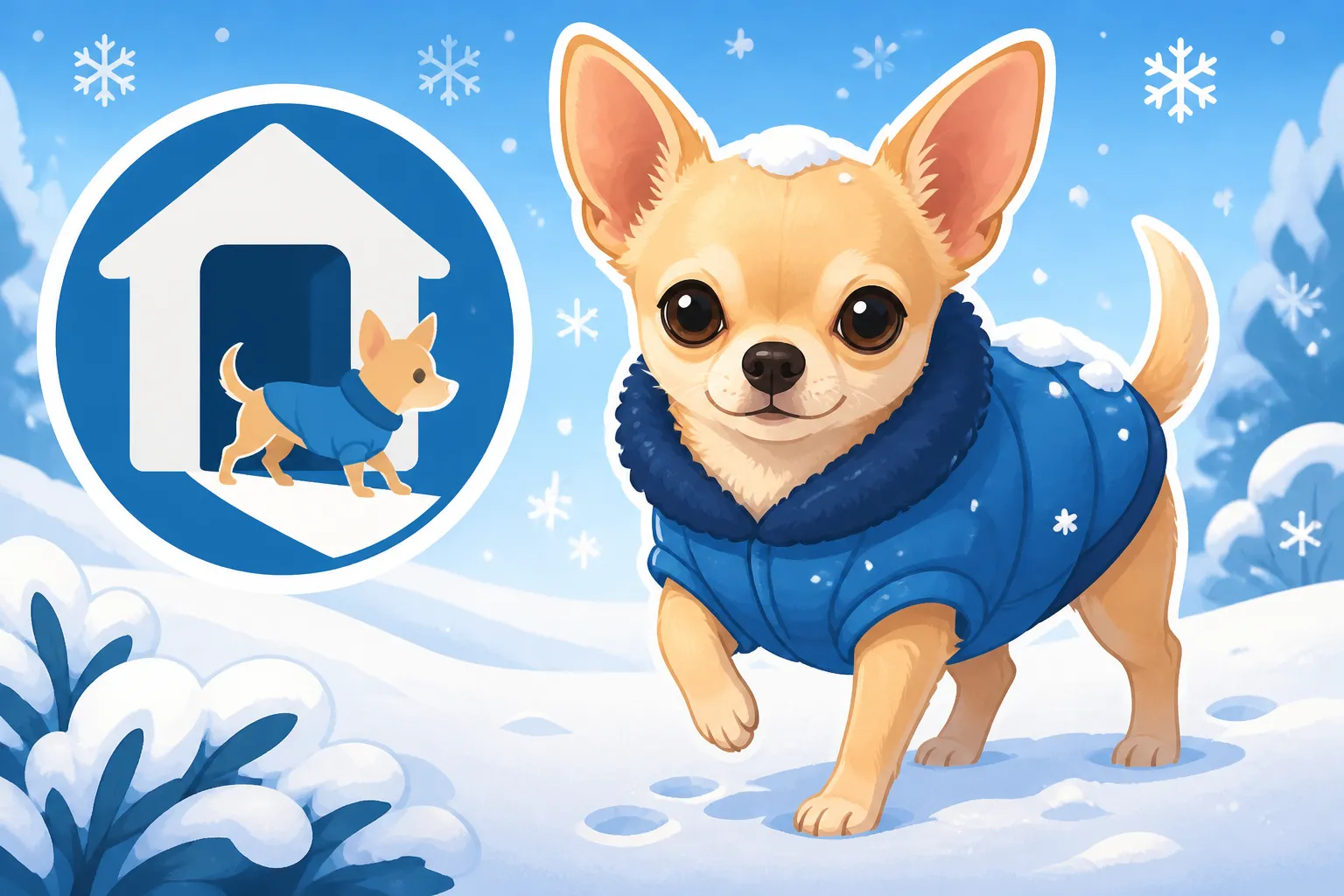
A simple sweater is a good start, but for snowy conditions, your Chihuahua likely needs more. Look for coats specifically designed for extreme cold, often with a waterproof or water-resistant outer layer and a warm fleece or insulated lining. This dual protection helps keep them both dry and warm. The goal is to cover as much of their body as possible, from neck to tail, leaving only their tiny legs and head exposed. You want something that fits snugly but doesn't restrict movement, especially around the shoulders for walking and the belly for potty breaks.
Consider getting a couple of options. A lighter fleece vest might be fine for a quick dash outside if the snow isn't too deep and the temperature isn't brutally cold. But for true winter walks, a heavy-duty, lined, and waterproof jacket is invaluable. Many excellent options can be found on sites like Amazon, offering a wide range of styles and sizes specifically for toy breeds. The ability to layer can also be helpful; a thin, warm base layer under a waterproof coat provides extra insulation. Chihuahua Coats for Rain and Snow are not just for aesthetics; they are a necessity to maintain core body temperature.
Paw Protection: Boots and Balms
This is where many Chihuahua owners struggle, but it's arguably the most critical piece of winter gear. Bare paws on snow, ice, or salt are a recipe for pain and potential injury. Whether a Chihuahua Needs Boots is often met with resistance from Chihuahuas themselves, but for their safety, it's non-negotiable in harsh conditions. Look for boots that are specifically designed for small dogs, with grippy soles to prevent slipping and a fastening mechanism that keeps them securely on their tiny feet. You might need to try a few different brands or styles to find ones that your Chihuahua tolerates and that don't fall off mid-walk. Some boots have wider openings for easy on-and-off, while others offer more robust protection.
If boots are absolutely out of the question (some Chihuahuas just refuse, no matter how hard you try!), a paw balm or wax can offer a thin protective barrier against ice, salt, and chemicals. These products, often made with ingredients like beeswax, create a semi-permeable layer that moisturizes and protects the paw pads. However, a balm alone won't prevent frostbite or insulate against extreme cold, so it's a secondary measure or for very short dashes. Always apply generously before going out and wipe their paws thoroughly with a warm, damp cloth when you come back in to remove any residue, especially if you didn't use boots. Chihuahua Paw Protection on Ice and Salt is vital for their delicate feet.
Harnesses vs. Collars in Cold Weather
While not directly for warmth, a proper harness is always recommended for Chihuahuas, but especially in snowy conditions. In cold weather, Chihuahuas can be more prone to pulling to get back inside or if startled by an unfamiliar sight or sound (like a snowplow). A collar can put dangerous pressure on their delicate trachea, which is already a concern for the breed with conditions like Collapsing Trachea and the Chihuahua Honking Cough. A well-fitting harness distributes pressure across their chest and shoulders, reducing the risk of injury if they pull or slip.
Look for a harness that is secure, comfortable, and doesn't chafe, especially if they're also wearing a coat. Some winter coats even come with an integrated harness or a leash opening on the back, making it easier to layer. When selecting a harness, measure your Chihuahua carefully to ensure a snug fit that they can't slip out of, particularly when bundled up in other gear. Brands on Amazon offer a wide variety of small-sized harnesses.
Strategies for Encouraging Potty Breaks in the Snow
Even with the best gear, getting a Chihuahua to brave the elements for a potty break can feel like negotiating with a tiny, furry diplomat. It requires patience, positive reinforcement, and sometimes, a bit of strategic planning.
Creating a Clear, Inviting Potty Zone
One of the biggest deterrents for a small dog in the snow is the sheer depth and unknown texture. Imagine trying to use a restroom that's submerged in cold, wet mush! To make it less daunting, try to shovel a small, clear path to a designated potty spot in your yard. This path should be wide enough for them to walk comfortably and the spot itself should be cleared down to the grass or pavement. The familiar ground can make all the difference, providing a known scent and solid footing rather than sinking into cold powder.
If you don't have a yard, or if shoveling isn't an option, you can create a small "potty patch" using a shallow plastic tub or a large planter filled with dirt or even artificial grass. Place this on a porch or balcony where it's sheltered, or simply in a spot outside that you can easily clear. This gives them a consistent, less intimidating place to go. Remember, consistency is key in House Training a Chihuahua With a Tiny Bladder, and that applies even more in winter.
Positive Reinforcement and Quick Trips
When it's cold, speed is of the essence. Don't expect your Chihuahua to leisurely sniff around for five minutes. Your goal is a quick "go," then back inside for warmth. Take them out frequently, knowing that their small bladders mean they can't hold it for long, especially when cold. How Long a Chihuahua Can Hold Its Bladder is not very long at all. As soon as you step outside, direct them to their cleared spot.
The moment they even start to go, offer enthusiastic praise in a happy, calm tone. As soon as they finish, a high-value treat should appear instantly. Think tiny pieces of cooked chicken, cheese, or their absolute favorite training treat. This immediate reward creates a strong positive association with going potty in the snow. Make sure the treats are small enough that they can be gobbled down quickly without fuss. Reputable online training resources, like those offered by BAXTER & Bella, often emphasize these quick, positive reinforcement sessions for new or challenging behaviors.
Indoor Potty Alternatives
Sometimes, despite your best efforts and the cutest winter gear, going outside just isn't happening. This is where indoor potty solutions become incredibly valuable, not as a permanent replacement for outdoor walks, but as a sanity-saver on extreme weather days. Indoor Toilets for a Chihuahua That Hates Rain are also perfect for snowy days. Puppy pads are a common choice, but many Chihuahuas prefer something with a more natural texture.
Indoor grass patches, either real or artificial, can be a great compromise. They give your Chihuahua the tactile feel of grass while keeping them warm and dry indoors. Place these in a consistent, easily accessible spot away from their food and sleeping areas. While not ideal for overall exercise, these alternatives prevent accidents and reduce stress for both you and your dog. If you’re utilizing an indoor option, make sure to clean it frequently to avoid odors and keep it inviting for your Chihuahua.
Post-Snow Care and Safety Tips
The adventure isn't over once you're back inside; the post-walk routine is just as important for your Chihuahua's health and comfort on snowy days. Neglecting these steps can lead to skin irritation, illness, or even poisoning.
Thorough Paw Cleaning and Drying
As soon as you come back inside, make paw care your absolute priority. Even with boots, snow and ice can get trapped, and if a boot slipped off or wasn't worn, their paws are exposed to potential dangers. Use a warm, damp cloth to carefully wipe down each paw, paying special attention to the pads and in between the toes. This removes any salt, chemicals, ice melt, or unseen debris that could be irritating or toxic.
After cleaning, gently but thoroughly dry their paws. Trapped moisture can lead to skin irritation, fungal issues, or simply make them feel colder. You might even find tiny ice balls clinging to the fur between their pads, which can be very painful. Gently warm their paws with your hands or a warm towel to ensure they are completely dry and regain normal temperature. Regularly check their paw pads for cracks, redness, or any signs of irritation throughout the winter season. This is part of essential Chihuahua Nail and Paw Care at Toy Size.
Warming Up Safely and Gradually
Once their paws are clean and dry, the next step is to help your Chihuahua warm up. Resist the urge to use very hot water or direct high heat, as this can be a shock to their system and potentially cause burns. Instead, wrap them in a soft, warm blanket. Cuddling them on your lap, allowing your body heat to transfer, is also incredibly effective and comforting. If you have a dog-safe heated bed, that can be a wonderful resource for them to snuggle into.
Keep an eye out for continued shivering, lethargy, or any signs that they are still too cold, which could indicate a need for veterinary attention. A little warmth and a quiet, cozy spot will usually have them back to their normal, feisty selves in no time. For a breed that tends to shiver even when not cold, knowing the difference between normal Chihuahua jitters and actual cold Why a Chihuahua Shivers and What It Means is important.
Keeping Hydrated and Fed
Cold weather can be dehydrating, and staying warm burns calories. Ensure your Chihuahua has access to fresh, unfrozen water at all times. You might even notice them drinking more after coming in from the cold. Also, consider their meal timing. If they're expending extra energy to stay warm, they might need their meals closer to their outdoor excursions to maintain their blood sugar levels and energy.
Always offer a small, easily digestible meal or snack after a cold outing, especially if they seemed reluctant or stressed. This helps replenish their energy stores and keeps their metabolism going, which is crucial for staying warm. While you don't want to overfeed them, ensuring they have adequate nutrition is key to supporting their body through the demands of winter. Daily Calories for a Three to Seven Pound Chihuahua are already tiny, so every calorie counts when they're burning extra to stay warm.
| Winter Chihuahua Checklist | Essential Gear | Potty Strategy | Post-Walk Care |
|---|---|---|---|
| Protection | Waterproof Coat | Shoveled Path to Potty Spot | Thorough Paw Cleaning |
| Insulation | Lined Sweater/Jacket | High-Value Treats for Success | Gentle Paw Drying |
| Footwear | Dog Boots (Grippy) | Quick, Frequent Trips | Warm Blanket Cuddles |
| Barrier | Paw Balm/Wax | Indoor Potty Alternative (Pads/Grass) | Fresh Water & Post-Walk Snack |
| Restraint | Chest Harness | Positive Reinforcement | Monitor for Hypothermia Signs |
Disclaimer
This article is for general informational purposes only and does not constitute professional advice. Laws, prices and regulations vary by location and change over time. Consult a qualified professional for guidance on your specific situation.