Whether a Chihuahua Is Harder to Train Than a Labrador
It's a common misconception that smaller dogs, especially Chihuahuas, are inherently harder to train than their larger counterparts like Labradors. Many Chihuahua owners find themselves frustrated, wondering why their tiny companion seems to defy every training attempt, often believing it's a breed trait. This guide will dive deep into why this perception exists, explore the unique training aspects of Chihuahuas and Labradors, and reveal that effective training boils down to understanding, consistency, and a strong dose of empathy, regardless of your dog's size.
The Myth of the "Untrainable" Small Dog
Let's be honest: when you picture a well-behaved, obedient dog, chances are a Labrador Retriever comes to mind long before a Chihuahua. This isn't because Chihuahuas are less intelligent or more stubborn by nature; it's often due to how we, as humans, perceive and interact with them. The idea that small dogs are "untrainable" is a pervasive myth that does a huge disservice to these intelligent little canines.
"Small Dog Syndrome" Is a Human Construct
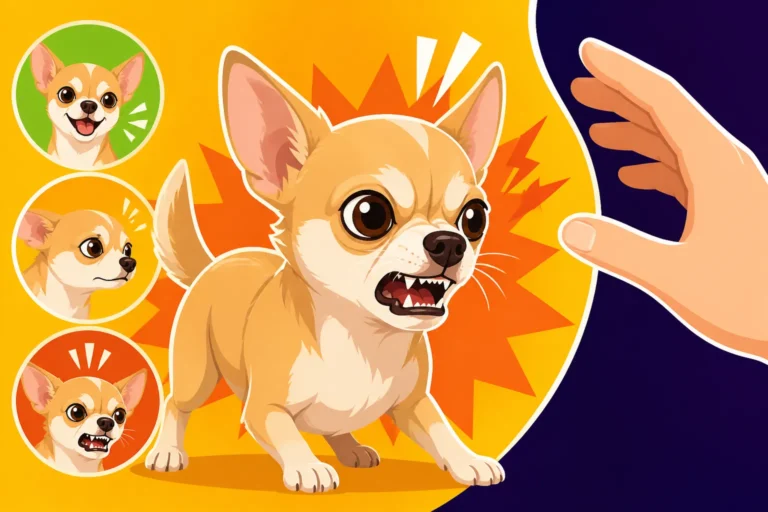
You've heard the term "Small Dog Syndrome," right? It conjures images of yappy, snappy little dogs dictating terms to their owners. But here's the kicker: it's not a genetic condition. It's almost entirely a result of human behavior. We tend to treat Chihuahuas differently than we would a Labrador. When a tiny Chihuahua jumps on a guest, it might be met with a giggle and a gentle nudge. If a 70-pound Labrador did the same, it would be a firm "off" and immediate correction. This difference in expectation and response is where the problem starts.
People often excuse undesirable behaviors in Chihuahuas because they're small and, let's face it, adorable. A little bark from a Chihuahua might be charming, while the same intensity from a larger dog would be considered a nuisance. We pick them up when they growl at another dog, inadvertently teaching them that growling gets them out of uncomfortable situations. This coddling, however well-intentioned, prevents Chihuahuas from learning appropriate responses and developing confidence. We often reinforce the very behaviors we later complain about. You might find some excellent insights on this topic by reading Small Dog Syndrome and Why It Is Not Genetic.
The Impact of Inconsistent Expectations
Imagine trying to learn a new skill when the rules constantly change. That's what it's like for a Chihuahua when an owner applies different standards based on the dog's size. A Labrador is expected to walk politely on a leash, but a Chihuahua might be carried everywhere, missing out on crucial real-world exposure and the opportunity to learn leash manners. We expect a Labrador to wait patiently by the door before going outside, but a Chihuahua might be allowed to bolt.
This inconsistency sends mixed signals. Dogs thrive on clear boundaries and predictable consequences. When those aren't present, especially in a dog as intelligent and sensitive as a Chihuahua, they become confused, anxious, and yes, sometimes "misbehave" in ways that seem disobedient. Owners might then label their Chihuahua as "hard to train" when, in reality, the training hasn't been consistently applied. Building a solid foundation requires you to treat your Chihuahua with the same respect and behavioral expectations as you would any larger breed. If you're looking for guidance, remember that resources from places like BAXTER & Bella can help establish that consistent foundation right from puppyhood, teaching you to set expectations early.
Training a Chihuahua: Unique Challenges and Hidden Strengths
While the myth of untrainability is largely unfounded, Chihuahuas do come with their own set of unique characteristics that influence their training journey. Recognizing these is key to tailoring your approach effectively.
Size-Related Vulnerabilities and Practicalities
Being small certainly presents distinct practical challenges.
- Tiny Bladders, Frequent Breaks: A Chihuahua's bladder is minuscule, especially as a puppy. This means they physically cannot hold it as long as a larger dog, making house training feel like a never-ending battle if you're not prepared for ultra-frequent potty breaks. What seems like stubbornness might just be a biological limitation. Providing indoor potty options, especially in bad weather, can be a lifesaver. You can find all sorts of absorbent pads and indoor grass patches on Amazon that are perfectly sized for these little guys. For more detail, check out How Many Weeks Chihuahua Potty Training Takes.
- Fragile Bodies and Safety Concerns: Their delicate frames make them vulnerable. A jump off a sofa, a rough tumble with a larger dog, or even being accidentally stepped on can result in serious injury. This fragility often leads owners to be overprotective, carrying them frequently, which inadvertently prevents them from experiencing the world on their own four paws and learning crucial social cues. Ramps and steps for furniture can help protect their joints while still allowing them independence.
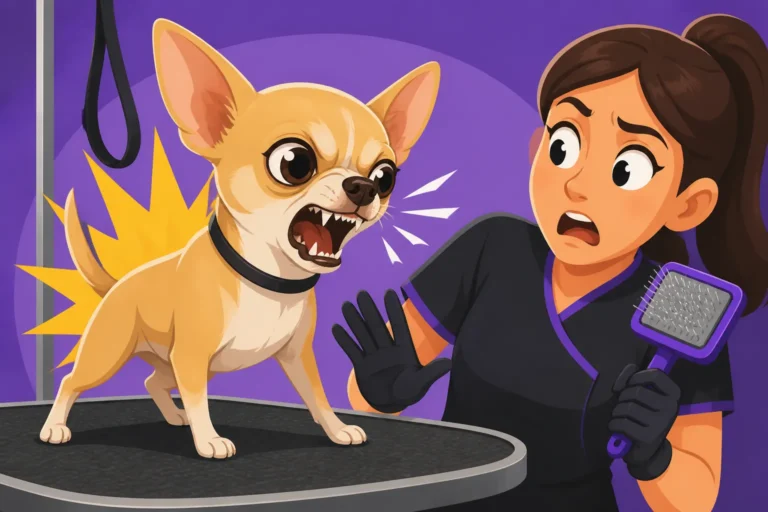
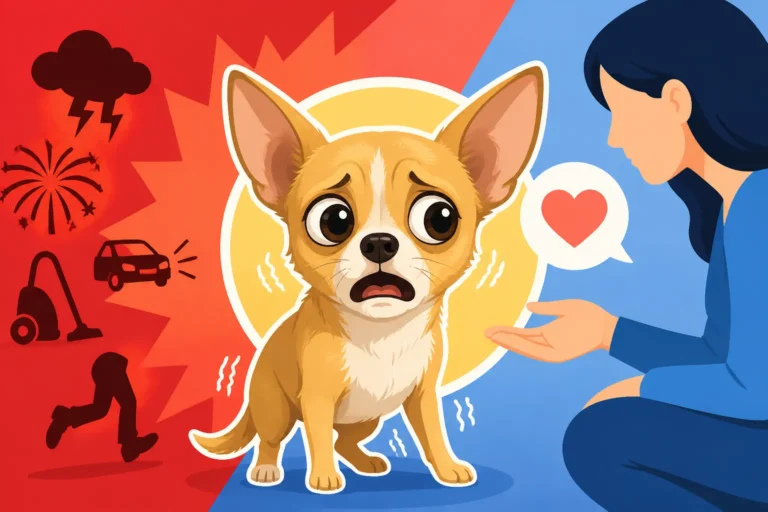
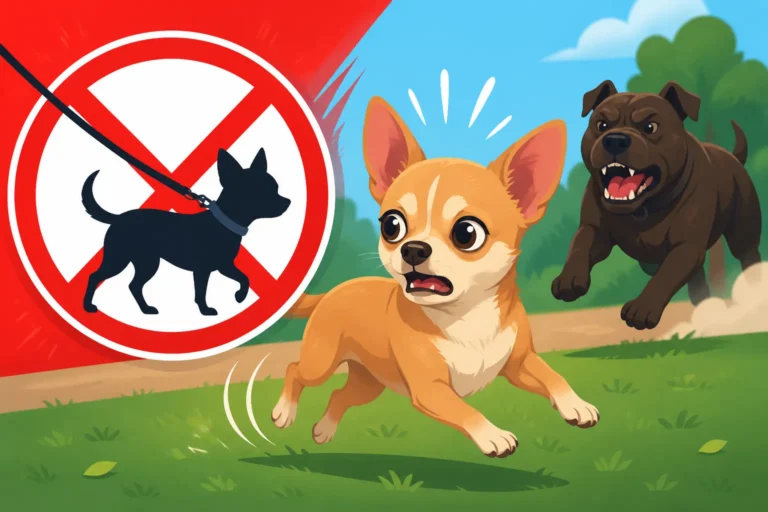
- Easily Overwhelmed: A dog park full of boisterous Labradors can be terrifying for a four-pound Chihuahua. Their small size means the world is literally bigger and louder to them. This can lead to fear-based reactions like excessive barking or snapping, which are often misinterpreted as aggression rather than self-preservation. Proper, controlled socialization that doesn't "flood" them with overwhelming stimuli is critical. Socialization That Does Not Flood a Chihuahua discusses how to do this safely.
Big Personality in a Small Package
Despite these challenges, Chihuahuas boast incredible strengths that make them highly trainable when approached correctly.
- Intelligent and Eager to Please (Their Person): Chihuahuas are incredibly smart and observant. They bond deeply with their chosen person and are often highly motivated to please that individual. Once you tap into that desire, they can learn commands and tricks with remarkable speed. They might not seem as overtly "biddable" as a Labrador to a stranger, but with their trusted human, they're often keen students. Why a Chihuahua Learns Everything a Big Dog Can explores this intelligence further.
- Food Motivated: Most Chihuahuas are incredibly food motivated, which is a massive advantage for positive reinforcement training. Small, high-value treats can work wonders. Just remember to use treats small enough for their tiny mouths and to keep calorie counts in mind for their small bodies. Treats Small Enough for Chihuahua Training offers some great suggestions.
- Portability for Controlled Exposure: Their small size means they can easily accompany you to many places (in a carrier, of course), allowing for controlled exposure to different sights, sounds, and people. This portability, when used for positive, non-overwhelming socialization experiences, can build a confident, well-adjusted dog.
- Watchdog Instincts: Chihuahuas are naturally alert and often have a strong "alert bark" to warn you of anything unusual. This makes them excellent little watchdogs, but it can also escalate into excessive barking if not managed. Understanding Chihuahua Barking and What Sets a Six Pound Dog Off can help you channel this natural tendency.
- Potential for Dog Sports: Believe it or not, Chihuahuas excel in dog sports like agility, obedience, and rally. Their intelligence, agility, and bond with their handler make them formidable competitors, proving they are far from "untrainable."
Training a Labrador: What Makes Them Seem "Easier"?
When people compare Chihuahuas to Labradors in terms of trainability, the Labrador often wins in perceived ease. But what makes this perception so strong? It's a combination of breed traits, historical roles, and, once again, human expectations.
Breed Traits That Aid Trainability
Labradors were bred for specific working roles, primarily retrieving game for hunters. These inherent traits translate directly into what many perceive as natural trainability:
- High Biddability and Desire to Please: Labradors typically possess a strong inherent desire to please their owners. This "biddability" makes them highly responsive to commands and eager to perform tasks for praise, treats, or a thrown ball. They often thrive on having a job to do, and training fulfills that need.
- Natural Retrieve Drive: Their breeding means they are naturally inclined to fetch and carry, which is a huge advantage in many forms of training and play. This drive can be easily harnessed for obedience exercises.
- Robustness and Size: Their larger, more robust build means owners are generally less worried about accidental injury during training or play. This allows for a more hands-on, less cautious approach, which can sometimes appear to accelerate training progress. They are less likely to be overwhelmed by a bustling park simply due to their physical presence.
- Good Nature and Social Instincts: Labradors are famously friendly and typically get along well with other dogs and people. This natural gregariousness often makes socialization simpler, as they're usually eager to engage rather than shy away.
Common Labrador Training Hurdles
However, it's crucial to remember that no dog is a blank slate, and Labradors come with their own set of challenges that require consistent training and management.
- High Energy Levels: Especially as youngsters, Labradors are bundles of energy. If this energy isn't channeled appropriately through exercise and mental stimulation, it can manifest as destructive chewing, jumping, or unruly behavior. A tired Labrador is a good Labrador, but getting them tired requires significant effort.
- Mouthiness and Chewing: Labs love to use their mouths, often carrying things, nudging, and, as puppies, chewing everything in sight. Teaching bite inhibition and appropriate chewing outlets is a long-term commitment.
- Adolescent Antics: Like Chihuahuas, Labradors go through an "adolescent" phase where they may seem to forget all their training, testing boundaries and pushing limits. Consistency is paramount during this period.
- Weight Management: Their love of food, combined with a sturdy build, means Labradors can easily become overweight if their diet and exercise aren't carefully managed. Training with too many treats can quickly add pounds.
Effective Training: Consistency is Key, Regardless of Size
So, is a Chihuahua harder to train than a Labrador? The truthful answer is no, not inherently. They simply require a different understanding and approach to their specific needs and predispositions. The core principles of effective dog training remain universal.
Foundational Training Principles for All Dogs
Whether you have a pocket-sized Chihuahua or a robust Labrador, these principles are non-negotiable for success:
- Positive Reinforcement: This is the golden rule. Reward desired behaviors immediately with high-value treats, praise, or toys. This makes learning fun and builds a strong, positive association with training. Punishing mistakes only creates fear and anxiety, hindering progress, especially in a sensitive breed like a Chihuahua. Why Harsh Handling Damages a Chihuahua Fast explains the risks of punishment.
- Short, Engaging Sessions: Dogs, particularly puppies and Chihuahuas with their shorter attention spans, learn best in brief, frequent training sessions. Three to five minutes, several times a day, is far more effective than one long, tedious session. Three Minute Training Sessions With a Chihuahua offers practical advice on this.
- Early Socialization: Properly socializing your dog from a young age is crucial for building a confident, well-adjusted companion. For a Chihuahua, this means carefully curated, positive exposures to different sights, sounds, people, and other calm, appropriate dogs. For a Labrador, it might involve broader exposure to new places and dog parks.
- Clear Communication and Consistency: Use consistent cues, hand signals, and expectations. Everyone in the household needs to be on the same page. If "sit" means one thing to you and another to your partner, your dog will be confused. This is where structured programs, like those offered by BAXTER & Bella, can be invaluable for teaching you how to communicate clearly and consistently with your pup.
- Problem-Solving, Not Blaming: When your dog isn't getting it, don't blame the dog. Re-evaluate your method. Are you being clear enough? Is the reward motivating enough? Is the environment too distracting? Training is a continuous process of adjustment and understanding.
Tailoring Training to the Individual Dog
While the principles are universal, the application needs to be customized.
- For Chihuahuas:
- Management is Key: Since their physical vulnerability is real, manage their environment to prevent problems. Ramps, secure carriers, and safe, quiet spaces are essential.
- Focus on Confidence Building: Many Chihuahua "behavior problems" stem from fear. Build their confidence through positive experiences, allowing them to approach new things at their own pace.
- Tiny Treats, Big Motivation: Use pea-sized training treats or even smaller, broken-up pieces of high-value human food (like cooked chicken or cheese) to avoid overfeeding and keep them engaged. Remember, they are small, so even small portions can add up. Look for training treat options on Amazon that cater to very small breeds.
- Harness Over Collar: Always use a harness for walks to protect their delicate trachea. Harness Fitting on a Chihuahua Chest explains how vital this is.
- For Labradors:
- Channel Their Energy: Incorporate plenty of exercise – walks, runs, fetch, swimming – to tire them out mentally and physically before training sessions.
- Work Their Brains: Beyond physical activity, Labs need mental stimulation. Puzzle toys, scent work, and learning complex tricks will keep their intelligent minds engaged.
- Manage Mouthiness: Provide appropriate chew toys and redirect any nipping or mouthing onto these items.
Ultimately, both breeds can be incredibly rewarding to train. The perceived difficulty often comes down to an owner's approach rather than the dog's inherent capabilities. If you provide a Chihuahua with consistent expectations, positive reinforcement, and understanding of their unique needs, they are just as capable – and often just as eager – to learn as any Labrador.
Here's a quick comparison of general training considerations for both breeds:
| Aspect | Chihuahua | Labrador Retriever |
|---|---|---|
| Size & Fragility | Very small, delicate; prone to injury. | Large, robust; generally sturdy. |
| Bladder Capacity | Tiny, requires frequent potty breaks. | Larger, can hold longer; standard schedule. |
| Energy Levels | Moderate; needs mental stimulation & short walks. | High; needs extensive daily exercise & mental work. |
| Motivation | Often highly food-motivated, eager to please "their" person. | Strong desire to please, food & toy motivated. |
| Socialization Needs | Crucial but requires careful, controlled exposure to avoid overwhelming. | Generally outgoing, benefits from broad exposure. |
| Common Excuses/Issues | "Too small to train," "yappy," "nippy." | "Too much energy," "mouthy," "jumps." |
| Handling Considerations | Gentle handling is paramount, avoid lifting without consent. | Sturdy handling, requires teaching manners like not jumping. |
| Voice Command Volume | Responsive to calm, soft tones. | Responsive to clear, firm (but not harsh) tones. |
| Training Session Length | Best with very short (2-5 min), frequent bursts. | Benefits from short to moderate (5-15 min) sessions. |
Disclaimer
This article is for general informational purposes only and does not constitute professional advice. Laws, prices and regulations vary by location and change over time. Consult a qualified professional for guidance on your specific situation.