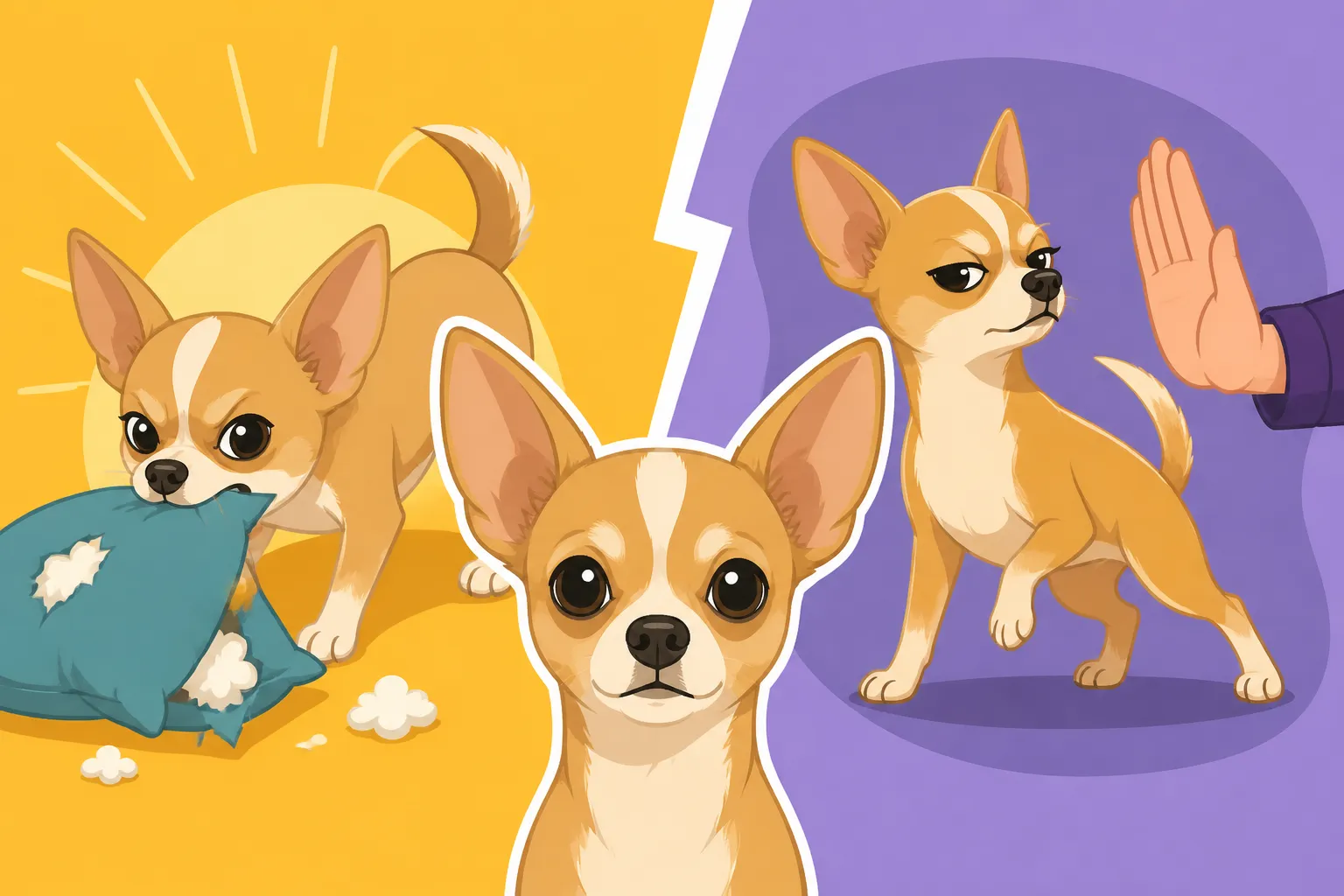
Chihuahua Adolescence and Testing Behavior
You've probably just started to feel like you've got this whole puppy thing down – your little Chihuahua is mostly house-trained, responding to their name, and even knows a trick or two. Then, almost overnight, it's like a tiny, furry alien has moved in! Suddenly, they're "forgetting" their potty training, barking at every leaf that blows by, and pushing every boundary you thought you'd established. This isn't a setback; it's Chihuahua adolescence, and it's a very real and sometimes frustrating phase. This guide will walk you through what to expect when your tiny terror hits their teen months, why these behaviors pop up, and most importantly, how to navigate them with patience and effective training.
Understanding Chihuahua Adolescence: More Than Just a Growth Spurt
Just like human teenagers, Chihuahuas go through a period of significant physical and behavioral change as they transition from puppyhood to adulthood. It’s often characterized by newfound boldness, boundary pushing, and sometimes, a bit of forgetfulness when it comes to manners. It can be easy to despair, wondering if all your hard work went out the window, but rest assured, this is a normal developmental stage.
The Timeline of Teenhood in a Tiny Dog
While larger breeds might not hit adolescence until 18-24 months, Chihuahuas, like most small breeds, tend to mature faster. You'll typically see the first signs of adolescence emerge between 6 and 12 months of age, sometimes even earlier. This period can last until they're around 18 months to two years old, although some Chihuahuas might retain certain "teenager" traits a bit longer. It’s not a consistent, smooth curve; expect peaks and valleys in their behavior. One day they might seem like a perfectly obedient angel, and the next, they're testing every single rule.
During this time, their hormones are surging, similar to a human teenager's puberty. For intact Chihuahuas, this means an increase in sex-specific behaviors. Females might experience their first heat cycle, bringing hormonal shifts that can affect mood and focus. Males might become more interested in sniffing, marking, and challenging other dogs. Even if your Chihuahua is spayed or neutered, their brain is still developing, moving from a puppy brain focused on exploration to an adult brain processing social structures and their place in the world. This is why The Age a Chihuahua Counts as Senior is so far off from their adolescent period – they have a long journey of growth ahead.
Why Chihuahuas Hit Adolescence with a Bang
Chihuahuas, with their big personalities packed into tiny bodies, can seem to experience adolescence with an amplified intensity. Their innate "terrier-like" spirit, as described in the breed standard, often means they're not shy about expressing themselves or asserting their newfound independence. This isn't them being "stubborn" or "bad"; it's a natural drive to explore their world and test the limits of their environment, including their relationship with you.
Their small size can also contribute to how these adolescent behaviors manifest. A surge of confidence in a tiny dog might lead to them barking at much larger dogs, not fully understanding the size difference. A newly brave Chihuahua might decide to explore tight spaces or jump from heights that are risky for their delicate joints. It’s essential to remember that these behaviors aren't personal attacks; they're expressions of a developing dog trying to figure things out. Their intense bond with their primary caregiver, a hallmark of the breed, can also lead to more pronounced reactions if they perceive a change in routine or attention during this sensitive period.
Common "Testing Behaviors" You'll See
The adolescent phase is often called the "testing" phase for a reason. Your Chihuahua will likely try out a variety of new behaviors, pushing boundaries to see what they can get away with. It's not malicious; it's simply how dogs learn about their world and their place in it.
Pushing Boundaries with Training
One of the most common and frustrating adolescent behaviors is the sudden "forgetting" of commands they once knew perfectly. Your Chihuahua might suddenly ignore their recall when called at the dog park, or decide that "stay" is merely a suggestion. They might walk away from a sit-stay you just taught them with such pride. This isn't defiance for the sake of it, but rather an exploration of independence. They're testing to see if the rules still apply, or if they can find greater rewards by doing something else. It's a prime example of The Training Gap Chihuahua Owners Create if they don't stay consistent.
This boundary pushing can manifest in different ways. Maybe they suddenly start grabbing things off tables they never bothered with before, or they become more insistent about jumping on furniture, even if you've been working on teaching them appropriate greetings. They might become pickier with their food or treats, holding out for something "better" rather than accepting their usual rewards for good behavior. This is a critical time to be extra consistent with your training, reinforcing every command and rewarding desired behaviors, even the ones they "should" know. Consider revisiting short, fun training sessions daily, perhaps with higher value treats to capture their attention.
Sudden Reactivity and Fear
Adolescence often brings a surge in fear-based behaviors or reactivity. A Chihuahua who was previously social and confident might suddenly become wary of strangers, new dogs, or even everyday objects like garbage bins. This can be startling for owners, leading them to wonder if their dog has developed an issue overnight. It's often due to a "second fear period" that can occur during adolescence, where dogs become more sensitive to stimuli and process experiences with greater caution. For a Chihuahua, this can translate into increased barking, growling, or lunging at perceived threats. Chihuahua Fear Reactivity, the Breed's Real Problem is a common concern that often peaks during these months.
They might bark excessively at passersby outside the window, or become agitated when the doorbell rings, even if they were previously calm. This isn't necessarily aggression, but often a manifestation of fear or insecurity, coupled with their natural alert barking tendencies. They're asking, "Is this safe? What should I do?" It's crucial to approach this with management and positive counter-conditioning, rather than punishment, which can worsen fear. If your Chihuahua suddenly seems to be reacting to everything, think about what triggers these responses and how you can manage their environment to reduce exposure or change their emotional response through positive associations.
Increased Marking and House Training Regressions
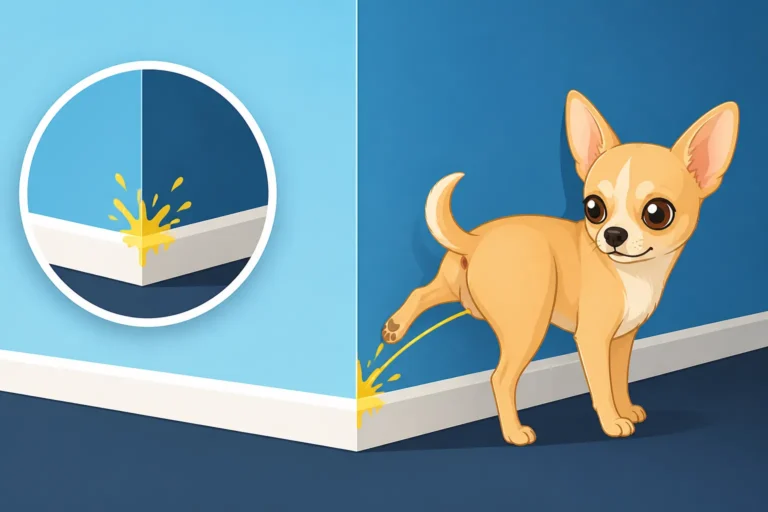
Just when you thought potty training was a thing of the past, your adolescent Chihuahua might start having "accidents" again, particularly marking behavior. This is especially true for intact males, whose hormones drive them to scent-mark their territory, even indoors. But even spayed/neutered Chihuahuas can regress during adolescence. It could be due to testing boundaries, increased anxiety, or simply a temporary lapse in focus. You might find them lifting a leg on furniture, walls, or even your leg, or squatting in places they previously wouldn't dream of. This can be incredibly frustrating after months of diligent work.
This regression isn't a sign that your Chihuahua isn't smart enough to be house-trained. It's a signal that their brain is undergoing changes, and they're exploring their environment in new ways. A Chihuahua Marking the Same Corner repeatedly is a classic sign of this. It's important to go back to basics: increase potty breaks, especially after waking, eating, or playing. Supervise them closely indoors, and reward heavily for eliminating outside. Using belly bands for males (or doggy diapers for females) can help manage indoor marking while you work on retraining. Thoroughly cleaning any indoor accidents with an enzymatic cleaner is also vital to remove scent markers that encourage repeat behavior.
Managing the Adolescent Energy and Zest
Despite their small size, adolescent Chihuahuas can have a surprising amount of energy and "zest" for life. This isn't the same as puppy zoomies; it's a more directed, sometimes mischievous, energy that needs an appropriate outlet. If their energy isn't channeled positively, it can contribute to destructive behaviors, excessive barking, or general restlessness.
Structured Exercise for a Small Dog
While they might fit in a handbag, Chihuahuas still need regular, structured exercise to burn off steam and maintain a healthy weight. During adolescence, this becomes even more crucial. Instead of just letting them wander around the house, incorporate deliberate walks and play sessions. Aim for at least 20-30 minutes of walking daily, perhaps split into two or three shorter outings. Walking a Chihuahua Twenty Minutes a Day is a great benchmark. These walks aren't just for physical exercise; they also provide invaluable mental stimulation through sniffing new smells and seeing different sights.
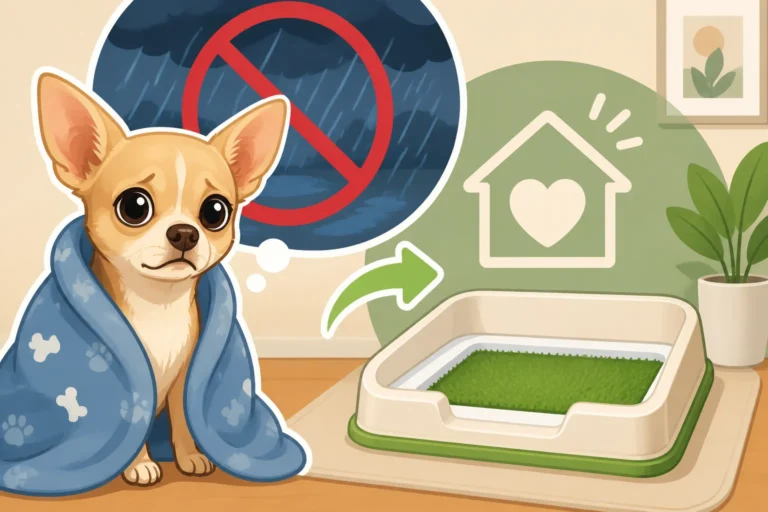
Consider varying your walking routes to keep things interesting. Explore a new park, walk down a different street in your neighborhood, or even try a short, leashed hike on an easy trail. Always be mindful of weather conditions, as Chihuahuas are sensitive to both cold and heat. In inclement weather, indoor games can be a lifesaver. Tug-of-war, fetch down a hallway, or even a game of "hide and seek" with their favorite toy can burn a surprising amount of energy. Remember that physical activity can also help reduce the likelihood of destructive behaviors that stem from boredom.
Mental Stimulation to Keep Their Brain Busy
Physical exercise alone often isn't enough for the sharp, developing mind of an adolescent Chihuahua. They need mental stimulation to truly feel fulfilled and to tire out their brains. Think of it like sending a human teenager to school and then expecting them to just run laps all day – they need to learn and think too! Puzzle toys are fantastic for Chihuahuas. Brands like KONG, West Paw, or Outward Hound (readily available on Amazon) offer a range of mentally engaging toys that require your Chihuahua to figure out how to get treats. These can keep them occupied for significant periods, redirecting their energy into problem-solving.
Beyond puzzle toys, short, frequent training sessions are excellent mental workouts. Even just three-minute bursts of practicing known commands or learning new tricks can be incredibly tiring for their brains. Teach them new tricks like "spin," "paw," or "weave" through your legs. Scent work is another fantastic option – hide treats around the house and encourage them to sniff them out. This engages their powerful sense of smell and builds confidence. Providing a variety of appropriate chew toys can also satisfy their natural urge to chew, which often increases during adolescence, diverting them from chewing on your furniture. Indoor Games for a Chihuahua can offer many ideas for this.
Revisiting Training Foundations (and Why It's Crucial)
When your adolescent Chihuahua starts "forgetting" their training, it's not time to give up; it's time to double down on the basics. This period is less about teaching entirely new things and more about solidifying what they already know under new circumstances, with their maturing brain.
Consistency is Your Best Friend
During adolescence, consistency isn't just important—it's absolutely critical. Every family member needs to be on the same page regarding rules, commands, and expectations. If one person allows jumping on the couch and another doesn't, your Chihuahua will quickly learn to exploit that inconsistency. They're testing the boundaries, and if they find a loophole, they'll use it. Revisit your house rules and make sure everyone is enforcing them uniformly. This might mean having a quick family meeting to review what's expected.
Consistency also applies to your daily routine. Chihuahuas thrive on predictability. Maintaining consistent feeding times, potty breaks, and exercise schedules can provide a sense of security and reduce anxiety, which can sometimes fuel undesirable behaviors. When training, use the same command words and hand signals every time. Don't say "sit" one day and "plop" the next. Short, frequent training sessions, even just Three Minute Training Sessions With a Chihuahua, can help reinforce good habits without overwhelming your little one. Remember, you're not trying to teach them something new from scratch, but rather to remind them that the rules still apply, even when their hormones are telling them to be a rebel.
Positive Reinforcement: Still the Golden Rule
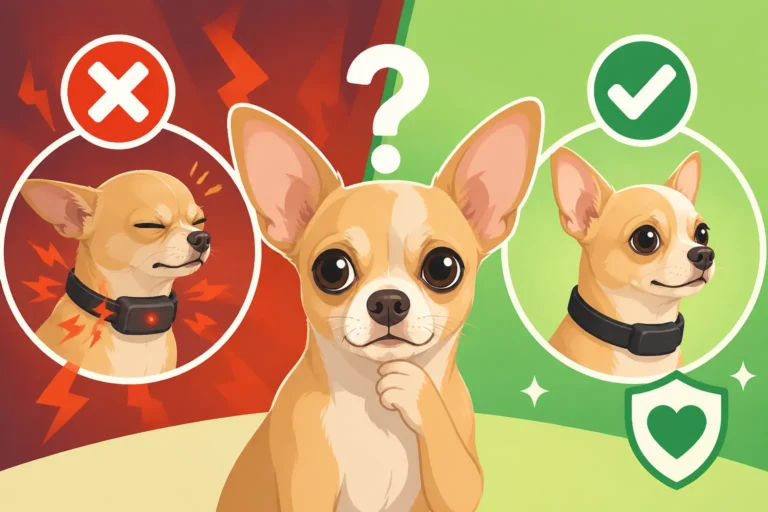
It can be tempting to get frustrated when your adolescent Chihuahua seems to be ignoring you or actively misbehaving. However, this is precisely when sticking to positive reinforcement is most vital. Punishing "bad" adolescent behaviors can damage your bond, create fear, and actually suppress the outward signs of their distress without addressing the underlying cause. Instead of making them understand, it just makes them fear your reaction, potentially leading to increased reactivity or hiding behaviors. Remember, Why Harsh Handling Damages a Chihuahua Fast applies even more to their sensitive nature.
Focus on rewarding the behaviors you do want to see. Did they offer a sit when someone came to the door instead of barking? Treat! Did they come when called, even if it took a moment longer than usual? Treat! Use high-value treats (tiny pieces of cooked chicken, cheese, or their favorite soft treat) to make positive experiences incredibly rewarding. Many trainers, like those at BAXTER & Bella, emphasize reward-based methods for all ages. When your Chihuahua makes a "mistake," calmly interrupt the undesirable behavior, redirect them to an appropriate alternative, and then reward that behavior. For example, if they start to chew on a chair leg, gently redirect them to an appropriate chew toy and praise them enthusiastically when they start chewing on it.
Addressing Specific Behavioral Challenges
Adolescence can bring about specific behavioral challenges that need targeted strategies. These aren't just general "puppy naughtiness"; they require a thoughtful approach to ensure they don't become ingrained adult habits.
Resource Guarding and How to Handle It
Resource guarding, which is when a dog protects their food, toys, or even a preferred resting spot from perceived threats, can sometimes emerge or intensify during adolescence. Your Chihuahua might growl if you approach their food bowl, snap if you try to take a cherished toy, or even guard a particular person or lap. For such a small dog, this can seem surprising, but it's a very normal canine behavior rooted in self-preservation. However, it's important to address it safely and effectively to prevent it from escalating. Chihuahua Food and Toy Guarding is a real concern even in tiny dogs.
The key to managing resource guarding is to avoid confrontation and instead teach them that your approach means good things. For food guarding, try the "trade-up" method: approach while they're eating, drop an even higher-value treat into their bowl, and then walk away. They learn that you approaching means more good things, not taking things away. For toy guarding, teach a "drop it" cue by trading a toy for a treat. This makes letting go a positive experience. Never punish guarding behavior, as it can escalate fear and lead to bites. If it's person-guarding, ensure the dog has their own dedicated space and isn't constantly on a lap, and practice positive interactions with other family members.
Separation Anxiety During the Teen Months
While some degree of vocalization or mild distress when left alone is normal for puppies, true separation anxiety can sometimes develop or worsen during adolescence. As their social bonds solidify, some Chihuahuas can become intensely attached to their people, leading to significant stress when separated. This can manifest as excessive barking or howling, destructive chewing (especially around exits), pacing, panting, or even inappropriate urination/defecation when left alone. These aren't acts of defiance; they are panic responses. You might notice The Chihuahua Separation Signs Owners Miss beforehand.
Managing separation anxiety requires patience and a gradual approach. Start by practicing very short absences – just seconds at first – and gradually increase the time. Make your departures and arrivals low-key, avoiding big emotional goodbyes or hellos. Provide engaging puzzle toys (like a KONG stuffed with frozen peanut butter or cream cheese) to keep them occupied as you leave. Create a safe, comfortable "den" for them, perhaps a crate covered with a blanket, which can provide a sense of security. Never punish your Chihuahua for anxiety-related behaviors, as this only increases their stress. For more severe cases, consulting a certified professional dog trainer or veterinary behaviorist is highly recommended.
When to Seek Professional Help
While adolescent "acting out" is normal, there are times when a Chihuahua's behavior shifts warrant professional intervention. It's easy to dismiss issues in a small dog, thinking they're less serious, but unresolved behavioral problems can lead to a lifetime of stress for both you and your Chihuahua.
Identifying Red Flags in Adolescent Behavior
Knowing when to call in the pros can be tricky, as some adolescent behaviors can mimic more serious underlying issues. Here are some red flags to watch for:
- Sudden Increase in Aggression: While a growl for resource guarding is a warning, an unprovoked bite or a rapid escalation to biting in multiple situations is a serious concern. If your Chihuahua is consistently showing teeth, lunging, or snapping at family members, visitors, or other dogs without clear warning signals, it's time for professional help.
- Intense Fear or Panic: Beyond typical adolescent wariness, if your Chihuahua is constantly trembling, hiding, refusing to eat, or showing signs of extreme panic in everyday situations, it indicates a deeper anxiety issue. This can also include severe and persistent separation anxiety.
- Inability to Focus or Be Redirected: If you find your Chihuahua is completely tuning you out during training, even with high-value treats, or is unable to calm down from an agitated state, it might indicate they're overwhelmed or that current training methods aren't effective.
- Self-Harm or Destructive Behaviors: Excessive licking to the point of bald spots, compulsive tail chasing, or destructive chewing that poses a danger to themselves (ingesting foreign objects) are not normal adolescent behaviors and need immediate attention.
- Significant Changes in Appetite or Sleep: While occasional fluctuations are normal, a drastic change in eating habits, prolonged lethargy, or extreme restlessness could indicate a medical issue or severe stress, and warrants a vet visit first. Keep an eye out for Chihuahua Behavior Shifts That Mean a Knee Hurts, for example, as pain can often manifest as behavioral changes.
Finding a Trainer Who Understands Toy Breeds
If you decide to seek professional help, it's crucial to find a trainer who has experience and a deep understanding of toy breeds like Chihuahuas. Not all trainers are created equal, and some may inadvertently use methods that are too harsh or simply inappropriate for a small, sensitive dog. You want someone who prioritizes positive reinforcement and force-free methods. A good trainer will understand the unique challenges of training a Chihuahua, from their delicate physical structure to their often intense personalities. Vetting a Trainer Before You Book a Chihuahua is a vital step.
Look for trainers with certifications from reputable organizations like the Certification Council for Professional Dog Trainers (CCPDT) or the Karen Pryor Academy (KPA). Ask about their experience working specifically with Chihuahuas or other toy breeds. A qualified professional will conduct an initial consultation to assess your Chihuahua's behavior in context, rather than immediately jumping to solutions. They should create a personalized plan that focuses on behavior modification and building your Chihuahua's confidence, rather than just suppressing symptoms. Online resources, like those from BAXTER & Bella, can also provide guidance and connect you with certified trainers who understand small dog dynamics. Don't hesitate to interview a few trainers to find the right fit for you and your furry teenager.
| Developmental Stage | Approximate Age Range | Common Behaviors | Owner Strategies |
|---|---|---|---|
| Puppyhood | 8 weeks – 6 months | Exploration, biting, rapid learning, short attention span, frequent potty needs. | Consistent house training, positive socialization, gentle handling, short play sessions. |
| Adolescence | 6 months – 18 months | Boundary testing, house training regression, increased fear/reactivity, resource guarding, surge of independence, selective hearing. | Increased consistency in training, positive reinforcement, mental stimulation, managing environment, revisiting basic commands, careful socialization. |
| Adulthood | 18 months + | Settled routine, reliable commands, mature temperament, established personality. | Continued maintenance training, regular exercise, consistent care, preventative vet visits. |
Disclaimer
This article is for general informational purposes only and does not constitute professional advice. Laws, prices and regulations vary by location and change over time. Consult a qualified professional for guidance on your specific situation.