Chihuahua Crate Training
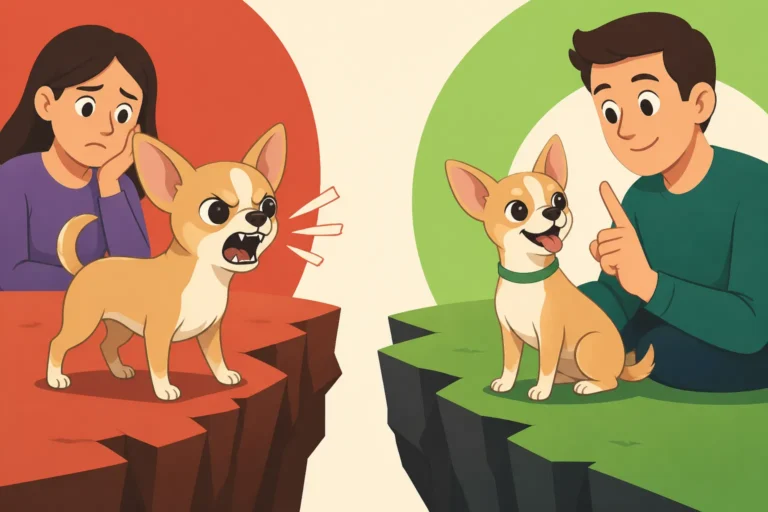
It's a common worry for many new Chihuahua owners: how on earth do you crate train such a tiny, seemingly delicate creature? There's a persistent myth that crates are cruel or unnecessary for small dogs, leading many to skip this vital training. However, neglecting proper crate training can actually leave your little companion feeling insecure, prone to accidents, and even at risk of injury. This comprehensive guide will walk you through how to kindly and effectively crate train your Chihuahua, transforming the crate into their personal, safe, and happy den.
Debunking Crate Training Myths for Small Dogs
Let's address the elephant in the room – or rather, the tiny Chihuahua in the crate. Many people mistakenly believe that crating a small dog is akin to caging it, thinking it's mean or restrictive for a breed that often seeks constant companionship. This couldn't be further from the truth when done correctly. For Chihuahuas, in particular, a crate offers a unique set of benefits that contribute to their overall well-being and security.
Why a Crate Isn't a Cage for Your Chihuahua
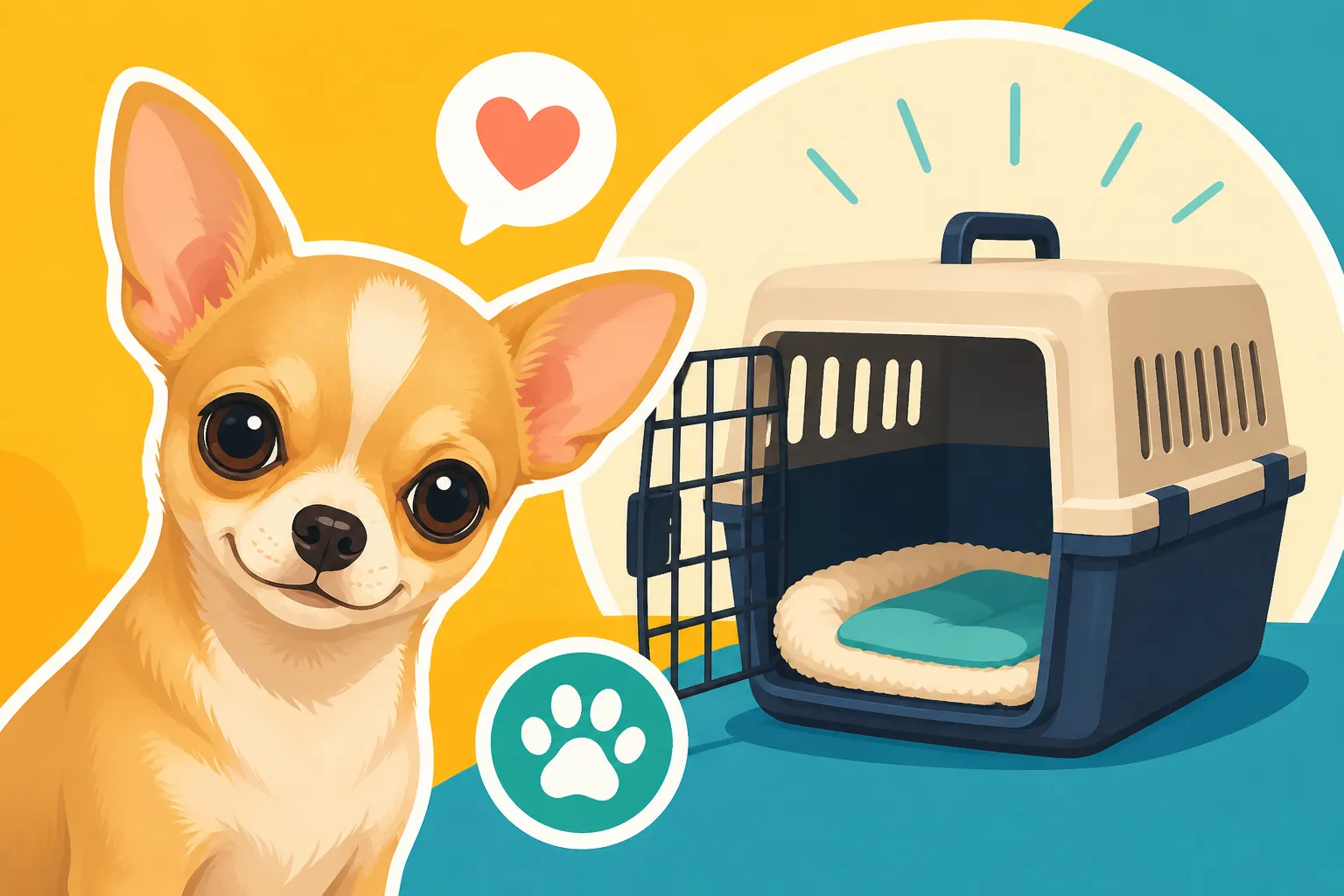
Think about it from a dog's perspective. Historically, canines are den animals. They naturally seek out small, enclosed spaces where they feel safe and protected from the elements or predators. A crate, when introduced positively, taps into this innate instinct. It becomes their personal bedroom, a sanctuary where they can retreat for quiet time, sleep undisturbed, or simply feel secure. It's not a place of punishment; it's their safe haven.
Many Chihuahuas, especially those prone to anxiety or fear reactivity, actually thrive with a designated safe space. It gives them a predictable environment to decompress when things get overwhelming, whether it's the commotion of guests, loud noises, or simply needing a break from playtime. This sense of ownership over their den can significantly reduce stress and promote a feeling of control in their tiny world. It's about empowering them with a personal zone, not trapping them.
This safe space can also be invaluable when you introduce your Chihuahua to new environments. Imagine bringing your little one to a friend's house or on vacation. If they are already comfortable in their crate, that familiar den provides a sense of continuity and security in unfamiliar surroundings, easing any potential anxiety. It's their little piece of home that travels with them.
The Critical Role of Crates in Preventing Accidents and Injuries
Chihuahuas are incredibly small, making them vulnerable in a busy household. They can easily be underfoot, tripped over, or accidentally stepped on, leading to serious injuries. A crate acts as a crucial safety barrier, protecting them when you can't supervise them directly. This is especially true if you have young children or larger, more rambunctious pets in the home, for whom an accidental bump could cause significant harm.
Beyond preventing physical injury, a crate can also protect your Chihuahua from getting into household dangers. Curious puppies or even adult Chihuahuas might chew on electrical cords, ingest toxic plants, or swallow small objects that could cause choking or internal damage. Confining them to a safe, crate-enclosed space when you're unable to supervise means you can rest assured they won't accidentally harm themselves or destroy your belongings. It's a proactive measure to keep them safe in a world that wasn't designed for their diminutive size.
Furthermore, consider situations like home repairs, deliveries, or when you have visitors over who might not be accustomed to a tiny dog. During these times, having a designated safe and secure place for your Chihuahua prevents escapes, keeps them from being overwhelmed, and ensures they won't accidentally dart out an open door or get underfoot. It’s peace of mind for you and safety for them.
Selecting the Perfect Crate for Your Pint-Sized Pal
Choosing the right crate is more nuanced than simply grabbing the smallest one on the shelf. The size, material, and setup all play a crucial role in making the crate a positive and effective tool for your Chihuahua. Get this wrong, and you might inadvertently make crate training a frustrating experience for both of you.
Sizing Up: Finding the Goldilocks Crate
One of the biggest mistakes owners make is choosing a crate that's either too large or too small. For house training, a crate that's too big can actually hinder progress. Dogs naturally don't want to soil their sleeping area. If the crate is excessively large, your Chihuahua might simply choose one end to sleep in and the other end to use as a potty area, completely defeating the purpose of using the crate to encourage bladder control.
The "just right" size means your Chihuahua should be able to stand up, turn around, and lie down comfortably without excessive extra space. Measure your Chihuahua from the tip of their nose to the base of their tail, and from the top of their head to the ground when standing. Add a few inches to these measurements to ensure ample, but not excessive, room. For puppies, a crate with a divider is a fantastic solution, allowing you to expand the space as they grow and ensuring it's always the perfect "just enough" size. Chihuahua Crate Size and Setup is an excellent resource for detailed measurement guidance.
On the flip side, a crate that's too small would be genuinely uncomfortable and stressful, leading to negative associations. It should never feel cramped or restrictive. A properly sized crate respects their need for comfort while gently guiding them towards better house manners. This careful balance is key to making the crate a successful training tool and a welcome retreat.
Material Matters: Wire, Plastic, and Soft-Sided Options
When it comes to crate materials, you have a few good choices, each with its own benefits and drawbacks for a Chihuahua:
- Wire Crates: These are often the most versatile. They offer excellent ventilation and visibility, which some Chihuahuas enjoy as they like to keep an eye on their surroundings. Many come with removable dividers, perfect for adjusting size for a growing puppy. They're also generally durable and easy to clean. However, some Chihuahuas might feel less secure due to the open nature, and they might shiver more if their den isn't covered or padded adequately, as Chihuahuas can struggle with Why a Chihuahua Shivers Indoors.
- Plastic Crates (or "Vari Kennels"): These crates provide a more den-like, enclosed feel, which can be very comforting for Chihuahuas seeking a cozy, private space. They're often favored for travel because they're sturdy and approved by many airlines. The solid walls can help retain warmth, which is a big plus for a thin-coated Chihuahua. The trade-off is less visibility and ventilation, so ensuring proper air circulation is important.
- Soft-Sided Crates: These are lightweight and highly portable, making them convenient for owners who travel frequently or want a temporary setup. They offer a comfortable, fabric enclosure. However, they are generally only suitable for Chihuahuas who are already crate-trained and not prone to chewing, as they can be easily damaged. They don't offer the same level of security or durability as wire or plastic options.
Consider your Chihuahua's personality. Do they like to see everything that's going on, or do they prefer a quiet, hidden retreat? Also, think about their chewing habits. A puppy might do better in a wire or plastic crate that can withstand their needle-sharp teeth, whereas a gentle, adult Chihuahua might enjoy the softness of a fabric crate.
| Crate Type | Pros | Cons | Best For |
|---|---|---|---|
| Wire Crate | Excellent ventilation, good visibility, durable, easy to clean, often comes with dividers. | Less den-like feel, can be drafty, some Chihuahuas might feel exposed. | Growing puppies, Chihuahuas who like to see their surroundings, easy maintenance. |
| Plastic Crate | Den-like security, good for travel, retains warmth, private. | Less ventilation, limited visibility, can be bulky for storage. | Anxious Chihuahuas, frequent travelers, dogs needing a strong sense of enclosure. |
| Soft-Sided Crate | Lightweight, highly portable, comfortable, easy to store when folded. | Not chew-proof, less secure, difficult to clean if soiled. | Already crate-trained Chihuahuas, short-term use, light travel. |
Setting Up Your Chihuahua's Cozy Den: Beyond Just a Box
Once you've selected the perfect crate, the next step is transforming it from a metal or plastic box into an inviting, comfortable den. The interior setup and the crate's location within your home are just as important as the crate itself in fostering a positive experience for your Chihuahua.
Furnishing the Den: Comfort and Security Essentials
A bare crate will feel cold and uninviting. To make it truly a "den," you'll need to add some cozy elements. Start with soft, washable bedding. This could be a small dog bed, a thick blanket, or even a old, familiar towel that smells like you. Chihuahuas, with their minimal body fat and sometimes thin coats, are particularly susceptible to cold. Having a plush, warm space where they can burrow and snuggle is absolutely essential. Many love to create a "nest" out of blankets, mimicking their natural desire to dig and create a secure resting spot.
Next, include a safe, non-destructible toy. A KONG filled with a smear of peanut butter (xylitol-free, of course!), or a puzzle toy can keep them happily occupied and create positive associations with being in their crate. This also helps distract them if they're feeling a bit restless or lonely. Make sure any toys are appropriate for their size and cannot be swallowed. You can find a wide variety of these specialized enrichment toys, along with treats small enough for your Chihuahua, on platforms like Amazon.
Water is another consideration, especially if your Chihuahua will be crated for more than an hour or two. A clip-on water bowl designed for crates is ideal, as it prevents spills and ensures they stay hydrated without turning their den into a puddle. Just be mindful of bladder limitations, especially with puppies.
Strategic Placement: Where to Put the Crate
The location of the crate in your home can significantly impact your Chihuahua's comfort and training success. Avoid placing the crate in an isolated area of the house, like a basement or an unused guest room, especially during initial training. Chihuahuas are social creatures who thrive on companionship; being completely separated from the family can lead to feelings of loneliness and anxiety.
Instead, choose a quiet, yet central, area where your Chihuahua can still feel like part of the family without being in the direct path of constant foot traffic. A corner of the living room, a quiet spot in your bedroom, or a den area can work well. At night, placing the crate next to your bed can be incredibly comforting for a new puppy or a Chihuahua prone to separation anxiety, as they can still hear and smell you, easing their transition to sleeping alone.
Also, be mindful of environmental factors. Ensure the crate is not in a drafty area, near a loud appliance, or in direct sunlight that could cause overheating. Chihuahuas can get cold easily, so a spot away from open windows or cold floors is ideal. Ultimately, the best location is one that makes your Chihuahua feel safe, included, and comfortable.
Gentle Crate Introduction: Building Positive Associations
The key to successful crate training is to make it a consistently positive experience. A Chihuahua should choose to go into their crate, not be forced. This gentle approach builds trust and ensures their den remains a happy place, not a place of punishment or fear.
Luring with Love: Making the Crate a Rewarding Experience
When you first introduce your Chihuahua to the crate, leave the door open. Toss a high-value treat or a favorite toy inside and let them explore it at their own pace. Never push, pull, or force them into the crate. The goal is for them to associate the crate with good things. Use a cheerful, encouraging voice.
Start with very short, positive sessions. Once they go in to retrieve a treat, praise them softly. If they come out, that's fine. Repeat this a few times a day. You can also start feeding them their meals inside the crate. Place the food bowl just inside the door, and as they get more comfortable, move it further back. This makes the crate synonymous with delicious food, a powerful motivator for any dog. For a comprehensive list of tiny, delicious rewards, consider Treats Small Enough for Chihuahua Training. Remember, consistency and patience are paramount here.
Once they are happily going into the crate to eat or get a treat, try gently closing the door for a few seconds while they're still eating or chewing on a toy. Immediately open it before they show any signs of distress. Gradually increase this duration over several sessions, always making sure to open the door before they get anxious. The aim is to build their confidence that the door closing is not permanent.
Integrating Crate Time into Daily Routines
Beyond initial introductions, weaving crate time into your Chihuahua's daily schedule is essential for long-term success. One of the most effective strategies is to put your Chihuahua in their crate for short periods when you know they're tired or due for a nap. After a play session, a walk, or right before their usual nap time are ideal moments. They're more likely to settle down and relax if they're already sleepy.
Another powerful technique is to always take your Chihuahua for a potty break immediately before crating them and immediately after releasing them. This helps reinforce the idea that the crate is for sleeping and resting, not for eliminating. Knowing How Long a Chihuahua Can Hold Its Bladder can help you plan these crucial potty breaks, especially for young puppies who need to go out very frequently. This routine helps them understand that relief is always just outside their den.
Start with very short periods, perhaps 10-15 minutes, while you're still in the room. As they get comfortable, you can gradually increase the duration and step out of the room for a minute or two. The key is gradual exposure and ensuring positive experiences each time. Never use the crate as punishment, as this will quickly undo all your hard work and create negative associations. The crate should always be a place of comfort and safety, not a penalty box.
Navigating Common Crate Training Hurdles
Even with the best intentions and a gentle approach, crate training can present its challenges. Your tiny Chihuahua might express their displeasure vocally or have an accident, which can be frustrating. Understanding these common hurdles and how to address them effectively is key to maintaining progress and preventing setbacks.
Taming the Whines and Barks: What to Do When Your Chihuahua Protests
It's almost inevitable: at some point, your Chihuahua will likely whine or bark when in their crate. Your reaction to this vocalization is critical. First, you need to distinguish between genuine cries of distress or an urgent need to potty, and attention-seeking whines. A high-pitched, insistent bark or whine after a short period, especially if it's been a while since their last potty break, might indicate they need to go out. In this case, calmly take them out for a quick potty trip, praise them if they go, and then return them to the crate. Avoid making a big fuss or turning it into a play session.
If you're certain they don't need to potty and they've been recently exercised and fed, their vocalization is likely a plea for attention or a desire to be out with you. In these situations, the hardest thing to do is often the most effective: ignore it. If you respond every time they whine or bark, you inadvertently teach them that making noise gets them what they want. Wait for a brief moment of silence – even just a second – before releasing them. This teaches them that quiet behavior gets rewarded. You can also offer a long-lasting chew toy or a food-filled puzzle (like a frozen KONG) when you put them in the crate. This can keep them happily occupied and prevent whining from starting. For specific strategies on managing vocalizations when you're away, explore A Chihuahua That Barks When You Leave and Chihuahua Separation Anxiety and Time Alone. These articles offer deeper insights into the root causes of anxiety-related barking and how to address them.
It's a delicate balance, and patience is your best friend. Remember, you're teaching them independence and self-soothing skills, which are incredibly valuable for their overall confidence and well-being.
Tackling Accidents in the Crate: When House Training Goes Awry
Discovering a potty accident in your Chihuahua's crate can be disheartening, especially if you felt like you were making progress with house training. However, it's a common setback and usually points to one of a few issues rather than a failure on your part or your Chihuahua's.
Firstly, re-evaluate the crate size. As mentioned earlier, if the crate is too large, your Chihuahua might be using one end as a bathroom, which defeats the purpose of the crate in house training. Ensure the crate is just big enough for them to stand, turn around, and lie down comfortably, with no extra room to spare. For puppies, a divider is truly indispensable for adjusting the space as they grow.
Secondly, increase the frequency of potty breaks. Chihuahuas have tiny bladders, and young puppies, in particular, cannot hold it for very long. If accidents are happening in the crate, it's likely you're asking them to hold it for too long. Take them out immediately before crating and as soon as you let them out. For young pups, this might mean potty breaks every hour or two, gradually extending as they get older. If you're struggling with house training in general, resources like Chihuahua House Training in Cold Weather can provide additional context on common challenges with tiny dogs and how to adapt your routine.
Finally, always clean any accidents thoroughly with an enzymatic cleaner designed to eliminate pet odors. If residual smells remain, your Chihuahua might be more likely to use that spot again. Never scold or punish your Chihuahua for an accident in their crate. They don't understand punishment in the way we might intend, and it will only create fear and negative associations with their den, making future crate training much harder. Instead, calmly clean it up and adjust your schedule and crate setup to prevent future occurrences.
Advancing Crate Skills and Long-Term Success
Crate training isn't just for puppies or for initial house training. It's a skill that provides lifelong benefits for your Chihuahua, making travel easier and offering a consistent source of security as they age. Think of it as investing in their long-term comfort and safety.
The Crate as a Travel Companion and Safe Haven
For many Chihuahua owners, travel is a part of life. Whether it's a road trip to visit family or a flight across the country, a Chihuahua who is comfortable and confident in their crate makes the experience significantly less stressful for everyone. An accustomed crate serves as a familiar, secure space in new and often overwhelming environments. If your Chihuahua sees their crate as a safe den at home, they'll view it the same way in a bustling airport terminal, a hotel room, or a car.
Using the crate for car travel ensures your Chihuahua's safety. A loose dog in a vehicle can be a dangerous distraction and is vulnerable to injury in case of a sudden stop or accident. A secure crate, properly buckled in, keeps them safe and contained. For tips on choosing the right travel gear, Chihuahua Carriers and Travel Bags offers practical advice on options that prioritize both safety and comfort for your small companion.
Moreover, having a Chihuahua who is comfortable in their crate can ease visits to the veterinarian. Instead of being placed in an unfamiliar clinic cage, their own familiar crate can accompany them, providing a sense of comfort and reducing anxiety during what can be a stressful experience. They have their safe space, their blanket, and the familiar scent of home, making the vet's office feel a little less intimidating.
Lifetime Crate Benefits: Maintaining a Positive Relationship
Even after your Chihuahua is fully house-trained and no longer a rambunctious puppy, maintaining a positive relationship with their crate is beneficial. Occasional, short stints in the crate, even for adult Chihuahuas, reinforce the idea that it's a normal and pleasant part of their routine. This ensures that if you ever do need to crate them for an emergency, travel, or during recovery from an injury, it won't be a source of stress or confusion.
Continue to make the crate a comfortable and appealing place. Keep it clean, ensure the bedding is fresh, and occasionally rotate the toys inside to keep it interesting. If your Chihuahua enjoys a specific type of treat or chew, reserve those for crate time to maintain that strong positive association. This ongoing reinforcement prevents the crate from becoming a forgotten or dreaded object.
Over the years, the crate will continue to serve as a designated safe spot for your Chihuahua, a place where they can retreat when they need quiet or feel overwhelmed. As your Chihuahua enters their senior years, their crate can become an even more important sanctuary, providing a secure, comfortable place for rest and sleep away from household bustle. Staying proactive with all aspects of their training and care, including consistent positive crate association, is crucial to avoiding common pitfalls as they grow. To learn more about common missteps and how to proactively ensure your Chihuahua's well-being, read The First Year Mistakes Chihuahua Owners Make. For continuous guidance and inspiration, online training programs, such as those offered by BAXTER & Bella, provide structured approaches to reinforce positive habits like comfortable crating throughout your Chihuahua's life.
Disclaimer
This article is for general informational purposes only and does not constitute professional advice. Laws, prices and regulations vary by location and change over time. Consult a qualified professional for guidance on your specific situation.