Why a Chihuahua Learns Everything a Big Dog Can
One of the most disheartening things for any Chihuahua owner is hearing the dismissive comments: "Oh, Chihuahuas can't really be trained," or "They're too stubborn for that." This mindset often leads to owners inadvertently limiting their tiny companions, robbing them of the joy and confidence that comes from learning. This guide is here to dismantle those myths, showing you exactly why a Chihuahua can learn everything a big dog can, and how to unlock their incredible potential.
Dispelling the Myth: Why Chihuahuas Are Not Untrainable
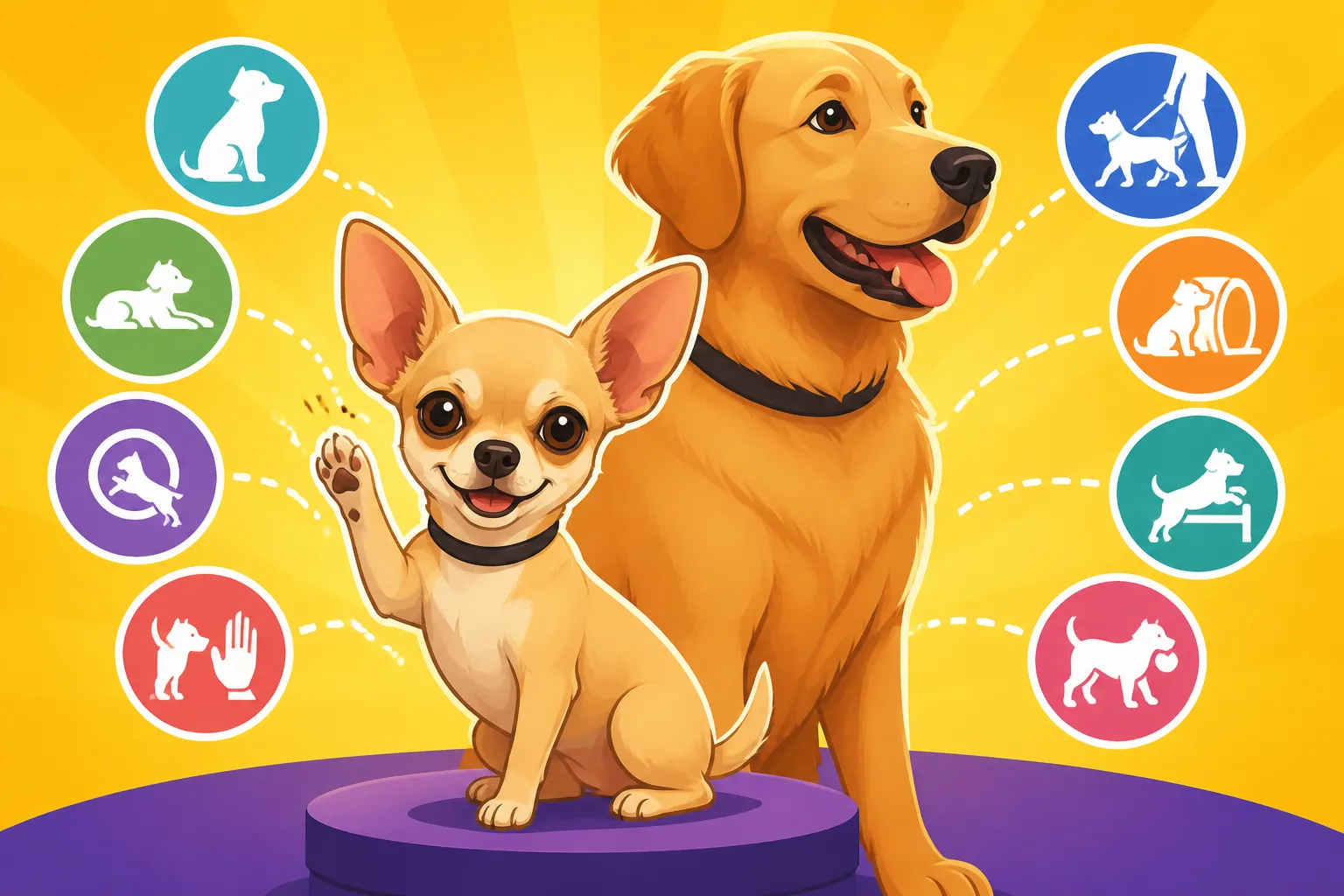
It’s an old tale, and frankly, a tired one: the idea that Chihuahuas are inherently difficult to train. Owners often find themselves caught in a cycle of frustration, believing their tiny companion is too stubborn, too nervous, or simply "unsmart" to learn complex commands or behave politely. This pervasive myth does a huge disservice to the breed and to dedicated owners who genuinely want the best for their small dogs. The truth is, Chihuahuas are intelligent, eager to please (when motivated correctly), and perfectly capable of mastering everything from basic obedience to advanced tricks. The challenge often lies not with the dog's capacity, but with our approach and expectations.
Where the Perception Comes From
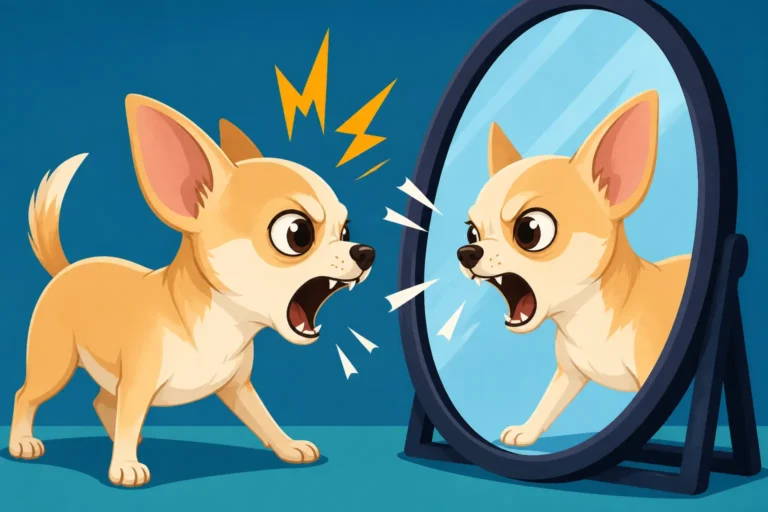
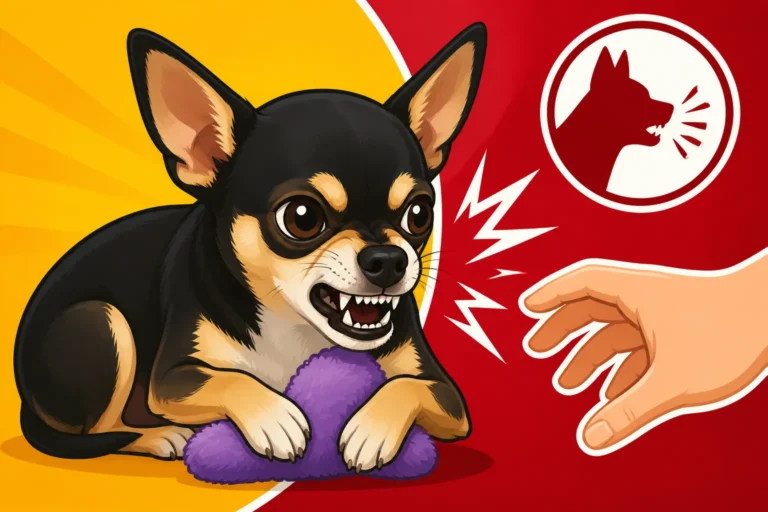
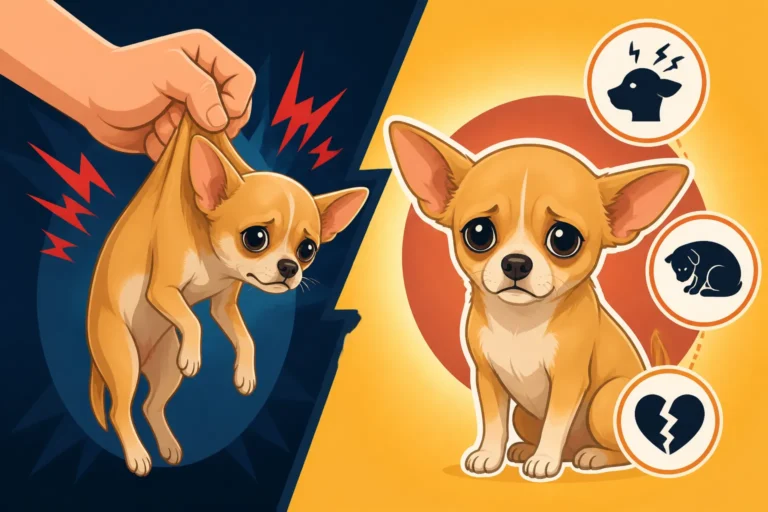
Many of the perceptions around Chihuahuas being "untrainable" stem from a few common mistakes and misunderstandings. First, their small size often leads to them being treated more like infants than dogs. We scoop them up when they misbehave, rather than correcting the behavior. We laugh at their defiant barks or their resource guarding because it seems "cute" coming from such a tiny creature, instead of seeing it as a genuine behavior problem that needs addressing. This unintentional pampering reinforces undesirable behaviors, making them seem stubborn or disobedient when they're simply acting on learned patterns.
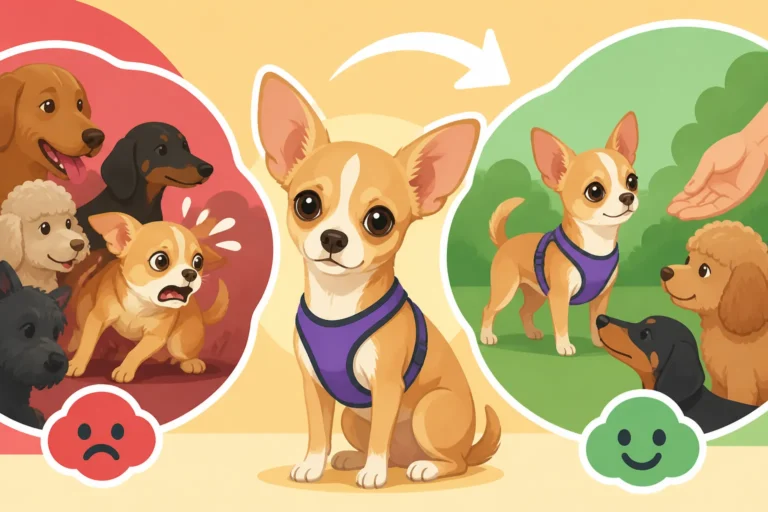
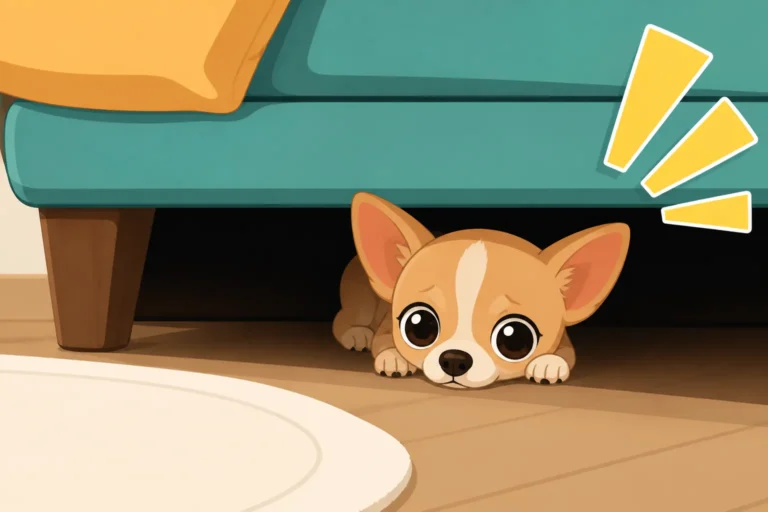
Another factor is their protective instinct. Chihuahuas are known for being fiercely loyal and protective of their chosen person. While this is endearing, without proper socialization and training, it can manifest as fear-based reactivity towards strangers or other dogs. Chihuahua Fear Reactivity, the Breed's Real Problem is often mistaken for aggression or stubbornness, when in reality, it's a desperate attempt by a tiny dog to create distance from something it perceives as a threat. When owners don't understand this underlying fear, they often fail to address it with appropriate training, further cementing the idea that the dog is "untrainable" or "mean."
The Intelligence Hiding in a Small Package
Beneath the shivering facade or the fierce bark, Chihuahuas possess a sharp intellect and a keen observational ability. They are descendants of ancient dogs, the Techichi, revered by civilizations like the Toltecs and Aztecs, which implies they were valued for more than just their size. These dogs had to be adaptable, observant, and capable of understanding their human companions. Modern Chihuahuas carry this legacy, often demonstrating a surprising capacity for problem-solving and learning when given the chance.
Their intelligence often reveals itself in their ability to quickly pick up routines, understand nuanced human cues, and even manipulate situations to their advantage – sometimes too well! This isn't stubbornness; it's smarts at play. If a Chihuahua learns that barking gets them attention, they'll bark. If they learn that a sad puppy-dog face earns them a treat, they'll turn on the charm. The key is to channel this intelligence into positive, desirable behaviors through consistent and clear training. Think of them as tiny sponges, ready to soak up whatever information you provide, good or bad.
Why Chihuahua Training Isn't Just for Big Dogs
The notion that training is somehow less necessary or different for Chihuahuas compared to larger breeds is a fundamental error. Basic obedience, good manners, and socialization are not exclusive to Labradors or German Shepherds; they are foundational for any well-adjusted canine citizen, regardless of their size. In fact, for a dog as physically vulnerable as a Chihuahua, proper training can be a literal lifesaver, providing them with the skills to navigate a big, sometimes scary, world safely.
The Benefits of a Well-Trained Chihuahua
A well-trained Chihuahua is a joy to live with, plain and simple. Imagine a dog that comes when called, sits politely for greetings, walks calmly on a leash, and doesn't engage in excessive barking every time a leaf blows past the window. This isn't just a pipe dream; it's an achievable reality with consistent training. One of the biggest benefits is increased safety. A strong recall, for instance, could prevent your tiny dog from darting into traffic or approaching a potentially aggressive dog. Chihuahua Recall When a Bigger Dog Approaches is a skill that could save their life.
Beyond safety, training dramatically boosts a Chihuahua's confidence. Dogs, like people, thrive on knowing what's expected of them. When they understand commands and receive positive reinforcement for their efforts, it builds their self-assurance and reduces anxiety. A confident Chihuahua is less likely to be fear-reactive or resort to nipping. Furthermore, training deepens the bond between you and your dog. It's a language you both learn to speak, creating mutual understanding and trust that enriches your relationship beyond measure. It allows you to include them in more aspects of your life, making them true companions rather than just pampered lapdogs.
Overcoming Small Dog Syndrome
"Small Dog Syndrome" isn't a genetic condition; it's a collection of learned behaviors often inadvertently encouraged by human owners. It manifests as excessive barking, nipping, growling at strangers, resource guarding, and general defiance – behaviors that would never be tolerated in a large dog but are often excused in a small one. This is perhaps the biggest hurdle to overcome when training a Chihuahua. People often let their small dogs get away with behaviors because they're "cute" or "harmless" at their size, not realizing the underlying stress and anxiety these behaviors cause the dog.
The solution to Small Dog Syndrome and Why It Is Not Genetic is simple: treat your Chihuahua like a dog, not a toy. This means setting clear boundaries, enforcing rules consistently, and providing appropriate training. When a Chihuahua learns that growling at guests isn't acceptable and that sitting quietly earns praise and treats, the "syndrome" begins to melt away. This isn't about being harsh; it's about being fair and consistent, offering clear communication, and empowering your Chihuahua to make good choices. A truly well-adjusted Chihuahua is one that knows how to exist politely in the world, not one that is constantly stressed by the need to defend itself or its resources.
Tailoring Training Methods for the Tiny Trainee
While the principles of dog training apply universally, tailoring the methods and tools to suit a Chihuahua's diminutive size and unique needs is absolutely crucial. You wouldn't use a sledgehammer to drive a nail, and similarly, you wouldn't use techniques designed for a Rottweiler on a three-pound Chihuahua. It’s all about scaling down the approach to fit their small stature and sometimes delicate nature.
Positive Reinforcement and Tiny Treats
For any dog, but especially for Chihuahuas, positive reinforcement is the gold standard. This means rewarding desired behaviors with something your dog loves – usually food, praise, or a favorite toy. For a Chihuahua, the size of the reward matters immensely. A blueberry-sized treat for a Labrador is still a generous bite, but for a Chihuahua, it might be an entire meal! Opt for training treats that are truly tiny, easily swallowed, and highly palatable. You can find excellent options on platforms like Amazon, often specifically labeled for small breeds, or even break larger treats into pea-sized portions. The goal is to deliver a quick burst of flavor without filling them up or taking too long to chew, so the training session keeps moving.
Beyond food, enthusiastic praise and gentle petting can be powerful motivators. Chihuahuas often bond very closely with their owners, and a happy, approving voice can mean the world to them. Some Chihuahuas are also highly toy-motivated, so a tiny squeaky ball or a soft tug toy can be a fantastic reward for a job well done. The key is to discover what your individual Chihuahua values most and use that to your advantage. Remember, motivation is the engine of learning, and positive methods build confidence and enthusiasm, rather than fear or compliance through intimidation.
Short, Engaging Sessions
Chihuahuas, like most dogs, have relatively short attention spans, especially when they are young or new to training. Trying to force a 30-minute training session on a tiny puppy will quickly lead to frustration for both of you. Instead, focus on short, frequent, and highly engaging sessions. Aim for 3-5 minute bursts, several times a day. This approach keeps your Chihuahua interested, prevents mental fatigue, and allows them to retain information more effectively. Three Minute Training Sessions With a Chihuahua are far more productive than one long, tedious one.
During these short sessions, keep the atmosphere light and fun. End on a positive note, even if it means asking for an easy command like "sit" and rewarding generously. This leaves your Chihuahua wanting more, associating training with positive experiences. Vary the location of your training sessions as well – start in a quiet living room, then move to a slightly busier hallway, and eventually try a quiet corner of the park. This helps them generalize their learning, understanding that "sit" means "sit" no matter where they are.
Equipment That Fits
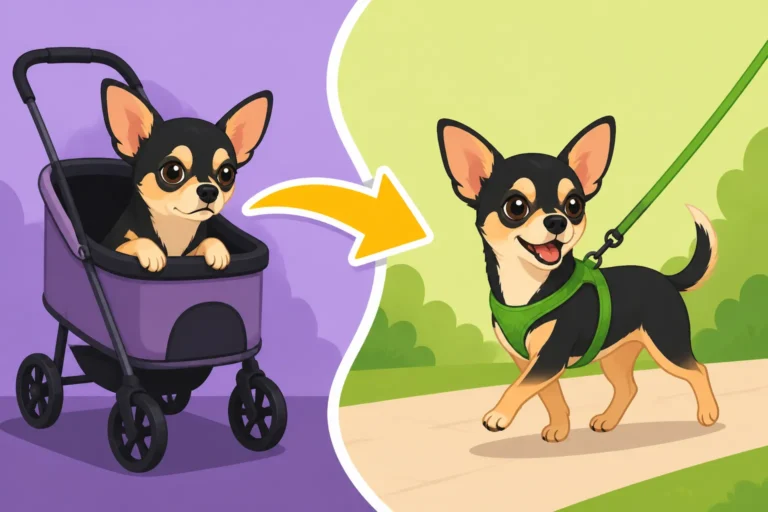
Appropriate equipment is vital for a Chihuahua's comfort and safety during training. Because of their delicate necks and propensity for conditions like Collapsing Trachea and the Chihuahua Honking Cough, a collar should never be used for leash attachment. Instead, invest in a well-fitting harness. There are many excellent, lightweight harnesses designed specifically for tiny dogs, available from retailers like Amazon. Look for ones that distribute pressure evenly across their chest and back, rather than concentrating it on their throat. A comfortable harness means your Chihuahua will be more willing to walk on a leash and less likely to resist.
When it comes to leashes, a lightweight, standard four-to-six-foot leash is usually ideal. Avoid heavy, bulky leashes designed for larger breeds, as they can pull uncomfortably on a Chihuahua's small body. For travel and secure containment during training breaks, a small, cozy crate or carrier can be invaluable. This provides a safe space for them to relax and observe, without being overwhelmed. Finally, don't forget toys! Small, durable toys that fit their tiny mouths are important for play, enrichment, and as potential training rewards.
Proofing Basic Commands for Real-World Success
It’s one thing for your Chihuahua to perform a perfect "sit" in your quiet living room, but it’s an entirely different challenge to get them to do it at a bustling park with squirrels and other dogs around. This is where "proofing" comes in – teaching your dog to respond to commands reliably, no matter the distractions or environment. This step is critical for a Chihuahua's safety and your peace of mind, ensuring their learned behaviors translate into real-world good manners.
Beyond the Living Room: Training in Public
The journey from living room to public spaces requires a systematic approach. Start by gradually introducing more distractions. Begin with mild, controlled distractions in a familiar environment, like a family member walking by or a quiet radio playing. Once your Chihuahua can reliably perform commands under these circumstances, slowly increase the level of distraction. This might mean training near an open window, then in your yard, and eventually moving to a quiet street or a less-crowded public area.
The key is to set your Chihuahua up for success. Don't throw them into a chaotic environment immediately and expect perfection. If they struggle, go back to a less distracting environment and build up again. Reward heavily for successful responses in distracting environments. The challenge for Chihuahuas is that everything in the outside world is significantly larger and potentially more intimidating. Building their confidence through positive experiences and successful training in varied settings is paramount. Building a Chihuahua's Confidence Outdoors often involves very gradual exposure and generous rewards for calm behavior.
Essential Life Skills Every Chihuahua Needs
While it's fun to teach tricks, certain basic commands are non-negotiable life skills for every Chihuahua. A solid "come" (recall) is perhaps the most important. Given their small size and speed, a reliable recall can prevent them from getting lost or running into danger. Practice this frequently in safe, enclosed spaces, making it the most rewarding command you teach. Yummy treats and enthusiastic praise should always accompany a successful recall.
"Sit" and "stay" are excellent for impulse control and polite greetings. Imagine your Chihuahua sitting patiently while guests enter, rather than jumping or barking excitedly. Loose-leash walking is another crucial skill. A Chihuahua pulling on its harness is not only uncomfortable for them but can also be a safety hazard for you if they suddenly lunge into traffic. Teaching them to walk calmly by your side, even with minor distractions, makes walks enjoyable for both of you. Lastly, a "leave it" command can prevent them from snatching dropped food or investigating potentially dangerous items on the ground. What Six Pounds Means for Chihuahua Food Safety is a reminder that even tiny toxic morsels can be fatal.
Advanced Training and Beyond: Unleashing Potential
Don't let anyone tell you that Chihuahuas are only good for sitting on laps. While they excel at being devoted companions, they also have a surprising capacity for advanced training and canine sports. Tapping into this potential isn't just about showing off; it's about providing mental stimulation, physical exercise, and a deeper bond that comes from collaborative work.
Agility, Tricks, and Canine Sports
For the Chihuahua that loves to learn and has a zest for life, activities like agility, rally obedience, or even learning complex trick sequences can be incredibly rewarding. Picture your tiny dynamo weaving through poles, sailing over miniature jumps, or performing a precise "finish" by your side. Chihuahuas are surprisingly agile and quick-witted, often excelling in these areas. Organizations like BAXTER & Bella offer online puppy and dog training programs that can help you lay the foundation for these activities, providing structured lessons that you can follow at your own pace.
Even if competitive sports aren't your goal, teaching a variety of tricks like "spin," "bow," "fetch," or "find it" provides wonderful mental enrichment. These activities engage their brains, burn off energy, and prevent boredom, which can often lead to undesirable behaviors. It’s also a fantastic way to impress your friends and family, changing their perception of what a Chihuahua is truly capable of. Whether a Chihuahua Can Learn Agility is a resounding yes!
Building a Deeper Bond Through Learning
Ultimately, engaging in training with your Chihuahua, whether it's basic manners or advanced tricks, is an investment in your relationship. Each successful training session strengthens the communication channels between you, building trust and mutual respect. It moves beyond simple pet ownership to a true partnership, where you both understand and anticipate each other's actions.
The mental exercise involved in learning new skills is just as important as physical exercise for a Chihuahua's overall well-being. A bored Chihuahua can become a destructive or overly vocal one. By actively teaching them, you're providing an outlet for their intelligence and energy, leading to a calmer, happier, and more well-adjusted companion. It truly proves that these tiny dogs are mighty in spirit and capacity, capable of endless learning and bringing immense joy into our lives.
Training Comparison Table: Chihuahua vs. Generic Large Breed
| Training Aspect | Chihuahua Approach | Generic Large Breed Approach |
|---|---|---|
| Motivation/Treat Size | Tiny, high-value, easily swallowed treats (e.g., pea-sized bits of cheese, cooked chicken, or specific small-breed training treats found on Amazon). | Larger, palatable treats (e.g., kibble, standard training treats, hot dogs cut into chunks). |
| Session Duration | Very short (3-5 minutes), frequent bursts throughout the day to maintain focus and enthusiasm. | Longer sessions (10-15 minutes, 2-3 times a day) as their attention span allows for more sustained work. |
| Equipment | Essential: Well-fitting chest harness for walks (to protect delicate trachea). Lightweight leash. Cozy, small crate/carrier. | Standard collar or harness. Standard leash. Larger crate for safe space and containment. |
| Socialization | Crucial for preventing fear-reactivity. Controlled, positive exposure to calm people, dogs (especially small ones), and environments. Prioritize safety from larger dogs. | Broad exposure to diverse people, dogs, and environments. Focus on polite interactions and confidence building. |
| Addressing Undesirable Behavior | Consistent, clear redirection using positive methods. Avoid physical punishment (due to fragility). Focus on preventing "Small Dog Syndrome" by setting clear boundaries. | Consistent correction and redirection. Can withstand more physical interaction (e.g., leash pops, blocking access) but positive reinforcement is still preferred. |
| Physical Considerations | Prone to Patellar Luxation, the Chihuahua's Commonest Joint Problem and tracheal issues. Avoid excessive jumping, rough play. Training must be low-impact and safe. | Generally more robust, but still consider joint health for large, fast-growing breeds. Impact on joints varies by breed. |
| Home Training Resources | Online programs like BAXTER & Bella are excellent for structured, at-home learning, allowing controlled environments. | Can benefit from online programs, but group classes are often more accessible due to their robustness and less vulnerability in public. |
Disclaimer
This article is for general informational purposes only and does not constitute professional advice. Laws, prices and regulations vary by location and change over time. Consult a qualified professional for guidance on your specific situation.