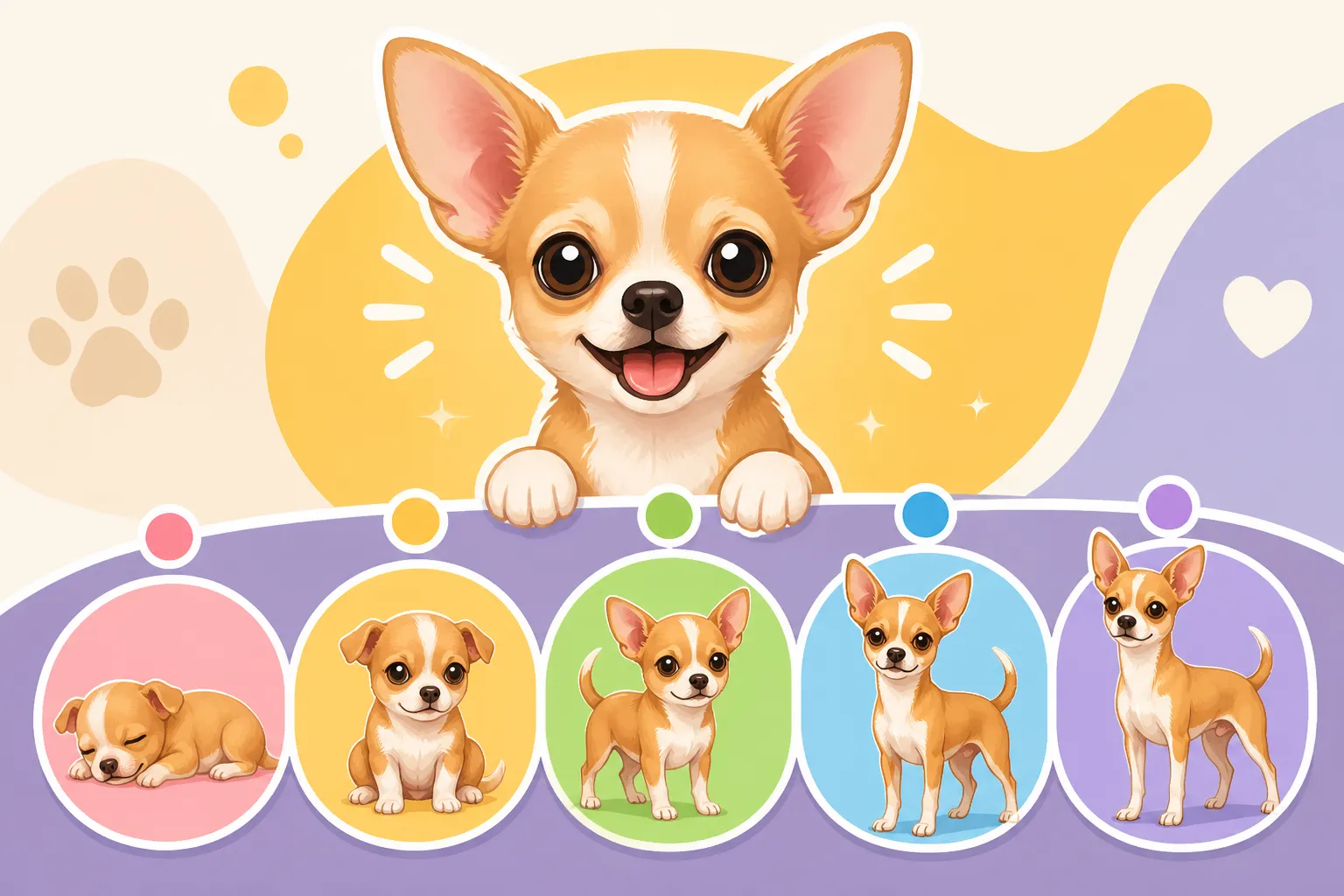
The Chihuahua Puppy Curriculum Month by Month
Bringing home a tiny Chihuahua puppy is an incredibly exciting time, but let's be honest, it can also feel utterly overwhelming. You've got this little creature, no bigger than a soda can, who relies on you for everything, and you might be wondering where on earth to start with training without accidentally squashing their spirit or, worse, their tiny body. This guide is designed to cut through that anxiety, offering a realistic, month-by-month curriculum to help you confidently raise a well-adjusted, happy Chihuahua from puppyhood right through to their thriving adult years.
Why a Structured Curriculum Matters for Your Chihuahua Puppy
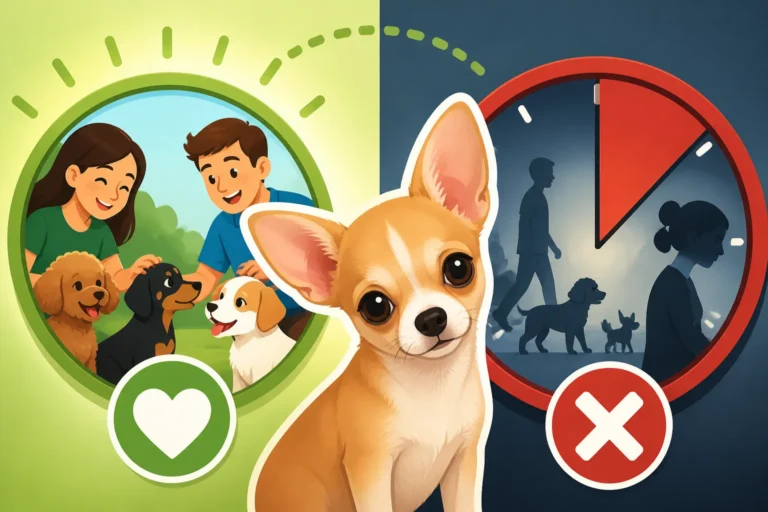
When you welcome a Chihuahua puppy into your home, it’s easy to get caught up in their undeniable cuteness. They are so small, so fragile, and often, new owners unintentionally treat them more like porcelain dolls than actual dogs. This is a common, understandable pitfall, but it can unfortunately lay the groundwork for a lifetime of behavioral challenges often lumped under the frustrating label of "small dog syndrome." A structured curriculum isn't about rigid rules; it's about providing clear expectations and consistent guidance tailored to their unique size and needs, ensuring they grow into confident, well-mannered companions.
Counteracting "Small Dog Syndrome" from the Start
"Small dog syndrome" isn't a genetic condition; it's a learned behavior, a direct result of how tiny dogs are often treated differently from their larger counterparts. Think about it: a ten-pound dog jumping on a guest might be considered "cute" by some, but a seventy-pound dog doing the same thing is a definite problem. Owners of larger breeds are almost instinctively driven to train good manners from day one because the consequences of not doing so are so immediate and apparent. With Chihuahuas, their small size often means their undesirable behaviors are dismissed or even encouraged, leading to issues like excessive barking, aggression towards strangers or other dogs, and a general lack of confidence.
Without a consistent approach, your Chihuahua might learn that acting out gets them picked up and protected, or that barking is the only way to communicate their discomfort in a big, scary world. A structured curriculum helps you establish boundaries, build trust, and teach your puppy appropriate ways to interact with their environment and the people in it, regardless of their size. It empowers your little one to navigate the world confidently, rather than retreating into fear or aggression. We want them to understand that they are dogs, with all the capabilities and responsibilities that entails, not fragile ornaments.
Building Confidence in a Big World
The world can be a truly overwhelming place for a Chihuahua. Every giant human, every loud noise, every towering Labrador they encounter can be a source of anxiety. Without proper, gradual exposure and positive reinforcement, these experiences can quickly lead to fear-based reactivity. This isn't about "toughening them up" but rather about carefully introducing them to new sights, sounds, smells, and sensations in a way that builds positive associations.
A structured training plan includes specific goals for socialization, ensuring your puppy meets a variety of friendly people and animals, explores different environments, and experiences different textures and sounds, all while feeling safe and secure with you. This systematic exposure, done correctly, helps them develop resilience and a robust sense of self, rather than becoming perpetually anxious or defensive. It's about empowering them to be brave, not forcing them to be.
The First Month Home: 8 to 12 Weeks Old (Foundation Building)
This is perhaps the most critical period in your Chihuahua puppy's life. They are fresh from their littermates, navigating a completely new environment, and soaking up every experience like a sponge. The focus here is on creating a safe, predictable routine, initiating potty training, introducing positive associations with handling, and beginning very gentle socialization. Remember that a young Chihuahua puppy can run out of blood sugar quickly, so frequent small meals are absolutely essential during this time. Chihuahua Hypoglycemia in the First Twelve Weeks is a must-read for any new owner.
Settling In and Establishing Routine
Your puppy has just left everything they know. Their mom, their siblings, the scents and sounds of their first home are all gone. The first few days, and even weeks, are all about making them feel safe and secure in your home. This means establishing a clear, predictable daily routine for feeding, potty breaks, playtime, and sleep. Consistency is key to helping them adjust and feel confident. Where will they sleep? What time will they eat? When are potty breaks? Having these answers ready makes a huge difference.
Set up a safe, cozy space for your puppy, perhaps a crate or a small playpen, where they can retreat and feel secure. This should be their personal sanctuary, not a punishment zone. Provide warm, comfortable bedding and a few safe, appropriate chew toys. When they arrive, show them their potty spot immediately. Make sure their eating schedule is consistent; a young Chihuahua puppy might need food every few hours to prevent a sugar crash.
Potty Training Basics
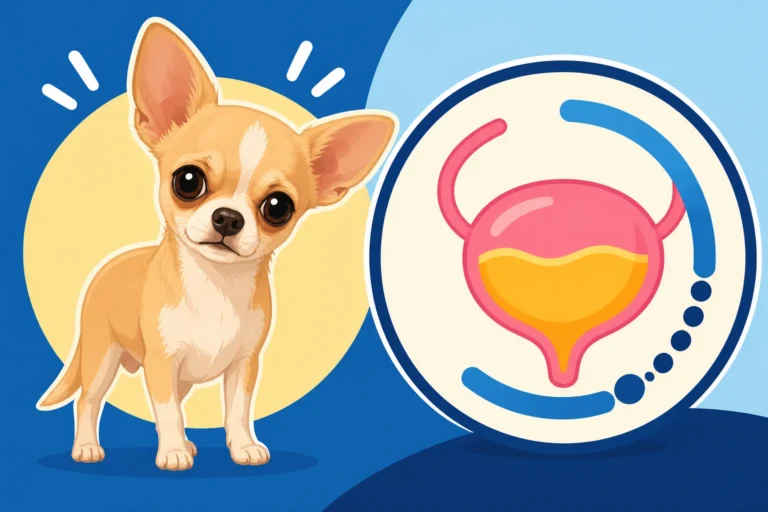
Potty training a Chihuahua requires patience and a keen eye, largely due to their tiny bladders. They simply cannot hold it for very long. Your curriculum needs to include very frequent trips outside or to their designated indoor potty spot. Think every 30-60 minutes when they're awake, immediately after waking up, after playing, and after eating.
Always go with them and praise them enthusiastically the moment they finish their business in the right spot. Use a high-pitched, happy voice and offer a tiny, high-value treat. Avoid scolding them for accidents inside; they don't understand punishment in that context, and it can just make them afraid to potty in front of you. Instead, clean up thoroughly with an enzymatic cleaner to remove all scent. Consider How Many Weeks Chihuahua Potty Training Takes to set realistic expectations.
Gentle Handling and Bite Inhibition
Chihuahua puppies, like all puppies, explore the world with their mouths and have needle-sharp teeth. Teaching bite inhibition—how to control the pressure of their bite—is crucial. When your puppy nips too hard during play, let out a high-pitched "ouch!" or "yip!" and immediately withdraw attention for 10-20 seconds. This mimics how their littermates would react. Then, redirect them to an appropriate chew toy. This teaches them that hard bites end play, while gentle bites (or no bites) keep the fun going. For more on this, check out Chihuahua Puppy Biting at Fingers.
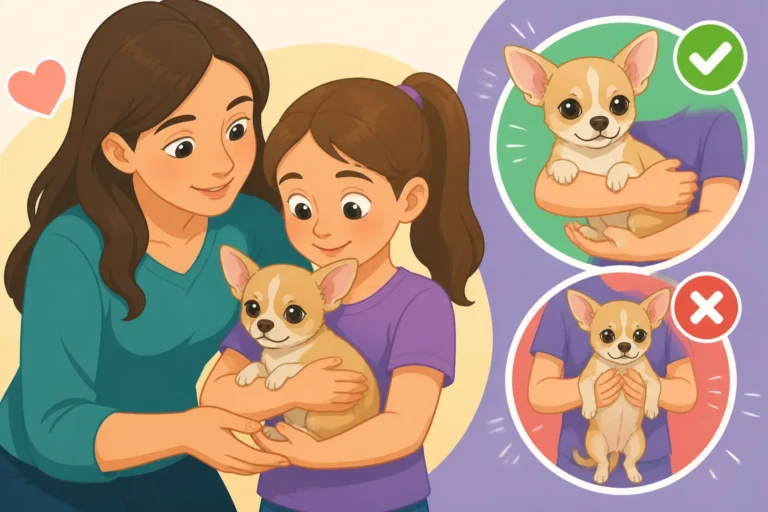
Beyond bite inhibition, getting your Chihuahua puppy accustomed to being handled is essential for future vet visits, grooming, and general care. Gently touch their ears, paws, mouth, and tail for very short periods, always followed by praise and a tasty treat. Make it a positive experience, never a forceful one. This builds a foundation of trust and makes these necessary interactions much less stressful for everyone involved later on.
Three to Six Months: Expanding Horizons (Socialization & Basic Obedience)
As your Chihuahua puppy moves into this age range, they'll become more confident and curious, and their brains are still incredibly receptive to learning. This is a prime time for expanding their world through careful, positive socialization and introducing core obedience commands. Their attention span is still short, so keep training sessions brief, positive, and fun. Three Minute Training Sessions With a Chihuahua are perfect for this age.
Continued Socialization
The socialization window for puppies is generally considered to close around 16 weeks, though positive experiences should continue throughout their lives. During these months, the goal is to expose your Chihuahua to a wide variety of novel, positive experiences. This includes different people (men, women, children, people with hats, beards, glasses), different environments (parks, stores where dogs are allowed, car rides), and various sounds (traffic, vacuums, doorbells). The key is quality over quantity. One positive interaction is worth a hundred stressful ones.
Enroll in a puppy class! Look for classes specifically for small breeds or those that carefully manage interactions between different sizes. Puppy Classes That Group Chihuahuas With Toys can be incredibly beneficial. These classes provide a safe, structured environment for your puppy to interact with other vaccinated puppies and learn how to be comfortable around new people and dogs under supervision. Always ensure experiences are positive; never force your Chihuahua into an interaction they seem uncomfortable with.
Basic Obedience Commands
This is the age to introduce foundational obedience commands that will be invaluable for their entire life. Focus on "sit," "stay" (even for a few seconds), "come" (reliable recall is vital for their safety), "down," and "leave it." Use positive reinforcement methods exclusively, rewarding desired behaviors with high-value treats and praise. Marker Training a Chihuahua From Eight Weeks can be a very effective way to communicate precisely what behavior earns a reward.
Keep training sessions short, perhaps 3-5 minutes, several times a day, to match their attention span. Make it a game! For "come," start in a small, enclosed area and make it the most exciting thing in the world when they run to you. For "leave it," place a low-value treat on the floor, cover it with your hand, and reward them when they look at you instead of the treat. Slowly build up to higher-value distractions.
Leash Training and Harness Acclimation
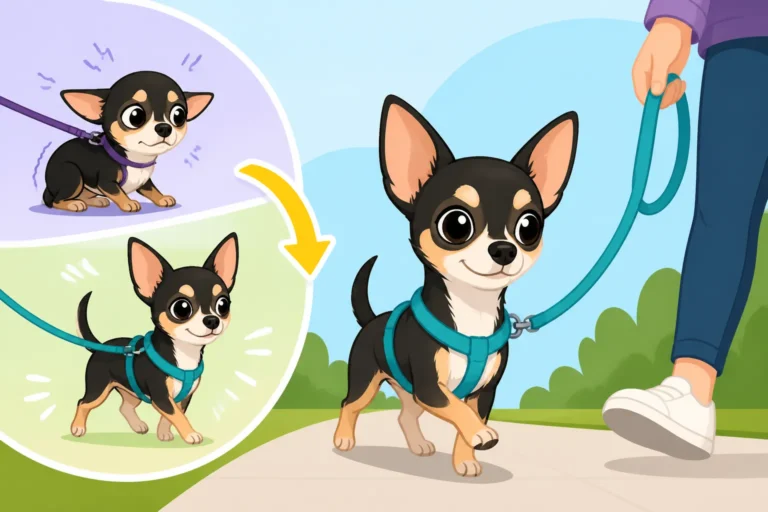
It's never too early to introduce a harness and leash. For Chihuahuas, a well-fitting harness is absolutely critical because of their delicate tracheas. A collar can put dangerous pressure on their windpipe, especially if they pull. Why a Harness Matters for a Chihuahua Windpipe is a critical read. Start by letting your puppy wear the harness for short periods inside, associating it with positive things like mealtime or playtime.
Once they're comfortable with the harness, attach a lightweight leash and let them drag it around indoors under supervision. Then, practice walking with you inside, offering treats for walking calmly beside you. Gradually move to short walks outdoors in a quiet area, praising and rewarding them for any steps they take nicely on the leash. Don't worry about perfection; focus on positive association and making it a pleasant experience. A brand like Kurgo or Ruffwear offers harnesses with good fit and support for small breeds.
Six to Nine Months: Refining Skills (Consistency & Problem Solving)
As your Chihuahua enters this phase, they're likely hitting adolescence. This can be a challenging time, as they might start testing boundaries, forgetting commands they once knew, and developing new anxieties or fears. This is not the time to give up; it's the time to double down on consistency, patience, and positive reinforcement. Their physical capabilities are growing, but their emotional maturity is still catching up. Chihuahua Adolescence and Sudden Boldness is a helpful resource for understanding this stage.
Reinforcing Core Commands and Consistency
Adolescence often comes with a dose of "selective hearing." Your puppy knows "sit," but suddenly, they might decide it's optional, especially in distracting environments. This is normal. The goal now is to proof their behaviors, meaning they learn to perform commands reliably in different locations, with different distractions, and with different people. Practice commands in your living room, then in the backyard, then on a quiet street, then at the park.
Make sure everyone in the household is using the same cues and rewards. Inconsistency is a teenager's best friend! If one person lets them jump on the couch and another scolds them, they'll just get confused. Keep training sessions brief, positive, and engaging. Continue to use high-value treats (broken down into tiny pieces, as Treats Small Enough for Chihuahua Training suggests) to keep their motivation high.
Addressing Adolescent Behaviors
During these months, you might encounter new behavioral quirks. Increased barking, resource guarding, or even a sudden fear of something they previously ignored are common. If you notice an increase in barking at windows or the door, start working on counter-conditioning. When they see something outside that makes them want to bark, interrupt the bark and immediately reward them for quiet attention to you.
Resource guarding, where they protect food, toys, or even a preferred person, can become more pronounced. This isn't about being "dominant"; it's often rooted in insecurity. Start with very gentle exercises, like approaching their food bowl and dropping an even better treat into it before walking away, teaching them that your approach means good things. For deeper issues, seeking advice from a certified professional dog trainer or behaviorist can be invaluable. What a Chihuahua Growl Is Actually Telling You helps decipher their communication.
Body Language and Consent
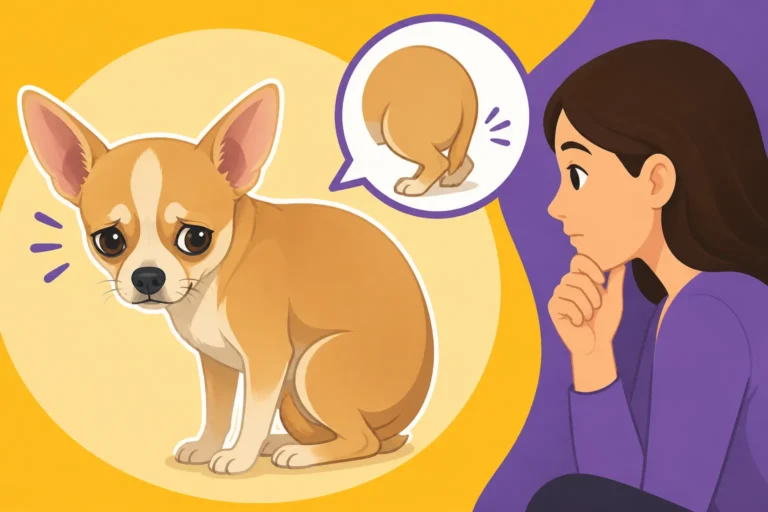
As your Chihuahua matures, it's even more important to become fluent in their subtle body language. Chihuahuas are masters of subtle signals, like a slight head turn, a yawn, lip licking, or a tucked tail, which can indicate discomfort or stress long before a growl or snap. Learning to read these signals allows you to intervene before your dog feels the need to escalate.
Teach your Chihuahua about consent, especially regarding handling. Instead of just picking them up, offer your hands and see if they choose to step into them. If they back away, respect that. This builds trust and reduces anxiety, particularly if they're handled frequently by children or strangers. It empowers them to have a choice, which significantly boosts their confidence.
Nine to Twelve Months: Solidifying Good Habits (Maturity & Advanced Training)
Your Chihuahua is now nearing their first birthday, often considered the cusp of adulthood. While they might still have some puppy energy, their brains are more developed, and they are capable of greater focus and consistency. This period is about refining all the previous training, introducing more complex concepts, and preparing them for a lifetime of good citizenship.
Advanced Manners and Public Etiquette
By now, your Chihuahua should have a solid grasp of their basic obedience commands. Now is the time to make them bomb-proof in real-world situations. Practice "stay" with increasing duration and distance, both indoors and out. Work on a rock-solid "come" command, even when there are tempting distractions. This reliable recall is literally a lifesaver for such a small dog who could easily be missed by a car or seen as prey by a larger animal.
Consider enrolling in a Canine Good Citizen (CGC) class. While your Chihuahua might be small, they are absolutely capable of earning this certification, demonstrating good manners in public and at home. This is excellent for continued socialization and proving that small dogs can be just as well-behaved as their larger counterparts. Focus on things like polite greetings with strangers, walking calmly through a crowd, and being undisturbed by distractions.
Enrichment and Mental Stimulation
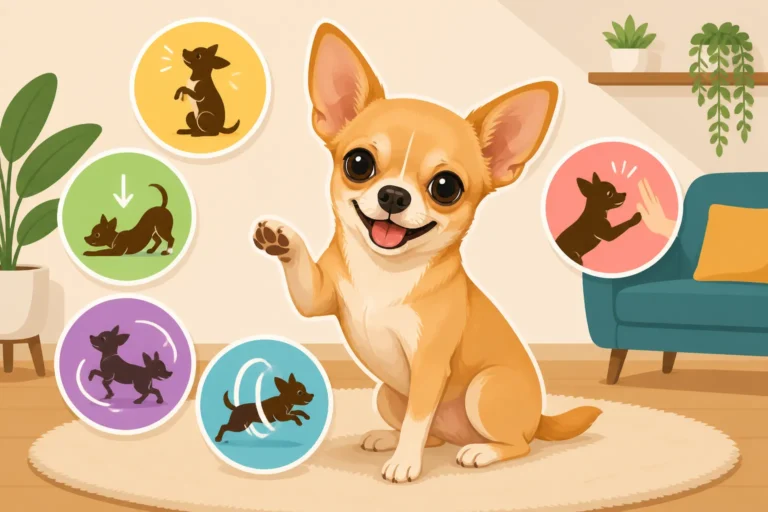
Physical exercise is important for Chihuahuas, but mental exercise is equally, if not more, crucial. A bored Chihuahua is often a mischievous or noisy Chihuahua. Incorporate puzzle toys, scent games, and short training sessions that teach new tricks. Learning new behaviors keeps their minds sharp and strengthens your bond. Something as simple as "find the treat" hidden under a cup can be incredibly stimulating.
Consider exploring dog sports like small dog agility, rally obedience, or even trick training. Chihuahuas, despite their size, are intelligent and agile and often excel in these activities. It's a fantastic way to burn off energy, build confidence, and deepen the bond between you and your dog. Plus, it's fun to show off what your tiny dynamo can do!
Beyond One Year: Lifelong Learning (Maintenance & Enrichment)
Congratulations, you've guided your Chihuahua through puppyhood and adolescence! But training isn't a destination; it's a lifelong journey. Even adult Chihuahuas benefit from continued reinforcement, new learning, and mental stimulation to prevent boredom and maintain good manners. Just like us, dogs thrive when they have purpose and engage their minds.
Maintaining Good Habits
Don't let those hard-earned good habits fade away. Incorporate short training refreshers into your daily routine. Ask for a "sit" before mealtime, a "stay" before going out the door, and practice "come" in the backyard. This keeps their skills sharp and reinforces their understanding of your expectations. Think of it as keeping their training muscles strong.
If you notice any behaviors backsliding—for example, an increase in barking or a reluctance to come when called—address them immediately rather than letting them become ingrained habits. Revisit the training steps you used when they were younger, perhaps reducing distractions and increasing rewards. It’s much easier to nip a problem in the bud than to re-train a long-standing behavior.
Ongoing Enrichment and Learning
Continue to provide plenty of mental stimulation. Rotate puzzle toys, introduce new tricks, or even hide their meals around the house to turn eating into a fun foraging game. Regular walks in new environments, even if just a different block in your neighborhood, offer new scents and sights that provide excellent mental enrichment.
Consider taking advanced obedience classes or trying out a new dog sport as they get older. Many Chihuahuas excel in rally, scent work, or even freestyle (dog dancing!). These activities provide an outlet for their intelligence and energy and keep them engaged and happy throughout their lives. It's a wonderful way to continue bonding and exploring what your amazing little dog is capable of.
Essential Tools and Resources for Your Chihuahua's Curriculum
Having the right tools can make a significant difference in your training journey, making things easier for both you and your tiny trainee. It’s not about expensive gadgets but about practical items that support positive reinforcement and safety.
Training Gear and Supplies
- Harnesses: As mentioned, a well-fitting harness is non-negotiable for a Chihuahua to protect their delicate trachea. Brands like Puppia or Gooby offer soft, comfortable, and secure options specifically designed for very small breeds. Ensure it fits snugly but doesn't chafe. Harness Fitting on a Chihuahua Chest provides further insights.
- Leash: A lightweight, 4-6 foot leash is ideal. Avoid heavy, bulky leashes that can overwhelm a tiny Chihuahua.
- Treats: High-value, pea-sized, soft training treats are a must. They need to be small enough that your Chihuahua can gobble them quickly without getting full, allowing for many repetitions in a short training session. Treats Small Enough for Chihuahua Training offers excellent suggestions. You can easily find suitable options on Amazon.
- Crate/Playpen: A small crate provides a safe den-like space for sleep and quiet time. A playpen offers a safe, larger enclosed area for when you can't supervise directly. Chihuahua Crate Size and Setup helps with selection.
- Potty Pads/Indoor Potty: If you live in an apartment, or in an area with harsh weather, an indoor potty solution can be incredibly helpful for a Chihuahua's tiny bladder. These can range from simple pads to grass patch systems.
- Chew Toys: Appropriate chew toys are essential for redirecting puppy biting and satisfying their natural urge to chew. Look for toys specifically designed for small mouths and light chewers to prevent dental damage or choking hazards.
Educational Resources and Professional Help
While this guide offers a solid framework, continuous learning is key. There are many fantastic resources available to support you.
- Online Training Programs: Online platforms offer a wealth of knowledge, often through video tutorials. A structured online course, like those offered by BAXTER & Bella, can provide step-by-step guidance, covering everything from puppy basics to more advanced behaviors, all from the comfort of your home. They can be especially helpful for addressing specific challenges you might encounter.
- Books and Websites: Reputable dog training books and websites from certified professionals offer in-depth information on positive reinforcement techniques, puppy development, and addressing specific behavioral issues.
- Certified Professional Dog Trainers (CPDT-KA) and Behaviorists (CDBC): If you encounter significant behavioral challenges, such as severe fear, aggression, or separation anxiety, do not hesitate to seek professional help. A qualified trainer or behaviorist can provide personalized guidance and create a tailored plan for your Chihuahua. They can help you understand subtle body language and how to respond effectively. Look for certifications and positive reinforcement-based methods.
- Veterinarian: Your vet is not just for health check-ups! They can offer advice on puppy care, nutrition, appropriate exercise, and even refer you to reputable trainers if needed. Always rule out any underlying medical causes for sudden behavioral changes.
Common Challenges and How to Overcome Them in Chihuahua Training
Chihuahuas, despite their small stature, come with big personalities and some common challenges that owners frequently face. Understanding these potential hurdles and having strategies to navigate them will make your training journey smoother and more rewarding.
Fear and Reactivity
One of the most common challenges with Chihuahuas is fear-based reactivity. Because they are so small and can easily feel vulnerable, they often react to perceived threats by barking, lunging, or even nipping. This is not aggression for aggression's sake; it's a defense mechanism. It might manifest as barking at larger dogs, strangers, or unfamiliar objects.
Solution: The key here is proactive, positive socialization, starting young, and continuing throughout their lives. When exposing your Chihuahua to new things, prioritize positive experiences. Keep a distance where they feel comfortable, offer high-value treats, and allow them to observe without being forced to interact. If they bark or lunge, calmly move further away until they settle, then reward their calm behavior. Avoid comforting or coddling them when they are fearful, as this can inadvertently reinforce the fear. Instead, calmly redirect their attention to you with a treat or a fun game. For persistent issues, a qualified behaviorist is your best resource to implement desensitization and counter-conditioning protocols.
Excessive Barking
Chihuahuas have a reputation for being vocal, and for good reason! Their alert nature and small size can lead to a lot of barking – at the doorbell, at passersby outside the window, at strange noises, or simply to get attention. This can be one of the most frustrating behaviors for owners.
Solution: First, identify the trigger. Is it boredom, anxiety, attention-seeking, or alert barking? Then, you can address it. For alert barking at windows, try covering the lower portion of the window or using window film to block their view while still allowing light. For attention-seeking barking, completely ignore the barking (no eye contact, no talking, no touching) and only reward quiet behavior. For doorbell barking, practice "settle" or "go to your mat" when the doorbell rings (starting with a pre-recorded doorbell sound, then moving to real-life situations). Teach them an alternative, acceptable behavior. Consistent practice and patience are crucial.
House Training Setbacks
Even with a diligent potty training schedule, Chihuahuas can be prone to house training setbacks, especially in cold or wet weather, or if they haven't been properly cleaned up after previous accidents. Their tiny bladders mean mistakes happen quickly.
Solution: Revisit the basics as if they were a young puppy. Go out frequently, reward heavily for outdoor successes, and clean indoor accidents with an enzymatic cleaner to eliminate the odor that attracts them back to the same spot. Consider an indoor potty solution if outdoor conditions are frequently a deterrent. If marking (small amounts of urine on vertical surfaces) becomes an issue, especially with male Chihuahuas, a belly band can be a helpful management tool in conjunction with continued training and neutering (if applicable). Never scold; it only makes them afraid to potty in front of you, possibly leading to hiding to do their business.
| Age Range | Key Training Focus | Common Challenges & Solutions | Essential Tools |
|---|---|---|---|
| 8-12 Weeks (Puppy) | Settling in, Potty Training, Bite Inhibition, Handling | Hypoglycemia (feed often!), Fear (gentle exposure), Nipping (yelp & redirect) | Crate, Playpen, Small Treats, Harness |
| 3-6 Months (Juvenile) | Socialization, Basic Obedience (Sit, Stay, Come) | Overwhelm (controlled interactions), Selective Hearing (short, fun sessions) | Harness & Leash, Puppy Class, Puzzle Toys |
| 6-9 Months (Adolescent) | Proofing Commands, Public Manners, Body Language | Testing Boundaries (consistency), Resource Guarding (positive trades) | High-value Treats, Longer Leash, Kongs |
| 9-12 Months (Pre-Adult) | Advanced Obedience, Mental Stimulation, Consistency | Regression (revisit basics), Boredom (new tricks, dog sports) | Training Pouch, Interactive Toys, Agility Gear |
| 1+ Year (Adult) | Maintenance, Continued Learning, Enrichment | Complacency (regular refreshers), New Fears (professional help) | Variety of Toys, Scent Games, Advanced Classes |
Disclaimer
This article is for general informational purposes only and does not constitute professional advice. Laws, prices and regulations vary by location and change over time. Consult a qualified professional for guidance on your specific situation.