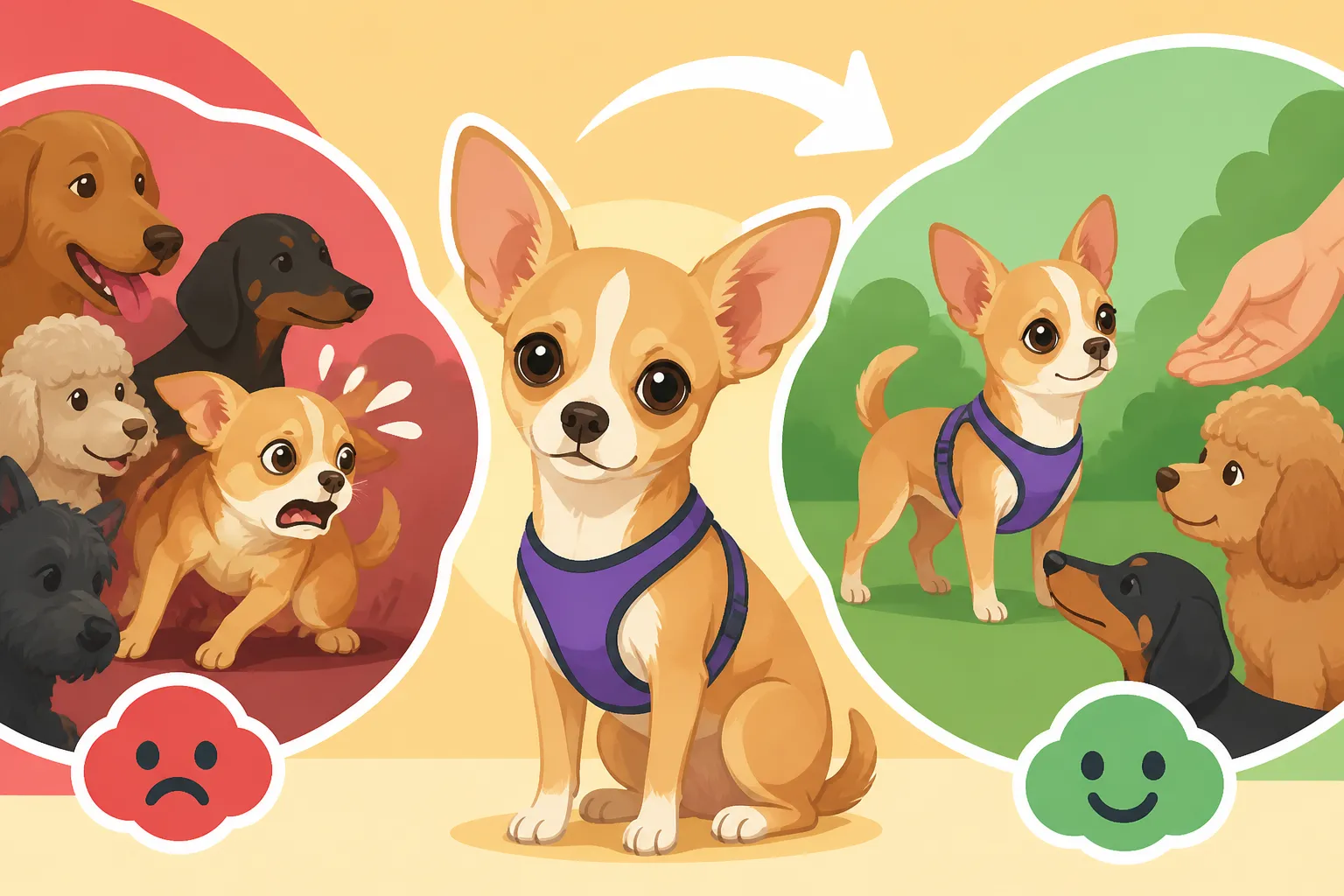
Socializing a Chihuahua Without Overwhelming It
It’s a common frustration many Chihuahua owners face: you want your tiny companion to be well-adjusted and happy, but the world can feel like a giant, overwhelming place for a six-pound dog. You might worry about big dogs, loud noises, or even well-meaning strangers who don't understand how fragile your little one is. This guide is here to walk you through gentle, effective strategies for socializing your Chihuahua, helping them build confidence without ever feeling scared or pressured.
Understanding Chihuahua Temperament and the Need for Gentle Socialization
Chihuahuas often get a bad rap for being "yappy" or "nippy," but in reality, much of this behavior stems from fear and a lack of proper, sensitive socialization. Imagine living in a world where everything is ten times your size, and every loud noise feels like thunder. It's enough to make anyone a bit anxious! Understanding their innate temperament is the first step to helping them thrive.
The Myth of the 'Mean' Chihuahua
Let's clear the air on this one right away. Your Chihuahua isn't inherently "mean" if they're growling at strangers or barking furiously at other dogs. What you're often seeing is a dog trying to protect itself from perceived threats. They haven't been taught how to navigate these situations calmly, or perhaps they've had a negative experience that cemented their fear. Because they're so small, many owners inadvertently contribute to this by constantly scooping them up or not allowing them to interact positively with the world on their own terms. This can lead to a cycle where the Chihuahua never learns to cope, relying solely on their owner for protection, and resorting to defensive behaviors when that protection feels insufficient.
Instead of labeling them, we need to recognize their vulnerability. A Chihuahua doesn't have the option to stand their ground like a Golden Retriever. Their natural instinct is often to retreat or to make themselves seem bigger and scarier through vocalizations and displays. If these signals are ignored or misunderstood, their reactions can escalate.
Fear Reactivity as the Core Issue
For many Chihuahuas, the root of their "attitude" is fear-based reactivity. This isn't aggression for aggression's sake; it's a dog saying, "Please, stay away, you're making me uncomfortable!" This can manifest as barking, lunging, trembling, or even nipping when pushed too far. Common triggers include unfamiliar people, other dogs (especially larger ones), loud noises, or sudden movements. It's a survival mechanism, plain and simple.
The challenge is that because they're small, these reactive behaviors are often dismissed or even found "cute" until they become a serious problem. A tiny growl from a Chihuahua might be chuckled at, while the same growl from a Rottweiler would cause immediate concern. This difference in perception means Chihuahuas often don't receive the consistent, gentle training they need to overcome their fears. Owners might unknowingly reinforce the behavior by comforting them after a fearful outburst, which can be interpreted as approval for the reaction. Understanding Fear-Based Reactivity in a Chihuahua is crucial.
The Chihuahua's Natural Desire for Comfort and Safety
Despite their brave front, Chihuahuas are creatures who crave comfort, warmth, and a strong sense of security. They bond deeply with their owners, often preferring one or two primary people above all others. This intense bond is beautiful but can sometimes hinder socialization if it means they're rarely exposed to anything or anyone outside their immediate comfort zone. They thrive in predictable, calm environments where they feel safe.
Our goal in socialization isn't to turn them into outgoing, fearless adventurers if that's not their natural inclination. It's to teach them that the world isn't always a threat, and that even when things are unfamiliar, they can cope and feel secure with you by their side. This involves creating positive associations with new experiences, always respecting their boundaries, and never forcing an interaction they're clearly uncomfortable with. Remember, a confident Chihuahua isn't necessarily a dog that loves everyone; it's a dog that trusts its owner to keep it safe and can navigate new situations without excessive panic.
The Critical Socialization Window for Chihuahua Puppies
The earliest weeks and months of a Chihuahua's life are profoundly important for shaping their future behavior. This "socialization window" is a brief but powerful time when they are most open to new experiences and learning about the world. Missing this window can make later socialization much more challenging.
Timing is Everything: Weeks 8-16
The critical socialization window for puppies typically runs from about 3 to 16 weeks of age. For Chihuahuas, this period is especially delicate. During this time, a puppy's brain is like a sponge, soaking up every experience and forming opinions about what is safe, what is neutral, and what is scary. Positive, controlled exposures to a variety of sights, sounds, people, and other friendly, vaccinated dogs are essential.
If a Chihuahua puppy misses out on these crucial experiences, they are far more likely to develop fears and anxieties later in life. Imagine a puppy spending its first few months in isolation, then suddenly being thrust into a bustling city park. It would be terrifying! Breeders play a huge role here by providing early, appropriate exposure, but once your puppy comes home, the responsibility falls to you. You're building their foundation for the next sixteen years of their life, so every gentle introduction counts. Make sure you understand The Chihuahua Socialization Window and Its Deadline.
Gentle Exposure During This Sensitive Period
The key word here is "gentle." This isn't about throwing your puppy into every new situation imaginable. It's about careful, controlled exposure where your puppy feels safe and positive associations are built. For example, instead of a crowded dog park, choose a quiet corner of a park where you can observe people and dogs from a distance. Let your puppy watch, sniff, and explore at their own pace, offering high-value treats and praise for calm curiosity.
Think about the five senses:
- Sight: Different types of people (kids, older folks, people with hats or glasses), other dogs, cars, bikes, strollers.
- Sound: Household noises (vacuum, doorbell), city sounds, other animals, music, talking.
- Smell: New environments, different people, other animals.
- Touch: Gentle handling by various trusted people, different textures underfoot (grass, pavement, carpet).
- Taste: A variety of appropriate treats, always positive association.
Each interaction should be short, positive, and end before your puppy shows signs of stress. If they seem hesitant, you've gone too far, too fast. Retreat to a comfortable distance and try again later, or with less intensity.
Avoiding Flooding at All Costs
"Flooding" is the opposite of gentle exposure, and it's a surefire way to create a fearful Chihuahua. Flooding means overwhelming a dog with a stimulus they're afraid of, hoping they'll just "get over it." For a Chihuahua, this could be dropping them into a loud party, a busy dog park filled with boisterous large dogs, or forcing them to be petted by a stranger when they're clearly uncomfortable.
Flooding rarely works and often backfires, making the fear worse and creating a negative association that's incredibly hard to undo. Instead of teaching them to cope, it teaches them that the world is a dangerous place and their owner won't protect them. This can lead to increased reactivity, withdrawn behavior, or even defensive bites. Always prioritize your Chihuahua's comfort and emotional well-being over pushing them into situations they're not ready for. Patience and gradual exposure, always paired with positive reinforcement, are your best friends.
Introducing Your Chihuahua to New People and Environments
One of the biggest hurdles for Chihuahuas is encountering new people and navigating unfamiliar places. Their small size makes them feel vulnerable, and every new person can seem like a looming giant. The key is to manage these introductions carefully, always putting your Chihuahua's comfort first.
Meeting New Faces: One Person at a Time
When introducing your Chihuahua to new people, particularly if they tend to be shy or reactive, make it a controlled, low-pressure experience. Don't let new visitors immediately rush over, bend down, or try to pick up your dog. This is often overwhelming for a small dog who might perceive these actions as threatening. Instead, advise guests to ignore your Chihuahua initially, allowing them to approach on their own terms.
Suggest they sit down, if possible, to appear less imposing. They can offer a high-value treat, ideally by gently tossing it a few feet away, so your Chihuahua can choose to retrieve it without direct physical interaction. A small, high-value treat that your Chihuahua adores (like a bit of cooked chicken or cheese, diced tiny to fit their calorie budget) can work wonders. If your Chihuahua approaches, they can calmly offer a hand to sniff (palm down, not reaching over their head), but no petting should be attempted until your dog clearly solicits it. Remember, consent is key, even for a tiny dog. Teaching Chihuahuas Around Toddlers and Rough Hands is another important topic for family owners.
Exploring New Places: Quiet and Calm Settings
Just like with people, introducing your Chihuahua to new environments should be done gradually and thoughtfully. Start with places that are relatively quiet and have fewer stimuli. For instance, instead of a bustling main street, begin with a peaceful neighborhood park during off-peak hours, or a quiet pet-friendly store. The goal is to let them sniff, explore, and observe from a safe distance, building confidence little by little.
Always have a secure harness and leash. A sturdy harness, not just a collar, is vital for Chihuahuas to protect their delicate necks and avoid putting pressure on their windpipe. You can find excellent options designed specifically for small dogs on platforms like Amazon. Carry your Chihuahua if the environment becomes too overwhelming, but try to let them walk on their own four paws whenever it's safe and appropriate. This gives them agency and helps them feel more grounded. When you do carry them, don't let it become a crutch that prevents them from ever touching the ground and exploring.
Positive Associations with Novelty
The most powerful tool in your socialization arsenal is positive reinforcement. Every time your Chihuahua encounters something new – a person, a sound, a place – and reacts calmly or even just tolerates it, reward them immediately with praise, a favorite toy, or a super-tasty treat. You want them to associate new experiences with good things happening. This isn't about rewarding fear, but about rewarding calmness in the face of novelty.
For example, if you're walking past a barking dog and your Chihuahua just looks at it without reacting excessively, immediately mark that moment with a "yes!" and a treat. If you see someone new approaching, start feeding treats before your dog shows signs of stress. This helps create a positive emotional response to the stimulus. Consistency is key here. The more positive experiences they have, the more their brain will rewire to see the world as less threatening and more interesting.
Safe Interactions with Other Dogs, Big and Small
One of the biggest concerns for Chihuahua owners is how their tiny dog will interact with other canines. The size difference can be intimidating and dangerous, making careful, controlled introductions absolutely essential. We want our Chihuahuas to be polite and confident, not fearful or aggressive when they meet another dog.
Supervised Play with Appropriately Sized Dogs
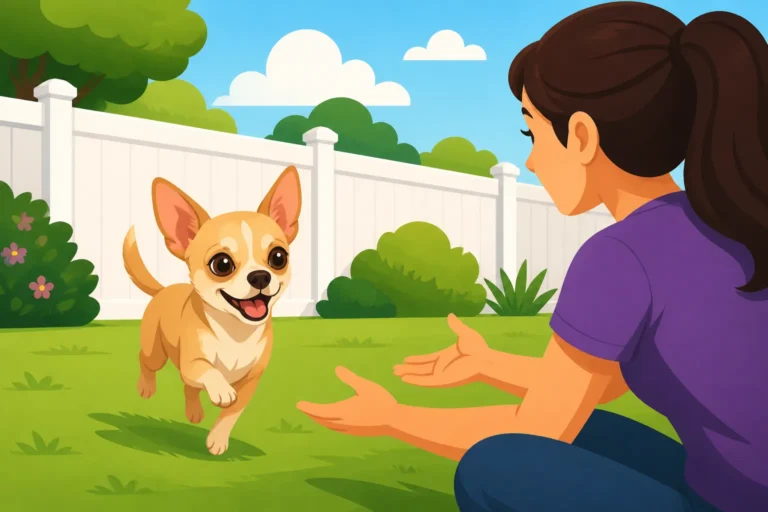
For many Chihuahuas, the ideal playmates are other small, gentle dogs. Look for opportunities for your Chihuahua to interact with other Chihuahuas, Miniature Poodles, Pomeranians, or other toy breeds known for their calm demeanor. These playdates should always be supervised closely. A fenced, secure area is perfect. Observe their body language: are tails wagging loosely? Are they taking turns chasing? Are there play bows? These are all good signs.
Avoid dog parks, especially if they allow all sizes of dogs, as they can be incredibly dangerous for a Chihuahua. The risk of accidental injury from a larger, rambunctious dog is simply too high. Even a playful bump can lead to serious injury for a Chihuahua. A better alternative might be a carefully vetted puppy class that separates dogs by size, or one-on-one playdates with a known, friendly small dog. Understanding Chihuahua Play With Dogs Its Own Size can help you discern appropriate interactions.
Introducing to Larger, Calm Dogs
While same-size play is ideal, it's also important for your Chihuahua to learn to be comfortable around larger dogs, as they'll encounter them in daily life. This requires an even more careful approach. Choose a large dog that is known to be extremely gentle, calm, and has excellent impulse control. A senior Labrador, a laid-back Golden Retriever, or a well-trained Great Dane with a soft mouth could be good candidates.
Start introductions on neutral territory, on leash, with both dogs relaxed. Keep a good distance initially and reward both dogs for calm behavior. Allow them to observe each other from afar, then gradually decrease the distance if they remain relaxed. Only if both dogs show calm, positive body language (loose bodies, soft eyes, no tense staring) should you allow a brief, controlled sniff. Never force interaction. Always be ready to step in or remove your Chihuahua if either dog shows signs of stress or over-excitement. For safety, many owners prefer to keep their Chihuahua on their lap or in a carrier when near larger dogs in public, only allowing interaction if it’s absolutely safe and initiated by the Chihuahua.
Reading Canine Body Language
This is perhaps the most critical skill for any Chihuahua owner to develop. Your small dog communicates constantly through subtle (and not-so-subtle) body language, and understanding these signals allows you to intervene before an issue arises. Watch for:
- Stress signals: Lip licking, yawning (when not tired), averted gaze, low tail wag (or tucked tail), tense body, ears flattened, repetitive behaviors like scratching or sniffing the ground excessively. Trembling can be a sign of cold, but also fear.
- Fear signals: Cowering, trying to hide, backing away, whale eye (when you see the whites of their eyes), growling, snapping.
- Calm/Happy signals: Loose body, soft gaze, relaxed mouth, wagging tail (often a full body wag), play bows.
If you see any stress or fear signals, immediately remove your Chihuahua from the situation or increase the distance to the trigger. Don't wait for it to escalate. Learning to recognize A Chihuahua That Freezes Before It Bites can prevent serious incidents. Many training platforms, including online ones like BAXTER & Bella, offer excellent resources on canine body language that are invaluable for all dog owners, especially those with small, sensitive breeds.
| Chihuahua Stress Signal | What it Looks Like | What it Means | Action to Take |
|---|---|---|---|
| Lip Licking | Quick flick of the tongue over the nose or lips | Mild stress, discomfort, or appeasement | Observe, increase distance, offer comfort |
| Yawning | Wide open mouth (when not tired or just waking up) | Stress, trying to calm self | Remove from situation, assess environment |
| Head Aversion / Averted Gaze | Turning head away, avoiding eye contact | Discomfort, wishing to disengage | Give space, do not force interaction |
| Tucked Tail | Tail held low, tight against the belly | Fear, submission, insecurity | Remove from trigger, provide a safe retreat |
| Trembling | Shivering or shaking (not from cold) | Fear, anxiety, intense emotion | Warm, quiet space; comforting presence |
| "Whale Eye" | Showing the whites of the eyes, often when head is turned | Stress, discomfort, warning sign | Immediately remove from situation or person |
| Low Crouch / Hiding | Body low to the ground, trying to get behind owner | Seeking protection, fear | Scoop up and move to safety, reduce stimulation |
| Excessive Sniffing | Nose to the ground, ignoring surroundings | Displacement behavior, trying to avoid interaction | Give space, allow them to disengage |
| Growling / Snapping | Audible vocalization or quick, non-contact bite | Clear warning, boundary setting, extreme discomfort | Immediate removal, seek professional trainer help |
Socializing Your Chihuahua to Everyday Sounds and Sights
The world is a cacophony of sounds and a kaleidoscope of sights, many of which can be startling or overwhelming for a tiny Chihuahua. Desensitizing them to common stimuli is a crucial part of building their confidence and ensuring they can comfortably exist in your home and out in the world.
Desensitizing to Household Noises
Your home, while familiar, still contains many sounds that can trigger anxiety in a sensitive Chihuahua. The vacuum cleaner, doorbell, washing machine, television, phone ringing, or even kitchen appliance noises can be scary. The goal isn't to eliminate these sounds, but to help your Chihuahua associate them with positive experiences.
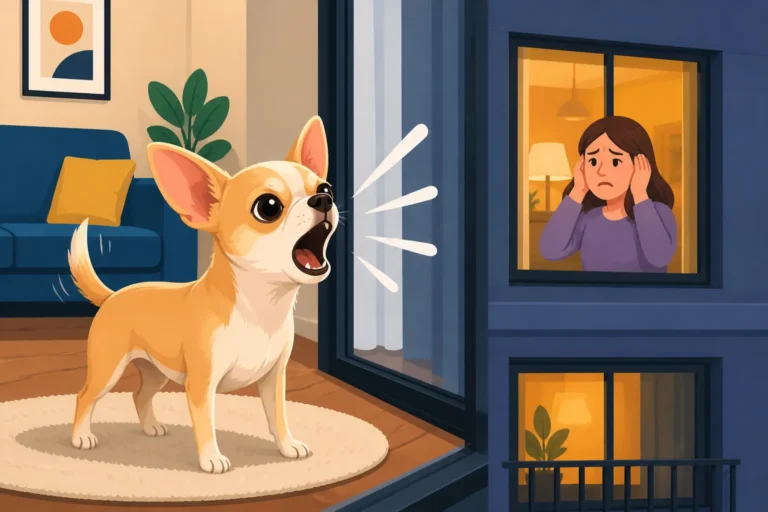
Start by introducing these sounds at a very low volume or from a distance. For example, if your Chihuahua is afraid of the vacuum, bring it into the room but don't turn it on. Offer treats and praise for calm curiosity. Gradually, turn it on for a second, then off, increasing the duration as your dog remains relaxed, always pairing it with treats. The same applies to the doorbell: record the sound, play it softly, and reward calmness. Slowly increase volume. This counter-conditioning helps change their emotional response from fear to anticipation of a treat. Many Chihuahuas have intense reactions to sounds, so Desensitising a Chihuahua to the Doorbell might be a specific article worth exploring.
Outdoor Sounds and Visual Stimuli
Outside the home, the sensory overload can be even greater. Cars whizzing by, children playing, distant sirens, other dogs barking, people talking loudly, bikes, strollers – it’s a lot for a small dog. Similar to household noises, the approach here is gradual exposure paired with positive reinforcement.
Take your Chihuahua for walks during quieter times of the day initially. Sit on a park bench and simply observe the world together from a comfortable distance, feeding treats whenever something new appears or a loud sound occurs. You want to create a mental link: "Loud truck = tasty treat!" Don't force them to "deal with it." If they seem overwhelmed, pick them up for a moment of comfort, or retreat to a quieter spot. Slowly, as their confidence grows, you can venture into slightly busier areas for short periods. This consistent, positive exposure helps them build a robust tolerance to the varied stimuli of the world.
Car Rides and Public Transport
Travel is often a necessary part of a Chihuahua's life, whether it's a trip to the vet, a visit to family, or simply running errands with you. Making car rides a positive experience is vital. Start with short, positive trips that don't end at the vet. Just a quick drive around the block, rewarded with treats and praise, can establish a good foundation. Always use a secure car seat or carrier that buckles into the seatbelt, both for your Chihuahua's safety and to prevent them from becoming a distraction. They also feel much safer and more contained in a designated spot.
If you plan to use public transport, like buses or trains, begin by simply introducing the carrier itself as a cozy, safe den. Then, practice carrying the carrier into the vehicle when it's stationary and quiet, rewarding heavily. Gradually work up to short trips during off-peak hours. Remember, for many Chihuahuas, being enclosed in a carrier in a moving, noisy environment can be very stressful. Consistency and making these experiences highly rewarding will be key to their acceptance. Chihuahua Carriers and Travel Bags are important purchases for this.
Avoiding Overwhelm: Recognizing Stress Signals in Your Chihuahua
One of the most crucial aspects of gentle socialization is understanding when your Chihuahua is reaching their limit. Pushing them past this point is counterproductive and can lead to increased fear and reactivity. As their advocate, it's your job to read their signals and respect their boundaries.
Subtle Signs of Anxiety and Fear
Chihuahuas are masters of subtle communication. They might not always bark or growl overtly when they're uncomfortable. Instead, they might offer a series of quieter signals that many owners miss. These can include:
- Lip licking: A quick flick of the tongue, often in response to something new or slightly stressful.
- Yawning: When not tired, this is a common calming signal or sign of stress.
- Averted gaze or head turn: Your dog might turn their head away from something or someone they find intimidating, avoiding direct eye contact.
- Freezing: Becoming suddenly still, almost like a statue. This is a crucial "stop" signal before they might escalate to snapping.
- Body tension: Their muscles might stiffen, tail tucked low or held rigidly, ears flattened back.
- Increased panting: When not hot or after exercise.
- Shaking or trembling: While Chihuahuas can shiver from cold, trembling in a warm environment is often a sign of fear or extreme anxiety.
Learning to spot these early warning signs is paramount. If you notice even one or two of these, it's time to adjust the situation. Often, people don't realize Reading a Chihuahua's Whale Eye or A Chihuahua That Freezes Before It Bites are important cues.
When to Retreat and Re-evaluate
If your Chihuahua is showing any signs of stress or fear, your immediate response should be to create distance from the trigger. This might mean:
- Physically moving away: Picking them up and moving to a quieter spot, or simply walking a wider arc around a perceived threat.
- Blocking their view: Standing between your Chihuahua and the source of their stress.
- Ending the interaction: Politely telling a stranger not to approach, or taking your dog home from a playdate.
Once you've created distance, observe your dog. Do they relax? Shake it off? If so, you've done well. If they remain tense, you might need to leave the environment entirely. Don't feel embarrassed to remove your dog if they're struggling. You are their protector, and respecting their emotional capacity in that moment is far more important than any social pressure to keep them there. Afterward, re-evaluate what happened. Was the environment too busy? The person too pushy? The other dog too boisterous? Use this information to plan your next, less intense socialization step.
The Dangers of Pushing Too Hard
Pressuring a Chihuahua beyond their comfort zone doesn't make them brave; it makes them more fearful and can break their trust in you. If you consistently ignore their stress signals, they will learn that their subtle communications are ineffective. This can lead to them escalating their behaviors to more overt, and potentially problematic, displays like growling, snapping, or biting. A dog that feels cornered and unheard will eventually resort to more desperate measures to communicate its distress.
Furthermore, pushing a fearful dog can lead to learned helplessness, where they simply shut down, appearing "calm" but internally still highly stressed. This is not true socialization or confidence; it's a dog giving up. Always remember that socialization is about positive experiences and building confidence, not simply tolerating unpleasant situations. Slow and steady wins the race, especially with a sensitive breed like the Chihuahua.
Tools and Resources to Aid Socialization
You don't have to embark on your Chihuahua's socialization journey alone. There are many helpful tools and resources available that can make the process smoother, safer, and more effective for both of you. Equipping yourself with the right gear and knowledge is a smart move.
Harnesses and Leashes for Safety
For Chihuahuas, a well-fitting harness is non-negotiable. Their delicate throats and tracheas (some of which are prone to Collapsing Trachea and the Chihuahua Honking Cough) are very vulnerable to pressure from a collar. A harness distributes pressure across their chest and shoulders, preventing injury and allowing for better control without causing discomfort. Look for harnesses specifically designed for toy breeds, ensuring a snug but not restrictive fit. Brands that offer harnesses with adjustable straps for both the neck and chest are often best, as Chihuahuas can have varying body shapes.
When choosing a leash, opt for a lightweight, thin leash that matches their size. A heavy, thick leash can be cumbersome for a small dog. A 4-6 foot leash is generally ideal for walks, allowing some freedom to explore while maintaining control. Avoid retractable leashes, which can teach dogs to pull and offer less control in emergency situations. Ensure you purchase these items before bringing your puppy home. Platforms like Amazon offer a vast selection, making it easy to find suitable sizes and styles.
Training Treats and Positive Reinforcement
Positive reinforcement, primarily through high-value treats, is the cornerstone of effective socialization. Find out what your Chihuahua absolutely loves – small pieces of cooked chicken, cheese, hot dogs, or specially formulated tiny training treats. These treats should be small enough to be swallowed quickly without distracting your dog from the environment. Carry a generous supply with you during all socialization outings.
The timing of your reward is crucial. The treat needs to be given immediately (within 1-2 seconds) after your Chihuahua performs the desired behavior (e.g., looking calmly at a stranger, hearing a new sound without reacting). This immediate feedback helps them understand what they're being rewarded for. Your voice should also be a positive reinforcement, using cheerful praise like "Good job!" or "Yes!" when they do well. For picky eaters or those on a strict diet, even a favorite toy or a quick scratch behind the ears can serve as a reward.
Professional Guidance and Puppy Classes
Sometimes, navigating socialization on your own can feel overwhelming, or you might encounter specific challenges. That's where professional help comes in. A reputable force-free, positive reinforcement trainer can provide invaluable guidance. They can help you read your Chihuahua's body language, create structured socialization plans, and address any emerging fear or reactivity issues. Look for trainers certified by organizations that emphasize ethical, humane training methods.
Puppy classes can also be excellent, provided they are well-run and prioritize safety for small breeds. A good puppy class will separate dogs by size or energy level, ensuring your Chihuahua isn't overwhelmed by larger, rougher playmates. They offer controlled environments for meeting new dogs and people, and exposure to novel objects and sounds. If in-person classes aren't available or suitable, online platforms like BAXTER & Bella offer comprehensive puppy training programs that include socialization guidance, often with access to trainers for personalized advice. These resources can be a lifeline for owners needing structured, expert-led support. Learning Whether a Chihuahua Belongs in a Group Class is an important decision to make based on your individual dog.
Continuing Socialization Through Adulthood
Socialization isn't a one-and-done process that ends when your Chihuahua puppy turns four months old. It's an ongoing, lifelong journey that evolves as your dog ages. Maintaining positive experiences and addressing new challenges are crucial for a well-adjusted adult Chihuahua.
Maintaining Positive Experiences
Even a well-socialized adult Chihuahua benefits from continued positive exposure to the world. Regularly take them on walks in different neighborhoods, visit pet-friendly stores, meet new people, and arrange playdates with familiar, friendly dogs. The frequency might decrease compared to puppyhood, but the quality of these interactions remains paramount.
Think of it like keeping a muscle toned. If you stop exercising, the muscle atrophies. Similarly, if your Chihuahua is never exposed to anything new, their confidence can dwindle, and old fears might resurface, or new anxieties could develop. Short, positive outings a few times a week, always ending on a good note, will help keep their socialization "muscle" strong. This consistent positive reinforcement helps reinforce that the world is generally a safe and interesting place, especially with you by their side.
Addressing Adult Onset Fears
Sometimes, even a previously confident Chihuahua might develop new fears or anxieties as an adult. This could be due to a negative experience (like being startled by a loud noise, or having an unpleasant interaction with another dog), a change in their environment, or even an underlying medical issue (pain can make a dog more fearful or irritable, so consider discussing Chihuahua Behavior Shifts That Mean a Knee Hurts with your vet).
If you notice your adult Chihuahua suddenly becoming fearful of something new, or if existing fears intensify, address it immediately. Go back to basics: identify the trigger, create distance, and slowly reintroduce the stimulus using positive reinforcement and counter-conditioning, just as you would with a puppy. If the fear is intense or persistent, or if it impacts their quality of life, don't hesitate to consult a professional dog behaviorist. They can help diagnose the root cause and develop a tailored plan to help your Chihuahua regain their confidence.
The Ongoing Journey of Confidence Building
Ultimately, socialization for a Chihuahua is an ongoing process of confidence building. It's about empowering your small dog to navigate a big world with as much ease and joy as possible. It means celebrating their small victories – a calm interaction with a stranger, a relaxed walk past a barking dog, or simply enjoying a new place without excessive stress.
Your role as their owner is to be their steadfast guide and protector, creating a safe space for them to learn and explore. This journey will have its ups and downs, but with patience, consistency, and a deep understanding of your Chihuahua's unique needs and communication, you can help them become a confident, happy, and well-adjusted companion for many, many years to come.
Disclaimer
This article is for general informational purposes only and does not constitute professional advice. Laws, prices and regulations vary by location and change over time. Consult a qualified professional for guidance on your specific situation.