Mitral Valve Disease in a Chihuahua Past Eight
Watching your beloved Chihuahua age is a unique journey, filled with treasured moments, but it can also bring anxieties, especially when you start noticing changes in their energy or a little cough here and there. Many senior Chihuahuas, particularly once they sail past their eighth birthday, will face the reality of heart disease, with Mitral Valve Disease (MVD) being a particularly common culprit. It's truly heartbreaking to see your tiny companion, who has been full of zest for so long, struggle with something as fundamental as their heart. This guide aims to walk you through understanding MVD in older Chihuahuas, recognizing its signs, and navigating the path of care to ensure their golden years are as comfortable and joyful as possible.
Understanding Mitral Valve Disease in Senior Chihuahuas
When we talk about heart issues in our small senior companions, Mitral Valve Disease often comes up. It's not just a general "old dog heart problem"; it's a specific condition that affects countless Chihuahuas as they get older, often silently progressing for years before noticeable symptoms appear.
What is Mitral Valve Disease MVD?
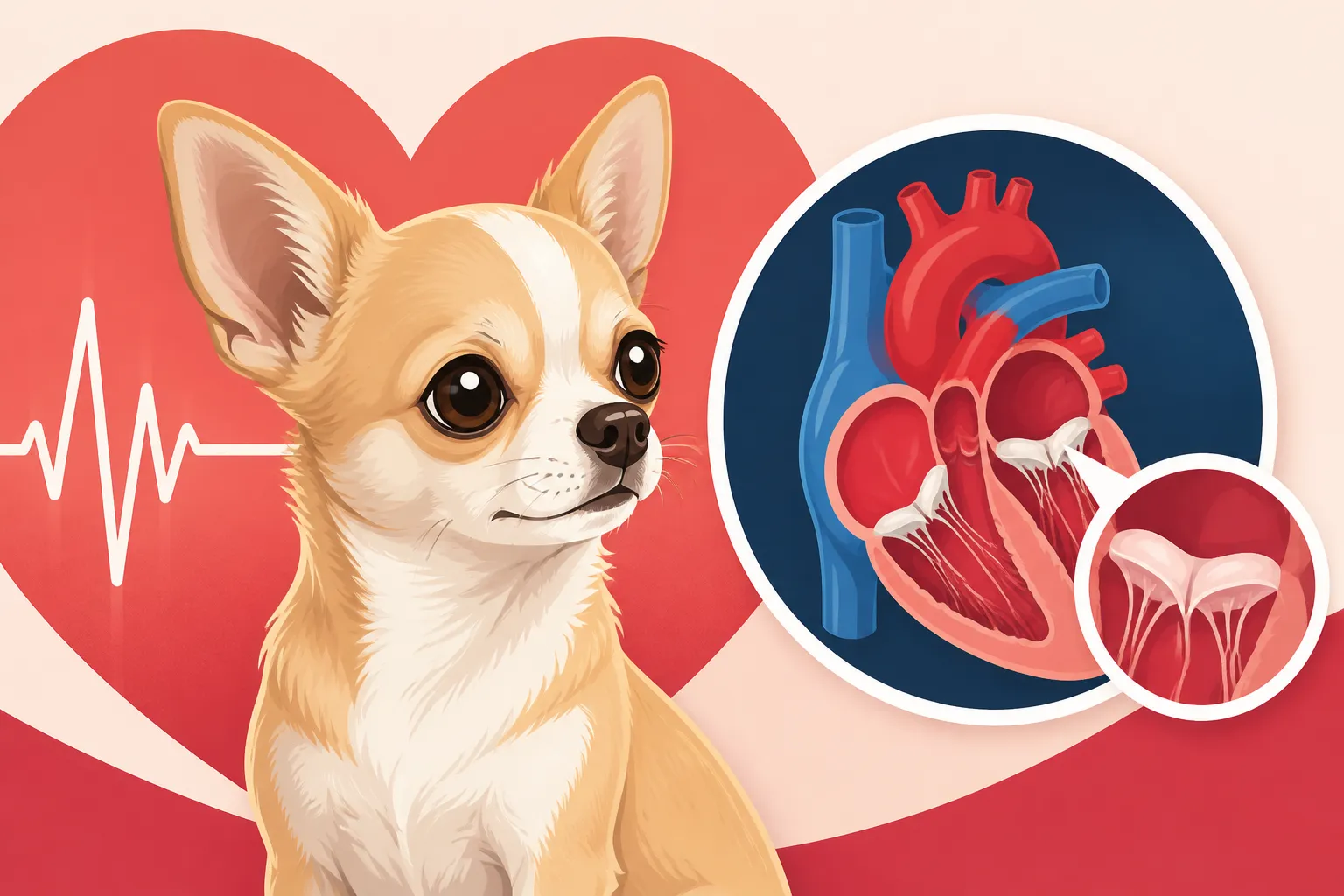
To really grasp what Mitral Valve Disease (MVD) is, let's take a quick peek at how your Chihuahua's heart works. Imagine the heart as a four-chambered pump, and in between the left atrium and the left ventricle – two of those chambers – there's a crucial little door called the mitral valve. Its job is incredibly important: it opens to let oxygenated blood flow from the atrium into the ventricle, and then, when the ventricle contracts to pump blood out to the rest of the body, it snaps shut, preventing any blood from leaking backward. It’s a finely tuned mechanism, essential for efficient blood circulation.
In Chihuahuas with MVD, this delicate mitral valve starts to degenerate. Over time, it thickens and becomes nodular, meaning it doesn't close properly anymore. Think of it like a warped door that no longer seals perfectly. When the ventricle contracts, instead of all the blood going forward into the aorta and out to the body, a portion of it leaks backward into the left atrium. This backward flow is called "regurgitation," and it's why you might hear a vet mention a "heart murmur" – it's literally the sound of that turbulent blood leaking. Because Chihuahuas are one of the breeds genetically predisposed to this condition, especially as they get older, it's a concern many owners will eventually encounter. It's a progressive disease, meaning it generally gets worse over time, putting an increasing strain on the heart.
The Progression of MVD From Murmur to Heart Failure
The journey of MVD in a Chihuahua typically begins with something called a heart murmur. This is often the very first indication that something might be amiss with their heart, and it's usually detected by your veterinarian during a routine check-up. They'll listen to your dog's chest with a stethoscope and might hear an abnormal "swooshing" sound, which is that blood leaking backward through the faulty mitral valve. At this stage, your Chihuahua might show no outward symptoms at all; they could be running around, playing, and acting completely normal. It’s a subtle, almost silent beginning, and often prompts a conversation about Chihuahua Heart Murmurs and What Grade Matters.
From this initial murmur, MVD progresses through various stages, often following the guidelines set by the American College of Veterinary Internal Medicine (ACVIM). These stages, ranging from A to D, describe the severity of the disease and dictate the appropriate course of action and treatment. In Stage B1, for instance, there's a murmur, but no structural changes to the heart are yet visible on an echocardiogram (an ultrasound of the heart). In Stage B2, the leak is more significant, and the heart has started to remodel, meaning it's trying to compensate for the inefficiency by getting bigger or changing shape. It's still possible your Chihuahua isn't showing symptoms here, which is why early detection through regular vet visits is so important.
As the disease moves into Stages C and D, that's when you start seeing more significant clinical signs, often because the heart can no longer effectively compensate for the leaky valve. This is when the heart might become significantly enlarged, leading to fluid backup in the lungs (pulmonary edema) or abdomen (ascites), a condition known as congestive heart failure. Understanding this progression is key, as managing MVD is all about slowing it down and improving your Chihuahua's quality of life at each stage. While the thought of Chihuahua Heart Disease as the Breed Ages can be daunting, knowing what to expect can empower you to provide the best care.
Recognizing the Early Signs and Symptoms
It can be incredibly challenging to spot the early signs of Mitral Valve Disease in a senior Chihuahua because many of the subtle changes can easily be dismissed as just "getting old." However, a keen eye and an understanding of what to look for can make a world of difference.
Subtle Changes Owners Might Miss
Your senior Chihuahua, especially one past the age of eight, might start to exhibit very subtle changes that are easy to attribute to normal aging. For instance, you might notice they're just a little bit less enthusiastic about their morning walk, or they might sleep a bit more during the day. Perhaps they don't jump on the sofa with the same vigor they once did, or they take a few more naps. These are things we often wave away, thinking, "Oh, Fifi is just becoming a proper senior lady now." However, these minor shifts in activity level – reduced stamina, decreased interest in play, or a general slowing down – can sometimes be the first whisper of an underlying heart problem.
Another extremely subtle sign, and one often confused with other minor ailments, is a slight, infrequent cough. This isn't the dramatic, honking cough associated with something like Collapsing Trachea in a Chihuahua and Its Triggers; rather, it might just be a soft, dry cough that occurs occasionally, perhaps after they've been excited or just woken up. Because Chihuahuas are prone to various respiratory issues, owners might initially think it's allergies or just a little throat irritation. However, even a seemingly innocuous cough, when persistent, warrants attention, as it could be an early indication of fluid beginning to accumulate in the lungs due to inefficient heart function. Keeping a close watch on these seemingly insignificant changes is vital for detecting MVD before it becomes more severe.
More Obvious Indicators of Advancing Heart Disease
As Mitral Valve Disease progresses, the subtle signs tend to give way to more pronounced and concerning symptoms, often signaling that the heart is struggling significantly and potentially moving into congestive heart failure. One of the most common and alarming signs is a persistent cough. This isn't just an occasional clearing of the throat; it can become a regular, hacking cough that might worsen at night, when your Chihuahua is lying down, or when they get excited. This cough is often indicative of pulmonary edema, where fluid builds up in the lungs because the heart can't pump blood effectively. It’s a very serious symptom and needs immediate veterinary attention. In fact, if you're trying to figure out if it's a respiratory issue or a heart issue, knowing Telling a Heart Cough From a Trachea Cough can be critical, as treatment differs significantly.
Beyond coughing, you might observe your Chihuahua having genuine difficulty breathing. This could manifest as excessive panting, even when they haven't been active, or rapid, shallow breathing at rest. Their gums might even look slightly bluish or pale, indicating a lack of oxygen. Lethargy and weakness will become more pronounced, and your dog might be reluctant to move at all. Some Chihuahuas might even experience collapsing episodes, where they suddenly become weak, stumble, or pass out, sometimes briefly. This happens when the heart isn't getting enough oxygenated blood to the brain. Finally, as the disease reaches its later stages, you might notice abdominal swelling, known as ascites, due to fluid retention. This makes their belly look bloated and distended, and it's a clear sign that their body is struggling to manage fluid balance, a common symptom of Congestive Heart Failure Signs in a Chihuahua. These more obvious signs mean it’s time for an emergency vet visit, as your Chihuahua’s quality of life is severely impacted.
Diagnosis and Monitoring for Your Senior Chihuahua
Once you notice any of the aforementioned signs, or even just have a gut feeling that something isn't quite right with your senior Chihuahua, the next step is a trip to the vet. Early and accurate diagnosis is absolutely key in managing Mitral Valve Disease effectively.
The Importance of Regular Vet Check-ups
This might sound obvious, but for senior Chihuahuas, those annual (or even bi-annual, as recommended for older pets) vet check-ups are absolutely non-negotiable. This is often where a heart murmur is first detected, long before any outward symptoms appear. Your veterinarian will perform a thorough physical examination, which includes carefully listening to your Chihuahua's heart with a stethoscope. The presence of a heart murmur, even a low-grade one, is often the first red flag for MVD. They might also check their gum color, feel their pulses, and generally assess their overall health.
Early detection of a murmur is crucial because it allows your vet to start monitoring the situation before it progresses to more severe stages. They can establish a baseline, advise on preventative measures (like maintaining an ideal weight – avoiding Chihuahua Obesity on a Six Pound Frame), and discuss future diagnostic steps. Think of it as catching a small leak before it becomes a burst pipe. Moreover, regular blood work can also be part of these check-ups, not just for the heart, but to assess kidney and liver function, which can be affected by heart disease or the medications used to treat it. A proactive approach to Senior Chihuahua Care Past the Age of Twelve ensures that any emerging health issues, including MVD, are addressed as promptly as possible.
Advanced Diagnostics and Staging
While a heart murmur is an important indicator, it doesn't tell the whole story. To truly diagnose and accurately stage Mitral Valve Disease, your vet will recommend more advanced diagnostics. The gold standard for diagnosing MVD and assessing its severity is an echocardiogram. This is a non-invasive ultrasound of the heart that provides a real-time moving picture of the heart's chambers, valves, and blood flow. A veterinary cardiologist or a trained general practitioner can see exactly how thickened the mitral valve is, how much blood is leaking backward, and whether the heart chambers have enlarged. This crucial information allows them to precisely stage the disease according to the ACVIM guidelines (Stages B1, B2, C, or D), which then guides the specific treatment plan. It's truly eye-opening to see the inner workings of your tiny friend's heart on the screen.
In addition to an echocardiogram, your vet will likely recommend chest X-rays. These images help them visualize the size and shape of the heart and, more importantly, check for any fluid accumulation in or around the lungs (pulmonary edema), which is a hallmark of congestive heart failure. X-rays can also help differentiate between a cough caused by heart disease and one caused by a primary respiratory issue, like Collapsing Trachea and the Chihuahua Honking Cough. An electrocardiogram (ECG) might also be performed to check for any abnormal heart rhythms or arrhythmias that can sometimes accompany advanced heart disease. These combined diagnostics provide a comprehensive picture, allowing your vet to create the most effective management strategy for your Chihuahua's specific condition. Don't be afraid to ask for detailed explanations of what each test reveals; understanding is key to feeling empowered in your pet's care.
Managing Mitral Valve Disease: Treatment and Lifestyle Adjustments
Once your Chihuahua receives a diagnosis of Mitral Valve Disease, especially if it's progressed beyond the very earliest stages, the focus shifts to management. While there's no cure for the degeneration of the mitral valve itself, modern veterinary medicine offers a range of treatments and lifestyle adjustments that can significantly improve your Chihuahua's quality of life and even extend it.
Medications to Support Heart Function
When it comes to managing MVD, particularly once a Chihuahua reaches ACVIM Stage B2 or beyond, medication becomes a cornerstone of treatment. One of the most commonly prescribed drugs is pimobendan, often known by its brand name, Vetmedin. This medication is a true game-changer because it does two very important things: it helps the heart muscle contract more strongly, and it also dilates (opens up) blood vessels, making it easier for the heart to pump blood. For many Chihuahuas, starting pimobendan at the appropriate stage can delay the onset of congestive heart failure and significantly improve their heart function.
In conjunction with pimobendan, veterinarians often prescribe ACE inhibitors like enalapril or benazepril. These medications work by blocking certain hormones that constrict blood vessels and cause fluid retention, thereby reducing the workload on the heart. If your Chihuahua has progressed to congestive heart failure (Stages C or D), diuretics such as furosemide (Lasix) become vital. These 'water pills' help the body shed excess fluid that has accumulated in the lungs, reducing that troublesome cough and making it easier for your dog to breathe. It’s important to understand that these medications are usually for life, and strict adherence to the prescribed dosage and schedule is paramount. Missing doses or altering them without vet consultation can be detrimental. The good news is that many pet insurance plans, like those offered by Healthy Paws, can provide substantial support with these ongoing medication costs, which can certainly add up over time for a long-lived breed like the Chihuahua. Understanding Chihuahua Heart Medication and Daily Dosing is crucial for effective long-term management.
Essential Lifestyle Changes for Heart Health
Beyond medication, making certain lifestyle adjustments is absolutely critical for a Chihuahua living with Mitral Valve Disease. The goal is to support their heart and minimize any additional strain on their system. First and foremost, diet plays a significant role. Your vet will likely recommend a low-sodium diet to help prevent fluid retention. This means being very careful about treats and human foods, as many are surprisingly high in salt. Maintaining an ideal body weight is also paramount. Even an extra half-pound on a tiny Chihuahua frame can put considerable strain on a compromised heart. Your vet can help you determine the appropriate calorie intake and guide you on portion control, as discussed in detail in guides like Feeding a Chihuahua on Two Hundred Calories a Day.
Exercise also needs to be re-evaluated. While regular, gentle activity is still important, strenuous play, long walks, or activities that cause excessive panting and excitement should be avoided. Shorter, more frequent, and less intense walks are generally better, tailored to your Chihuahua's energy level and tolerance. You want to avoid overexertion, which can stress the heart. Creating a calm, predictable home environment can also reduce stress, which can trigger symptoms in a sensitive heart patient. Finally, consistent home monitoring is a powerful tool. Learning to count your Chihuahua’s sleeping respiratory rate (SRR) – how many breaths they take per minute while deeply asleep – can give you an early warning sign of fluid accumulation in the lungs, often before other symptoms become apparent. Your vet can teach you how to do this simple, yet incredibly valuable, daily check. These adjustments, combined with medication, form a robust strategy for providing comprehensive care.
Proactive Care and Long-Term Outlook
Living with a senior Chihuahua diagnosed with Mitral Valve Disease requires a proactive and committed approach to their care. Consistent communication with your veterinary team, including regular follow-up appointments, is vital. These visits might involve repeat echocardiograms or X-rays to assess how the heart is responding to medication and whether any adjustments are needed. It’s not just about managing the disease; it's about continuously evaluating your Chihuahua's overall well-being and making sure their quality of life remains high. This might mean adapting their routine, their environment, or their medications as the disease progresses or as they simply get older.
Understanding the long-term outlook for MVD can be tough, as it's a progressive disease. However, with vigilant care, appropriate medication, and lifestyle adjustments, many Chihuahuas can live comfortably for years after their diagnosis, even reaching impressive ages into their teens. It’s about focusing on comfort, happiness, and minimizing their symptoms. There might come a time when difficult decisions about End-of-Life Decisions for a Long-Lived Chihuahua need to be made, but until then, every effort is focused on maximizing their comfort. Throughout this journey, the financial aspect of long-term care, from specialized diagnostics to ongoing prescription refills, can be substantial. This is where a robust pet insurance policy, like those from Healthy Paws, can be incredibly beneficial, alleviating some of the financial burden and allowing you to focus purely on your Chihuahua’s health without compromise. Consistent Vet Visit Frequency for a Chihuahua Past Twelve ensures that you and your vet stay ahead of the disease.
Mitral Valve Disease Stages and Management Overview
| ACVIM Stage | Description | Symptoms | Diagnostic Findings | General Treatment Goal |
|---|---|---|---|---|
| A | At high risk for heart disease (e.g., Chihuahua breed) | None | No structural heart disease | Education, risk factor modification (e.g., weight management) |
| B1 | Murmur present, no structural heart changes | None | Murmur, normal heart size on echocardiogram/X-ray | Regular monitoring, 6-12 month re-evaluation |
| B2 | Murmur present, structural heart changes | None | Murmur, enlarged heart on echocardiogram/X-ray | Prophylactic medication (e.g., Pimobendan, ACE inhibitor) |
| C | Current or previous signs of congestive heart failure | Coughing, difficulty breathing, lethargy, collapse | Enlarged heart, fluid in lungs (X-ray), symptoms | Multiple medications (e.g., Diuretics, Pimobendan, ACE inhibitor, others) to manage CHF |
| D | End-stage congestive heart failure, refractory to standard treatment | Severe, persistent symptoms; frequent relapses | Worsening heart enlargement, severe fluid build-up | Advanced therapies, palliative care, focus on comfort |
Disclaimer
The information provided in this article is for educational purposes only and is not a substitute for professional veterinary advice. Always consult with your veterinarian for diagnosis and treatment of any medical condition your Chihuahua may experience.