Chihuahua Skin Allergies and Hair Loss
Few things are more frustrating, or heartbreaking, than watching your tiny Chihuahua constantly scratching, licking, or rubbing against furniture, only to see their once vibrant coat thinning or developing unsightly bald patches. It's a common, often chronic, struggle for many Chihuahua parents who just want their little companions to be comfortable and happy. This guide is here to unravel the mysteries behind Chihuahua skin allergies and hair loss, helping you understand the causes, recognize the signs, and work with your vet to find lasting relief for your precious pup.
Unpacking the Common Causes of Skin Allergies in Chihuahuas
When your little Chihuahua starts showing signs of skin trouble, it can feel like a detective mission trying to figure out what's bothering them. Because Chihuahuas are so small, their reactions can sometimes seem more intense, and their delicate skin is particularly susceptible. It's rarely a single, simple cause, which is why patience and a systematic approach are key to getting to the bottom of their discomfort.
Environmental Allergens: The Invisible Triggers
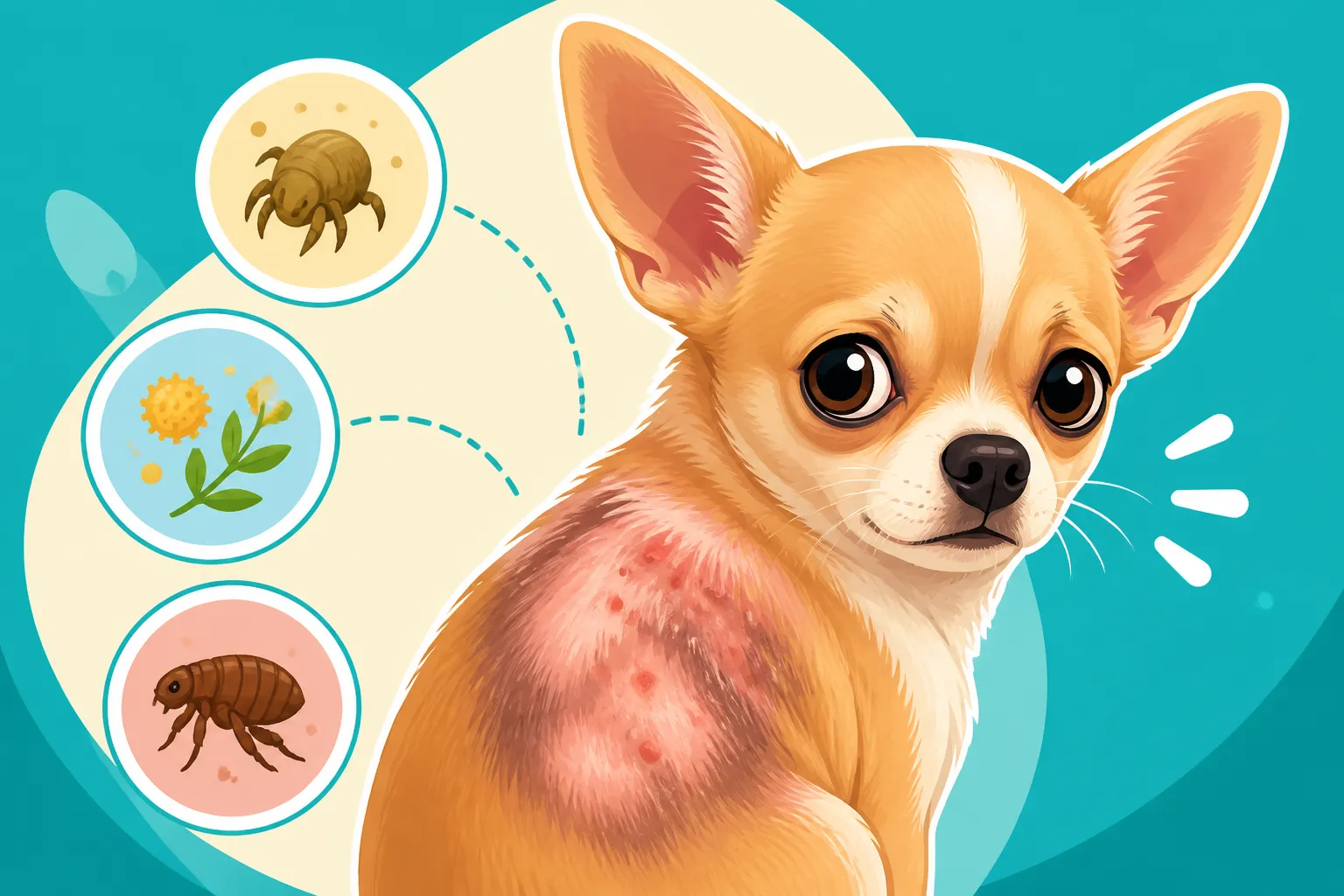
Just like humans, Chihuahuas can be allergic to things in their everyday environment. These are often referred to as atopic dermatitis or environmental allergies. Imagine tiny pollen grains, dust mites lurking in your carpets and upholstery, or mold spores floating in the air – these microscopic invaders can trigger a significant immune response in a sensitive Chihuahua. The symptoms tend to be seasonal if it's pollen, flaring up in spring or fall, but can be year-round if the culprit is dust mites or mold. Your little one might be licking their paws incessantly, rubbing their face, or scratching at their flanks, ears, or belly. It's important to remember that because Chihuahuas often spend more time indoors, house dust mites can be a huge, year-round problem, especially in older homes or carpeted environments.
Beyond the airborne irritants, contact allergens can also play a role, though less commonly. This could be a reaction to a specific cleaning product you use on the floor, certain fabrics in their bedding, or even plants in your yard. The reaction from a contact allergen tends to be localized to where the skin made contact, unlike environmental allergies that often manifest more generally across the body. Observing when and where your Chihuahua's symptoms appear can offer valuable clues, especially if you've recently introduced a new detergent or dog bed.
Food Allergies: What's in the Bowl?
Food allergies are another significant player in the world of canine skin issues, and Chihuahuas are certainly not immune. Unlike food intolerances, which usually manifest as digestive upset, true food allergies involve an immune response to a specific protein in their diet. Common culprits often include proteins like chicken, beef, dairy, wheat, or soy. The frustrating thing is that symptoms of food allergies can mimic environmental allergies, showing up as itching, redness, ear infections, and yes, hair loss. However, with food allergies, gastrointestinal signs like vomiting, diarrhea, or frequent bowel movements can sometimes accompany the skin issues, though not always.
The key difference with food allergies is that they are non-seasonal and tend to persist regardless of the time of year or environment. If your Chihuahua is constantly itchy, even in the dead of winter when pollen counts are low, food might be the primary suspect. It's not about the quality of the food necessarily, but rather the specific protein source that their immune system has decided is an enemy. Many owners worry about Whether Grain-Free Helps a Chihuahua's Skin, but often it's the specific protein, not the grain itself, that causes the issue.
Parasites and Infections: More Than Just an Itch
Sometimes, what looks like an allergy is actually a pesky parasite or a secondary infection thriving on already irritated skin. Fleas are perhaps the most common, and even a single flea bite can send a flea-allergic Chihuahua into a frenzy of itching, leading to hair loss and inflamed skin. Given their small size, a tiny infestation can cause widespread problems. This is why consistent Chihuahua Flea and Tick Prevention at Low Weight is non-negotiable, even for indoor-only Chihuahuas, as parasites can hitchhike indoors.
Beyond fleas, microscopic mites like Demodex or Sarcoptes can cause intense itching and hair loss. Demodectic mange (often called "red mange") is not typically itchy unless secondary bacterial infections occur, but it causes distinct patches of hair loss, often around the face and forelegs. Sarcoptic mange ("scabies") on the other hand, is intensely itchy and highly contagious. Fungal infections, particularly ringworm, can also cause circular patches of hair loss and scaly skin, though it's less common to cause generalized itching. Bacterial and yeast infections (often Malassezia) are usually secondary issues, flaring up because the primary allergic reaction has compromised the skin barrier, creating a perfect environment for these opportunistic microbes to take hold. These secondary infections often make the itching far worse and can lead to a greasy, smelly coat and more severe hair loss.
Recognizing the Signs of Skin Allergies and Hair Loss
Observing your Chihuahua closely is the first step in identifying skin issues. Because they're so small, even minor changes can be significant. Don't dismiss subtle shifts in their behavior or coat condition; your little companion relies on you to notice their discomfort.
Itching, Licking, and Redness: The Primary Distress Signals
The most obvious sign that something is amiss is incessant itching. Your Chihuahua might scratch with their hind legs, rub their face against carpets or furniture, or lick at their paws, belly, or groin area. This isn't just a casual scratch; it's persistent, sometimes frantic, behavior. You might hear them scratching in the middle of the night, disrupting their sleep and yours.
Beyond the scratching, you'll likely start to see physical evidence on their skin. Redness (erythema) is a classic indicator of inflammation. This can appear as a general pinkish hue, or more intensely red, inflamed patches. Hot spots, which are acute moist dermatitis, are common and develop rapidly from self-trauma, appearing as raw, weeping, painful lesions that can pop up seemingly overnight. You might also notice their skin feels warm to the touch in affected areas. Persistent licking, especially of the paws, can lead to a brownish-red staining of the fur (due to porphyrin in saliva), making the problem areas even more visible. Don't forget their ears either; many skin allergies manifest as frequent Chihuahua Ear Infections and Big Open Ears, with your dog shaking their head, scratching their ears, or developing a foul odor from them.
Hair Loss Patterns and Changes in Coat Texture
Hair loss, or alopecia, is a worrying sign for any pet parent. For Chihuahuas, it can range from subtle thinning to complete bald patches. The pattern of hair loss can sometimes offer clues about the underlying cause. For instance, symmetrical hair loss, often on the flanks or belly, can sometimes point to hormonal imbalances, while patchy, irregular hair loss is more typical of allergies, parasites, or infections where your dog has been scratching or licking excessively. Sometimes, you might notice Chihuahua Skin Allergies and Bald Patches appearing seemingly out of nowhere.
Beyond shedding, the texture and quality of your Chihuahua's remaining fur can change. It might become dry, brittle, or greasy. Chronic scratching can lead to the skin thickening and becoming darker (hyperpigmentation) or developing a leathery texture (lichenification). You might also see scales, crusts, or flakes in their coat, similar to dandruff. In some cases, specific genetic conditions like Color Dilution Alopecia in a Blue Chihuahua can cause hair thinning and breakage in specific coat colors, leading to balding, especially in "blue" (dilute black) Chihuahuas. It's crucial not to confuse this genetic condition with a typical allergy, though allergies can certainly exacerbate the appearance of CDA.
Secondary Skin Infections: When Things Get Worse
The constant scratching and licking that accompanies allergies inevitably breaks the skin barrier, creating open wounds and inviting opportunistic bacteria and yeast to move in. This is where things can really go downhill and make your Chihuahua utterly miserable. Bacterial infections (pyoderma) often result in pustules, scabs, crusts, and a generally foul odor. The skin might look red and bumpy, and your Chihuahua will likely be even more itchy due to the added irritation.
Yeast infections, particularly with Malassezia, are characterized by a greasy feel to the skin and fur, a distinct musty or "corn chip" odor, and sometimes a brownish discoloration of the skin and nails. These infections often thrive in warm, moist areas like between paw pads, in ear canals, and in skin folds. When these secondary infections take hold, they significantly amplify the discomfort and make finding relief much harder. They also complicate diagnosis, as the superficial infection needs to be cleared up before the underlying allergic cause can be properly assessed and managed.
Diagnosing the Root Cause: Working with Your Vet
Trying to diagnose your Chihuahua's skin issues at home is like trying to solve a complex puzzle with half the pieces missing. The symptoms are often so similar across different conditions that professional veterinary help is essential. Your vet will follow a systematic approach to rule out the most common causes first, gradually narrowing down the possibilities until they pinpoint the real culprit. This process requires patience, and sometimes, several visits.
Skin Scrapes, Cytology, and Fungal Cultures
The first line of defense in diagnosing skin issues usually involves some simple, non-invasive tests at your vet's office. A skin scrape is exactly what it sounds like: your vet will gently scrape a small amount of skin cells from the affected area with a scalpel blade to look for mites (like Demodex or Sarcoptes) under a microscope. It’s quick and generally painless, although some Chihuahuas might find the sensation a bit strange.
Cytology involves taking a swab or impression smear from the skin (or ear canal) and examining the cells under a microscope to identify the presence of bacteria, yeast, or inflammatory cells. This is invaluable for detecting those secondary infections that are often making your Chihuahua so miserable. If your vet suspects ringworm, a fungal culture might be performed, where hair and skin samples are placed in a special medium to see if fungal growth occurs. These initial tests help rule out parasitic and infectious causes quickly, which is crucial because treating these specific issues can often bring immediate relief and clarify any underlying allergic reactions.
Allergy Testing: Pinpointing Environmental Triggers
Once parasites and infections have been ruled out or treated, and if symptoms persist, your vet might suggest allergy testing to identify environmental allergens. There are two main types:
-
Intradermal Skin Testing: This is considered the "gold standard" and is typically performed by a veterinary dermatologist. It involves shaving a patch of fur on your Chihuahua's side and injecting tiny amounts of common allergens (like pollens, molds, and dust mites) just under the skin. The dermatologist then observes the reactions (redness, swelling) to determine which allergens your dog is sensitive to. This test is highly accurate but usually requires a specialist and can be a bit pricier.
-
Blood Testing (Serum IgE Testing): This involves taking a blood sample from your Chihuahua and sending it to a specialized lab to measure antibodies (IgE) against various environmental allergens. It's less invasive than skin testing and can be performed by your general vet. While convenient, its accuracy can be debated, and results don't always perfectly correlate with clinical signs. However, it can still provide valuable information for developing an immunotherapy plan, especially if seeing a dermatologist isn't feasible. For chronic conditions, some owners consider pet insurance. Providers like Healthy Paws often cover allergy testing and long-term care for such issues, which can be a huge relief given the ongoing nature of allergies.
Elimination Diets: The Gold Standard for Food Allergies
Diagnosing a food allergy is a different beast altogether. Unfortunately, there's no reliable blood or skin test for food allergies in dogs. The only truly accurate method is an elimination diet, also known as a food trial. This isn't a quick fix, but it's the most effective way to identify dietary triggers.
The process involves feeding your Chihuahua a novel protein source (one they've never eaten before, like kangaroo, duck, or venison) and a single carbohydrate source, or a hydrolyzed protein diet (where the proteins are broken down so small that the immune system doesn't recognize them as allergens). This strict diet must be fed exclusively for at least 8-12 weeks – no treats, no table scraps, no flavored medications, nothing but the prescribed food and water. If your Chihuahua's symptoms improve dramatically during this period, it strongly suggests a food allergy. To confirm, your vet will then recommend reintroducing old food ingredients one by one (called a "challenge"). If symptoms return after reintroducing, say, chicken, then you've found your culprit. It's a demanding process, but it's often the only way to get a definitive answer for your itchy Chihuahua.
Treatment Approaches for Chihuahua Skin Issues
Once you and your vet have identified the underlying cause (or causes!) of your Chihuahua's skin allergies, you can begin a targeted treatment plan. This often involves a multi-modal approach, combining different therapies to tackle the problem from several angles, relieve discomfort, and heal the skin.
Medications to Control Itching and Inflammation
For many Chihuahuas suffering from environmental allergies, medications are often necessary to break the cycle of itching and inflammation.
- Antihistamines: Over-the-counter antihistamines like diphenhydramine (Benadryl) or cetirizine (Zyrtec) can sometimes offer mild relief for some dogs. However, their effectiveness varies greatly, and they often aren't strong enough for severe cases. Always consult your vet for appropriate dosing for your tiny Chihuahua.
- Steroids: Corticosteroids (like prednisone) are highly effective at quickly reducing inflammation and itching. They can be given orally or as injections. While excellent for short-term relief during acute flare-ups, long-term use carries significant side effects, so vets typically reserve them for severe cases or intermittent use.
- Newer Allergy Medications: The veterinary world has seen exciting advancements in allergy treatment.
- Apoquel (oclacitinib): This is an oral medication that specifically targets the itch pathway, offering rapid and effective relief for many dogs with allergic dermatitis. It's generally well-tolerated and can be used long-term with fewer side effects than steroids.
- Cytopoint (lokivetmab): This is an injectable antibody therapy that targets and neutralizes a key protein involved in canine itch. It's administered by your vet every 4-8 weeks and provides long-lasting relief without affecting other bodily systems. It's a great option for dogs who don't tolerate oral medications or for owners who prefer an injectable solution. Both Apoquel and Cytopoint have revolutionized allergy management for many Chihuahuas, allowing them to live much more comfortably.
Topical Treatments and Medicated Shampoos
Beyond systemic medications, topical treatments can provide localized relief and help improve the condition of your Chihuahua's skin.
- Medicated Shampoos: Shampoos containing ingredients like chlorhexidine (antibacterial), miconazole (antifungal), or salicylic acid and benzoyl peroxide (for folliculitis and oily skin) can be incredibly helpful. They clean the skin, remove allergens, and treat secondary infections. Regular bathing, often 2-3 times a week during flare-ups, can significantly reduce symptoms. Be sure to use a shampoo specifically formulated for dogs and follow your vet's instructions carefully, ensuring your little one doesn't get chilled after a bath, as they have Why a Chihuahua Has Almost No Body Fat.
- Sprays, Wipes, and Mousses: For localized hot spots or itchy patches, topical sprays or mousses containing hydrocortisone, anti-itch ingredients, or antiseptics can provide targeted relief. Antifungal or antibacterial wipes are also excellent for treating paw pads, skin folds, or ear flaps, especially if yeast is an issue. These products can help prevent secondary infections from taking hold and soothe existing irritation without the need for systemic medications in some milder cases.
Dietary Adjustments and Immunotherapy
Once a food allergy is confirmed via an elimination diet, the treatment is straightforward: strict avoidance of the offending ingredient(s). This might mean switching to a prescription hydrolyzed protein diet, a novel protein diet, or even a carefully prepared home-cooked diet formulated with the guidance of a veterinary nutritionist. It takes vigilance to ensure your Chihuahua doesn't accidentally ingest the allergen, especially with treats or shared food bowls if you have other pets. This long-term dietary management can completely resolve food allergy symptoms.
For environmental allergies that can't be fully controlled with medication, immunotherapy (also known as allergy shots or allergy drops) is often recommended. This is a treatment that aims to desensitize your Chihuahua's immune system to the specific allergens they react to, rather than just suppressing the symptoms. Based on the results of allergy testing, a custom-formulated serum is created containing tiny amounts of the identified allergens. This serum is then administered either as injections (allergy shots) or drops under the tongue (sublingual immunotherapy) over a long period, typically several years. The goal is to gradually retrain the immune system to stop overreacting to these harmless substances. Immunotherapy is a long-term commitment, often taking 6-12 months to see significant improvement, but it's the only treatment that can potentially change the course of the allergy itself, reducing the need for other medications and providing long-lasting relief.
Managing Chronic Allergies and Preventing Flare-Ups
Living with a Chihuahua who has chronic skin allergies is a marathon, not a sprint. The goal isn't always a complete "cure," but rather effective management to minimize flare-ups, keep your pup comfortable, and maintain a good quality of life. This requires ongoing effort and a proactive approach from you.
Environmental Control and Routine Cleaning
Reducing exposure to environmental allergens can significantly help your Chihuahua. If dust mites are a trigger, consider using allergen-proof covers for dog beds, frequently washing bedding in hot water, vacuuming regularly with a HEPA filter vacuum, and possibly even removing carpets in favor of hard flooring. For pollen allergies, keeping windows closed during high pollen seasons and using air purifiers with HEPA filters can help. Wiping your Chihuahua's paws and belly with a damp cloth after outdoor walks can also remove allergens that have collected on their fur.
It's a continuous battle, but every little bit helps. Think about your home environment from your Chihuahua's perspective – they are much closer to the ground, where dust, pollen, and chemicals tend to settle. Therefore, being diligent with cleaning routines makes a big difference. For instance, if your Chihuahua tends to burrow, ensuring their blankets are fresh and clean is paramount, especially since Why a Chihuahua Shivers Indoors can lead them to seek warmth in often dusty bedding.
Consistent Skincare and Grooming
Regular and appropriate skincare is paramount for Chihuahuas with allergies. This includes consistent bathing with medicated or soothing shampoos as recommended by your vet. While it might seem counterintuitive to bathe an itchy dog more often, therapeutic baths remove allergens, bacteria, yeast, and flaky skin, providing immense relief. Just remember to towel dry thoroughly and keep them warm afterwards. You should also be doing The Two Minute Daily Chihuahua Tooth Routine, demonstrating your commitment to their overall health.
Beyond bathing, routine grooming helps maintain coat health and allows you to inspect their skin for any early signs of trouble. Brushing a smooth coat Chihuahua can distribute natural oils and remove loose fur, while a long-coated Chihuahua will benefit from regular brushing to prevent mats, which can trap allergens and irritate the skin. Pay special attention to their paws, checking for redness, swelling, or excessive licking, and consider moisturizers or paw balms for dry, cracked pads. Maintaining healthy skin is a proactive step in preventing secondary infections.
Dietary Support and Supplements
While strict elimination diets are for diagnosing food allergies, diet plays a huge role in overall skin health for all Chihuahuas. A high-quality, balanced diet rich in essential fatty acids (EFAs) can support a healthy skin barrier. Omega-3 fatty acids, found in fish oil, are particularly beneficial for reducing inflammation. Your vet might recommend specific dosages of fish oil supplements, which can be easily added to your Chihuahua's food. Just be sure to find one that's dosed accurately for a tiny dog.
Probiotics can also support gut health, which has increasingly been linked to immune function and skin health. Some specialized diets are formulated with ingredients to support sensitive skin, containing higher levels of EFAs and antioxidants. Always discuss any dietary changes or supplements with your vet to ensure they are appropriate and correctly dosed for your Chihuahua. Understanding What One Extra Pound Does to a Chihuahua also highlights the importance of managing their weight, as obesity can indirectly exacerbate skin issues by affecting overall health and potentially creating more skin folds prone to irritation.
When to Worry: Serious Skin Conditions and Emergency Care
While most skin issues in Chihuahuas are related to allergies or parasites, it's vital to recognize that some conditions can be more serious, requiring prompt veterinary attention. Don't hesitate to contact your vet if you notice any alarming changes.
Autoimmune and Hormonal Imbalances
Sometimes, hair loss and skin changes are not due to external allergens or infections, but rather internal systemic issues. Autoimmune diseases, where the body's immune system mistakenly attacks its own healthy tissues, can manifest as severe skin lesions, crusting, and hair loss. Conditions like Pemphigus foliaceus, for example, cause pustules and crusts, particularly on the face and paws. These are rare but serious conditions requiring specialized diagnosis and aggressive immunosuppressive treatment.
Hormonal imbalances are another potential culprit. Hypothyroidism (underactive thyroid gland) can lead to symmetrical hair loss, dull coat, dry skin, and sometimes lethargy and weight gain. Cushing's disease (overactive adrenal glands) can also cause symmetrical hair loss, thinning skin, increased thirst and urination, and a pot-bellied appearance. Diagnosing these conditions typically involves blood tests to check hormone levels. Treatment involves medication to correct the hormonal imbalance, which can then resolve the associated skin and coat problems. If your Chihuahua seems to be gaining Chihuahua Obesity on a Six Pound Frame alongside skin issues, hormonal problems might be a consideration.
Identifying Rapidly Worsening Symptoms
There are times when a "wait and see" approach is simply not appropriate. If your Chihuahua's skin condition rapidly deteriorates, it's an emergency. This includes:
- Sudden onset of severe itching, pain, or discomfort: If your Chihuahua suddenly starts screaming when touched, becomes extremely agitated, or can't stop scratching to the point of self-mutilation, seek immediate help.
- Widespread skin lesions, swelling, or pus: If large areas of skin become raw, swollen, or develop widespread pustules, boils, or a foul-smelling discharge, it indicates a severe infection that needs urgent treatment.
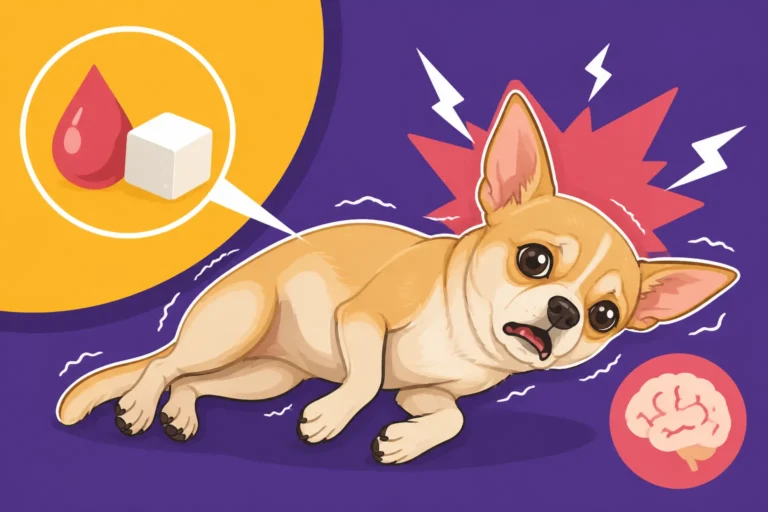
- Lethargy, fever, or loss of appetite accompanying skin issues: If your Chihuahua is not just itchy, but also acting unwell, refusing to eat, or seems feverish, it could mean the infection has become systemic or there's a more serious underlying health problem. Remember, tiny dogs like Chihuahuas can crash quickly, similar to how Chihuahua Hypoglycemia and the Puppy Emergency can occur.
- Any signs of an allergic reaction beyond skin: While this guide focuses on skin, if your Chihuahua develops facial swelling, hives, difficulty breathing, or collapses after potential exposure to an allergen (like an insect sting), this is a life-threatening anaphylactic reaction requiring immediate emergency veterinary care.
Always trust your gut feeling. You know your Chihuahua best. If something feels seriously wrong, even if you can't quite put your finger on it, err on the side of caution and contact your emergency vet. It’s always better to be safe than sorry when it comes to the health of your tiny family member, and understanding the potential costs can be part of planning, much like Budgeting a Chihuahua Dental Every Year.
| Cause of Skin Issues | Key Symptoms | Common Treatment Approaches | Diagnostic Tools |
|---|---|---|---|
| Environmental Allergies | Persistent itching (paws, face, ears, body), redness, hair loss, recurrent ear infections. Often seasonal but can be year-round. | Antihistamines, steroids (short-term), Apoquel, Cytopoint, medicated shampoos, immunotherapy. | Allergy testing (intradermal or blood). |
| Food Allergies | Year-round itching, redness, hair loss, recurrent ear/skin infections. Sometimes GI upset. | Strict elimination diet, novel or hydrolyzed protein prescription diet. | 8-12 week elimination diet followed by challenge. |
| Fleas/Parasites | Intense itching, flea dirt, scabs, hair loss (especially near tail base), red bumps. | Flea/mite prevention (oral or topical), medicated baths. | Visual inspection, skin scrapes. |
| Bacterial/Yeast Infections | Redness, pustules, scabs, crusts, foul odor, greasy skin, increased itching, hair loss. | Antibiotics, antifungals (oral or topical), medicated shampoos, wipes. | Cytology, fungal culture. |
| Hormonal Imbalance | Symmetrical hair loss, dull coat, thin skin, +/- weight changes, lethargy. Not typically itchy unless secondary infection. | Hormone replacement/balancing medication. | |
| Blood tests (thyroid, adrenal). |
Disclaimer
This article is intended for informational purposes only and does not constitute medical advice. Always consult with a qualified veterinarian for any health concerns or before making any decisions about your Chihuahua's medical care or treatment plan.