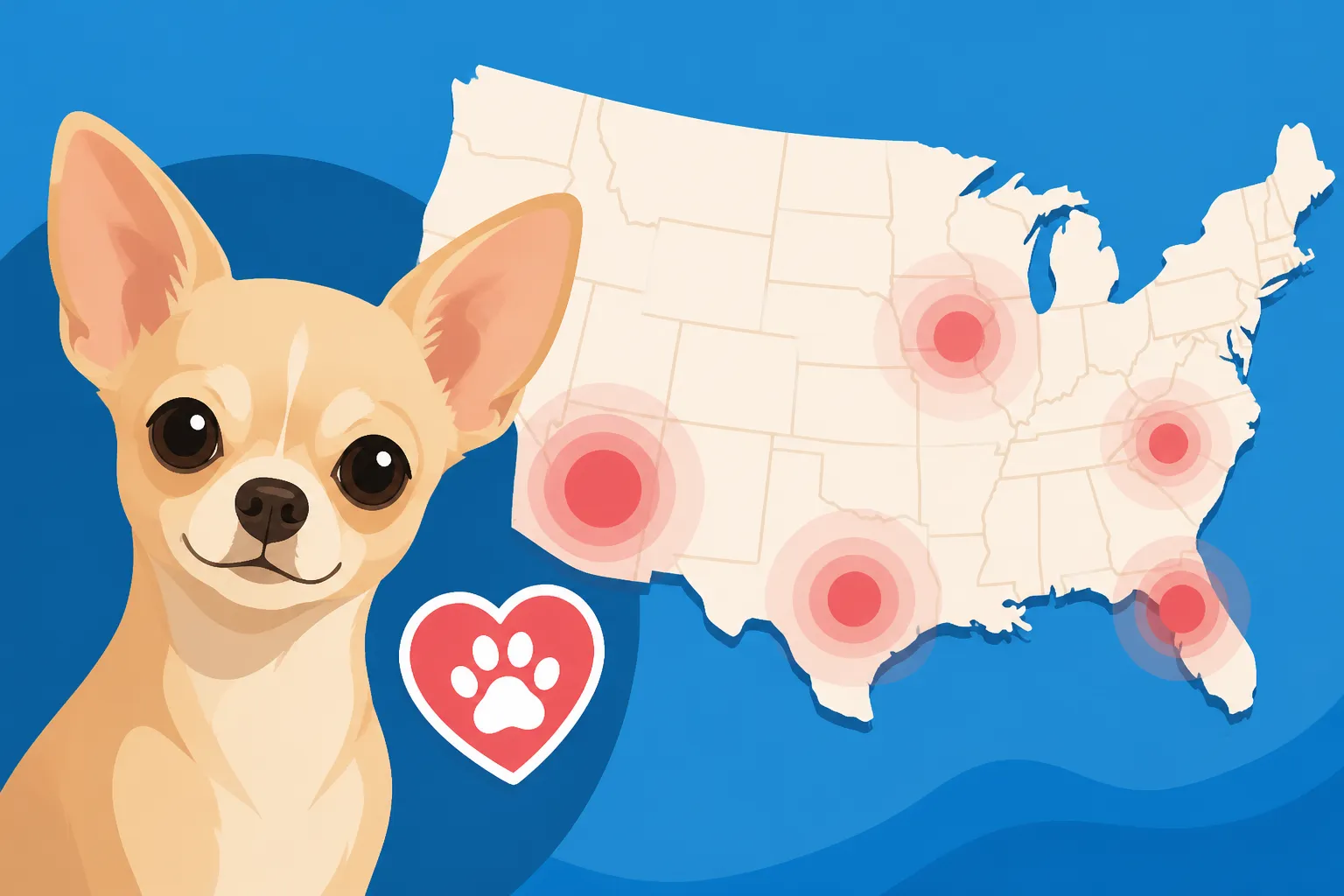
Where Chihuahua Rescues Concentrate in the US
It's heartbreaking to see how many Chihuahuas, these tiny bundles of personality, end up in shelters across the United States. Many people envision bringing home a happy, healthy pup, but the reality for thousands of Chihuahuas is a kennel, often after experiencing neglect or being surrendered. This guide is here to shed light on where these little dogs are most in need and why, helping you understand the landscape of Chihuahua rescue and how you can make a real difference.
The Heart of the Matter: Why So Many Chihuahuas Need Homes
You might wonder why such a small, often adored breed could ever be overrepresented in shelters. It's a complex issue, not just one factor. Chihuahuas have faced a perfect storm of popularity surges, misconceptions about their care, and a sad reality of irresponsible breeding practices that leave countless little lives in limbo. It’s a frustration many dedicated Chihuahua lovers share – how can so many of these wonderful dogs be without a loving home?
Overbreeding and Unplanned Litters
One of the biggest contributors to the sheer volume of Chihuahuas in rescues is overbreeding. While there are many responsible Chihuahua breeders who prioritize health and temperament, there are also countless individuals who breed their dogs without proper health clearances, genetic testing, or even a basic understanding of breed standards or population dynamics. Backyard breeders and puppy mills often produce Chihuahuas simply because they are popular, leading to an abundance of puppies without secure futures. These puppies can sometimes be sold through online ads or pet stores, and when they inevitably face health or behavioral challenges down the line, their owners are often unprepared. This often leads to dogs being given up at an early age.
Furthermore, accidental litters contribute to the problem. People might think a small dog can’t get pregnant or cause pregnancy, or they might put off spaying and neutering, not realizing how quickly an unplanned litter can happen. Each one of those puppies needs a home, and if they don't find one through careful placement, they can easily end up in the shelter system. This is why groups like the AKC and local breed clubs emphasize responsible breeding practices, and why spaying and neutering is so vital for pet owners.
Shifting Trends and Disposable Pets
Chihuahuas have had their moments in the spotlight, becoming incredibly popular thanks to celebrity endorsements and appearances in film and television. Think back to the early 2000s; suddenly, everyone seemed to want a tiny dog to carry in their purse. This surge in demand, while initially seemingly positive, often leads to impulsive purchases. People acquire a Chihuahua without truly understanding the breed’s specific needs, temperament, or lifespan.
When the novelty wears off, or the owner realizes that a Chihuahua isn't just a fashion accessory but a living, breathing creature with needs for training, exercise, and dedicated care, these dogs are often discarded. This "disposable pet" mentality is heartbreaking. The First Year Mistakes Chihuahua Owners Make often include underestimating the dog's personality and training requirements, leading to frustration and eventual surrender. Sadly, what was once a trendy accessory becomes a burden, and shelters bear the brunt of these shifting trends.
The "Small Dog Syndrome" Myth and Training Challenges
Another significant factor is the widespread misconception often dubbed "small dog syndrome." This isn't a genetic condition; it's a behavioral pattern often enabled by owners who treat their tiny Chihuahuas differently than they would a larger dog. They might skip training, let their Chihuahua get away with nipping, barking excessively, or resource guarding because "it's just a little dog." While it might seem harmless, this actually sets the Chihuahua up for failure.
When these behaviors escalate, or when the dog is adopted by someone who isn't prepared to handle them, the Chihuahua can become reactive, anxious, or even aggressive. Many Chihuahuas are surrendered because of perceived "aggression" or "untrainability" when, in reality, they simply haven't been given proper guidance and socialization. The Behaviors Owners Excuse in a Chihuahua are often the very reasons these dogs end up needing rescue. Training a Chihuahua is just as important as training a big dog, and often even more crucial due to their vulnerability in a larger world.
Geographic Hotbeds: Where Chihuahua Rescues Thrive
While Chihuahuas can be found in shelters all over the country, certain regions and types of communities consistently face a higher influx of these little dogs. Understanding these areas helps us grasp the scope of the problem and where resources are most desperately needed. It's a geographical challenge that rescue organizations tackle daily.
Southern States and High-Volume Shelters
Across the Southern United States, from states like Texas, Louisiana, Florida, and California, there's often an overwhelming number of Chihuahuas in shelters. Several factors contribute to this concentration. Warmer climates allow for year-round outdoor breeding, meaning more litters are produced without the natural deterrent of harsh winters. Additionally, spay/neuter rates can sometimes be lower in certain areas, leading to higher rates of unplanned litters.
Many municipal shelters in these regions are open-intake, meaning they cannot turn away any animal brought to them. This often results in severe overcrowding. It's not uncommon for a shelter in a high-density area to receive dozens of Chihuahuas or Chihuahua mixes in a single week. These shelters quickly reach capacity, and without robust adoption programs or rescue partnerships, the outlook for these dogs can be grim. This is where organizations focused on Chihuahua Overpopulation in American Shelters step in, working tirelessly to save lives.
Urban Centers and Apartment Living Issues
Large urban centers, even outside the South, also see a significant number of Chihuahuas needing rescue. Chihuahuas are often marketed as ideal "apartment dogs" due to their small size. While it's true they don't need a huge yard, they still require mental stimulation, regular walks, and consistent training. The reality of city living, with small apartments and busy schedules, can sometimes lead to Chihuahuas being confined too much or not receiving adequate socialization and exercise.
Furthermore, some urban areas have higher transient populations, and when people move, they sometimes leave pets behind or surrender them to local shelters. Landlord restrictions, financial difficulties, or simply the challenges of managing a pet in a fast-paced environment can all contribute to Chihuahuas ending up homeless in cities like Los Angeles, New York, or Chicago. A quick search for "Chihuahua rescue near me" in any major city will often yield numerous results, showcasing this urban concentration.
Transport Networks: Moving Chihuahuas to Emptier Shelters
Because of the severe imbalances in Chihuahua populations across the country, a crucial part of the rescue effort involves inter-state transport. Imagine a shelter in rural Texas overflowing with Chihuahuas, while a rescue in, say, New England, has empty foster homes and a high demand for small dogs. This is where transport programs become lifelines.
Dedicated volunteers and transport companies organize journeys, often hundreds or thousands of miles, to move Chihuahuas from high-kill or overcrowded shelters in one region to receiving rescues in another. These transport programs are carefully coordinated, ensuring the dogs are healthy enough for travel, have all necessary veterinary checks, and are met by foster families or adopters at their destination. Chihuahua Transport Programs Between States are a testament to the dedication of rescue volunteers, creating a vital network of second chances. These organizations often rely on donations for fuel, crates, and health certificates, and many partner with online retailers like Chewy to acquire necessary supplies for transport and new arrivals at a reasonable cost.
The Lifeline of Rescue: How Organizations Respond
The sheer number of Chihuahuas in need means that a diverse network of organizations, both specialized and general, works tirelessly to help them. These groups are the backbone of saving lives, providing everything from medical care to behavioral rehabilitation.
Dedicated Chihuahua Rescues
Across the country, there are countless breed-specific rescue organizations solely dedicated to Chihuahuas and Chihuahua mixes. These groups often have a deep understanding of the breed's specific health issues, like Chihuahua Dental Disease in a Crowded Small Jaw or Patellar Luxation, the Chihuahua's Commonest Joint Problem, and common behavioral traits. They are often volunteer-run, relying on foster homes instead of physical shelters, which creates a more nurturing environment for the dogs awaiting adoption.
These specialized rescues can spend more time rehabilitating Chihuahuas with specific needs, whether it's working through fear-based reactivity or providing extensive dental care. They often have rigorous adoption processes to ensure a perfect match, sometimes requiring multiple interviews, home visits, and references. For anyone looking to specifically adopt a Chihuahua, these breed-specific rescues are an excellent place to start, as they are experts in the breed and can offer fantastic support post-adoption.
General Shelters with High Chihuahua Intake
While breed-specific rescues are invaluable, the majority of Chihuahuas needing homes will pass through municipal animal shelters or larger humane societies. These general shelters often have limited resources and are faced with the daily challenge of managing a constant intake of animals of all breeds, shapes, and sizes. When Chihuahuas are surrendered or found as strays, they enter this system.
Many general shelters work hard to promote their smaller residents, using social media, adoption events, and partnerships with local media. However, due to the sheer volume, dogs can sometimes get overlooked, or behavioral issues can worsen in a stressful kennel environment. This is where the partnership between general shelters and breed-specific rescues becomes critical. The specialized rescues often pull Chihuahuas from overcrowded municipal facilities, freeing up space and giving those dogs a better chance at a successful adoption.
The Role of Fosters in Saving Lives
The foster system is arguably the most crucial component of Chihuahua rescue, especially given the breed's sensitive nature. Many Chihuahuas, especially those who have experienced neglect, trauma, or overstimulation, do not thrive in a noisy, crowded shelter environment. A foster home provides a quiet, loving space where a Chihuahua can decompress, learn basic house manners, and receive individualized attention.
Foster parents open their homes and hearts, providing food, shelter, and socialization. They help assess a Chihuahua’s true personality, identify any hidden health issues, and begin basic training. This information is invaluable for matching the dog with the right forever family. Without foster parents, many rescues simply couldn't operate. Fostering also allows for specialized care, such as for a Chihuahua recovering from surgery or a senior dog needing extra comfort. Fostering a Chihuahua Out of an Overfull Shelter is one of the most direct ways to save a life and prepare a dog for its next chapter. Foster parents often rely on donations or supplies from online retailers like Chewy to care for their temporary guests, helping them manage costs while giving these Chihuahuas the best possible care.
Here’s a look at how different types of organizations typically approach Chihuahua rescue:
| Organization Type | Primary Focus | Typical Challenges | Key Contributions |
|---|---|---|---|
| Breed-Specific Rescue | Chihuahuas and mixes, breed-specific health/behavior | Limited resources, reliance on fosters, can be geographically dispersed | Expert care, in-depth screening, specialized rehabilitation |
| Municipal/County Shelter | All breeds, high volume intake | Overcrowding, limited staff, euthanasia rates in some areas | First point of contact for strays/surrenders, community outreach |
| Humane Society/SPCA | All breeds, often larger facilities, community services | Managing diverse needs, public education, sometimes high intake volume | Public adoption events, spay/neuter clinics, educational programs |
| Transport Network | Moving dogs from high-volume to low-volume areas | Logistics, funding for transport, health clearances for travel | Balancing shelter populations, increasing adoption chances |
| Foster Networks | Individualized home care for dogs | Finding enough foster homes, managing dog transitions | Decompression, socialization, behavioral assessment, medical recovery |
What You Can Do to Help (Beyond Adoption)
It's easy to feel overwhelmed by the scale of the problem, but every individual action makes a difference. If you're passionate about Chihuahuas, there are many ways you can contribute to reducing their numbers in shelters, even if adopting isn't an option for you right now.
Supporting Rescue Efforts
Financial donations are always needed, as rescues operate on thin margins, covering extensive vet bills, food, and supplies. Even a small monthly donation can help. Beyond money, consider donating supplies. Many rescues have wish lists on sites like Chewy for food, blankets, toys, and cleaning supplies. You can also volunteer your time at a local shelter or rescue. This could involve walking dogs, cleaning kennels, helping with adoption events, or even administrative tasks like answering emails or processing applications.
Perhaps the most impactful direct action is fostering. By providing a temporary home, you free up space in a shelter or rescue, allowing them to save another dog. You also give that Chihuahua the invaluable experience of living in a home, making them more adoptable. Fostering a Chihuahua Out of an Overfull Shelter saves a life and directly contributes to their journey to a forever home.
Responsible Ownership and Prevention
If you already own a Chihuahua or are considering getting one, being a responsible owner is paramount. The single most important preventative measure is spaying or neutering your pet. This prevents accidental litters and contributes significantly to controlling pet overpopulation. Understand that Spay Timing for a Chihuahua Under Six Pounds is a conversation to have with your vet, but it's a critical step.
Furthermore, commit to training and socializing your Chihuahua. Enroll in puppy classes, or work with a positive reinforcement trainer to address any behavioral challenges early. Training a Chihuahua Exactly Like a Big Dog will create a well-adjusted companion who is less likely to develop issues that could lead to surrender. A well-behaved, well-socialized Chihuahua is a joy to live with and a testament to responsible pet ownership. Before bringing home a Chihuahua, consider if your lifestyle truly suits their needs. Read up on Whether a Chihuahua Suits a Small Budget and other care requirements.
Spreading Awareness and Education
Finally, use your voice! Talk to friends, family, and acquaintances about responsible pet ownership. Share information about local rescues and the importance of adoption. Correct misconceptions about Chihuahuas and "small dog syndrome." Advocate for spay/neuter programs in your community. Even a simple share on social media about a Chihuahua needing a home can reach the right person.
Education is a powerful tool in combating pet overpopulation. By making informed choices, supporting dedicated organizations, and advocating for responsible pet care, we can collectively work towards a future where fewer Chihuahuas find themselves without a loving home, regardless of where they are in the US. Consider adopting a Senior Chihuahua Care Past the Age of Twelve or an older rescue, as they often get overlooked but have so much love to give. Your actions, no matter how small they seem, add up to make a huge difference for these charming, resilient little dogs.
Disclaimer
This article is for general informational purposes only and does not constitute professional advice. Laws, prices and regulations vary by location and change over time. Consult a qualified professional for guidance on your specific situation.