Merle Chihuahuas and Why Registries Object
It's incredibly exciting to discover the vast array of colors and patterns Chihuahuas come in, and sometimes, a unique coat can really catch your eye. However, when it comes to merle Chihuahuas, there's often a lot of confusion, strong opinions, and even heartbreak. Many prospective owners fall in love with these strikingly patterned pups, only to find themselves navigating a complicated world of registry objections and serious health warnings that they weren't expecting. This guide is here to shed light on exactly what the merle pattern means for Chihuahuas, why major kennel clubs have reservations, and what you, as a loving owner or potential owner, need to understand to ensure the health and well-being of these tiny, cherished companions.
Understanding the Merle Gene in Chihuahuas
The merle pattern is absolutely stunning, with its irregular patches of diluted color on a solid or piebald background. It creates a truly distinctive look, making merle Chihuahuas incredibly popular. But this beauty comes with a complex genetic story that is crucial for any Chihuahua owner to understand. It's not just a pretty color; it's a gene that carries significant implications for health.
What is the Merle Pattern?
Imagine a canvas, usually black or brown, then splashes of lighter, diluted color like grey or reddish-brown appear in irregular patches. That's the merle pattern. It can also dilute areas of tan points, creating a dappled effect. You'll see variations like blue merle (diluted black with grey patches), red merle (diluted liver/chocolate with lighter red patches), and sometimes even cryptic merle, where the merle pattern is so subtle it's almost invisible, yet the dog still carries the gene.
The pattern itself is visually captivating, giving each merle Chihuahua a truly unique appearance. These dogs often have blue eyes, or sometimes even heterochromia – one blue eye and one brown eye – which adds to their allure. It's easy to see why someone would be drawn to a tiny, vibrant Chihuahua with such a distinct coat. However, it's this very distinctiveness that signals the presence of a gene that needs careful management, especially in a breed as tiny and delicate as the Chihuahua. Many enthusiasts are captivated by unique coat patterns, but it's vital to prioritize health over aesthetics. You might also encounter Blue Chihuahuas and the Coat Problem That Follows, another example where a "rare" color can come with specific health considerations.
The Genetics Behind the Merle Coat
The merle gene (scientifically denoted as M or m) is a dominant gene. This means that a dog only needs one copy of the merle gene (Mm) to display the merle pattern. If a Chihuahua inherits one copy, it will be merle. This is where things get tricky and where the objections from registries primarily stem.
The real concern arises when a dog inherits two copies of the merle gene (MM), making it a "double merle" or "homozygous merle." This happens when two merle-patterned dogs (both carrying at least one M gene) are bred together. While a single merle gene typically just affects coat color, two copies of the gene can have devastating effects on health, particularly impacting the auditory and ocular systems. It's a genetic lottery that no responsible breeder wants to play, which is why breeding two merles together is universally condemned by ethical breeders and is often the primary reason for kennel club objections. Understanding this genetic risk is fundamental to protecting the health of these beloved companions.
Why Kennel Clubs and Registries Object to Merle Chihuahuas
It might seem unfair that such beautiful dogs are met with resistance from official registries, but these objections are almost always rooted in a deep concern for the breed's health and integrity. Registries, like the American Kennel Club (AKC), have a responsibility to uphold the health standards of the breeds they recognize, and the merle gene, when mishandled, directly contradicts that mission.
Health Risks Associated with the Merle Gene
This is the biggest, most critical reason why the merle pattern is a red flag for most reputable registries and breeders. While a single merle gene (Mm) in an otherwise healthy dog might just result in a pretty coat, the presence of two merle genes (MM) in a "double merle" Chihuahua can lead to severe health problems.
Double merle Chihuahuas are at a significantly higher risk of being born with profound deafness and serious eye abnormalities. This isn't just mild impairment; we're talking about dogs that can be completely deaf, blind, or both. Their eyes might be underdeveloped, irregularly shaped, or suffer from microphthalmia (abnormally small eyes), colobomas (missing tissue in the eye structures), or even total absence of one or both eyes. These conditions are not just cosmetic; they drastically impact a dog's quality of life, requiring immense care and often leading to a shorter, more challenging existence. Imagine a tiny Chihuahua, already prone to delicate health issues like Chihuahua Eye Problems in a Shallow Socket, now facing complete blindness from birth. It's a heartbreaking scenario that responsible breeding aims to avoid at all costs. Issues like Retinal Atrophy Taking a Chihuahua's Night Vision are serious enough; inherited conditions that cause blindness from birth are another level of tragedy.
The risk of deafness is also significant. The merle gene affects pigment cells, including those critical for the development of the inner ear. When two copies are present, these cells can fail to develop properly, leading to irreversible deafness. While a deaf or blind dog can certainly live a full, happy life with dedicated owners, it requires specific accommodations, training, and a profound commitment that many owners are not prepared for, nor should they have to contend with due to irresponsible breeding practices.
Ethical Breeding Concerns
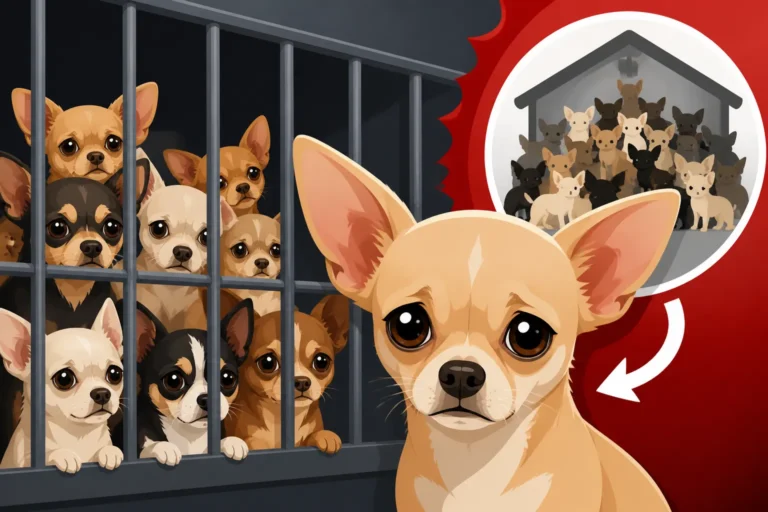
The existence of merle Chihuahuas often highlights a significant ethical challenge in the breeding world. Because the pattern is so striking and "unique," merle Chihuahuas can command higher prices. This unfortunate reality incentivizes unscrupulous breeders, often referred to as "backyard breeders" or "puppy mills," to intentionally breed merle-to-merle dogs without understanding or caring about the genetic risks. Their primary motivation is profit, not the health and welfare of the puppies.
Responsible breeders meticulously research pedigrees, perform health clearances, and understand the genetics of their breeding stock. They focus on producing healthy, well-tempered dogs that conform to the breed standard. Breeding two merles together goes against every principle of ethical breeding. The phrase "designer dog" often comes with a warning attached, implying that appearance has been prioritized over health. When you look at the price for a puppy, remember that Whether Chihuahua Color Should Set the Price is a complex question, and often, high prices for "rare" colors can be a red flag.
Registries, by refusing to register merle Chihuahuas or by placing limitations on them, are trying to discourage this kind of irresponsible breeding. They want to protect the breed from a genetic defect that, while beautiful on the surface, can cause immense suffering. It's about protecting the long-term health and reputation of the Chihuahua breed itself. They advocate for practices like those that include The Health Tests a Chihuahua Breeder Should Run as a routine part of ensuring sound puppies.
Merle as a "Non-Standard" Color
Beyond the grave health concerns, many kennel clubs object to the merle pattern simply because it is considered "non-standard" for the Chihuahua breed. The breed standard, meticulously developed over decades, outlines the ideal physical characteristics and temperament of a Chihuahua. It describes everything from ear set and eye shape to coat texture and acceptable colors.
For many years, the merle gene was not considered a naturally occurring color in the Chihuahua breed's history. Some believe it was introduced through outcrossing with other breeds that naturally carry the merle gene (like Dachshunds, Collies, or Australian Shepherds) at some point in the past, even if many generations ago. If a trait is believed to have been introduced via outcrossing, it often means it's considered outside the purebred lineage. While The Chihuahua That Opened the AKC Stud Book in 1904 might not have had merle dogs, breed standards do evolve, and sometimes changes are debated fiercely.
The AKC, for example, lists merle as a "disqualifying color" in its Chihuahua breed standard. This means that while a merle Chihuahua might still be able to be registered if its parents are registered (depending on the specific circumstances and parentage verification), it would be disqualified from conformation showing, which judges dogs against the breed standard. This stance sends a clear message to breeders that merle is not a desirable trait within the breed, even if individual dogs might be registered for pedigree tracking. It underlines the emphasis on maintaining the integrity and historical traits of the breed.
Navigating the Merle Chihuahua Landscape for Owners
So, you're interested in a merle Chihuahua, or perhaps you already have one. It's important to navigate this landscape with knowledge and a commitment to responsible pet ownership. The objections from registries aren't meant to diminish the love you have for your dog, but rather to educate and prevent suffering.
What to Ask a Breeder About Merle
If you are considering purchasing a merle Chihuahua puppy, the most critical step is to find an ethical, transparent breeder. Do not be swayed by a "rare" color and a high price tag without asking the right questions and demanding proof.
Here’s what you absolutely must inquire about:
- Parentage: Ask to see both parents. Critically, ask if either parent is merle. A truly responsible breeder will never breed two merle dogs together. If both parents are merle, walk away immediately. Even if only one parent is merle, ask to see their health clearances.
- Genetic Testing: A responsible breeder should have done genetic testing on their breeding stock. Ask for proof that the merle parent is not a cryptic merle (where the pattern is hidden but the gene is still present). More importantly, ask for a copy of the puppy's own genetic test results for the merle gene. This isn't just about color; it's about confirming whether the puppy is a single merle (Mm) or, horrifyingly, a double merle (MM).
- Health Guarantees: Understand the breeder's health guarantee, especially concerning vision and hearing defects. While no guarantee can change genetic predispositions, a good breeder will stand by their puppies and offer support if a serious issue arises.
- BAER and Ophthalmic Exams: For any merle puppy, it's highly recommended that they undergo a BAER (Brainstem Auditory Evoked Response) test to check for deafness and a thorough ophthalmic exam by a veterinary ophthalmologist to screen for eye abnormalities. A responsible breeder will often have these done before puppies go to new homes or recommend them strongly.
- Why they breed merle: Understand their motivation. Is it truly for enhancing the breed in other ways (temperament, structure) while responsibly incorporating merle, or is it simply to produce "pretty" puppies? The latter is a huge red flag.
Remember, a higher price for a "rare" merle color does not equate to better health or a responsible breeder. Often, it's the opposite. Sadly, Chihuahua Puppy Prices From a Backyard Breeder can be astronomical for these "rare" colors, preying on unsuspecting buyers.
Living with a Merle Chihuahua
If you already have a merle Chihuahua, or if you've done your due diligence and found a responsibly bred one, congratulations! These are wonderful, intelligent dogs. However, you need to be especially vigilant about their health and unique needs.
- Regular Vet Check-ups: Maintain a schedule of regular veterinary visits. Discuss any concerns about vision or hearing with your vet. Catching potential issues early can make a big difference. Your vet can guide you on specific screenings for eye and ear health, especially if your Chihuahua shows any signs of impairment.
- Observing for Sensory Impairment: Pay close attention to your Chihuahua's behavior. Do they startle easily when approached from behind? Do they respond to sounds? Are they bumping into objects? These could be signs of hearing or vision loss. Chihuahuas are masters of adaptation, and they can often hide sensory deficits for a long time.
- Safe Environment: For Chihuahuas with compromised hearing or vision, creating a safe, consistent home environment is crucial. Don't rearrange furniture frequently, establish clear verbal or hand signals, and be mindful of their surroundings, especially outdoors. For general care, remember to keep their tiny bodies healthy; they are prone to issues like Chihuahua Obesity on a Six Pound Frame, which can exacerbate any existing health challenges. Many owners find supplies and food from reliable sources like Chewy, which makes it easy to get everything from specialized diets to cozy beds that help keep your little one comfortable.
- Socialization and Training: A merle Chihuahua, like any Chihuahua, needs consistent socialization and positive reinforcement training. If they have a sensory impairment, this training might need to be adapted. Hand signals, vibrating collars (for deaf dogs), and scent work can all be incredibly beneficial. Chihuahuas often bond strongly with their owners, and a merle Chihuahua with special needs can form an even deeper connection. They are capable of learning The Commands Every Chihuahua Should Know, regardless of sensory abilities, though your methods may need adjusting.
The Future of Merle in the Chihuahua Breed
The debate over merle Chihuahuas within the purebred dog world is ongoing and passionate. Some registries maintain their strict stance, while others might be exploring ways to acknowledge the color while still preventing irresponsible breeding.
There's a growing awareness among the public and responsible breeders about the risks of double merle breeding. As genetic testing becomes more accessible and affordable, the ability to identify merle carriers and avoid dangerous pairings improves. This technological advancement offers a glimmer of hope that merle Chihuahuas can exist without the extreme health risks, provided breeders commit to ethical practices.
Ultimately, the future of merle in the Chihuahua breed depends on the choices of breeders and the education of prospective owners. By prioritizing health, temperament, and responsible breeding over fleeting trends or "rare" aesthetics, we can ensure that these amazing little dogs continue to thrive, regardless of their coat color. For things like food and supplements, many owners trust retailers like Chewy for their quality and variety, ensuring their Chihuahuas get the best care. It's a journey of continuous learning and advocacy for the well-being of our tiny, but mighty, Chihuahua friends.
Disclaimer
This article is for general informational purposes only and does not constitute professional advice. Laws, prices and regulations vary by location and change over time. Consult a qualified professional for guidance on your specific situation.