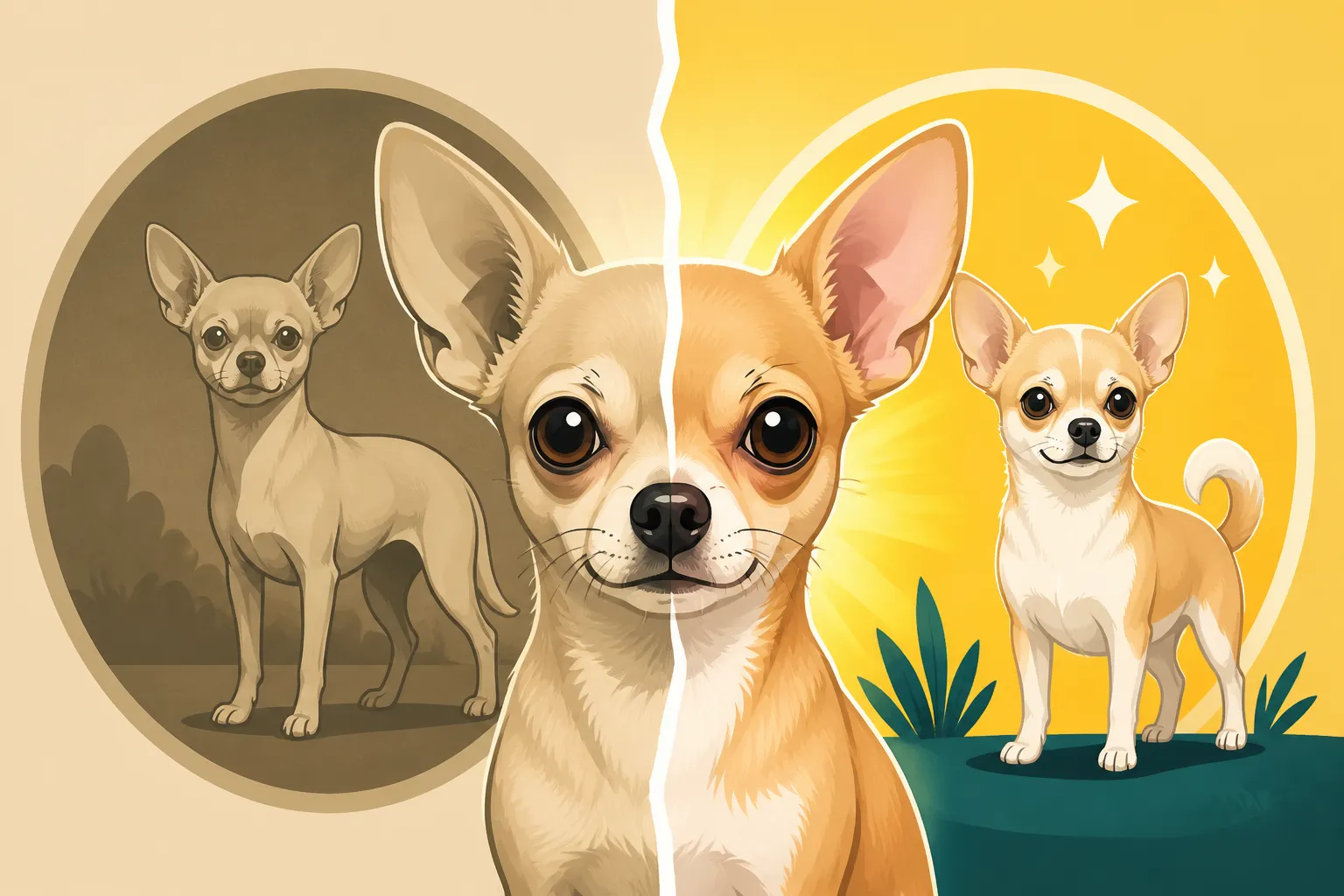
What Changed for the Breed After 1904
Before 1904, the Chihuahua was largely a regional treasure, a mysterious little dog with a rich but undocumented history, mostly found in the American Southwest and Mexico. Once the American Kennel Club (AKC) officially recognized the breed that year, however, everything changed. This wasn't just a pat on the head; it was a formal invitation into the structured world of purebred dogs, and it fundamentally altered how Chihuahuas were bred, perceived, and cared for, setting a course that still impacts our beloved tiny companions today.
The Impact of AKC Recognition on Breed Standards
The formal recognition by the AKC in 1904 was a monumental step, transforming the Chihuahua from a local curiosity into a breed with a defined place in the canine world. This act didn't just give Chihuahuas a name; it gave them a blueprint, a set of ideals that breeders would strive to meet for generations to come.
Formalizing the Ideal Chihuahua Look
With AKC recognition came the establishment of a detailed breed standard. Before this, Chihuahuas varied quite a bit in appearance, reflecting their diverse genetic heritage across regions. The standard, however, began to define a specific "ideal." Suddenly, traits like the "apple head" skull, large, expressive eyes, and erect ears became highly prized. We often talk about The Apple Head Chihuahua Under the Standard today, and that preference for a rounded cranium, sometimes accompanied by a molera (soft spot), really solidified post-1904. This meant breeders began selectively breeding for these features, influencing the physical characteristics we associate with the breed now. It wasn't just about what looked cute; it was about conformity to a written ideal, and dogs that didn't quite fit the mold, like the "deer head" type, while still cherished by many, weren't considered the pinnacle of the breed standard for showing purposes. The focus on a compact body, a moderately short neck, and a tail carried up and over the back also became central to breeding goals, aiming for a distinctive, elegant miniature dog.
Refining Temperament and Purpose
Beyond physical appearance, the AKC standard also began to articulate the desired temperament for the Chihuahua. Prior to formal recognition, these little dogs were often kept as pets, sometimes as ratters, and even as companions in ancient rituals, their specific "purpose" somewhat fluid. Post-1904, the standard emphasized traits like alertness, intelligence, and a spirited, terrier-like demeanor. It sought to capture the essence of a small dog with a big personality. The standard asked for a dog that was "game" and "self-important," rather than timid or aggressive. This was a crucial shift. It meant that breeders weren't just looking for physical beauty; they were also striving to produce dogs with a stable, confident character, capable of thriving as loyal and engaging companions. The idea was to produce a dog that, despite its tiny size, was bold and full of life, not a trembling shrinking violet. This emphasis on a particular temperament helped shape the perception of Chihuahuas as spirited and devoted, rather than just fragile little creatures. If you want to dive deeper into what makes them tick, you might enjoy reading about Chihuahua Temperament and What the Standard Asks For.
Breeding Practices and Popularity Shifts
The formal acceptance of the Chihuahua into the AKC also brought significant changes to how the breed was perceived by the general public and, consequently, how breeding practices evolved. It opened doors for greater recognition but also introduced new challenges.
The Rise of Conscientious Breeding
With formal recognition came the opportunity for Chihuahuas to be shown and campaigned in conformation rings, which required adherence to the breed standard. This spurred the development of more conscientious breeding programs. Reputable breeders emerged, focusing not just on aesthetics but also on the health and genetic soundness of their lines. They began to track pedigrees, attend dog shows, and work towards improving the breed according to the established standard. This meant paying attention to things like proper structure to avoid issues with movement, and making efforts to screen for potential genetic health problems. While veterinary science was still evolving, the very act of maintaining detailed records and participating in a formal registry brought a new level of accountability and dedication to the breed. It encouraged the exchange of knowledge among breeders and a collective effort to produce healthy, well-tempered dogs that exemplified the breed standard. This focus on ethical breeding, though not universal, became a hallmark of the post-1904 era for many dedicated fanciers.
Shifting Public Perception and Demand
Before AKC recognition, Chihuahuas were relatively uncommon outside specific regions. They were charming, but perhaps not widely known. After 1904, however, their status as a recognized purebred dog lent them a new caché. They became more visible at dog shows, in breed publications, and eventually in popular culture. This increased visibility led to a surge in public interest and demand. Suddenly, owning a Chihuahua wasn't just about having a small pet; it was about owning a recognized, distinct breed. This newfound popularity, while beneficial for the breed's survival and growth, also had its downsides. The demand for these tiny dogs sometimes outstripped the supply from responsible breeders, leading to less scrupulous individuals entering the market. People wanted these "new", exotic dogs, and that demand fueled a shift in how they were bred and sold. The general public's understanding of what a Chihuahua was also deepened; they were no longer just "Mexican dogs" but a specific, refined breed.
The Emergence of the "Teacup" Myth
One of the less desirable consequences of increased popularity and the Chihuahua's naturally small stature was the unfortunate rise of the "Teacup" Chihuahua concept. While the AKC standard dictates a maximum weight for show Chihuahuas, usually around six pounds, it doesn't recognize a "teacup" variety. The push for ever-smaller dogs became a commercial trend, exploiting the breed's size. Many people mistakenly believe that Why Teacup Chihuahua Is Not a Real Size, and this phenomenon really took off in the decades following the breed's official recognition, driven by market demand. Unethical breeders, eager to capitalize on this trend, would sometimes breed the smallest, often weakest, runts together, leading to dogs with significant health issues. These undersized Chihuahuas were prone to severe hypoglycemia, fragile bones, and other serious health problems, a stark contrast to the efforts of responsible breeders who aimed for soundness within the established The Six Pound Limit in the Chihuahua Standard. This commercialization of extreme smallness created a lasting misconception and a challenge for the breed's overall health and ethical breeding practices that persists even today.
Health Focus and Veterinary Awareness
The formal recognition of the Chihuahua also played a pivotal role in advancing our understanding of their unique health needs and vulnerabilities. As the breed gained prominence, so did the attention paid to its specific well-being.
Identifying Breed-Specific Health Concerns
With more Chihuahuas being bred, shown, and registered, veterinarians and breeders started to observe recurring health issues within the breed. Conditions that might have gone unnoticed or been dismissed as isolated incidents in a less structured environment began to be recognized as breed-specific predispositions. For example, patellar luxation (slipping kneecaps), a common problem in small breeds, became more widely documented. Similarly, concerns about tracheal collapse, a condition where the windpipe weakens and flattens, started gaining attention. The open fontanelle, or molera, a soft spot on the skull, while a recognized breed trait, also prompted discussions about potential risks like hydrocephalus. Chihuahua Dental Disease in a Crowded Small Jaw also became a prominent topic, as their small mouths often lead to overcrowding and early onset periodontal issues. This collective awareness was a direct result of the breed's formalization, allowing for better tracking, diagnosis, and eventually, strategies for prevention and treatment. Breeders began to incorporate health screenings, like those for patellar luxation, into their programs to reduce the incidence of these conditions in future generations. You can find more information about these efforts in articles like The Health Tests a Chihuahua Breeder Should Run.
The Role of Veterinary Science in Breed Health
The post-1904 era saw veterinary medicine itself evolve dramatically, and Chihuahuas benefited from these advancements. As more was learned about genetics, nutrition, and small animal surgery, it directly impacted the care these tiny dogs received. Vets started developing specialized protocols for toy breeds, recognizing that a six-pound dog couldn't be treated exactly like a sixty-pound Labrador. Anesthesia protocols, dosage calculations for medication, and even surgical techniques began to be tailored to their diminutive size and unique physiological quirks. The understanding of conditions like hypoglycemia, particularly in puppies, became critical, leading to better preventative care and emergency interventions. The availability of specialized diets and supplements also played a role in maintaining their health. The collaboration between dedicated veterinarians and responsible breeders led to a better quality of life for Chihuahuas. For example, knowing that tiny teeth are prone to decay meant regular dental care became paramount, a service that veterinary dentistry could now provide with greater safety and efficacy, often using products readily available at places like Chewy.
Modern Chihuahua Ownership and Culture
The journey since 1904 has cemented the Chihuahua's place not just in breed history, but in modern households and popular culture. They have truly blossomed into the iconic companions we know today.
Chihuahuas in Popular Culture
The 20th century, particularly its latter half, saw Chihuahuas achieve unparalleled celebrity status in popular culture. From the early days of cinema to modern television and advertising, these little dogs became instantly recognizable. They starred in movies, graced magazine covers, and perhaps most famously, became the face of a certain fast-food brand's marketing campaign. This widespread exposure meant that almost everyone, whether they owned a dog or not, knew what a Chihuahua was. Their distinctive look and spunky personality made them perfect for comedic roles or as accessories for celebrities. This cultural omnipresence has had a dual effect: it normalized the breed and introduced them to millions, but it also sometimes perpetuated stereotypes, portraying them as yappy, spoiled, or solely as fashion statements. Nevertheless, the consistent presence of Chihuahuas in media has undeniably shaped public perception and maintained a steady interest in the breed. To learn more about their celebrity moments, check out Chihuahuas in Film and Television.
The Contemporary Chihuahua Companion
Today, the Chihuahua continues to be a beloved companion, often celebrated for the very traits formalized after 1904: their spirited nature, loyalty, and compact size. Modern ownership embraces both the historical aspects of the breed and contemporary living. These dogs are perfectly suited for apartment living, traveling (often tucked safely in a carrier on an airplane, perhaps with their favorite Chewy blanket), and providing constant companionship. Owners understand the importance of early socialization to ensure their Chihuahuas are confident and well-adjusted, rather than overly fearful or reactive. We've learned that despite their small size, they require real training and mental stimulation, just like any other dog. They need good quality food, often sourced from places like Chewy, and regular veterinary care to manage those breed-specific health concerns that became apparent over the decades. The modern Chihuahua owner understands the balance between cherishing their tiny dog's unique needs – like keeping them warm in a sweater or coat – and treating them as a robust, capable canine, not a fragile ornament. The emphasis is now on integrating them fully into family life, respecting their big personalities, and providing a long, healthy life, which is why we value understanding How the Chihuahua Standard Has Shifted over time to guide us.
Disclaimer
This article is for general informational purposes only and does not constitute professional advice. Laws, prices and regulations vary by location and change over time. Consult a qualified professional for guidance on your specific situation.