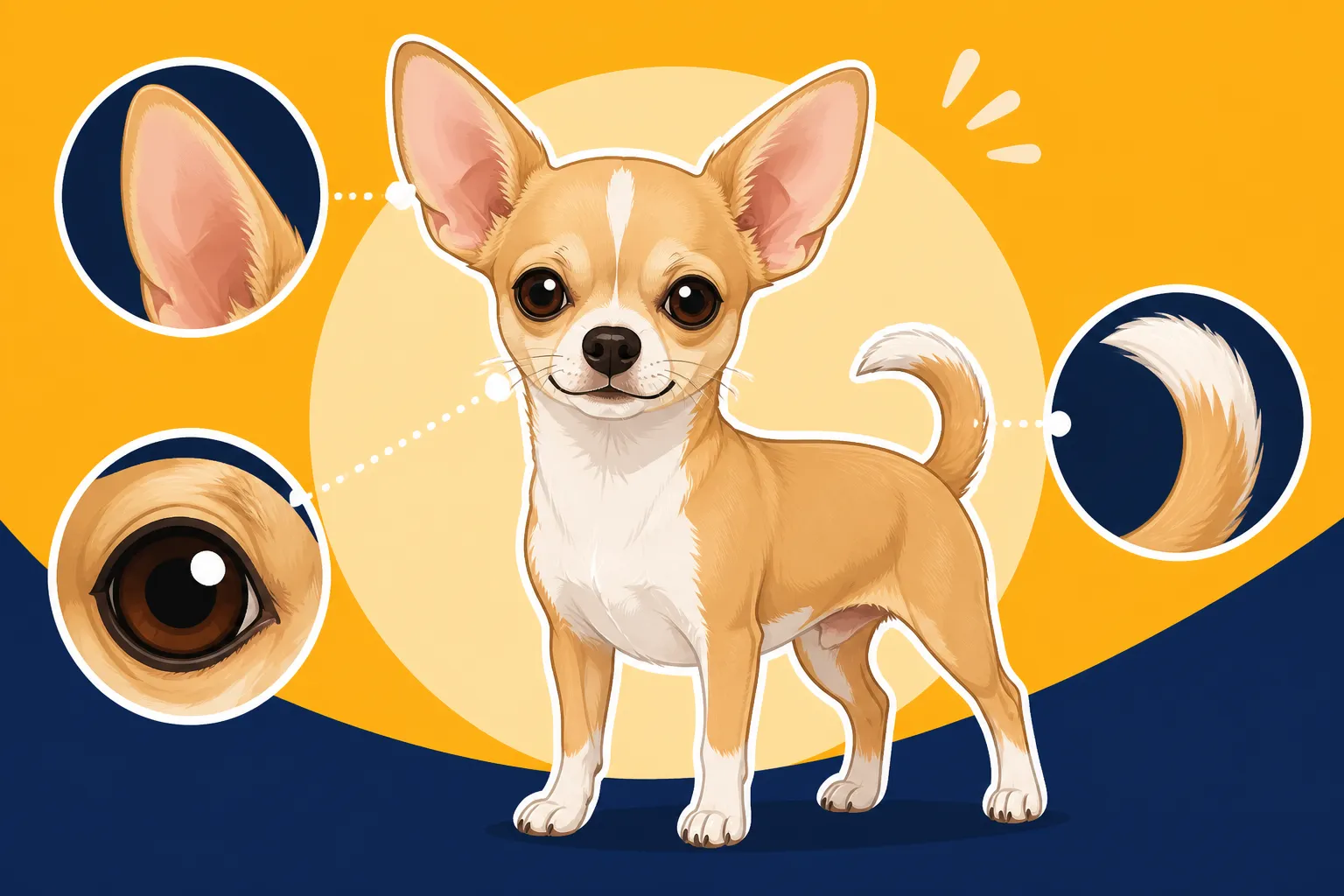
Chihuahua Ears, Eyes and Tail in the Standard
It's incredibly exciting to learn about the specific traits that define our beloved Chihuahuas, especially when you start looking past the general "small dog" label. Many of us are drawn to their unique appearance, but sometimes it's hard to tell what's simply part of the breed's charm and what aligns with the recognized breed standard for their ears, eyes, and tail. This guide aims to demystify these distinctive features, offering a deep dive into what makes a Chihuahua truly embody its breed's ideals and providing insight into what these characteristics mean for their overall health and happiness.
Understanding the Chihuahua Breed Standard
When you hear people talk about a "breed standard," it might sound a bit like a beauty pageant for dogs, but it's so much more than that. For any purebred dog, including our tiny Chihuahuas, the breed standard is like a detailed blueprint, meticulously crafted by kennel clubs (like the American Kennel Club here in the States). It outlines not just what the dog should look like, but also how it should move, its temperament, and its overall structure.
Why a Standard Exists for Chihuahuas
The primary reason for a breed standard isn't just to produce visually appealing dogs, although that's certainly a part of it. At its heart, the standard is about preserving the core characteristics of the breed – traits that have been carefully cultivated over generations. For Chihuahuas, whose origins can be traced back through centuries, perhaps even to the ancient Techichi dogs of Mexico, this lineage is incredibly rich. The Chihuahua From Techichi to American Lapdog delves into this fascinating history, showing just how long and storied their journey has been.
Breeders committed to upholding the standard use it as a guidepost for responsible breeding decisions. They're not just pairing any two Chihuahuas; they're thoughtfully selecting dogs that best represent the breed's ideal, aiming to improve each successive generation. This dedication helps maintain a consistent type, ensuring that a Chihuahua today shares the fundamental qualities – both physical and temperamental – with Chihuahuas of decades past. Without a standard, breeds could quickly diverge, losing the very essence that makes them unique. It provides a framework for health, temperament, and appearance that ultimately benefits the dogs themselves by promoting soundness. The moment the AKC formally recognized the breed in 1904, a clearer path was set for defining these ideals, as outlined in AKC Recognition of the Chihuahua in 1904.
Beyond Just the "Look"
It’s crucial to understand that the breed standard isn't merely a checklist for cosmetic perfection. Every aspect of the standard, from the shape of the skull to the way the tail is carried, connects back to the dog's functionality, health, and overall well-being. For example, while an "apple head" skull is characteristic of the breed, as explored in The Round Skull the Chihuahua Standard Asks For, this shape is also tied to important anatomical considerations that influence the dog's health.
The standard emphasizes structural soundness because a dog that is structurally sound is generally a healthier, more comfortable dog. Good bone structure, proper angulation, and correct musculature all contribute to a dog's ability to move without pain or undue stress on their joints. Even temperament, which might seem subjective, is part of the standard. The Chihuahua is typically described as "terrier-like" in its spirit – alert, observant, and full of personality. This desired demeanor, highlighted in The Terrier-Like Chihuahua Spirit the Standard Wants, isn't just charming; it speaks to the dog's confidence and adaptability, traits that are far more important than just a pretty face. Deviations from the standard, especially those concerning physical structure, can sometimes hint at underlying health vulnerabilities, which a responsible breeder would strive to avoid.
The Iconic Chihuahua Ears
One of the first things many people notice about a Chihuahua, next to their diminutive size, are those magnificent ears. They are undeniably one of the breed's most defining and endearing features, adding immensely to their expressive faces and alert demeanor.
Ideal Ear Placement and Size
According to the breed standard, the ideal Chihuahua ear is quite distinctive: large, erect, and flaring gracefully to the sides. When a Chihuahua is alert and listening intently – perhaps to the crinkle of a treat bag or the sound of your car pulling up – their ears will be held upright, with the tips angled slightly to the side, creating that quintessential "bat-ear" silhouette. However, when they are relaxed or feeling affectionate, it's perfectly normal for their ears to soften and even lay back a bit, showcasing their emotional range. This specific carriage is so important to their breed type that it's a key point of discussion among enthusiasts, which you can read more about in The Chihuahua Ear Carriage Judges Look For.
The size of these ears is proportionate to their small heads, giving them an almost comical, yet utterly charming, appearance. The cartilage should be strong enough to hold them erect without any signs of weakness. They are typically fine in texture, feeling almost velvety to the touch. This combination of size, placement, and carriage gives the Chihuahua an alert, intelligent, and often very curious expression, enhancing their ability to pick up on even the softest sounds, making them excellent little watchdogs despite their size.
Addressing Common Ear Concerns
While the upright, flaring ear is the breed ideal, sometimes Chihuahuas might present with slightly different ear types. For example, some may have "rose" or "button" ears, where the ear folds over rather than standing fully erect. While not conforming to the breed standard for show purposes, these variations are usually purely cosmetic and don't pose any health issues for the dog. Similarly, if an adult Chihuahua has perpetually floppy ears, especially if they were upright as a puppy, it might suggest a weaker cartilage or perhaps a mix in their lineage. For many owners, these small differences just add to their dog's unique character.
However, the large, open nature of Chihuahua ears does come with some practical considerations for owners. Because they are so open to the air, they generally have good ventilation, which can help prevent moisture buildup that leads to infections. Still, they can collect dust, dirt, or even small debris, especially if your Chihuahua loves to explore the yard. Regular, gentle cleaning with a vet-approved ear cleaner is a good practice to prevent buildup. There are many excellent ear cleaning solutions available from reputable pet supply retailers, for example, products you might find on Chewy that are formulated specifically for dogs and safe for their delicate ear canals. Always ensure you're using products designed for canine use and follow the instructions carefully to avoid irritation. Keeping those ears clean helps ensure their sensitive hearing remains sharp and free from discomfort.
Those Expressive Chihuahua Eyes
A Chihuahua's eyes are truly windows to their soul, often described as luminous and full of intelligence. They are a significant part of the breed's charm, conveying a wide range of emotions from playful mischief to profound devotion.
Desired Eye Shape and Color
The breed standard describes the ideal Chihuahua eye as full, round, and very dark, giving a luminous and expressive look. They should be set well apart on the skull, but not be overly protruding or bug-eyed. The expression should consistently be one of alertness and intelligence, reflecting the Chihuahua's keen awareness of its surroundings. The eye rims themselves should be well pigmented, typically dark, providing a clear outline to those captivating orbs. This specific combination of shape, color, and setting is essential for the breed's overall character and helps to define its iconic appearance. You can find more details on this particular characteristic in Chihuahua Eye Shape and Expression.
While very dark eyes are the preference in the standard, some Chihuahuas with lighter coat colors might have slightly lighter eye pigmentation. This is not uncommon and usually doesn't affect their vision or health. The key is the overall shape and the alert, intelligent expression. A Chihuahua's eyes are often the first place we look to understand what they are thinking or feeling, whether they are silently judging your snack choices or beaming with joy at the sight of a beloved toy.
Protecting Prominent Chihuahua Eyes
While the breed standard calls for full, round eyes, there's a fine line between "full" and "excessively prominent." Unfortunately, some Chihuahuas can have eyes that protrude more than is ideal, which can lead to increased vulnerability. These prominent eyes are more susceptible to injury from everyday occurrences, like accidentally bumping into furniture, getting scratched during rough-and-tumble play with another pet, or even suffering irritation from dust, debris, or plant material encountered on a walk. Their shallow eye sockets mean there's less bone protecting the eye itself. Chihuahua Eye Injuries and Prominent Eyes dives deeper into these specific risks.
As owners, it's vital to be extra mindful of their surroundings. This might mean making sure your home is free of low-lying hazards, supervising play closely, and being cautious in environments with tall grass or branches. Beyond injury, prominent eyes can also be prone to dryness or irritation, sometimes leading to tear staining under the eyes. Regular, gentle wiping of the area around their eyes with a soft, damp cloth or a product designed for tear stain removal can help keep the area clean and prevent irritation. Many pet owners find specific eye wipes invaluable for this daily task, and these are readily available through retailers like Chewy. These small preventative measures can go a long way in protecting your Chihuahua's precious peepers and maintaining their comfort. If you notice excessive tearing, redness, or squinting, always consult your veterinarian promptly, as these could be signs of a more serious issue like corneal ulcers, a topic explored in Corneal Ulcers in a Chihuahua.
The Chihuahua Tail: A Signature Feature
The tail of a Chihuahua is far more than just an appendage; it’s a dynamic and expressive part of their anatomy, contributing significantly to their unique silhouette and serving as a key communication tool.
Accepted Tail Carriage and Shape
The breed standard for the Chihuahua's tail is quite specific: it should be moderately long, typically carried up and over the back in a graceful curve. This carriage is often described as resembling a "sickle" or a "semicircle." When they are alert or moving, the tail rises with a proud curve, never tucked tightly between the legs or curled so tightly against the back that it looks like a tight circle. This elegant carriage is a hallmark of the breed and contributes to their balanced and confident appearance. The Chihuahua Tail Carried Over the Back goes into more detail about this signature trait and its importance in the breed.
The tail itself should be wider at the base, gradually tapering to a fine point. The amount of hair on the tail will, of course, depend on the coat variety. Smooth-coat Chihuahuas will have a tail covered with short, close-lying hair, mirroring their body coat. Long-coat Chihuahuas, on the other hand, will boast a beautiful plume of longer, softer hair, adding to their glamorous look. Regardless of coat type, the carriage remains paramount. A correctly carried tail not only completes the picture of a well-bred Chihuahua but also hints at structural soundness.
Tails as Indicators of Mood and Health
Beyond aesthetics, a Chihuahua's tail is an invaluable window into their emotional state and even their physical well-being. Like all dogs, Chihuahuas use their tails as a primary method of communication. A high, wagging tail is usually a clear sign of happiness, excitement, or friendliness. It’s an unmistakable invitation to interact and share in their joy. Conversely, a tail tucked low between the legs is a universal canine sign of fear, submission, or anxiety. If your Chihuahua consistently carries their tail tucked, especially in situations where they used to be confident, it could be a sign they're feeling insecure or stressed.
More concerning, however, is when unusual tail carriage or behavior points to a physical problem. A tail that is held stiffly, appears painful to the touch, or is constantly tucked might indicate discomfort or injury. This could be anything from a minor sprain to a more significant issue involving the spine or the tail itself. Chihuahuas, like other toy breeds, can be prone to back and neck pain, and a change in tail carriage can sometimes be a subtle clue. If you notice your Chihuahua's tail behavior has changed dramatically and persistently, or if they seem to be in pain when the tail is touched, a visit to the veterinarian is definitely warranted. They might be trying to tell you something hurts, as explored in articles like Chihuahua Back and Neck Pain. Observing these subtle cues helps us understand and care for our Chihuahuas better.
When Appearance Connects to Health
It's easy to get caught up in the charming looks of a Chihuahua – the big eyes, the erect ears, the proud tail. But truly understanding the breed standard means recognizing how these physical characteristics are intrinsically linked to a Chihuahua's health and overall well-being. A well-bred dog isn't just a pretty face; it's a sound, healthy companion.
How Breed Standard Relates to Wellbeing
The breed standard is more than a list of desirable looks; it's a guide to structural integrity. Every element, from the proper angulation of their legs to the way their spine is supported by their body, contributes to a dog's ability to live a comfortable and active life. A correctly set tail, for instance, isn't just about appearance; it's supported by a healthy spine, which is crucial for mobility and preventing back issues that small dogs can be prone to. Similarly, proper jaw structure, although not the focus here, is vital for good dental health, preventing tooth crowding and decay that can plague the breed. Chihuahua Dental Disease in a Crowded Small Jaw highlights just how significant dental health is for Chihuahuas.
When a dog deviates significantly from the standard, especially in critical structural areas, it can sometimes be a red flag for potential health problems. Take, for example, the mention of the molera, or soft spot, on a Chihuahua's skull. While a small molera is often considered a normal breed trait, an excessively large or open one can sometimes be associated with more serious neurological conditions like hydrocephalus. The Chihuahua Molera in the Breed Standard and Hydrocephalus in an Apple-Head Chihuahua offer detailed insights into this delicate aspect of Chihuahua anatomy and health. Responsible breeders adhere to the standard precisely because it aims for balance and soundness, reducing the likelihood of such inherent health risks. They are striving to produce dogs that not only look like Chihuahuas but are also robust and healthy Chihuahuas.
Choosing a Reputable Breeder
Understanding the breed standard empowers you when it comes to choosing a Chihuahua, whether you're looking for a companion or a show dog. The most crucial step for any prospective owner is to find a reputable breeder who prioritizes health and temperament above all else. A good breeder doesn't just breed for "cute" or "rare colors"; they breed for the overall health and soundness that the standard champions.
Reputable breeders are transparent about their dogs' health histories and conduct appropriate health screenings for their breeding stock. This includes tests for conditions common in Chihuahuas, such as patellar luxation, which affects the kneecaps. They will readily provide proof of these clearances, like patella certifications, before breeding their dogs, as detailed in Chihuahua Patella Certification Before Breeding. They also undertake cardiac and eye clearances on parent dogs to minimize the risk of hereditary conditions, a practice discussed in Cardiac and Eye Clearances on a Chihuahua Parent.
When engaging with a breeder, ask to see the parents of the puppies, observe the environment in which the puppies are raised, and don't hesitate to ask a multitude of questions about their breeding philosophy, health guarantees, and lifetime support. A responsible breeder will never breed for "teacup" size, which is a marketing term for undersized dogs often prone to significant health issues. Instead, they will focus on dogs within the healthy weight limits of the breed standard, typically up to six pounds, as covered in The Six Pound Limit in the Chihuahua Standard. Finding a breeder who upholds these values is the best way to ensure you bring home a healthy, well-adjusted Chihuahua, and once you do, retailers like Chewy become invaluable partners for all your high-quality food, toy, and health supply needs.
Comparison of Chihuahua Ideal Traits vs. Common Variations
To help illustrate the breed standard's ideals versus some common variations you might encounter, here's a helpful table. Remember, not every variation indicates a health problem, but awareness can guide responsible choices.
| Feature | Breed Standard Ideal | Common Variations (Non-Standard) | Potential Implications (if any) |
|---|---|---|---|
| Ears | Large, erect, flaring, tips pointed slightly sideways | Rose or Button ears (folded), perpetually floppy ears | Usually cosmetic; floppy ears might indicate mixed lineage. |
| Eyes | Full, round, very dark, luminous, well-set, alert expression | Overly prominent ("bug-eyed"), lighter color (unless matching coat) | Overly prominent eyes are more prone to injury and dryness. |
| Tail | Moderately long, carried up and over the back in a sickle curve | Tucked tightly between legs, curled too tightly over back | Consistently tucked tail can indicate fear, pain, or spinal issues. |
This article is for general informational purposes only and does not constitute professional advice. Laws, prices and regulations vary by location and change over time. Consult a qualified professional for guidance on your specific situation.