The Chihuahua Tail Carried Over the Back
That distinctive tail, curving proudly up and over your Chihuahua's back, is one of the most charming and recognizable features of the breed. It’s not just for show; this iconic tail carries a lot of meaning, acting as a crucial part of your tiny companion’s communication system and even playing a role in their agility. But what exactly defines this unique tail carriage, why do Chihuahuas have it, and what should you look for if it suddenly changes? This guide is here to unravel all the mysteries of the Chihuahua's signature tail.
Understanding the Signature Chihuahua Tail Carriage
When you picture a Chihuahua, beyond their large eyes and perky ears, you likely envision that tail. It's a hallmark of the breed, contributing significantly to their overall silhouette and spirited expression. But what makes it so distinctive, and how does it fit into the official breed description?
The Iconic "Sickle" or "Plume" Shape
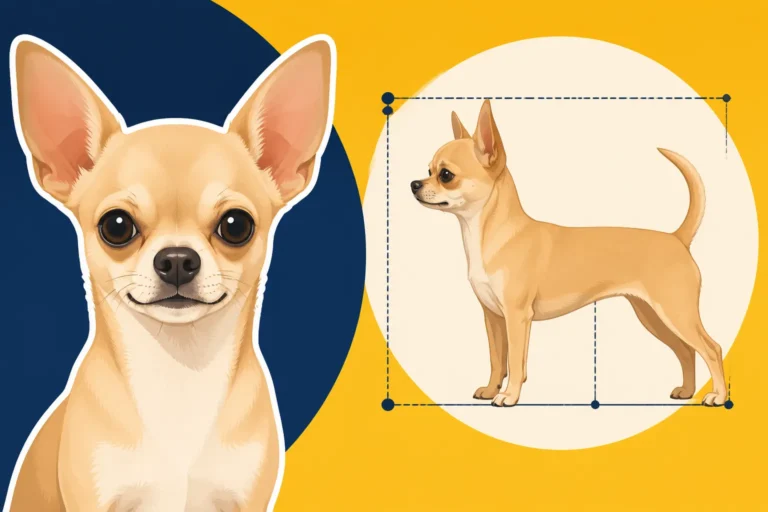
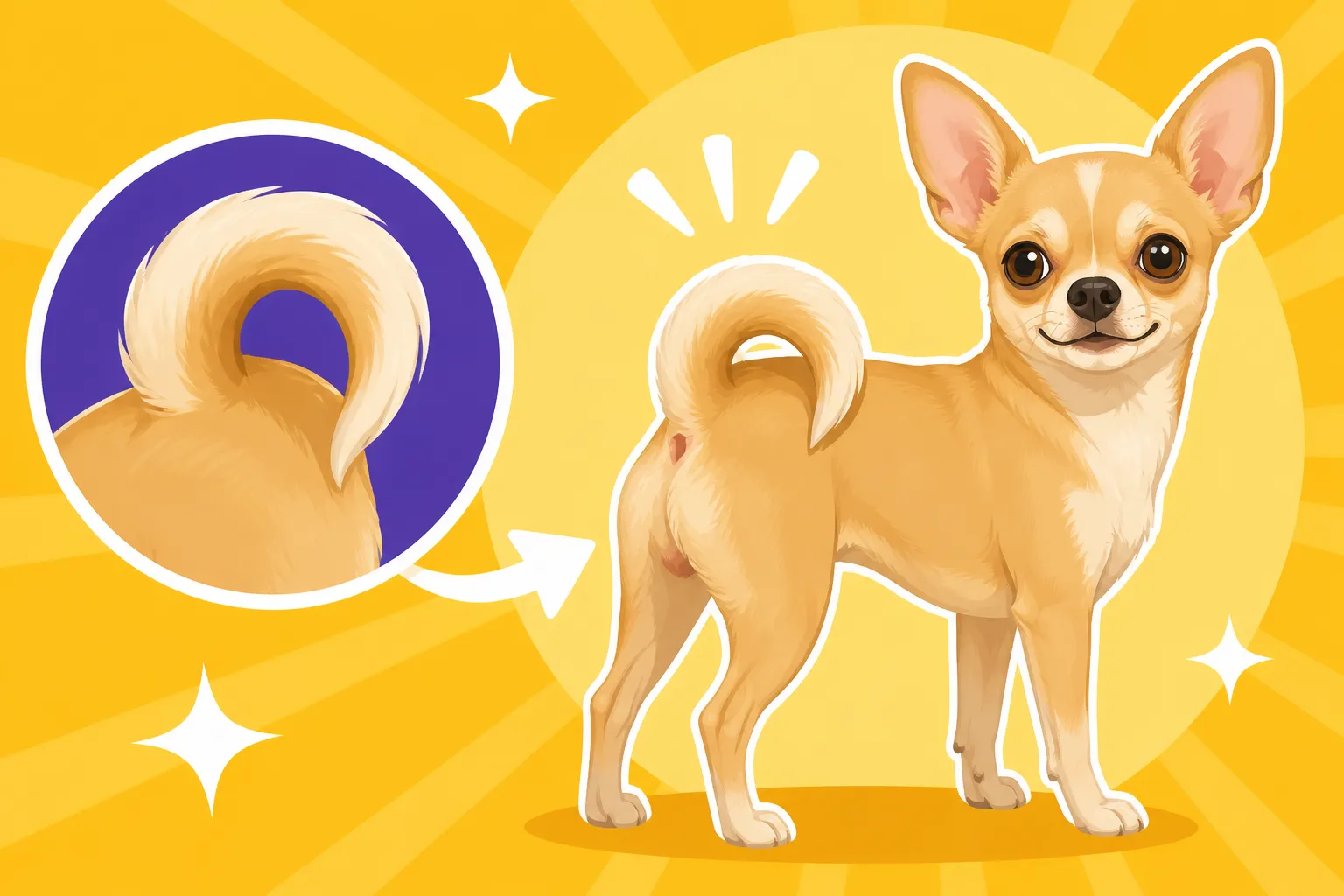
The most accurate way to describe a typical, well-carried Chihuahua tail is often as a "sickle" or a "plume." Imagine the curved blade of a sickle, or a beautifully fanned feather – that's the general shape we're talking about. The tail starts at the base of the spine, arches gracefully, and then rests or curves over the dog's back, sometimes even touching it. It’s not simply held straight up like a flag; there's a definite curve to it.
For smooth-coat Chihuahuas, this curve is clearly visible, showcasing the elegant line of their body. With long-coat Chihuahuas, the effect is even more dramatic, as the longer hair creates a luxurious "plume" that fans out over their back, adding to their regal or playful appearance. This plume is often soft and flowing, making the tail seem even larger and more expressive. The visual impact is undeniable; it adds an air of confidence and sprightliness to these already lively little dogs. Without this characteristic tail, a Chihuahua might look quite different, perhaps even losing some of that undeniable charm that makes them so beloved. It's a defining feature that sets them apart from many other breeds.
What the Breed Standard Dictates for Tail Position
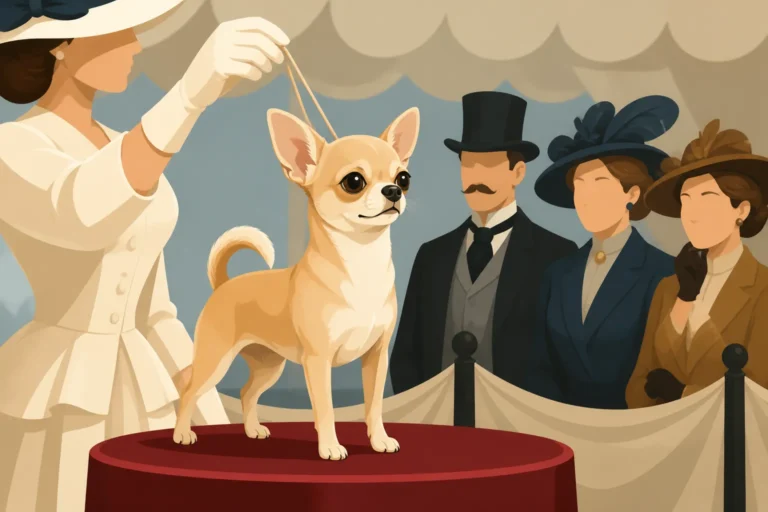
For those interested in the official benchmarks of the breed, like breeders and show enthusiasts, the tail carriage isn't just a matter of aesthetics; it's explicitly detailed in the breed standard. The American Kennel Club (AKC) standard for the Chihuahua specifies that the tail should be "moderately long, carried up or over the back in a sickle." This means that the tail should form a distinct arc, not a tight curl that presses too firmly against the back, nor should it simply hang low. It should be carried with an air of elegance and balance, completing the overall picture of the dog.
Judges in the show ring pay close attention to this. They're looking for a tail that is proportional to the dog's body, well-set, and carried correctly – high enough to curve over the back but not so tightly curled as to appear stiff or unnatural. This attention to detail reflects how every physical trait, from the apple head to The Six Pound Limit in the Chihuahua Standard, contributes to the ideal Chihuahua profile. Any significant deviation, such as a tail that is habitually tucked low or one that is too short, would be considered a fault in a show dog, as it detracts from the breed's distinctive look and balance. It's a surprisingly important element of what makes a Chihuahua a Chihuahua.
The Tail as a Key Communicator of Chihuahua Emotion
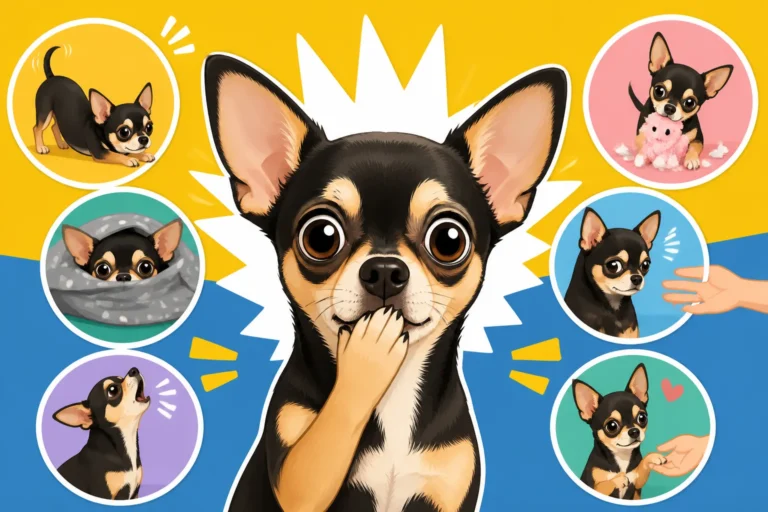
While the aesthetic is important for breed enthusiasts, for everyday Chihuahua owners, the tail is primarily an invaluable tool for understanding their dog's emotional state. Chihuahuas are incredibly expressive, and their tail is often the first indicator of their mood. A high-held, gently wagging tail that arcs over their back typically signifies happiness, excitement, or confidence. You’ll see this when you walk through the door, offer a favorite treat, or introduce them to someone they like. It’s their way of saying, "I'm thrilled!" or "I feel great!"
Conversely, a tail held lower, or worse, tucked tightly between the legs, almost universally signals fear, submission, or anxiety. If your Chihuahua encounters a large, unfamiliar dog, or is startled by a loud noise, you might see that tail disappear, often accompanied by trembling or a crouched posture. However, it's also important to note that a low tail with a quick, shallow wag can sometimes indicate a dog who is nervous but trying to be friendly. This nuance is crucial when reading your dog's signals. Always observe the tail in conjunction with other body language cues, such as their ear position – you might also want to understand The Chihuahua Ear Carriage Judges Look For – their eye contact, and their overall body posture, to get a complete picture of their emotional state. A stiff, slightly raised tail might mean they're alert and curious, perhaps investigating a new smell, but it's not necessarily an indication of fear or aggression. Understanding these subtle shifts helps you respond appropriately and build a stronger bond with your little companion.
Why Chihuahuas Naturally Carry Their Tails This Way
Beyond simply being a breed characteristic, there are fascinating reasons rooted in genetics, history, and anatomy for why Chihuahuas carry their tails in this particular fashion. It’s not a learned behavior but an innate trait developed over centuries.
Genetic Predisposition and Breed History
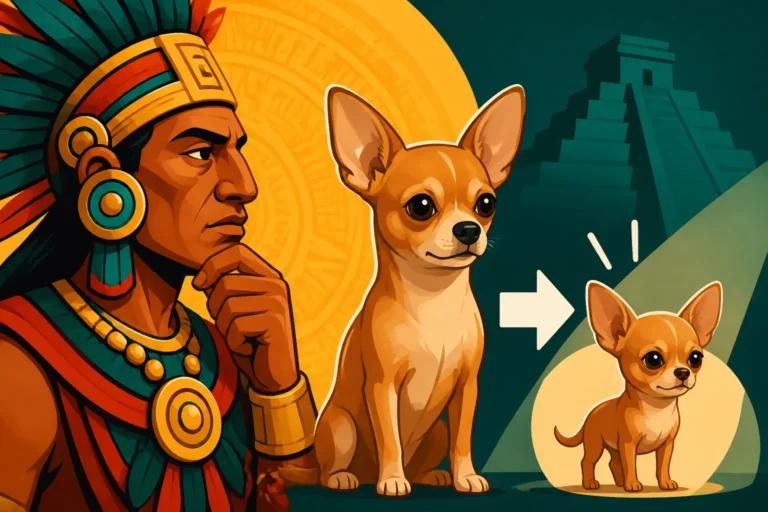
The unique tail carriage of the Chihuahua is deeply ingrained in their genetic makeup, a trait passed down reliably from one generation to the next. It’s as much a part of their inherent design as their apple-shaped head or their tiny stature. This isn't something that an owner trains their Chihuahua to do; it’s simply how their bodies are built to function. This genetic blueprint dates back to their ancient ancestors, potentially the Techichi dogs of Mexico. Through centuries of selective breeding, early breeders consciously or unconsciously reinforced this tail characteristic, favoring dogs that displayed the desired high, curved tail.
This selective breeding shaped the Chihuahua into the distinctive breed we know today, emphasizing traits that were deemed desirable, whether for aesthetic reasons or perceived utility. While other dog breeds might have naturally straight, curled, or docked tails, the specific set and curve of the Chihuahua's tail is a signature of the breed. It’s a distinguishing feature that makes them instantly recognizable and helps set them apart from other toy breeds you might see, cementing their unique identity within the canine world.
Anatomical Structure Supporting the Upward Curve
To understand how a Chihuahua’s tail achieves its signature curve, we need to look at its anatomy. The tail is an extension of the spine, composed of numerous small bones called caudal vertebrae. These bones are connected by flexible joints, muscles, and ligaments, allowing for a wide range of motion. For the Chihuahua, the specific arrangement and strength of these muscles and ligaments allow for that characteristic high and arched carriage. Think of it like a natural scaffolding designed to hold the tail in its iconic position.
When a Chihuahua is alert or happy, these muscles contract, lifting the tail high and creating the prominent curve over the back. When relaxed, the tail might lower slightly but still retain its characteristic shape rather than dropping completely limp. This is in contrast to breeds with naturally dropped tails, like a Basset Hound, or breeds whose tails curl tightly into a ring against their rump, such as a Pug. Each breed’s unique tail set is a result of specific skeletal and muscular adaptations. Even within the Chihuahua breed, you might notice slight variations in the exact tightness or looseness of the curve, which is generally normal and simply a reflection of individual genetic nuances, but the overall posture remains consistent.
The Role of the Tail in Balance and Agility
While we often think of tails as communication tools, they also serve a vital physical purpose, especially for active, agile dogs like Chihuahuas: balance. For a small dog known for its quick movements and spirited dashes around the house, the tail acts much like a counterweight or a rudder. When your Chihuahua makes a sharp turn while chasing a toy or navigates a tight corner in the living room, their tail swings in the opposite direction, helping them maintain their equilibrium and avoid tumbling over.
Imagine a Chihuahua suddenly changing direction at full sprint – that tail is rapidly adjusting to keep their tiny body upright and stable. This function is critical for their agility and coordination, allowing them to move with surprising grace and speed despite their diminutive size. Without this counterbalance, their movements would be far less precise, and they’d be more prone to losing their footing. So, the Chihuahua's high-carried, curved tail isn't just an aesthetic flourish; it's a functional extension of their body that plays a crucial role in their ability to move fluidly and confidently through their world, whether that's navigating a busy park or just zooming around the kitchen.
Potential Concerns and What to Look For
While the high-carried tail is a wonderful and normal trait for Chihuahuas, sometimes changes in its position or function can signal an underlying health issue. Being attentive to these changes can help you catch problems early.
Changes in Tail Position Signaling Pain or Discomfort
A sudden, unexplained change in your Chihuahua's tail carriage is often a significant indicator of pain or discomfort. If your normally perky-tailed pup suddenly holds their tail low, tucked between their legs, or seems reluctant to move it, it’s time to investigate. This could be a direct injury to the tail itself, such as a sprain, a fracture from being accidentally stepped on, or even a 'limber tail' injury (though less common in Chihuahuas, it can happen if they over-exert their tail muscles). A clear sign would be if your Chihuahua yelps or flinches when you gently try to touch the base or length of their tail.
However, a change in tail carriage can also indicate pain originating elsewhere in the body. For instance, problems with the lower spine or hips can cause a dog to guard their tail, holding it stiffly or tucked. If your Chihuahua is experiencing Chihuahua Back and Neck Pain, they might adjust their tail posture to minimize discomfort. Abdominal pain, anal gland issues, or even severe skin irritations around the tail base can also lead to a reluctance to lift or move the tail naturally. Observe if the tail issue is accompanied by other symptoms like lethargy, loss of appetite, whimpering, or difficulty sitting or lying down. If you notice any of these signs, don't hesitate to contact your veterinarian for a thorough check-up.
Neurological Issues Affecting Tail Control
While less common, neurological problems can sometimes affect a Chihuahua’s ability to control their tail, leading to abnormal positioning or a complete lack of movement. These issues typically stem from damage or dysfunction in the nerves that supply the tail, often originating higher up in the spinal cord. Conditions such as intervertebral disc disease (IVDD), where the discs between the vertebrae bulge or rupture, can compress these nerves and interfere with tail function. While Chihuahuas are more famously associated with joint issues like Patellar Luxation, the Chihuahua's Commonest Joint Problem or Chihuahua Legg-Calve-Perthes Disease, spinal issues can certainly occur.
If your Chihuahua’s tail appears floppy, lifeless, or they seem unable to wag it or hold it in its typical arched position, it could be a sign of nerve damage. Other neurological symptoms might accompany this, such as weakness in the hind legs, stumbling, or changes in sensation. Diagnosing neurological issues often requires advanced veterinary diagnostics, including X-rays, MRI scans, or neurological examinations. These conditions can be serious and often require prompt intervention to manage pain and prevent further progression. If you notice any persistent or sudden changes in your Chihuahua's tail control, a visit to a veterinary neurologist might be recommended.
"Happy Tail" Syndrome and Other Tail-Related Injuries
It might sound ironic given their small size, but even Chihuahuas can experience injuries related to their tail, including a milder version of what's sometimes called "happy tail" syndrome. This typically occurs when a dog enthusiastically wags their tail against hard surfaces like walls, furniture legs, or crate bars, causing repeated trauma to the delicate skin and bone, often near the tip. For a Chihuahua, this could happen if they're confined in a tight space or get overly excited and hit their tail repeatedly.
Beyond "happy tail," Chihuahuas are susceptible to other common tail injuries simply due to their everyday lives. Their tail could accidentally get caught in a closing door, be stepped on by an unaware human, or even sustain a bite during rough play with another dog. These injuries can range from simple abrasions and skin tears to more severe sprains or even fractures of the caudal vertebrae. Swelling, bleeding, a visibly crooked tail, or signs of pain when the tail is touched are all indicators that an injury has occurred. To prevent these, be mindful of your Chihuahua's proximity, especially in busy areas of the home, and provide them with soft bedding. If you suspect any tail injury, especially if there's an open wound or obvious deformity, seek prompt veterinary attention to ensure proper healing and prevent infection.
Care and Observation for Your Chihuahua's Tail
Knowing what to look for is important, but proactive care and consistent observation are your best tools for ensuring your Chihuahua’s tail remains healthy and happy throughout their long life.
Grooming Your Chihuahua's Tail
Grooming the tail largely depends on your Chihuahua’s coat type. For smooth-coat Chihuahuas, tail care is fairly straightforward. A quick pass with a soft brush or grooming mitt during their regular routine is usually enough to remove loose hair and keep the skin healthy. It’s an easy way to check for any ticks or skin irritations that might be hiding.
However, if you have a long-coat Chihuahua, their magnificent "plume" of tail hair demands a bit more attention. This longer, often silky fur is prone to tangles, mats, and can easily collect debris like burrs or bits of leaves if they spend time outdoors. Regular, gentle brushing, ideally several times a week, is essential to prevent these issues. Using a pin brush or a slicker brush, like those readily available from Chewy, and working slowly from the tip of the tail towards the base, will help detangle without causing pain. This is part of a broader Smooth Coat and Long Coat Chihuahua Grooming regimen that keeps them looking their best. When bathing, make sure to thoroughly rinse all shampoo and conditioner from the tail hair and dry it completely to prevent moisture-related skin issues underneath the dense fur.
Protecting the Tail in Daily Life
Given their small size and sometimes delicate bone structure, protecting your Chihuahua's tail from accidental injury is an important aspect of their daily care. It’s surprisingly easy for a tiny tail to get caught or injured in a busy household. Always be mindful of where your Chihuahua is, especially when opening or closing doors, moving furniture, or simply walking around. Teaching children and even adult guests to be gentle and aware of your tiny dog's presence can prevent many accidents.
Consider creating safe zones for your Chihuahua with comfortable beds or crates in areas that aren't high-traffic. If your Chihuahua loves to jump on and off furniture like sofas or beds, providing ramps or pet stairs can significantly reduce the risk of injuries not just to their tail, but also to their delicate joints, potentially preventing issues like A Chihuahua Kneecap That Never Goes Back or Chihuahua Arthritis in the Teenage Years. When traveling in a car, always secure your Chihuahua in a suitable carrier or a pet-safe car seat. This prevents them from being jostled or injured by sudden stops or turns, which could otherwise put undue strain on their spine or tail. A little vigilance goes a long way in keeping their tail – and the rest of them – safe.
When to Seek Veterinary Advice
As a devoted Chihuahua owner, you are often the first to notice subtle changes in your dog's behavior or physical presentation. When it comes to their tail, trust your instincts. If something feels "off" about your Chihuahua's tail carriage, movement, or appearance, it's always best to consult your veterinarian. Specific red flags include a tail that is suddenly limp, appears swollen, is held rigidly in an unnatural position, or is painful when gently touched. Any signs of an open wound, excessive licking or chewing at the tail area, or a noticeable change in their gait or overall demeanor should prompt an immediate call to your vet.
For example, if your Chihuahua, who normally greets you with a vigorously wagging tail over their back, now keeps it tucked and whimpers when you approach, that's a clear signal something is wrong. Your veterinarian will perform a thorough physical examination, which may include gently palpating the tail and surrounding areas, checking their reflexes, and observing their movement. If an injury or underlying condition is suspected, they might recommend diagnostic imaging such as X-rays to check for fractures or other structural damage. Early detection and intervention are crucial for effectively treating tail-related issues and ensuring your Chihuahua remains comfortable and healthy.
| Tail Posture | Common Interpretation (Normal) | Potential Concern (Abnormal) |
|---|---|---|
| High & Curved Over Back | Confident, happy, alert, interested | Stiff, rigid, tucked while high (fear/tension), painful to touch |
| Relaxed Curl (Lower) | At ease, calm, resting | Limp, floppy, no movement (injury/neurological) |
| Tucked Between Legs | Fearful, submissive, anxious, cold (often combined with shivering) | Constant tucking, guarding, yelping when touched |
| Rapid Wagging (High) | Excited, joyful, greeting | Frantic wagging, but body tense/lowered (nervous excitement) |
| Rapid Wagging (Low/Tucked) | Anxious but trying to appease, excited but nervous | Sustained rapid wagging without obvious cause or alongside pain |
| Stiff, Slightly Raised | Alert, curious, investigating | Held rigidly, trembling, hesitant to move (pain/extreme fear) |
Disclaimer
This article is for general informational purposes only and does not constitute professional advice. Laws, prices and regulations vary by location and change over time. Consult a qualified professional for guidance on your specific situation.