Chihuahua Eye Problems in a Shallow Socket
Those big, beautiful, soulful eyes of your Chihuahua are undoubtedly one of their most endearing features, but for many owners, they're also a constant source of worry. Because their eyes are so prominent and sit in such shallow sockets, Chihuahuas are uniquely vulnerable to a whole host of eye problems, from accidental scratches during enthusiastic play to chronic conditions that can impact their vision for life. This comprehensive guide is here to walk you through the specific eye challenges Chihuahuas face, what to watch out for, and how you can best protect your tiny companion's precious sight.
Understanding the Chihuahua's Unique Eye Anatomy
It's hard to resist those large, dark, expressive eyes that seem to just gaze right into your soul. They're a hallmark of the Chihuahua breed, often described as round, full, and set rather wide apart. While undeniably adorable, this distinctive appearance is actually the root cause of many of the eye troubles our little friends can encounter. Their eyes don't just look big; they often protrude more than in other breeds, leaving them less protected from the outside world.
The Prominence of Their Eyes
The breed standard for Chihuahuas often favors these captivatingly large, round eyes. And let's be honest, that's part of what makes them so irresistibly cute! However, this physical trait means their eyeballs sit further forward in their skull compared to many other dog breeds. Think of it this way: a German Shepherd or a Labrador has eyes that are quite recessed, tucked safely behind strong brow ridges and deeper bone structure. A Chihuahua, on the other hand, has less of that natural bony protection. Their eyes are more exposed, making them the first point of contact for anything that might come too close. This isn't just a cosmetic feature; it's a significant anatomical vulnerability that every Chihuahua owner needs to understand.
The Shallow Orbital Socket Explained
The term "shallow orbital socket" refers to the bone structure surrounding the eyeball. In Chihuahuas, this bony cup is not as deep or encompassing as it is in many other dog breeds. Imagine cradling a precious ornament – if the cradle is shallow, the ornament is more likely to fall out or get bumped. The same principle applies here. With less bone encasing the eye, there's less physical barrier to protect it from trauma. A simple bump into a table leg, a playful swat from another pet, or even a fall from a sofa can lead to much more serious eye injuries than it might in a dog with deeper-set eyes. This inherent lack of robust protection means we, as their guardians, have to be extra vigilant about their environment and handling. It’s a reality that can be frustrating for owners, as you try your best to keep them safe, but accidents can still happen so quickly. You might also notice that The Chihuahua Molera and What a Soft Spot Means can also point to general skull vulnerabilities in the breed.
Breeds with Similar Eye Structures
While Chihuahuas aren't typically classified as brachycephalic (short-nosed) in the same way a Pug or a Bulldog is, their prominent eyes share some of the same risks. Other breeds that can experience similar eye vulnerabilities due to prominent eyes and/or shallow sockets include breeds like the Pekingese, Shih Tzu, Boston Terrier, and even some French Bulldogs. These breeds often have that endearing "bug-eyed" look that is so appealing but comes with its own set of health considerations. Understanding this can help put Chihuahua eye issues into perspective; it's not just your dog, but a characteristic shared by many beloved toy breeds that require special attention to their delicate peepers. Knowing these similarities can sometimes help owners find broader resources or preventative strategies used for these other breeds as well.
Common Eye Injuries and Trauma
Given their prominent eyes and shallow sockets, Chihuahuas are unfortunately highly susceptible to a range of eye injuries and traumas. These aren't just minor irritations; many can be incredibly painful and, if not treated swiftly, can lead to permanent vision loss or even the loss of the eye itself. It's a scary thought, but being aware is the first step to prevention and quick action.
Scratches and Abrasions
It's heartbreaking to see your tiny friend squinting and pawing at their eye, and a scratch or abrasion on the cornea is a frequent culprit. These injuries, often referred to as corneal abrasions or ulcers, can happen with alarming ease. Imagine your Chihuahua zipping through tall grass in the park – a stray blade can swipe across their eye. Perhaps they get a little too close to the thorny rose bush in your garden, or even accidentally scratch themselves with their own nail while grooming or rubbing an itchy face. Even a playful swipe from a cat or another dog, no matter how gentle, can cause significant damage.
Symptoms are usually quite obvious: you'll notice excessive tearing, redness in the white of the eye, squinting or holding the eye shut, and your Chihuahua might frequently paw at their face. They might also appear more withdrawn or sensitive to light. If you suspect a scratch, getting to the vet immediately is paramount. Don't wait to see if it improves on its own, because an untreated scratch can quickly deepen into a severe Corneal Ulcers in a Chihuahua and become infected, threatening their vision. Your vet will typically use a special dye (fluorescein stain) to illuminate any damage on the cornea, allowing them to assess the severity and prescribe the correct treatment, usually antibiotic drops to prevent infection and pain medication to keep your little one comfortable.
Foreign Objects in the Eye
Because their eyes are so exposed, Chihuahuas are like little magnets for airborne particles and debris. Dust, tiny bits of fluff from a blanket, a stray hair from your own head, or even a microscopic piece of a plant can irritate their delicate eyes. You might not even see the foreign object, but your Chihuahua will certainly feel it. They'll start blinking rapidly, rubbing their face on the carpet, or pawing at the affected eye.
If you can see a visible piece of debris that looks like it's on the surface and easily accessible, you can try to gently flush the eye with a sterile saline solution made specifically for pets (never use human contact lens solution). However, if the object is embedded, large, or if your dog is in significant pain and won't let you near their eye, do not attempt to remove it yourself. You could cause more damage. This is another situation where a prompt vet visit is essential. The vet has specialized tools and techniques to safely remove foreign bodies without causing further trauma and can then check for any secondary damage, like a scratch or infection.
Blunt Force Trauma and Proptosis
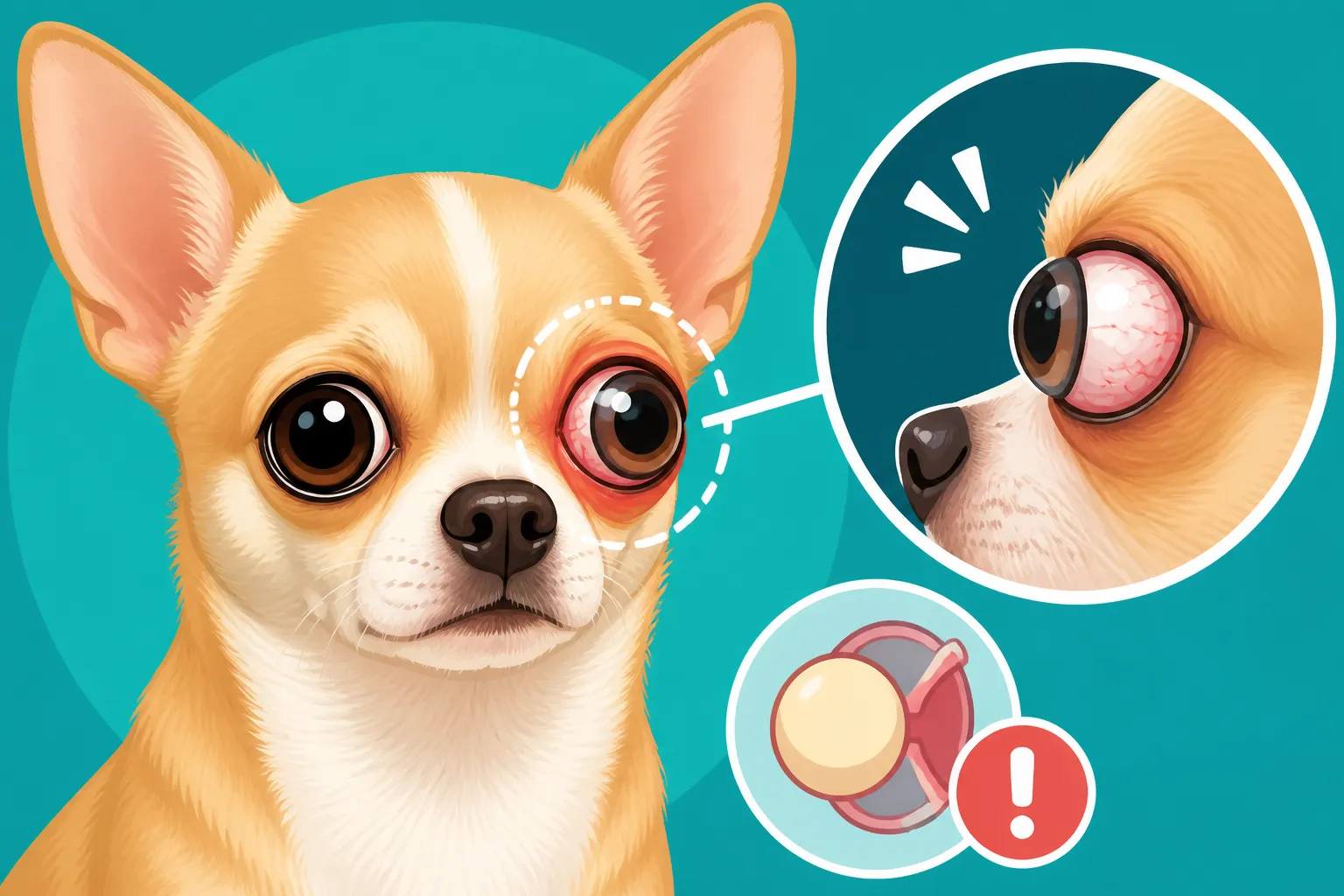
This is perhaps the most terrifying eye injury a Chihuahua owner can imagine: proptosis. This is when the eyeball actually pops out of its socket. It's an incredibly urgent and traumatic event, and while it sounds horrific, it's a real risk for breeds with prominent eyes and shallow sockets. A significant blunt force trauma can cause it – a fall from a high place (like off a bed or sofa), being accidentally dropped, a severe impact during play with a larger dog, or even excessive pressure around the neck if they pull hard on a collar (which is why a harness is always recommended for Chihuahuas).
If this ever happens, it's an absolute emergency. The first thing to do is remain calm, no matter how panicked you feel. Do not try to push the eye back in yourself. Your immediate goal is to keep the exposed eye moist to prevent it from drying out, which can cause irreversible damage. Use a clean, damp cloth soaked in sterile saline solution (or even clean water if nothing else is available) and gently cover the eye. Then, get to the nearest emergency veterinary clinic as fast as humanly possible. Time is of the essence, as the longer the eye is out, the lower the chances of saving it and preserving vision. Preventing such a catastrophic injury means always being mindful of where your Chihuahua is, how they're being handled, and ensuring their environment is safe from heights or potential impacts.
Corneal Ulcers and Their Management
Corneal ulcers are a common and painful eye condition in Chihuahuas, often stemming from the very vulnerabilities we've discussed. It's more than just a surface scratch; it's an open sore on the clear front surface of the eye, and it requires diligent care to heal properly and prevent complications.
What is a Corneal Ulcer?
To understand a corneal ulcer, let's quickly review the cornea. It's the transparent, outermost layer of the eye, much like a clear windowpane, and it's essential for vision. An ulcer occurs when there's a break in the protective outer layers of the cornea. For Chihuahuas, the causes are numerous:
- Trauma: As we covered, a scratch from a branch, a cat's claw, or even their own errant nail is a very common culprit.
- Foreign bodies: Tiny debris that gets stuck in the eye can rub and abrade the surface.
- Dry eye: Insufficient tear production (which we'll delve into next) can leave the cornea vulnerable and prone to drying out and developing ulcers.
- Eyelid abnormalities: Sometimes, the eyelids don't sit correctly, causing eyelashes to rub against the cornea.
- Infections: Bacteria or fungi can take advantage of a compromised corneal surface.
The symptoms of a corneal ulcer are often quite distressing for both you and your Chihuahua. You'll likely see pronounced squinting or holding the eye shut, excessive tearing, redness of the conjunctiva (the pink tissue surrounding the eye), and sometimes even a hazy or cloudy appearance to the eye itself. Your dog will be in pain and might try to rub or paw at the affected eye.
Diagnosis and Treatment Options
Diagnosing a corneal ulcer is usually straightforward for a veterinarian. They'll perform a thorough eye exam and then apply a special orange-green dye called fluorescein. This dye adheres to any areas where the outer layer of the cornea is damaged, turning a vibrant green under a special blue light, making the ulcer clearly visible. This simple test tells the vet if an ulcer is present and, to some extent, how deep it is.
Treatment depends on the severity and cause, but generally involves:
- Antibiotic eye drops or ointment: To prevent or treat bacterial infections.
- Pain medication: Oral or topical, to keep your Chihuahua comfortable during the healing process.
- Atropine drops: Sometimes used to dilate the pupil, which helps relieve pain associated with corneal spasms.
- E-collar: An Elizabethan collar (the "cone of shame") is almost always necessary to prevent your Chihuahua from rubbing or scratching the eye and worsening the ulcer.
For superficial ulcers, diligent application of medication at home might be enough, with regular re-check appointments to monitor healing. However, deeper ulcers or those that don't heal (called "indolent ulcers") might require more advanced interventions. Your vet might recommend a procedure called a "grid keratotomy" or a "diamond burr debridement" to stimulate healing, or even delicate surgery if the ulcer is very deep or perforating. The healing process can be lengthy, sometimes weeks, and requires immense dedication from the owner to administer drops multiple times a day and ensure the e-collar stays on.
Preventing Recurrent Ulcers
The best defense is a good offense, especially when it comes to preventing recurrent corneal ulcers. If your Chihuahua has experienced an ulcer, it's crucial to identify and address any underlying causes. For instance, if Chihuahua Dry Eye Behind a Chihuahua's Prominent Eyes is suspected, managing that condition aggressively is key. Similarly, if eyelid abnormalities are present, your vet might recommend surgical correction.
Beyond treating the root cause, proactive measures can significantly reduce the risk of future ulcers:
- Environmental control: Be mindful of your Chihuahua's surroundings. Keep thorny plants out of reach, supervise play with other animals, and ensure their living space is free from sharp objects at their eye level. Ramps or steps for furniture can help prevent falls.
- Grooming: For long-coat Chihuahuas, keeping the hair around their eyes trimmed short is vital to prevent irritation.
- Regular checks: Make it a habit to gently examine your Chihuahua's eyes daily for any signs of redness, squinting, or discharge. Early detection can make a huge difference in treatment outcomes.
- Avoid irritants: Keep harsh chemicals, sprays, or dust out of your Chihuahua's face.
Being vigilant and proactive can save your Chihuahua a lot of pain and potentially preserve their vision in the long run.
Dry Eye (Keratoconjunctivitis Sicca – KCS)
Another significant eye problem Chihuahuas can face, and one that often leads to other complications like corneal ulcers, is Keratoconjunctivitis Sicca (KCS), more commonly known as dry eye. It's an uncomfortable and potentially damaging condition that requires lifelong management.
The Problem of Insufficient Tear Production
KCS occurs when the tear glands in and around the eye don't produce enough tears to keep the surface of the eye adequately moist and lubricated. Tears aren't just for crying; they're a complex mixture of water, oils, and mucus that perform several critical functions:
- Lubrication: They keep the eye surface smooth, preventing friction.
- Nourishment: They deliver oxygen and nutrients to the cornea.
- Protection: They wash away debris and contain enzymes and antibodies to fight infection.
When tear production drops significantly, the eye surface becomes dry, irritated, and highly vulnerable. It's like a car engine running without oil – friction and damage will quickly occur. In Chihuahuas, KCS can be caused by various factors, with the most common being an immune-mediated disease where the body's own immune system attacks the tear glands. Other causes can include genetic predisposition, certain medications (like sulfa drugs), trauma to the tear glands, or chronic inflammation. While their prominent eyes don't directly cause KCS, the dryness can be exacerbated by increased exposure to air, making the effects even more pronounced.
Signs and Long-Term Effects
Recognizing the signs of dry eye early is crucial, as chronic dryness can lead to irreversible damage. You might notice:
- Chronic redness: The whites of the eyes (sclera) and the conjunctiva appear persistently red and inflamed.
- Thick, yellowish discharge: Instead of clear tears, you'll see a sticky, mucus-like discharge that collects in the corners of the eyes and can crust on the eyelids.
- Squinting and blinking: Your Chihuahua might squint or blink excessively due to discomfort.
- Dull-looking eyes: The eyes may lose their usual sparkle and appear dull or glazed.
- Cloudiness or pigmentation: Over time, if left untreated, the cornea can become cloudy, developing dark spots or pigmentation (melanin deposition) as the body tries to protect the surface. This can significantly impair vision.
- Recurrent corneal ulcers: As the dry surface becomes more fragile, it's highly susceptible to developing painful ulcers.
Untreated KCS is not just uncomfortable; it progressively damages the cornea, leading to scarring, chronic pain, severe vision impairment, and, in advanced stages, even permanent blindness. It’s a progressive disease, meaning it will only get worse without intervention.
Lifelong Management of KCS
Diagnosing KCS involves a simple, non-invasive test called the Schirmer Tear Test (STT). A small, specially calibrated strip of paper is placed inside the lower eyelid for one minute to measure the amount of tear production. Low readings confirm KCS.
Once diagnosed, KCS is typically a lifelong condition that requires dedicated, consistent management. The primary goals are to stimulate tear production, reduce inflammation, and keep the eye lubricated. Treatment usually involves:
- Topical immunomodulators: Medications like cyclosporine (e.g., Optimmune) or tacrolimus eye drops are the cornerstone of treatment. These drops work by suppressing the immune attack on the tear glands, helping to stimulate the natural production of tears. They need to be given daily, sometimes twice a day, for life.
- Artificial tears: In addition to tear stimulators, artificial tear drops or gels can be used throughout the day to provide extra lubrication and comfort, especially in severe cases or during flare-ups.
- Antibiotic eye drops: If a secondary bacterial infection is present, antibiotic drops will be prescribed.
- Anti-inflammatory drops: Steroid drops might be used temporarily to reduce severe inflammation, but often cyclosporine/tacrolimus handle this long-term.
It's a huge commitment, but consistent treatment can dramatically improve your Chihuahua's comfort and preserve their vision. Missing doses can lead to setbacks, so it becomes a vital part of your daily routine, much like feeding them. This is an excellent example of a chronic condition where pet insurance, like Healthy Paws, can be incredibly beneficial, helping to cover the ongoing costs of these prescription eye medications and regular vet check-ups. Maintaining their eye health requires significant attention, and consistent care for conditions like Chihuahua Dry Eye Behind a Chihuahua's Prominent Eyes can make a world of difference.
Other Eye Conditions Common in Chihuahuas
While trauma and dry eye are particularly prevalent, Chihuahuas can also be prone to a range of other genetic, age-related, or structural eye conditions. Being aware of these helps you identify potential issues early and seek appropriate veterinary care.
Eyelid Abnormalities (Entropion/Ectropion)
Eyelid abnormalities might not be as widely discussed as other Chihuahua traits, but they can certainly cause chronic eye irritation and discomfort.
- Entropion: This condition occurs when a section of the eyelid (usually the lower one) rolls inward, causing the eyelashes and surrounding hair to constantly rub against the delicate surface of the cornea. Imagine having a hair constantly poking your eye – it's incredibly irritating and painful. This constant friction can lead to chronic tearing, redness, inflammation, and, most dangerously, recurrent corneal ulcers. In Chihuahuas, it can be genetic or a result of muscle spasms due to pain.
- Ectropion: The opposite of entropion, ectropion is when the eyelid rolls outward, creating a droopy appearance. This exposes the conjunctiva (the pink lining of the eyelid) and the inner surface of the eye to air, dust, and debris. While perhaps less immediately painful than entropion, an ectropion eye is more prone to dryness, chronic irritation, and bacterial infections due to its increased exposure.
Both conditions, if severe and causing persistent problems, often require surgical correction to reposition the eyelid correctly. This is a delicate procedure, and the goal is to alleviate irritation and prevent further damage to the eye.
Cataracts and Glaucoma
As Chihuahuas age, just like humans, their eyes can start to show wear and tear, and some conditions are more common in their senior years. This highlights the importance of Senior Chihuahua Care Past the Age of Twelve which encompasses regular eye checks.
- Cataracts: This is a clouding of the eye's lens, which obstructs light from reaching the retina and causes blurry vision or eventual blindness. While cataracts can sometimes be genetic (juvenile cataracts), they are most often an age-related condition in Chihuahuas, developing as they enter their senior years. Other causes can include diabetes or trauma. You might notice a bluish-grey or white opacity developing in the pupil. For more detailed information, you can read about Chihuahua Cataracts in Older Dogs. If the cataracts significantly impair vision and impact quality of life, surgical removal and lens replacement can be an option, but it's a specialized and costly procedure.
- Glaucoma: Glaucoma is a serious and painful condition characterized by increased pressure within the eye. This elevated pressure damages the optic nerve and, if left untreated, leads to irreversible blindness. It can be primary (inherited) or secondary to another eye condition like inflammation or trauma. Symptoms can include a dilated pupil, a cloudy or bluish appearance to the cornea, redness, squinting, and obvious pain. Glaucoma is an emergency; prompt veterinary attention is critical to save vision. Treatment typically involves a combination of eye drops to lower the pressure, and in severe cases, surgical interventions may be considered.
Progressive Retinal Atrophy (PRA)
Progressive Retinal Atrophy (PRA) is a group of genetic diseases that affect the retina, the light-sensitive tissue at the back of the eye. In PRA, the photoreceptor cells in the retina (rods and cones) gradually degenerate, leading to progressive vision loss and eventually complete blindness.
- Progression: The condition typically starts with night blindness, where your Chihuahua will struggle to see in dim light. As the disease advances, their daytime vision will also deteriorate, leading to total blindness. The progression rate varies depending on the specific form of PRA, but unfortunately, there is no cure.
- Genetic Basis: PRA is an inherited condition, which means it's passed down from parent dogs to their offspring. Responsible Chihuahua breeders will conduct genetic testing to ensure their breeding stock is free of the gene responsible for PRA, helping to prevent its spread in the breed. For potential owners, inquiring about The PRA DNA Test for a Chihuahua Litter is a crucial step in ensuring you bring home a healthy puppy.
- Coping with Blindness: While there's no treatment for PRA, dogs can adapt remarkably well to blindness, especially if the vision loss is gradual. Maintaining a consistent environment, using verbal cues, and providing safe exploration can help a blind Chihuahua lead a happy life. Many owners find their blind Chihuahuas rely more on their other senses, navigating their familiar home with confidence. You can also explore Retinal Atrophy Taking a Chihuahua's Night Vision for more in-depth understanding.
Protecting Your Chihuahua's Delicate Eyes
Given the unique vulnerabilities of a Chihuahua's eyes, being proactive in their protection and care is not just advisable, it's absolutely essential. Small actions on your part can make a monumental difference in preventing injuries and managing chronic conditions, ensuring your beloved companion enjoys clear vision for as long as possible.
Environmental Safety Measures
Your home and outdoor spaces are full of potential hazards for a Chihuahua's prominent eyes. It's not about creating a sterile bubble, but rather being mindful and taking sensible precautions.
- Childproofing at Dog Level: Get down on your hands and knees and view your home from your Chihuahua's perspective. Are there sharp table corners, exposed wires, or pointy decorations at eye level? Consider using corner guards on furniture.
- Supervised Outdoor Time: When outdoors, always supervise your Chihuahua. Avoid letting them run through dense brush, tall grasses, or areas with thorny plants that could easily scratch an eye. Even a quick dart into a rose bush could be disastrous.
- Pet Interactions: Be cautious when your Chihuahua interacts with larger dogs or even cats. Play can get rough quickly, and a paw or a playful nip too close to the face can lead to injury. Ensure safe, supervised interactions, especially when introducing them to new animal friends.
- Car Safety: If your Chihuahua rides in the car, always use a secure car seat or carrier. This not only protects them in the event of an accident but also prevents them from poking their eyes on dashboard controls or other car interior elements during sudden stops.
Regular Grooming and Eye Care
Daily and weekly grooming routines play a significant role in keeping your Chihuahua's eyes healthy and free from irritation.
- Hair Trimming: For long-coat Chihuahuas, keep the hair around their eyes trimmed short to prevent it from growing into their eyes and causing irritation or even corneal scratches. This might require regular professional grooming or careful at-home trimming with blunt-nosed scissors.
- Gentle Cleaning: Chihuahuas, especially those with lighter coats, can be prone to tear staining. Gently wipe away any discharge or tear stains daily using a soft, damp cloth or pet-specific eye wipes. This prevents crust build-up and reduces the risk of bacterial growth that can lead to irritation or infection. You can learn more about techniques for Chihuahua Tear Stain Cleaning to keep them looking and feeling their best.
- Routine Home Checks: Make it a habit to gently look at your Chihuahua's eyes every day. Look for any signs of redness, cloudiness, excessive tearing, discharge, squinting, or pawing. The earlier you spot a problem, the quicker you can address it with your vet.
Veterinary Check-ups and Early Intervention
Regular veterinary care is the cornerstone of proactive eye health for your Chihuahua. Don't wait until there's an obvious problem.
- Annual Exams: Your veterinarian should perform a thorough eye examination during your Chihuahua's annual check-up. This includes checking for signs of irritation, assessing tear production (especially for breeds prone to dry eye), and looking for early signs of cataracts or other issues. For conditions like Chihuahua Heart Disease as the Breed Ages, these routine exams are critical for overall health.
- Prompt Action: If you notice any changes in your Chihuahua's eyes – however minor they may seem – call your vet immediately. Delays in treating eye problems can lead to more severe damage, chronic pain, and even irreversible vision loss. A little bit of redness might seem trivial, but it could be the start of a serious corneal ulcer or an infection.
- Pet Insurance Benefits: Budgeting for unexpected medical costs, especially eye emergencies or chronic conditions, can be daunting. This is where pet insurance, like a policy from Healthy Paws, can be incredibly valuable. It can help cover the costs of diagnostics, specialist visits, medications, and even surgery for accidents and illnesses, giving you peace of mind and allowing you to make the best healthcare decisions without financial stress. Understanding What a Chihuahua Costs From Eight Weeks to Sixteen includes planning for these medical expenses throughout their long lives. It's smart to enroll them early, before any conditions might be considered "pre-existing."
When to Seek Emergency Veterinary Care
Knowing when an eye problem has crossed the line from "monitor and call the vet during business hours" to "drop everything and go to the emergency clinic" is vital for Chihuahua owners. Due to the delicate nature of their eyes, what might seem like a minor issue can quickly escalate.
Recognizing Urgent Symptoms
Several symptoms should immediately trigger an emergency vet visit. Trust your gut; if something feels seriously wrong, it probably is.
- Sudden Blindness: If your Chihuahua suddenly starts bumping into furniture, seems disoriented, or hesitates to navigate familiar spaces, they could have experienced acute vision loss. This requires immediate investigation.
- Severe Pain: Intense squinting, holding the eye completely shut, constant pawing at the face, or crying out when the eye area is touched are all signs of significant pain. Don't assume they're just being dramatic; eye pain is excruciating.
- Visible Injury or Trauma: If you see an obvious cut on the eyelid, a puncture wound to the eyeball, or any blood in or around the eye, it's an emergency.
- Cloudiness or Bluish Haze: A sudden, noticeable cloudiness or bluish tint to the cornea could indicate a serious corneal ulcer, glaucoma, or severe inflammation.
- Eye Protrusion (Proptosis): As discussed earlier, if the eyeball has actually popped out of its socket, this is a dire emergency requiring immediate veterinary attention.
- Rapid Swelling: Any sudden, significant swelling around the eye, especially if accompanied by discharge or pain, needs urgent assessment.
In many of these cases, every minute counts towards preserving vision and minimizing long-term damage. While conditions like Chihuahua Vaccination and Anesthesia at Toy Size are important for routine care, these emergencies are different and demand immediate action.
What to Do While En Route to the Vet
Once you've identified an emergency eye situation, swift action and safe transport are key.
- Stay Calm: Your Chihuahua will pick up on your anxiety. Do your best to remain calm to avoid further stressing them.
- Prevent Further Injury: Your primary goal is to stop your Chihuahua from rubbing, pawing, or scratching the injured eye, which can worsen the damage. If you have an Elizabethan collar (e-collar) at home, put it on them. If not, try to keep their paws away from their face.
- Keep Prolapsed Eye Moist (if applicable): If proptosis has occurred (the eye is out of its socket), gently cover the exposed eye with a clean, damp cloth or gauze soaked in sterile saline solution. Do not try to push the eye back in.
- Avoid Self-Treatment: Do not attempt to put any unprescribed drops, ointments, or home remedies into the eye. You could introduce infection or cause further irritation.
- Call Ahead: If possible, call the emergency veterinary clinic while you are on your way to let them know you are coming and describe the situation. This allows them to prepare for your arrival.
The Role of Pet Insurance in Emergencies
Facing a sudden eye emergency with your Chihuahua is terrifying enough without the added burden of worrying about the financial implications. Specialized eye care can be incredibly expensive, involving consultations with veterinary ophthalmologists, advanced diagnostics, urgent surgeries, and long-term medications.
This is precisely where comprehensive pet insurance truly shines. A good policy, like those offered by Healthy Paws, can significantly alleviate the financial stress of emergency situations. Imagine your Chihuahua needing urgent surgery for a deep corneal ulcer or requiring immediate care for glaucoma – these can run into thousands of dollars. With pet insurance, you pay your deductible and then a percentage of the remaining bill, allowing you to focus on your pet's recovery rather than the looming costs. It means you can make decisions based on what's best for your Chihuahua's health, rather than what you can afford at that moment. Many policies cover accidents and illnesses, including a wide array of eye conditions, as long as they aren't pre-existing. This kind of financial safety net is invaluable for any Chihuahua owner, considering their predisposition to such delicate eye health issues.
Chihuahua Eye Conditions at a Glance
Here's a quick reference table summarizing some of the most common eye issues Chihuahuas face, their typical symptoms, and the general urgency of veterinary attention.
| Condition | Description | Common Symptoms | Urgency of Vet Visit |
|---|---|---|---|
| Corneal Abrasions/Ulcers | Scratch or open sore on the clear surface of the eye. | Squinting, excessive tearing, redness, pawing at eye, cloudy spot. | Urgent |
| Foreign Object | Dust, debris, hair lodged in the eye. | Squinting, blinking, redness, pawing, watery discharge. | Urgent |
| Proptosis | Eyeball dislodged from its socket. | Eyeball protruding, severe pain, visible trauma. | Emergency |
| Dry Eye (KCS) | Insufficient tear production, leading to dry, irritated eyes. | Chronic redness, thick discharge, squinting, dull eyes, pigmentation. | Routine/Urgent |
| Entropion/Ectropion | Eyelid rolling inward/outward, causing irritation. | Tearing, redness, squinting, rubbing, discharge, visible eyelid abnormality. | Routine/Urgent |
| Cataracts | Clouding of the eye's lens, leading to vision loss. | Bluish-grey or white opacity in pupil, bumping into objects (if severe). | Routine |
| Glaucoma | Increased pressure within the eye. | Dilated pupil, cloudy/blue cornea, redness, pain, sudden blindness. | Emergency |
| Progressive Retinal Atrophy | Genetic degeneration of the retina, leading to blindness. | Night blindness, gradual vision loss, dilated pupils. | Routine |
Disclaimer
The information provided in this article is for general informational purposes only and is not a substitute for professional veterinary advice. Always consult with a qualified veterinarian for any health concerns or before making any decisions related to your Chihuahua's care.