Senior Chihuahua Food After Twelve
It's a true blessing to share your life with a Chihuahua well into their senior years, often well past twelve! But with that wonderful longevity comes a very real shift in their needs, especially when it comes to what's in their food bowl. If you've noticed your tiny friend slowing down, perhaps gaining a little weight despite eating the same amount, or just not quite as enthusiastic at mealtime as they used to be, you're certainly not alone. This guide is all about navigating the nuanced world of senior Chihuahua nutrition, helping you choose and prepare meals that truly support their health and vitality as they age gracefully.
Why Your Chihuahua's Diet Needs to Change After Twelve
Just like us, Chihuahuas experience a lot of physiological changes as they move into their senior years. The food that kept them spry and energetic in their younger days might actually be detrimental to their health once they hit that twelve-year mark, sometimes even earlier. Understanding these internal shifts is the first step in providing the best possible care for your aging companion.
The Metabolism Slowdown
One of the most immediate and noticeable changes in a senior Chihuahua is their metabolism. They simply don't burn calories as efficiently or as quickly as they once did. This isn't just because they might be less active, though that plays a big part; their internal systems are also working at a slower pace. You might find your Chihuahua sleeping more, playing less intensely, and generally conserving energy.
This metabolic slowdown means that if you continue to feed them the same amount of their regular adult food, they're highly likely to gain weight. Even a half-pound on a tiny Chihuahua can be the equivalent of several pounds on a larger dog, putting undue stress on their delicate joints and organs. Managing this weight, or preventing it in the first place, becomes a critical part of their senior care plan, making careful portion control and appropriate calorie adjustment absolutely essential. Chihuahua Obesity on a Six Pound Frame is a very real and serious concern for these tiny dogs.
Muscle Mass Loss and Frailty
Another significant change that comes with aging in Chihuahuas is sarcopenia, which is the natural, age-related loss of muscle mass. Even if your senior Chihuahua maintains a healthy weight, you might notice their muscles becoming less defined, particularly over their spine or hindquarters. This loss of muscle can lead to increased frailty, difficulty with stairs or jumping, and a general decrease in overall strength and mobility.
To combat sarcopenia, senior Chihuahuas often benefit from a diet that includes a slightly higher percentage of easily digestible, high-quality protein. This isn't about feeding them more food, but rather ensuring the protein they do consume is highly bioavailable and supports muscle maintenance without putting extra strain on their kidneys. Maintaining muscle helps support their joints and keeps them mobile and comfortable for longer, directly impacting their quality of life in their golden years.
Dental Challenges and Eating Difficulties
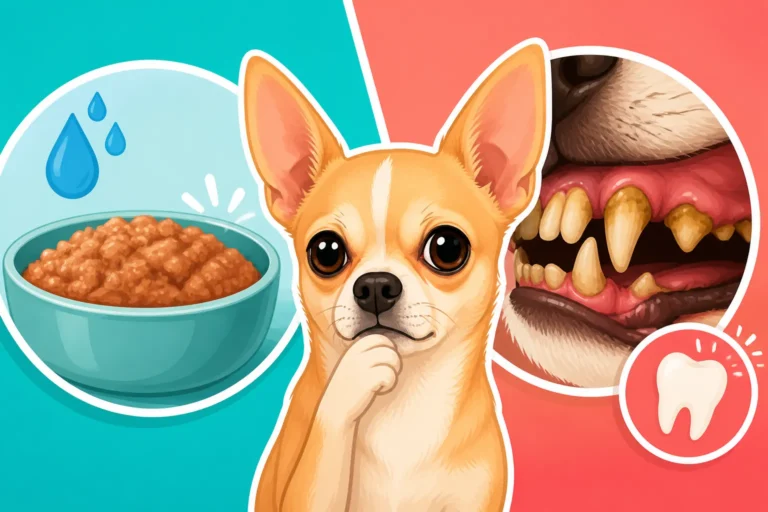
Chihuahuas are notoriously prone to dental disease throughout their lives, and by the time they reach their senior years, it's often a significant factor in their overall health. Many older Chihuahuas may have extensive gum disease, loose teeth, or even missing teeth, making chewing dry, hard kibble a painful and difficult experience. This can lead to a decreased appetite, weight loss, and even further health complications if they're not getting adequate nutrition. Chihuahua Dental Disease in a Crowded Small Jaw is practically a given.
If your senior Chihuahua starts turning away from their food or takes an unusually long time to eat, dental pain could very well be the culprit. It's crucial to have regular vet check-ups to address any dental issues promptly. In the meantime, softening kibble with warm water or switching to a wet or fresh food option can make mealtime much more comfortable and appealing, ensuring they get the nutrients they need without unnecessary pain. Why Chihuahuas Lose Teeth Younger Than Big Dogs is a common frustration for owners.
Organ Function Shifts
As Chihuahuas age, their internal organs, much like ours, begin to show signs of wear and tear. The kidneys, liver, and heart are particularly susceptible to age-related decline. For instance, kidney function can slowly decrease, making it harder for the body to filter waste effectively. The heart might also experience changes, such as the thickening of valves, which can impact its pumping efficiency. Mitral Valve Disease in an Older Chihuahua is a prevalent concern.
A senior diet can be formulated to support these organs. For kidneys, this often means controlled levels of phosphorus and sometimes protein. For the heart, sodium levels might be moderated. Your veterinarian is your best partner in assessing your Chihuahua's specific organ health through routine bloodwork and recommending a diet tailored to their individual needs, especially if conditions like Kidney Disease in a Long-Lived Chihuahua are diagnosed. Choosing a food that proactively supports these vital systems can help slow the progression of age-related diseases and improve their overall comfort.
Key Nutritional Considerations for Senior Chihuahuas
When it comes to feeding your wise old Chihuahua, it’s not just about reducing calories; it's about shifting the composition of those calories. Their bodies require different balances of macronutrients and micronutrients to maintain health as they age. Understanding these key components will empower you to make informed decisions about their diet.
Protein: Quality and Digestibility
For a senior Chihuahua, protein remains absolutely vital. As discussed, they're at risk of muscle mass loss, and high-quality protein is the building block for maintaining that muscle. However, the type and digestibility of the protein matter more now than ever. Look for foods where the primary protein sources are whole meats like chicken, turkey, lamb, or fish, rather than vague meat by-products or plant-based proteins.
The protein should also be highly digestible. This means their aging digestive system can efficiently break it down and absorb the amino acids it needs without undue stress. A food with excellent protein sources will help your Chihuahua stay strong and prevent the frailty that can often accompany advancing age. It's about feeding smart, not just feeding less.
Fat: Essential for Skin, Coat, and Energy
While a general reduction in overall calories is often necessary due to a slower metabolism, fat still plays an indispensable role in your senior Chihuahua's diet. It's a concentrated source of energy, and some fat is crucial for maintaining a healthy skin barrier and a shiny coat. Essential fatty acids, particularly omega-3s (like DHA and EPA, often derived from fish oil), are especially beneficial.
These omega-3s can help reduce inflammation, which is common in aging joints, and also support cognitive function, potentially mitigating some signs of Cognitive Decline in an Aging Chihuahua. However, the amount of fat needs to be carefully managed. Too much can quickly lead to weight gain, while too little might leave their coat dull and their energy levels low. The balance is key, so look for moderate fat levels in senior-specific formulas.
Carbohydrates: Energy and Fiber
Carbohydrates provide readily available energy for your Chihuahua. In senior diets, the focus is typically on complex carbohydrates like brown rice, oats, or sweet potatoes, which release energy slowly and provide sustained fuel without causing rapid spikes in blood sugar. These are preferable to simple carbohydrates or excessive fillers.
Fiber, often found alongside these complex carbohydrates, is also incredibly important for an aging digestive system. It helps maintain regular bowel movements, preventing constipation which can be an issue for older dogs, and supports a healthy gut microbiome. A good balance of fiber can also help your Chihuahua feel fuller, aiding in weight management when calories are reduced.
Vitamins, Minerals, and Antioxidants
A complete and balanced senior diet will be rich in essential vitamins and minerals, specifically tailored to the needs of an older dog. Antioxidants, like vitamins E and C, selenium, and beta-carotene, are particularly valuable. They help combat oxidative stress, which accumulates with age and can contribute to cellular damage and disease.
Beyond general health, specific supplements are often incorporated into senior dog foods or recommended as additions. Glucosamine and chondroitin, for example, are widely recognized for their role in supporting joint health and mobility, which is critical for Chihuahuas prone to Chihuahua Arthritis in the Teenage Years. Your vet might also suggest other additions to support cognitive health or immune function, depending on your dog's individual needs.
Choosing the Right Senior Chihuahua Food
Navigating the pet food aisle, or the vast digital shelves of online retailers, can feel overwhelming with all the options available. When your Chihuahua hits their golden years, it becomes even more critical to choose wisely. This section will help you cut through the noise and find the best food for your cherished senior companion.
"Senior" Formulas vs. All-Life-Stages
Many pet food brands offer specific "senior" formulas, and for good reason. These diets are typically formulated with the age-related changes we've discussed in mind: slightly lower calories, a balanced protein content for muscle maintenance, and added supplements for joint and cognitive support. They aim to address the unique needs of an older dog, making them a strong starting point.
While some premium "all-life-stages" foods might be nutritionally sound, they are often designed to meet the highest nutritional demands (like those of a growing puppy or a pregnant female). This means they can be too calorically dense or have nutrient profiles that aren't ideal for a sedentary senior. Always consult your veterinarian before deciding if an all-life-stages food is appropriate for your aging Chihuahua, as a dedicated senior formula is generally the safer bet for tailored nutrition.
Wet, Dry, or Fresh? Pros and Cons for an Older Dog
The form your Chihuahua's food takes can be just as important as its nutritional content, especially for a senior dog facing dental issues or a declining appetite.
- Dry Kibble: This is often the most economical and convenient option. If your senior Chihuahua still has good teeth and enjoys kibble, look for formulas with smaller kibble sizes that are easier for their tiny mouths to chew. Many online retailers like Chewy offer a fantastic selection of senior-specific kibbles from various reputable brands. You can also soften kibble with warm water to make it more palatable and easier to eat, which also adds a little extra hydration.
- Wet Food: Canned or pouched wet food is highly palatable and provides excellent hydration. It's often a godsend for Chihuahuas with dental pain or those experiencing a reduced sense of smell and taste as they age. The higher moisture content is also beneficial for kidney health. While it can be more expensive, a little wet food mixed with softened kibble can go a long way in tempting a picky senior.
- Fresh Food (Commercial or Home-Cooked): Services like Ollie deliver pre-portioned, vet-formulated fresh meals, which can be fantastic for palatability and digestion. If you're considering home-cooked meals, remember they must be meticulously balanced by a veterinary nutritionist to ensure your Chihuahua gets all necessary nutrients without deficiencies or excesses. Simply cooking plain chicken and rice won't cut it long-term. For those looking for smaller bag sizes or specific brands that can be harder to find locally, Amazon is often a reliable option for all types of food.
Here's a quick comparison to help you weigh your options:
| Food Type | Pros | Cons | Best For |
|---|---|---|---|
| Dry Kibble | Economical, convenient, good for dental health | Can be hard to chew with poor teeth, less hydrating | Seniors with good dental health, owners on a budget |
| Wet Food | Highly palatable, hydrating, easy to chew | More expensive, can contribute to dental plaque if not brushed | Seniors with dental issues, picky eaters, those needing more hydration |
| Fresh/Home-Cooked | Highly palatable, digestible, customisable | Most expensive, requires careful balancing (home-cooked), storage | Seniors with sensitive stomachs, severe dental issues, owners seeking premium |
Reading the Label: What to Look For (and Avoid)
The pet food label is your most important tool, but it can be a maze of jargon. Here’s what to focus on for your senior Chihuahua:
- AAFCO Statement: Look for an AAFCO (Association of American Feed Control Officials) statement confirming the food is "formulated to meet the nutritional levels established by the AAFCO Dog Food Nutrient Profiles for Adult Maintenance" (or "for all life stages" if approved by your vet). Ideally, it might even specify "for senior dogs" if the brand offers such a specific profile.
- Ingredient List: Ingredients are listed by weight. The first few ingredients should be identifiable, high-quality protein sources (e.g., "deboned chicken," "chicken meal," "salmon"). Avoid foods where the first ingredient is a grain filler or a vague "meat by-product."
- Nutrient Guarantees: Check the guaranteed analysis for protein, fat, and fiber percentages. Compare these to general recommendations for senior dogs (often slightly higher protein than adult maintenance, moderate fat, adequate fiber).
- Calorie Content: The label should state the caloric content (kcal/kg or kcal/cup). This is vital for portion control and managing your senior Chihuahua's weight. Weighing Chihuahua Food on a Kitchen Scale can help you be incredibly precise with these small amounts.
- Avoid: Excessive artificial colors, flavors, and preservatives. While some are harmless, an abundance can indicate lower quality ingredients overall. Also, be wary of marketing claims that aren't backed up by the ingredient list or AAFCO statement.
Practical Feeding Strategies for Senior Chihuahuas
Beyond choosing the right food, how you present and manage your senior Chihuahua's meals can make a huge difference in their health and happiness. These practical tips can help ensure they're getting the most out of their diet.
Portion Control and Weight Management
For a tiny senior Chihuahua, precision in feeding is non-negotiable. Even a quarter-cup difference in daily food can translate into unhealthy weight gain over time. Given their slower metabolism and potential for reduced activity, calorie needs decrease. Your veterinarian can help you calculate the ideal daily caloric intake for your specific dog based on their current weight, ideal weight, and activity level.
Using a small kitchen scale to measure food by weight (grams or ounces) rather than by volume (cups) is by far the most accurate method for a Chihuahua. A measuring cup can be wildly inaccurate for small quantities of kibble. Don't eyeball it! This meticulous approach will prevent What One Extra Pound Does to a Chihuahua from becoming a debilitating issue, protecting their joints and preventing other health complications.
Maintaining Mealtime Routine
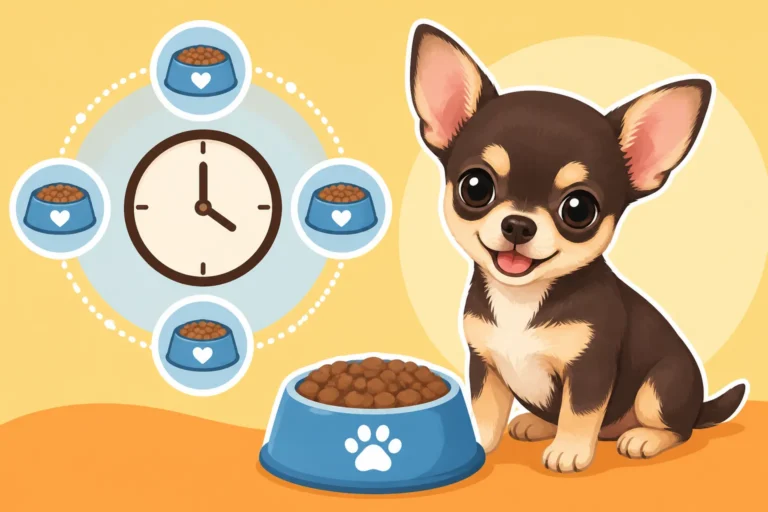
Consistency is comforting for senior dogs, and a regular mealtime routine can aid digestion and even reduce anxiety. Aim for two to three small meals spread throughout the day rather than one large one. This approach can be particularly beneficial for senior Chihuahuas, helping to keep their blood sugar stable and preventing prolonged periods of an empty stomach, which can sometimes lead to nausea or discomfort. Three Small Meals a Day for a Chihuahua is often ideal.
If your senior Chihuahua becomes a bit finicky or starts turning their nose up at food, sticking to a routine can help. Try not to free-feed, as this makes it impossible to monitor their intake or manage weight. Present the food at consistent times, allow them 15-20 minutes to eat, and then remove it until the next meal. This encourages them to eat when food is available. An Old Chihuahua That Stops Eating Breakfast can be a sign of underlying issues, so monitor changes closely.
Hydration is Crucial
Adequate hydration is incredibly important for senior Chihuahuas, especially since aging can sometimes impact kidney function. If your Chihuahua is on a dry kibble diet, ensure they have constant access to fresh, clean water. You might even consider adding a bit of water or low-sodium broth to their kibble to increase fluid intake, as well as using ceramic or stainless steel bowls that are easy to keep spotless.
For dogs that are reluctant to drink, a pet water fountain can sometimes encourage more intake, as the moving water is often more appealing. If your senior Chihuahua is eating wet or fresh food, they will naturally get more moisture from their diet, which is a significant advantage. Always keep an eye on their water intake; a sudden increase or decrease could signal a health issue that warrants a vet visit.
Supplementation: When and What?
While a high-quality senior dog food should ideally provide a complete nutritional profile, there are times when targeted supplementation can be beneficial, always under the guidance of your veterinarian. Joint supplements containing glucosamine and chondroitin are popular for supporting aging joints and managing arthritis. Omega-3 fatty acids are also commonly recommended for their anti-inflammatory properties and benefits for skin, coat, and cognitive health.
Other supplements, such as probiotics for gut health, or specific antioxidants for cognitive support, might be recommended based on your Chihuahua's individual health status. Never start any supplements without consulting your vet. They can help you choose appropriate products, determine the correct dosage for a small dog, and ensure there are no contraindications with any existing medications or health conditions your senior Chihuahua might have.
Disclaimer
This article is for general informational purposes only and does not constitute professional advice. Laws, prices and regulations vary by location and change over time. Consult a qualified professional for guidance on your specific situation.